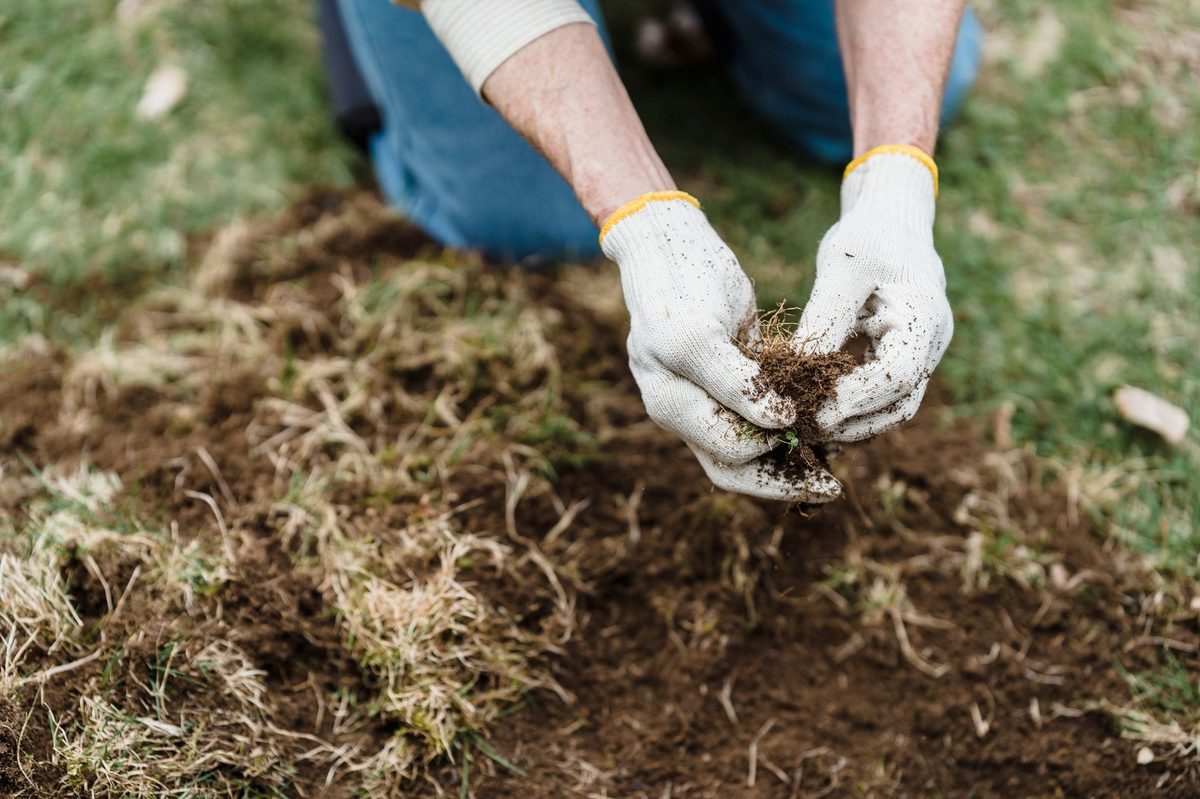
Before you spray anything: identify the pest, confirm the damage threshold, and choose targeted over blanket treatments. It sounds specialist, but like most gardening it comes down to a few fundamentals done in the right order — this guide walks through them one at a time, with the timings and quantities that actually matter.
What you will need
- A mower with sharp blades
- A rake and garden fork
- Grass seed matched to your region
- Seasonal lawn fertilizer
- A sprinkler or watering can for new seed
Step by step

Step 1
Mow little and often, never removing more than a third of the blade at once.
Step 2
Feed according to the season — spring for growth, autumn/winter for roots.
Step 3
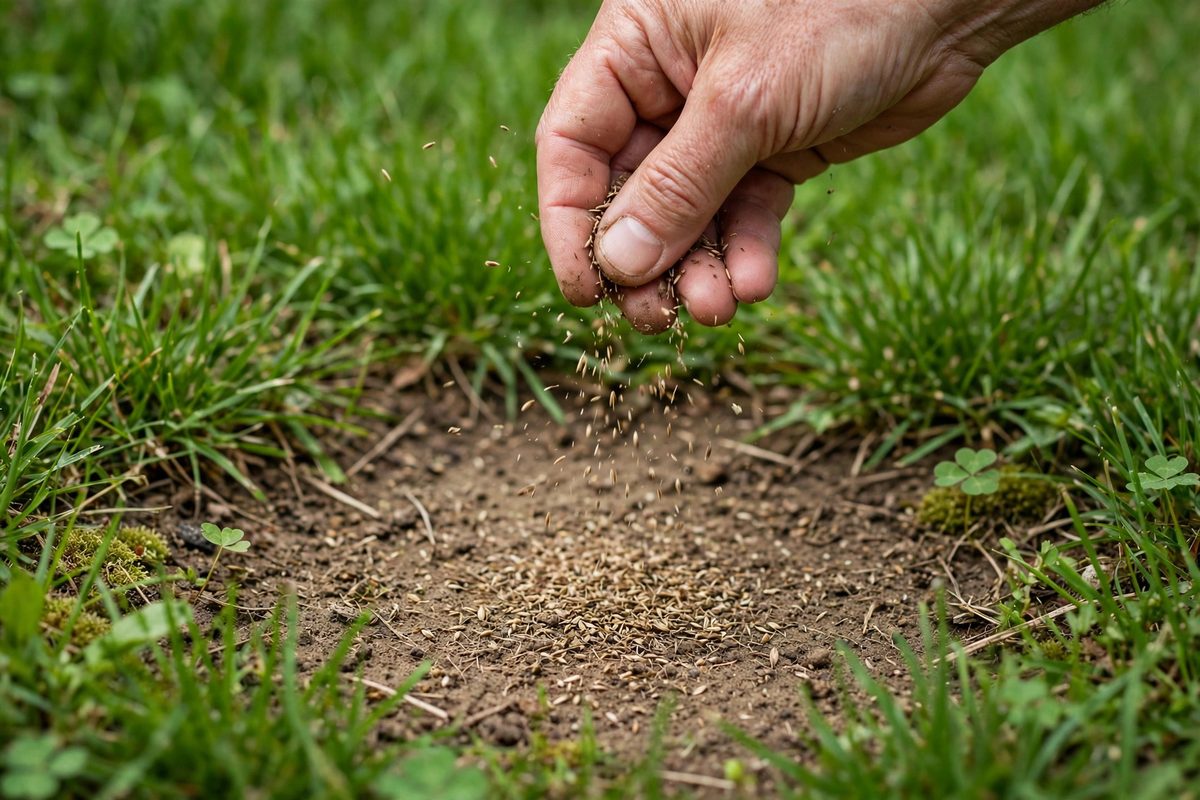
Overseed thin patches in spring or early autumn and keep seed moist until it germinates.
Step 4
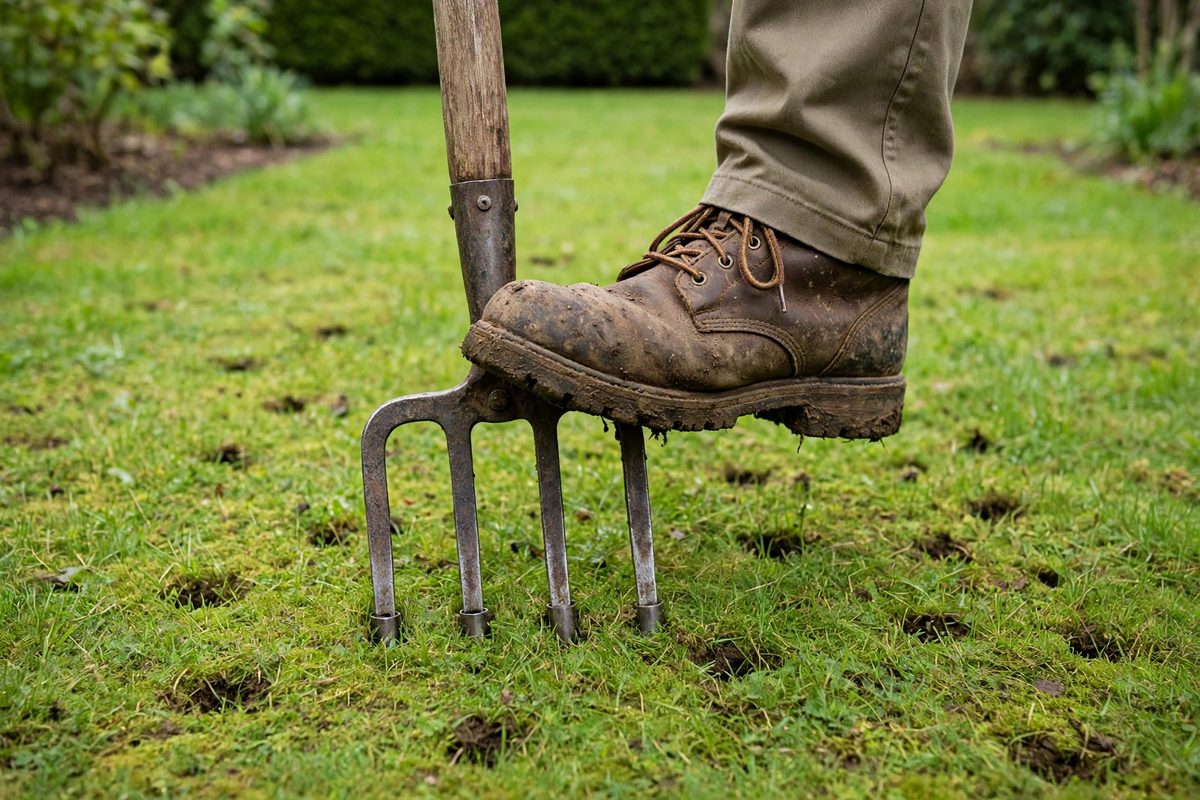
Aerate compacted areas with a fork every year or two.

Step 5
Treat problems by diagnosis first: most ‘disease’ is drought, shade or mowing too short.
Expert tip
Write down the date you do this. Gardening advice is full of ‘weeks later’ — and the gardeners who improve fastest are the ones who can check what ‘later’ actually was.
Common mistakes
Watch out for
- Scalping the lawn short — it invites weeds and moss.
- Feeding in a drought; fertilizer on dry grass scorches it.
- Watering in the evening, which leaves blades wet overnight.
Keep exploring this topic with Lawn Care Tips for Spring, or browse the full Lawn & Grass Care section.
Frequently asked questions
How short should I cut the grass?
Around 4 cm (1.5 in) for a family lawn, longer in drought and shade. Sharp blades matter more than exact height.
When is the best month to seed?
Early autumn wins: warm soil, fewer weeds, autumn rain. Spring is second best — see the watering guide for new seed.