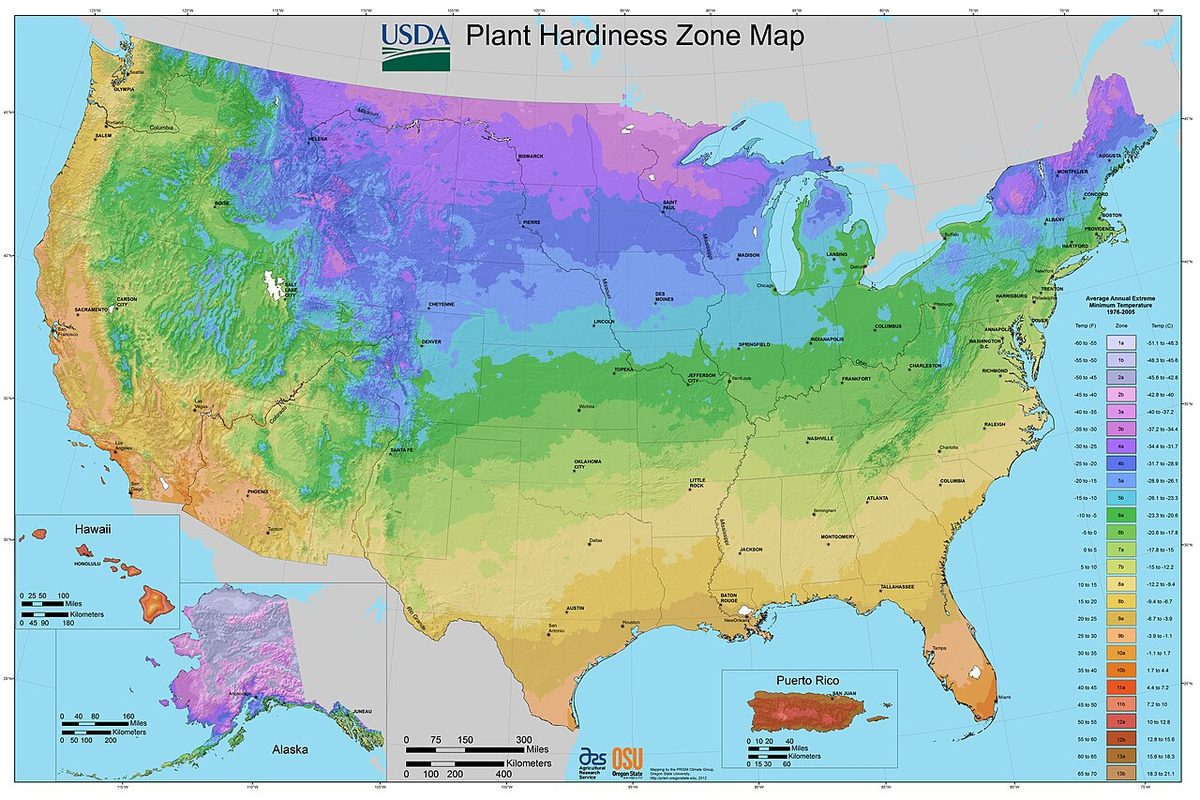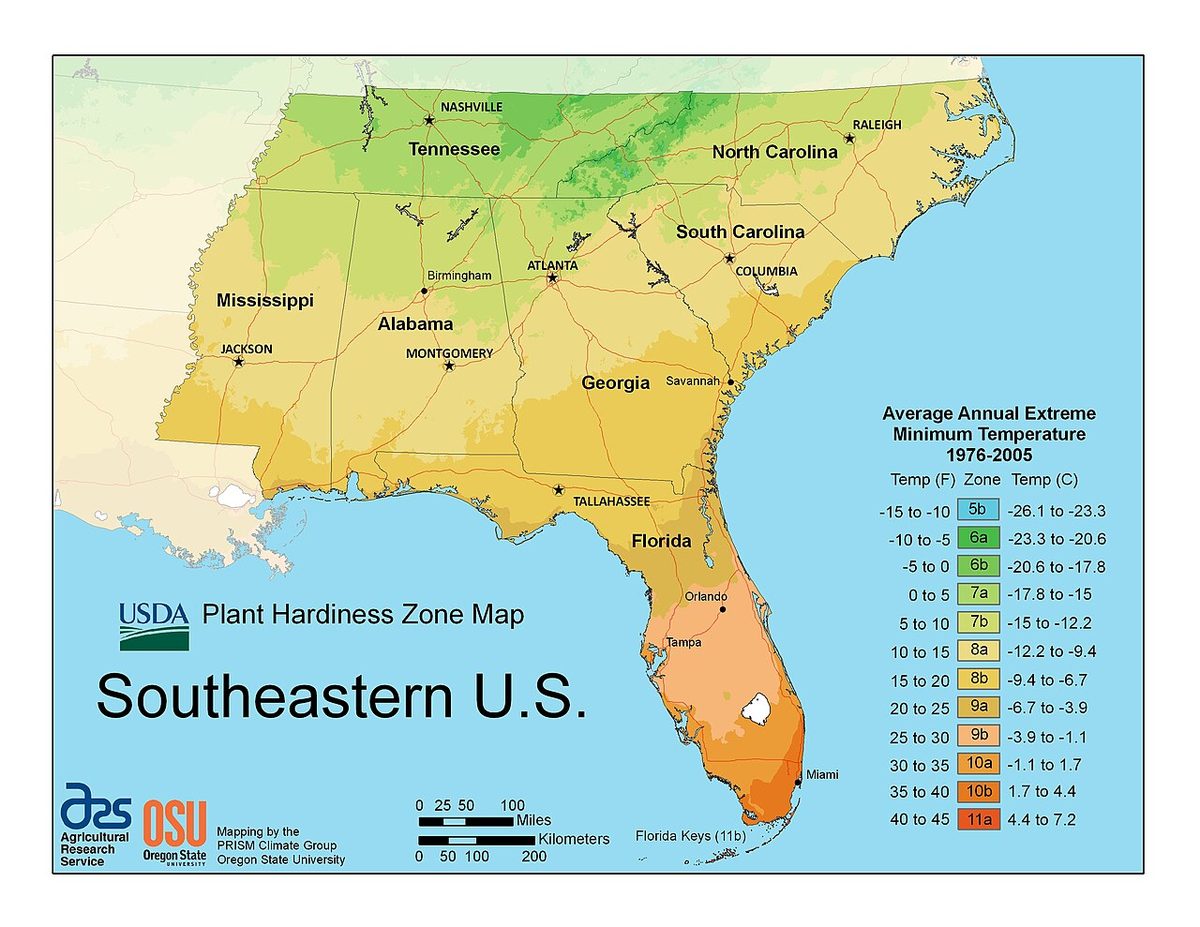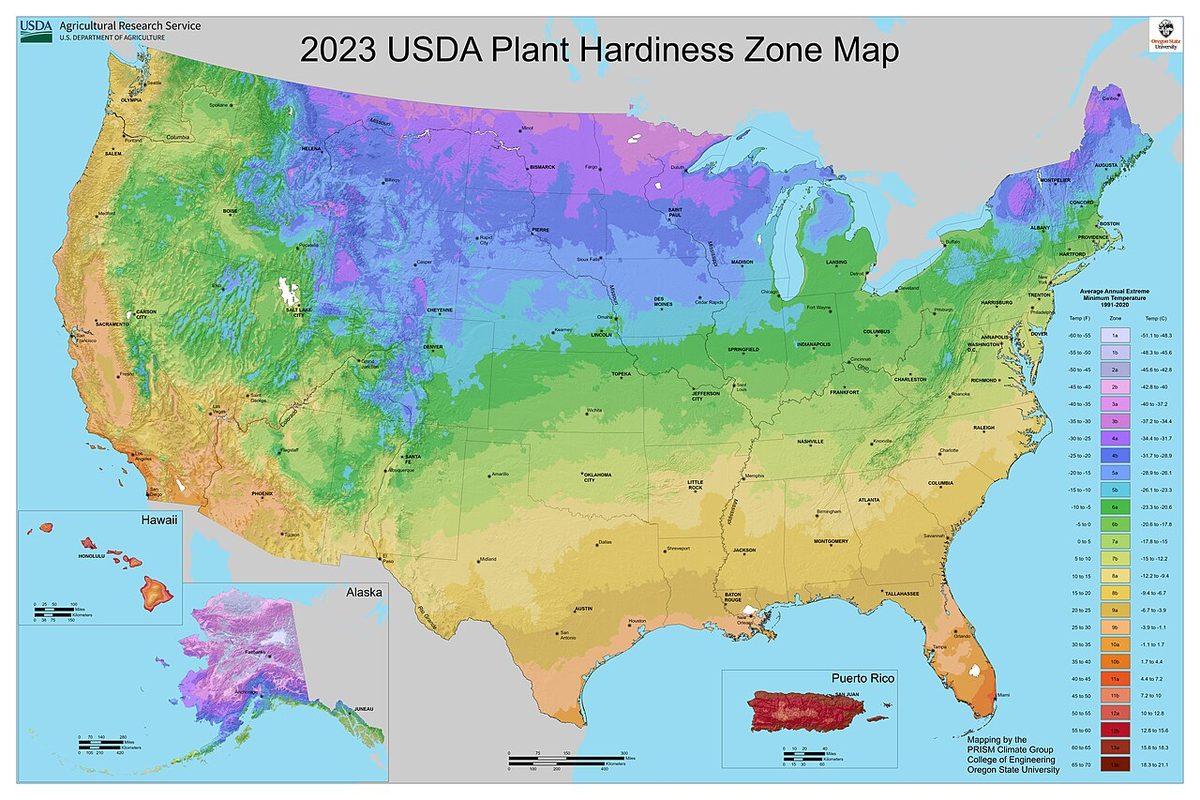
Your ZIP code points to a hardiness zone, and that zone decides what survives winter. Here is how zones work and how to use yours. It sounds specialist, but like most gardening it comes down to a few fundamentals done in the right order — this guide walks through them one at a time, with the timings and quantities that actually matter.
What you will need
- Your ZIP code
- The coldest winter night you remember
- Your town’s average frost dates
- A notebook for your zone and dates
- A current zone map for cross-checking
Step by step
Step 1
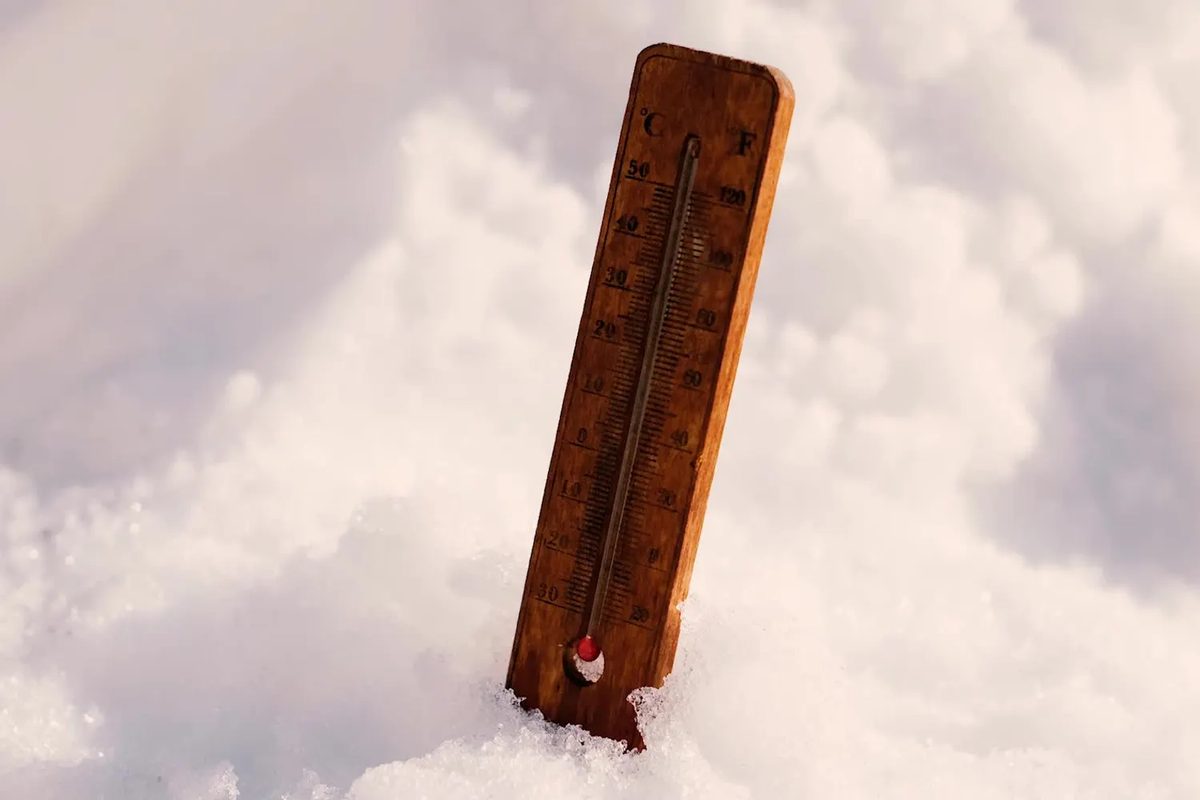
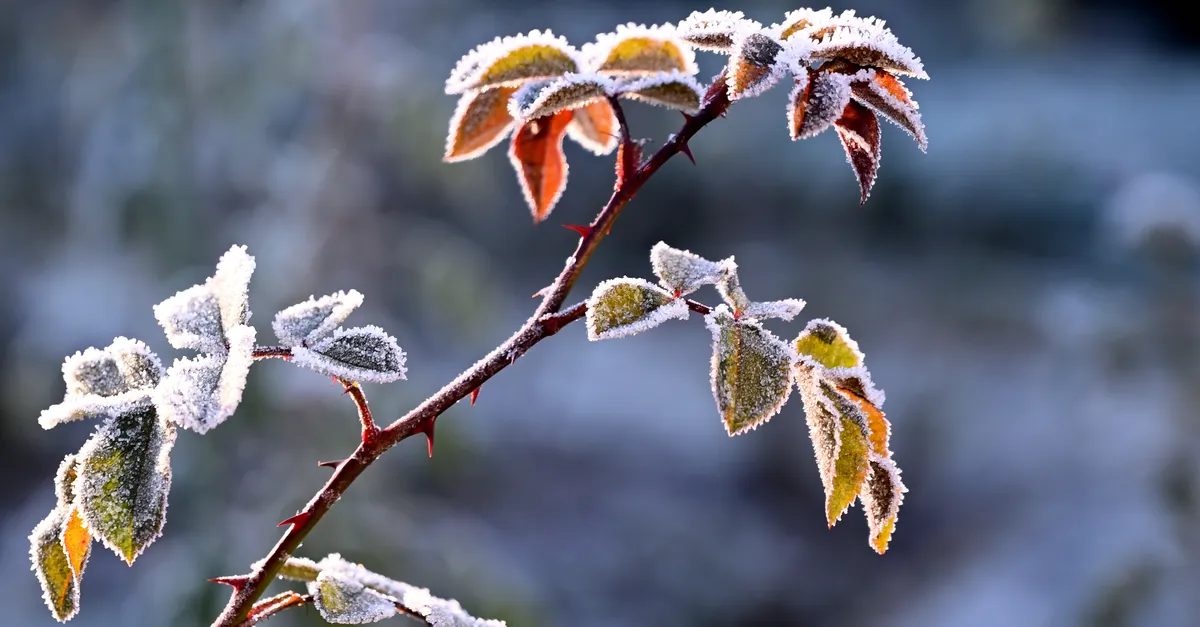
Start with your ZIP code, then check the result against the coldest winter night you can remember — the zone is built on that extreme minimum, not on averages.
Step 2
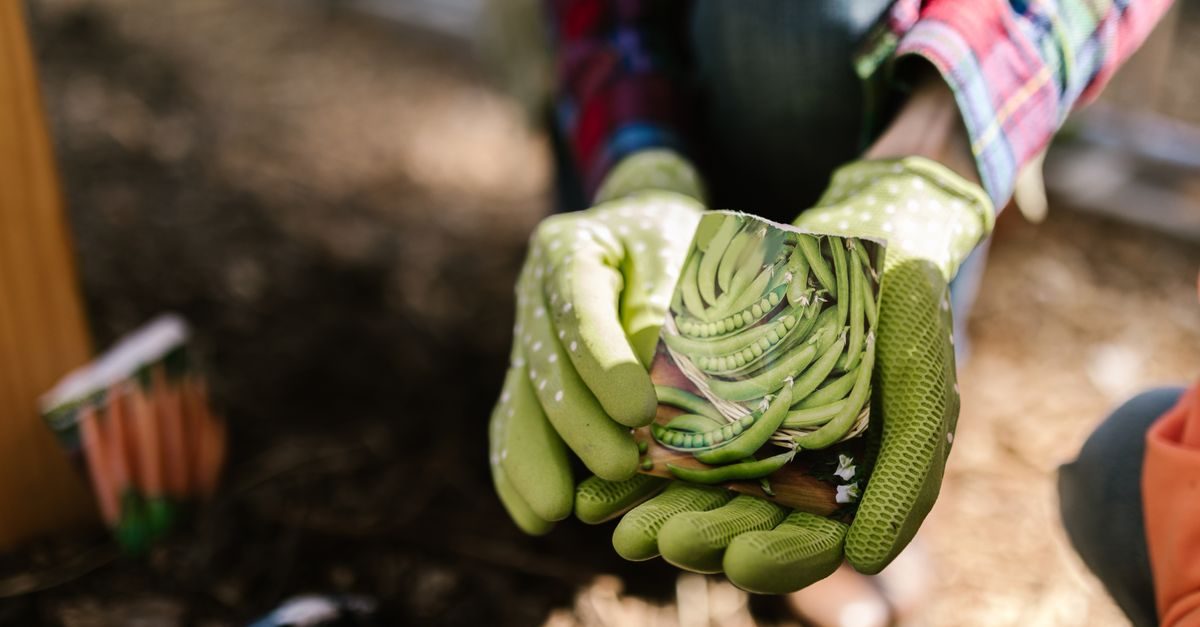
Look up your average last spring frost and first autumn frost — the zone tells you what survives winter, but these two dates tell you when tender plants can go out.
Step 3
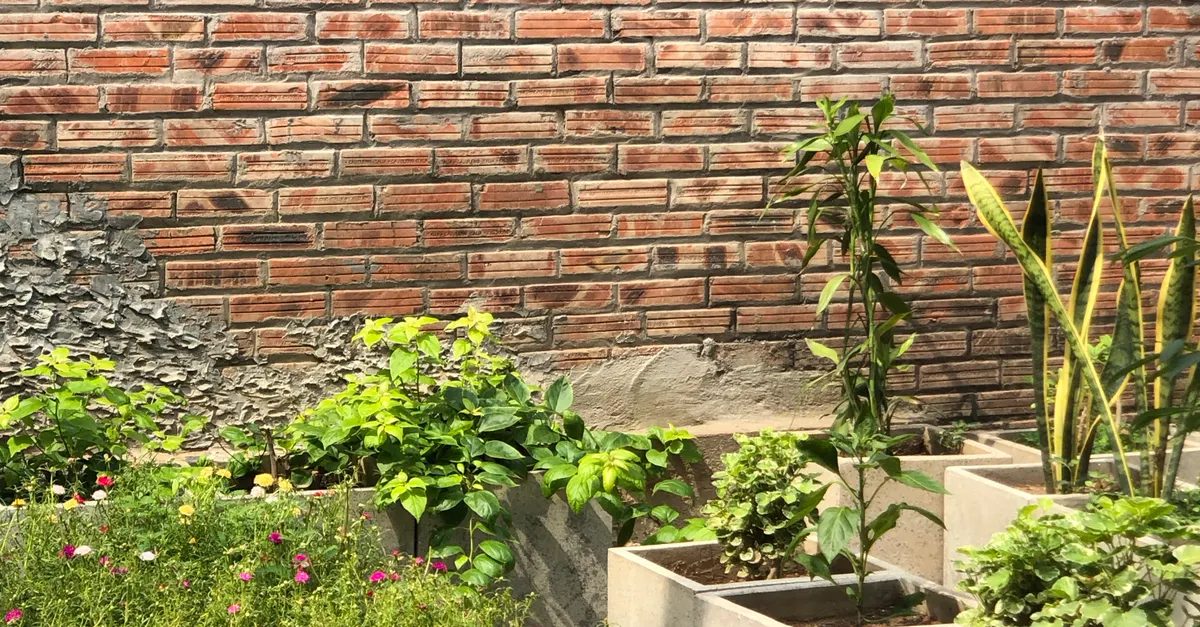
Use the zone on seed packets and plant labels as your first filter — if a perennial is rated for your zone or colder, it should survive your winters.
Step 4
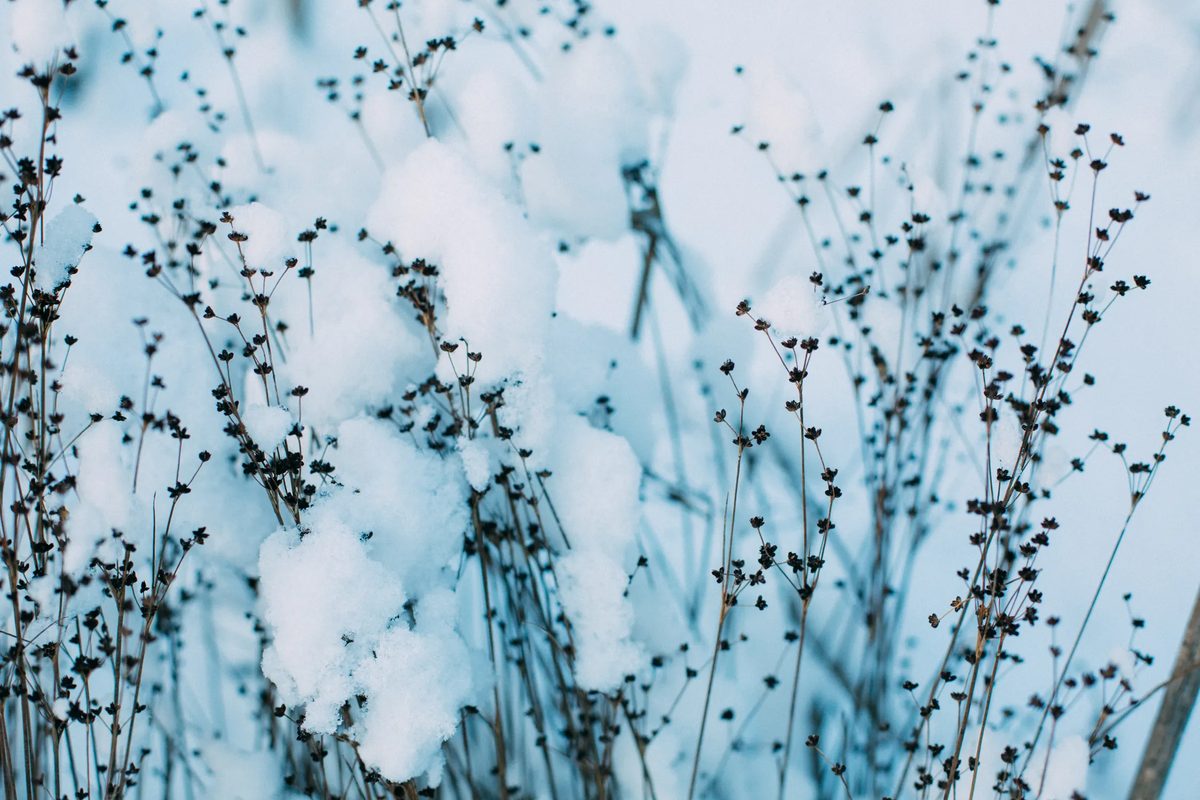
Walk your own garden for microclimates: a south-facing wall runs warmer than the zone map says, and a low dip collects frost — your real zone varies within one yard.
Step 5
After an unusually harsh winter, re-check: if plants rated for your zone died back hard, treat your garden as a half-zone colder when you replace them.
Expert tip
Write down the date you do this. Gardening advice is full of ‘weeks later’ — and the gardeners who improve fastest are the ones who can check what ‘later’ actually was.
Common mistakes
Watch out for
- Using the zone as a planting date — zones describe winter cold, not spring timing.
- Trusting the ZIP result without checking your own coldest night and frost pockets.
- Buying plants rated for a warmer zone and expecting them to survive unprotected.
Keep exploring this topic with What Hardiness Zone Am I In?, or browse the full Planting Zones & Seasonal Planting section.
Frequently asked questions
My ZIP code gives two different zones — which is right?
Border areas genuinely straddle two zones. Use the colder one for plant choices — it is the safer assumption, and sheltered spots in your garden will still behave like the warmer one.
Does my zone ever change?
Zone maps are redrawn as climate data accumulates, and a run of harder or milder winters can shift a boundary. Check for a newer map every few years.