Growing your own vegetables is the single most rewarding upgrade a backyard can get: food steps from the kitchen door, soil that improves every year, and a reason to be outside in every season. The good news is that a productive vegetable garden is not complicated — it is a short sequence of decisions, each one simple, taken in the right order. This hub guide walks through all of them.
1. Choose the right spot
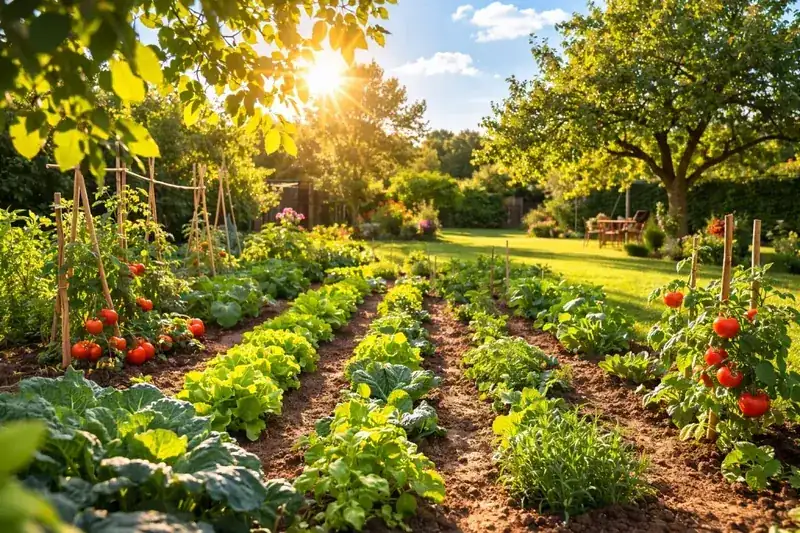
Vegetables are sun worshippers. Pick the sunniest ground you have — at least 6 hours of direct sun, ideally 8 — within reach of a tap or hose, and visible from the house (gardens you can see get watered). Avoid frost pockets at the bottom of slopes and the root zone of big trees. If the whole yard is shady, start with leafy crops and herbs, which tolerate part shade.
2. Know your zone and your frost dates
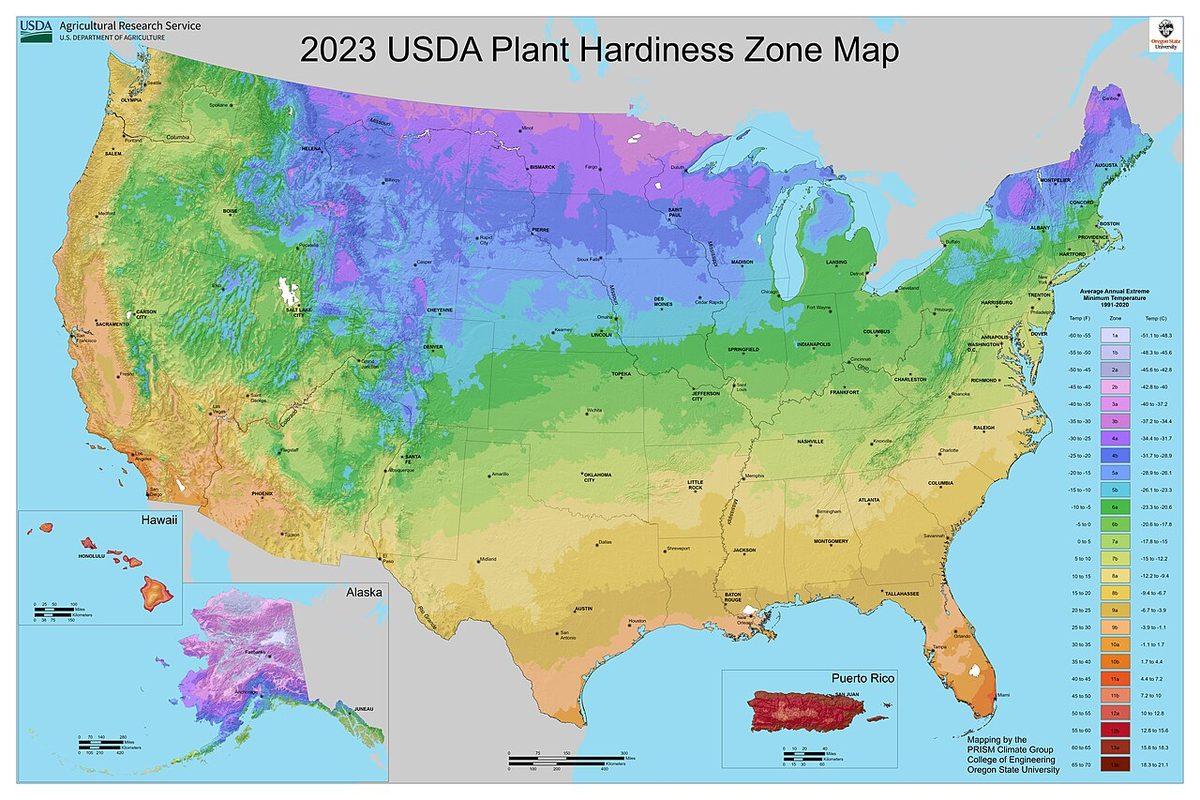
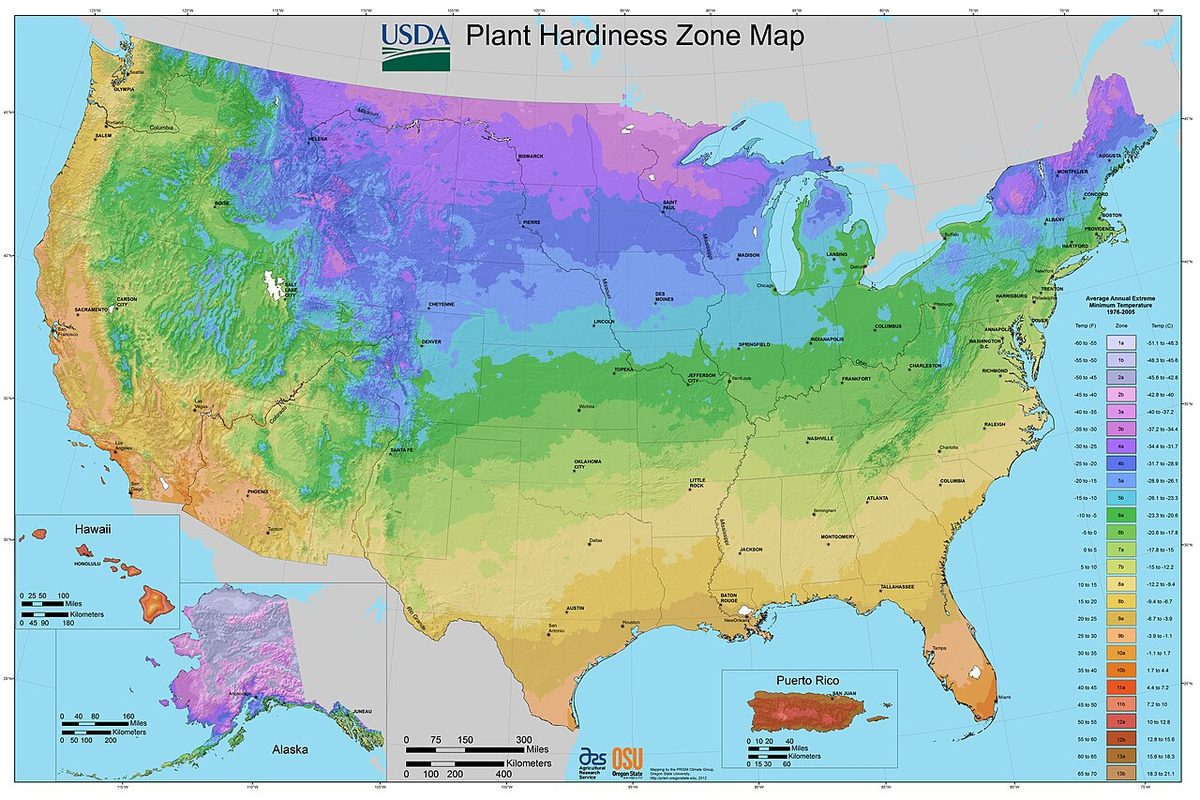
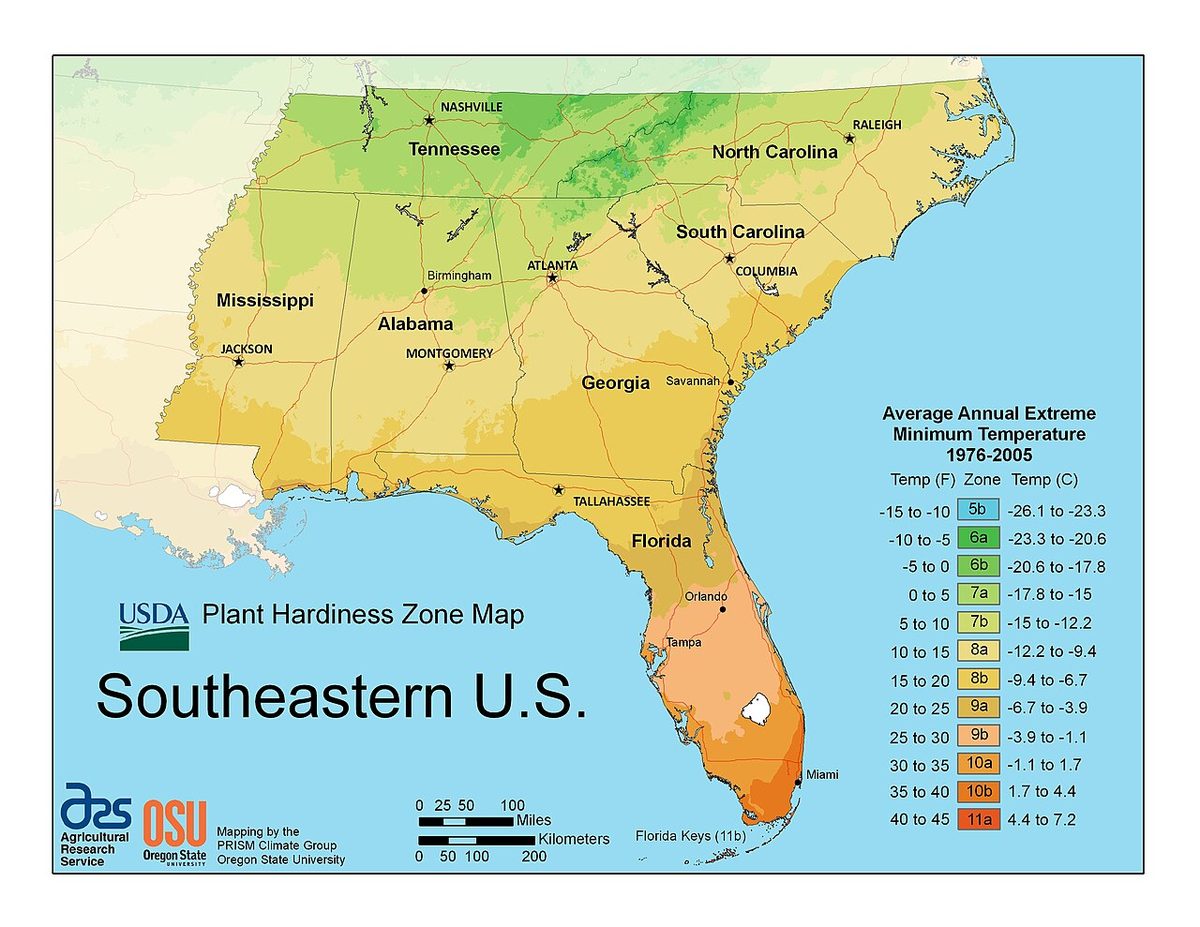
Your hardiness zone decides which perennial plants survive winter; your last-frost date decides when tender crops go out. Look both up before ordering a single seed packet — start with Planting Zones by Zip Code and the seasonal lists such as What to Plant in August.
3. Build the beds
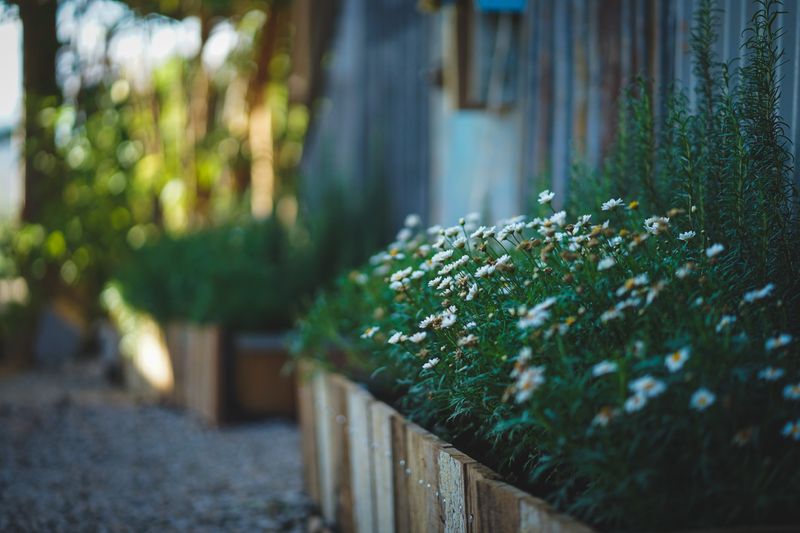
For most backyards, raised beds win: warm soil, no compaction, tidy paths. One 4 × 8 ft bed, 10–12 inches deep, is the perfect starter size — you can reach the middle from both sides without stepping on the soil. Our build guide, Building a Raised Garden Bed, covers timber, fixings and filling in an afternoon.
4. Make soil worth growing in
Fill beds with roughly 60% topsoil, 30% compost, 10% aeration (coarse sand, perlite or leaf mold). Soil is a living system, not a substrate: feed it with compost every season and it will feed everything else. The soil calculator tells you exactly how much to order.
Expert tip
Never work soil when it is wet enough to stick to the spade in clods — you will squeeze out the air pockets roots need, and the damage lasts all season. Squeeze a handful: it should crumble, not smear.
5. Plan what goes where
Group crops by family and rotate them yearly — see What Is Crop Rotation? Put tall crops (beans, sweetcorn, tomatoes) on the north side so they do not shade the rest. Use companions deliberately: marigolds by the tomatoes, basil underneath, and potatoes partnered as described in Companion Gardening: Potatoes.
6. Sow and plant correctly
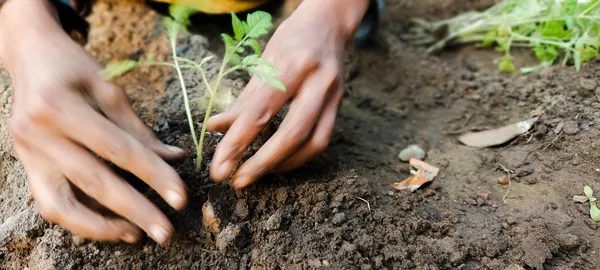
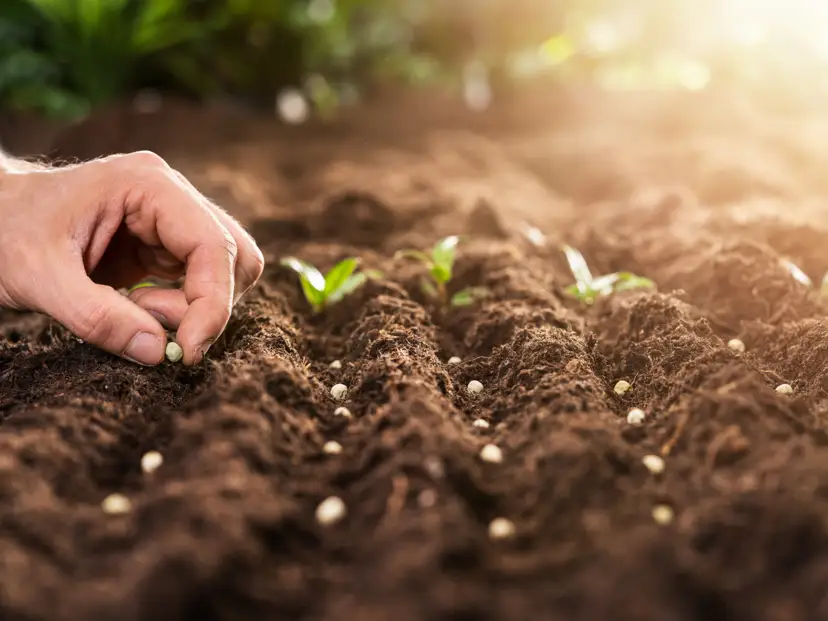
The universal rule: sow seed about twice as deep as the seed is wide. Firm the soil, water with a fine rose, and keep it evenly moist until germination. How to Sow compares drills, broadcast sowing and modules; Planting a Seed covers the basics step by step.
7. Water deeply, mulch always
Most vegetables want the equivalent of an inch of water a week, delivered in one or two deep soakings rather than daily sprinkles. Finish every bed with 2–3 inches of mulch — use the mulch calculator for quantities — and weeds, drought stress and soil splash largely disappear.
8. Feed, watch, harvest
Walk the garden every couple of days. Pick off pests early (see How to Get Rid of Squash Bugs), feed fruiting crops once they flower, and harvest little and often — beans, zucchini and greens produce more the more you pick.
Common mistakes to avoid
- Starting too big. One well-kept bed beats five weedy ones; expand next year.
- Planting everything on one weekend. Succession-sow salads and roots every fortnight.
- Ignoring spacing. Crowded plants compete, mildew and sulk. Thin ruthlessly.
- Watering leaves at night. Wet foliage overnight is an open invitation to fungal disease.
Your first-season shopping list
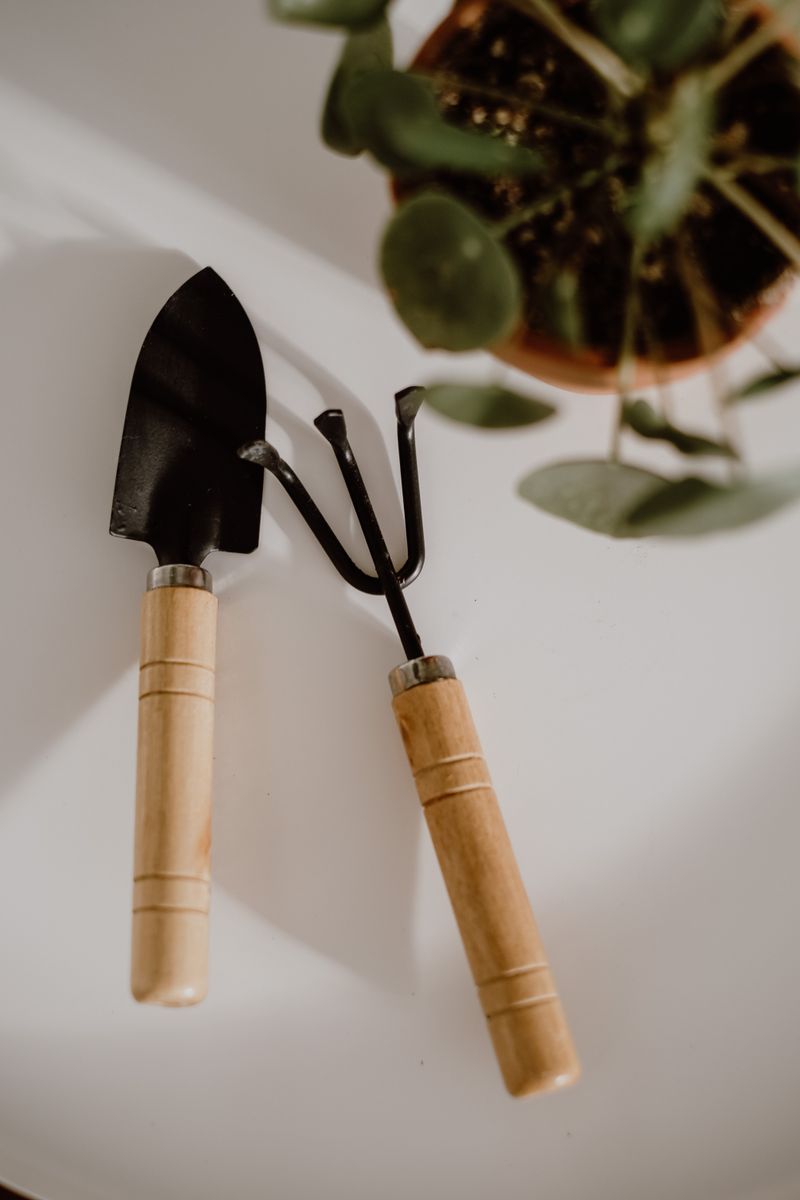
- Spade, fork, rake and a hand trowel — see our Garden Tools & Reviews
- Watering can with a rose, or a hose with a gentle lance
- Compost and topsoil for the first bed
- Seeds: lettuce, radish, beans, zucchini and one tomato variety
- Mulch: straw, bark or leaf mold
- Labels and a notebook — future you says thanks
Frequently asked questions
How much space do I need to start?
One 4 × 8 ft raised bed grows a surprising amount — salads all summer, a bean wigwam and a zucchini or two. Even a sunny patio with pots (see our container guides) counts as a vegetable garden.
When should I start?
Sow hardy crops outdoors in spring once the soil can be worked; tender crops like tomatoes and beans go out after your last frost. Late summer is a second chance — many crops in our August list mature before autumn.
What are the easiest first vegetables?
Radishes (30 days), lettuce, bush beans, zucchini and potatoes forgive beginners. Carrots reward patience — germination takes up to three weeks.
Do I need to rotate crops in a tiny garden?
Yes, in miniature: simply avoid growing the same family in the same spot two years running. Even swapping two beds counts, and it measurably reduces disease.