A plain-English answer, plus the one measurement — your coldest winter night — that settles the question for good. It sounds specialist, but like most gardening it comes down to a few fundamentals done in the right order — this guide walks through them one at a time, with the timings and quantities that actually matter.
What you will need
- An outdoor thermometer, or your memory of the coldest night
- Your ZIP code as a cross-check
- Your average frost dates
- A notebook
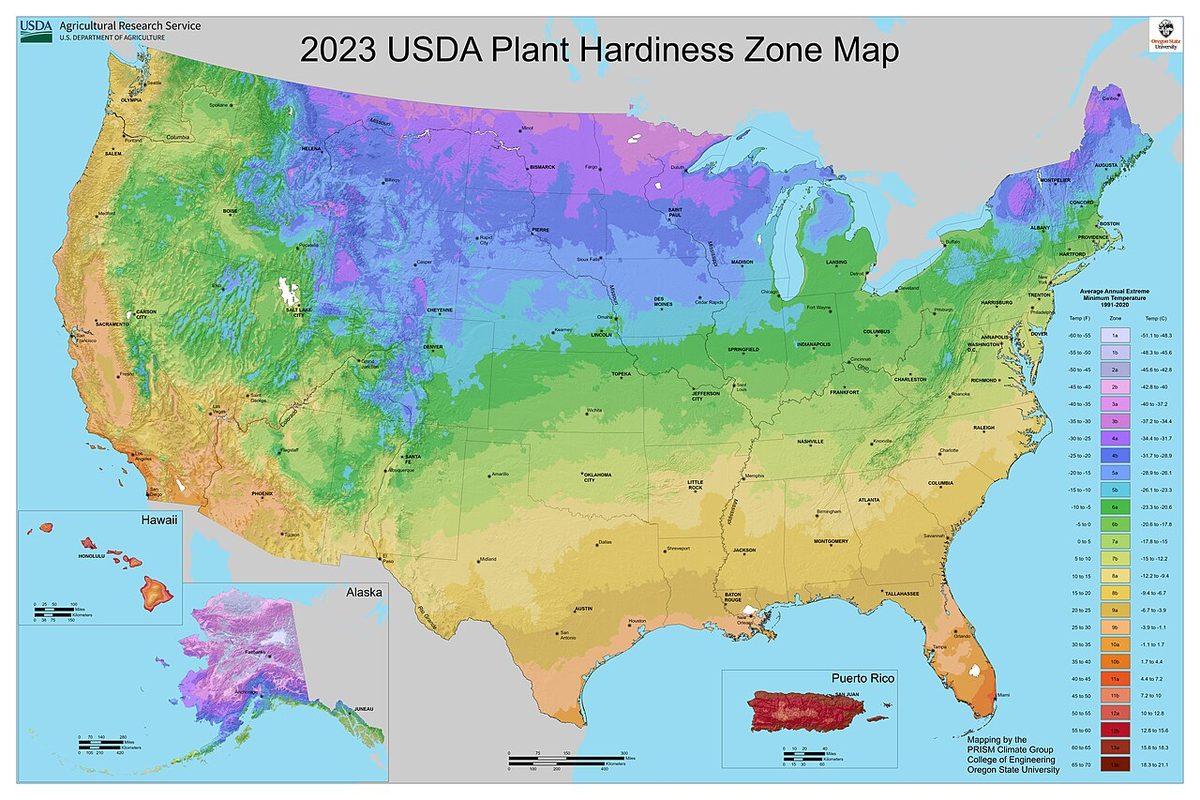
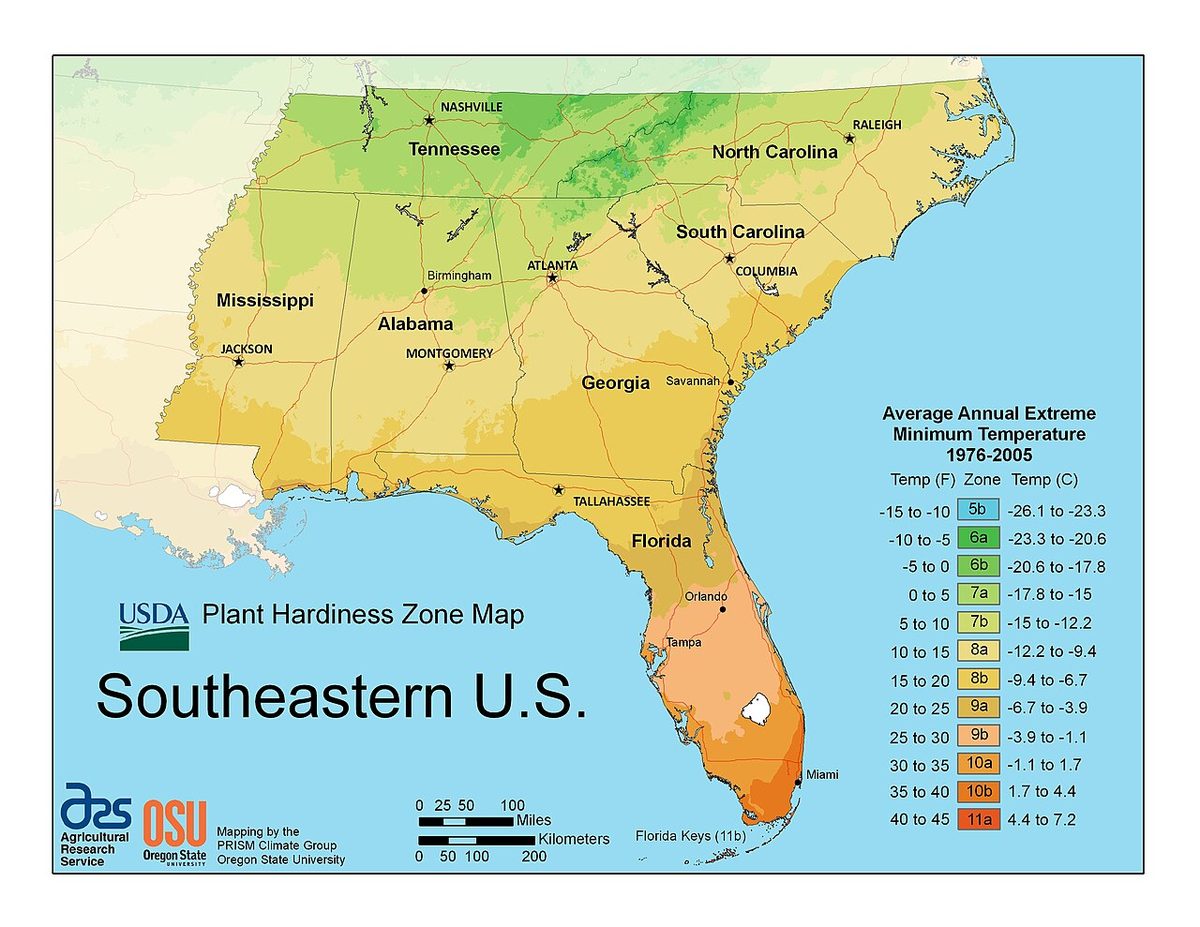
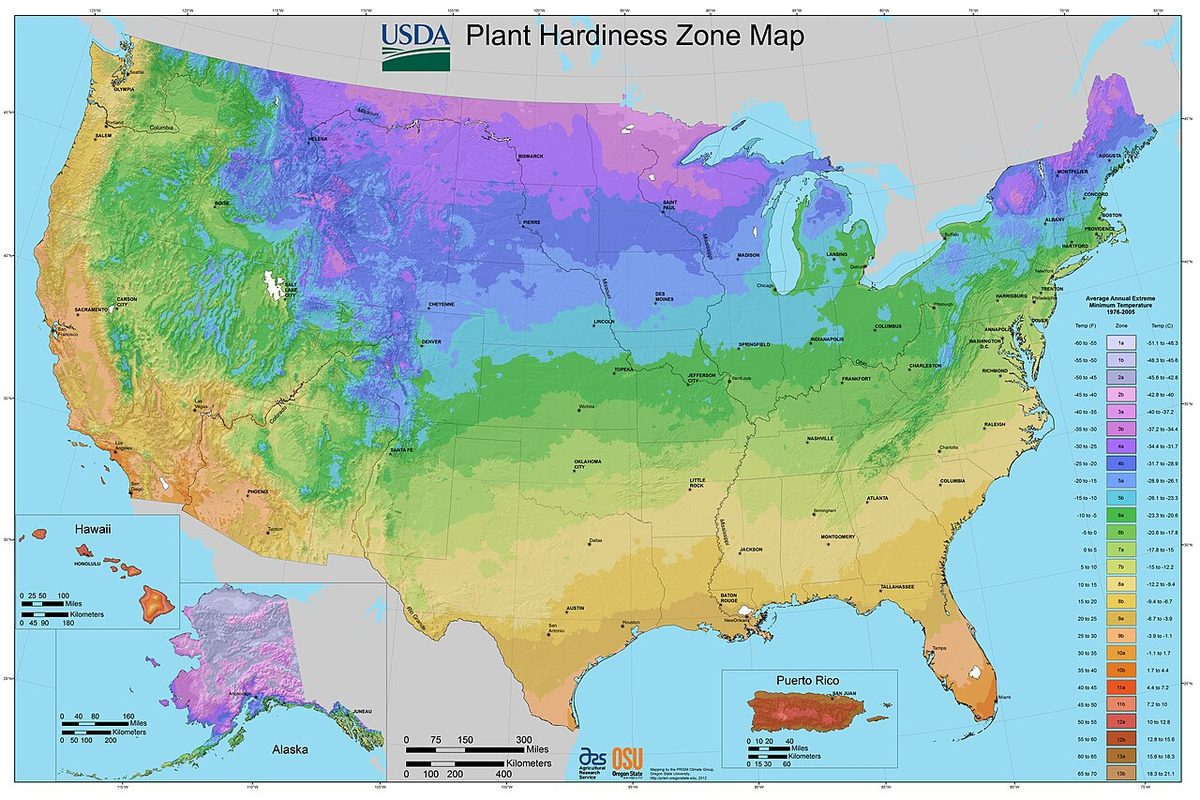
- A current zone map to compare against
Step by step
Step 1
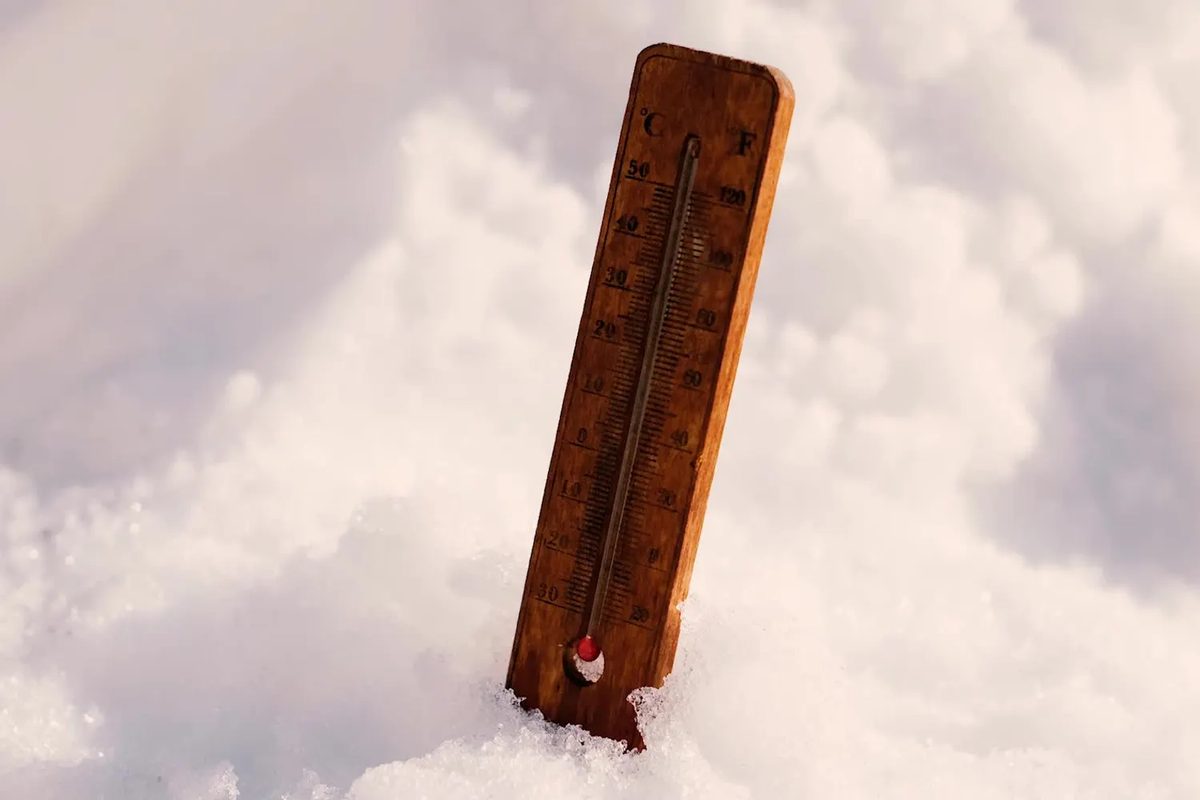
The answer is one measurement: the coldest temperature your garden reaches in a typical winter. Note the lowest reading you remember — that number places you in your zone.
Step 2
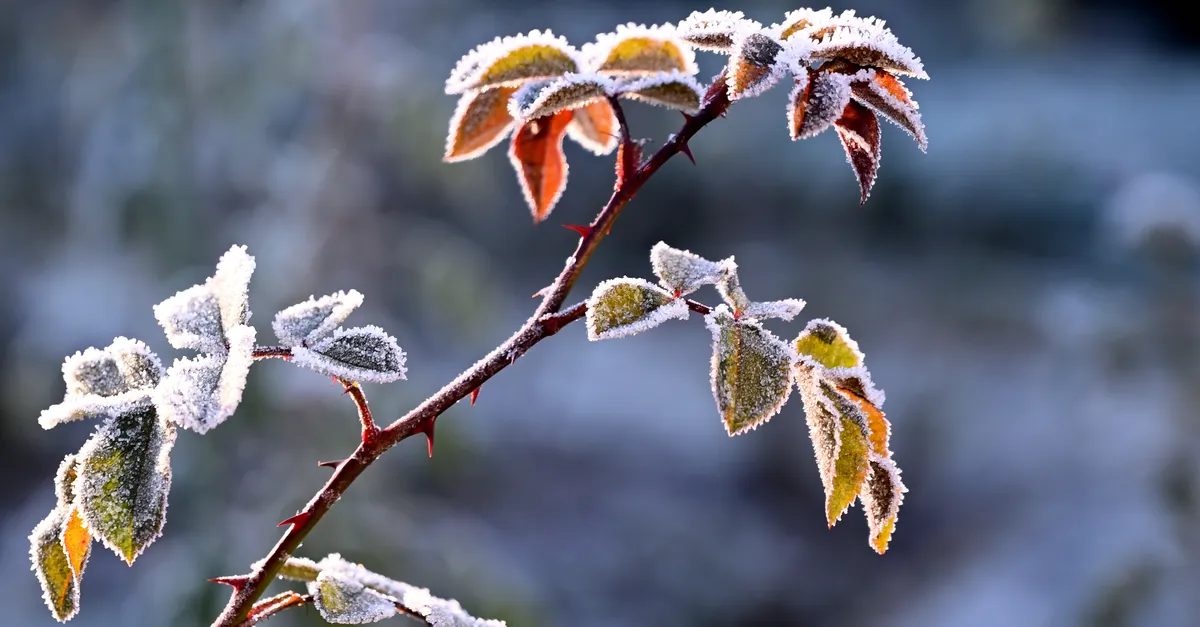
Frost dates and zones answer different questions: your zone is your coldest winter night, while frost dates mark the safe planting window — write both down, and do not swap them.
Step 3
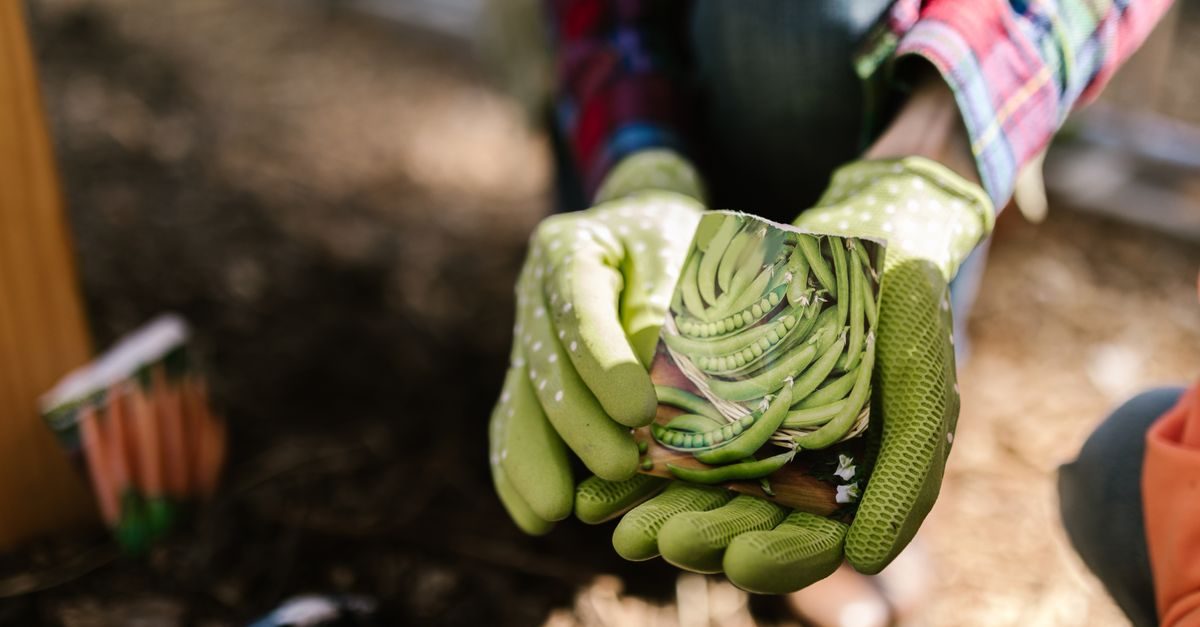
Seed packets and labels carry zone numbers — match them to your own coldest-night number, and choose plants rated for your zone or one colder for a safety margin.
Step 4
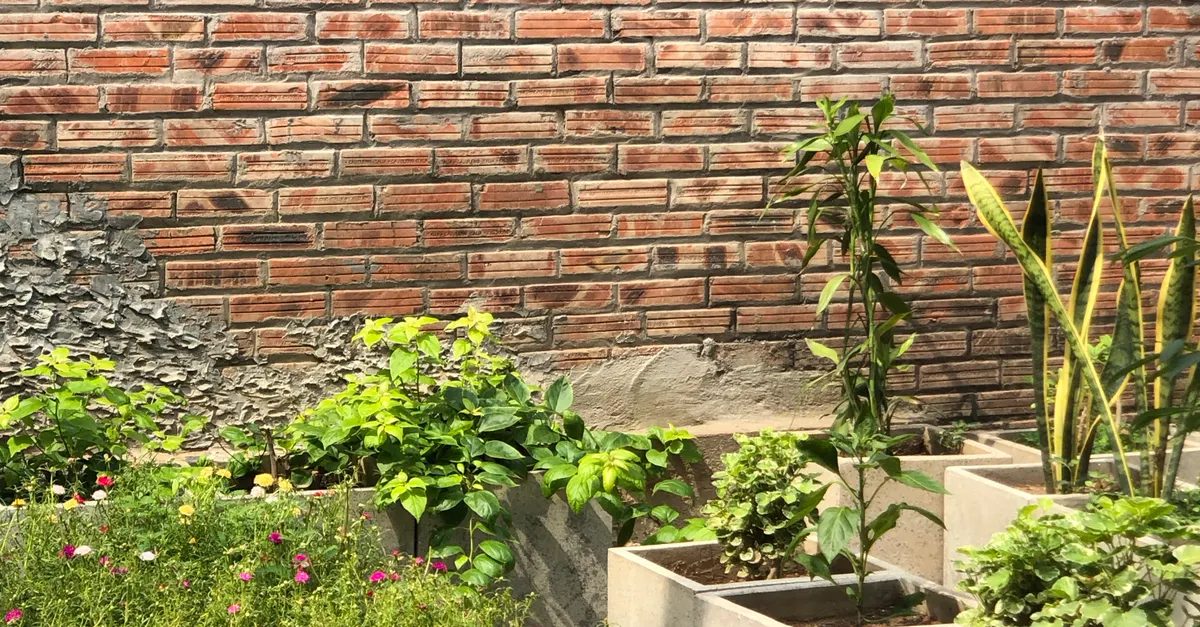
Your zone is a starting point, not a verdict: the warm pocket by a south-facing wall and the cold dip at the bottom of a slope each behave like a different zone.
Step 5
One brutal winter can reset the answer: if established plants die back to the ground, your garden behaved colder than its zone, and next year’s choices should respect that.
Expert tip
Write down the date you do this. Gardening advice is full of ‘weeks later’ — and the gardeners who improve fastest are the ones who can check what ‘later’ actually was.
Common mistakes
Watch out for
- Guessing from summer weather — zones are about winter cold only.
- Using one freak mild winter as your answer — zones use average coldest nights over many years.
- Forgetting frost pockets — the lowest corner of a garden can run several degrees colder.
Keep exploring this topic with Planting Zones by Zip Code: Find Your Growing Zone, or browse the full Planting Zones & Seasonal Planting section.
Frequently asked questions
Can I work out my zone without a ZIP code?
Yes. Your zone is set by your average coldest winter night, so a thermometer’s lowest winter reading over a few years places you just as well as any lookup.
I am on a zone boundary — what should I do?
Choose plants rated for the colder of the two zones. The colder rating is insurance, and your warmest spots will still suit borderline plants.