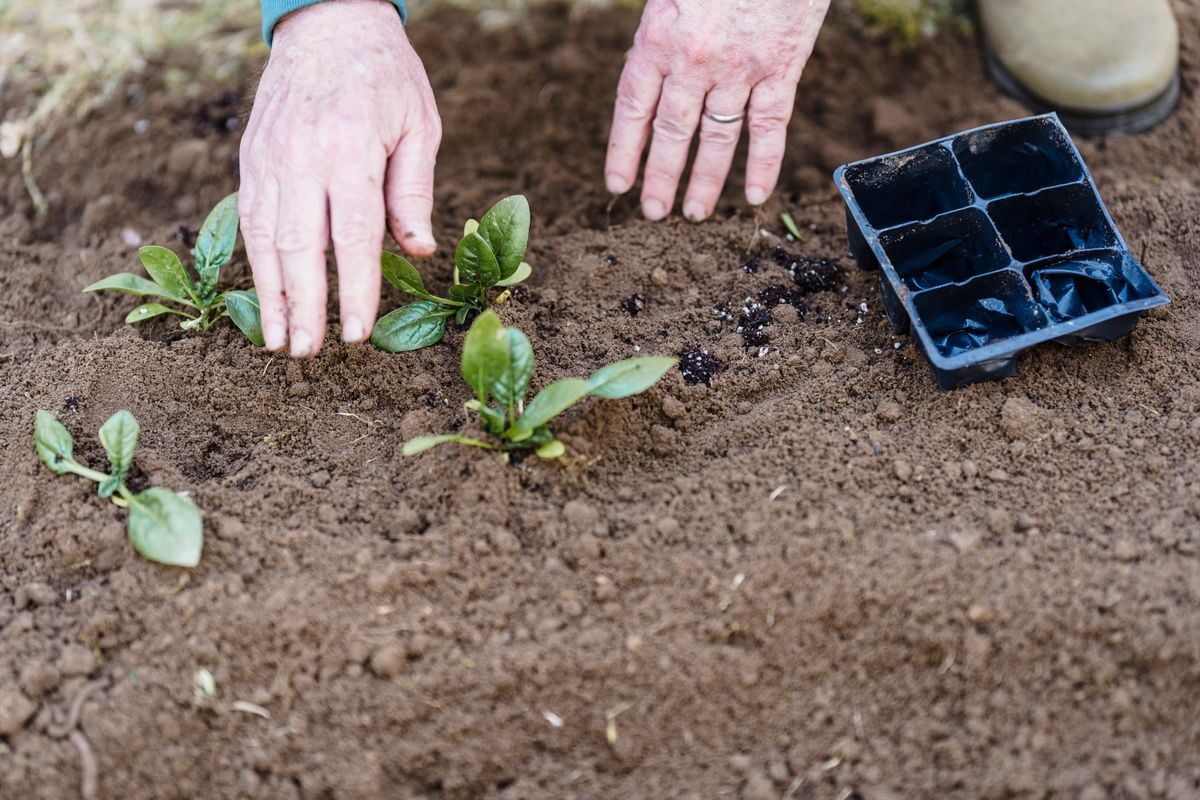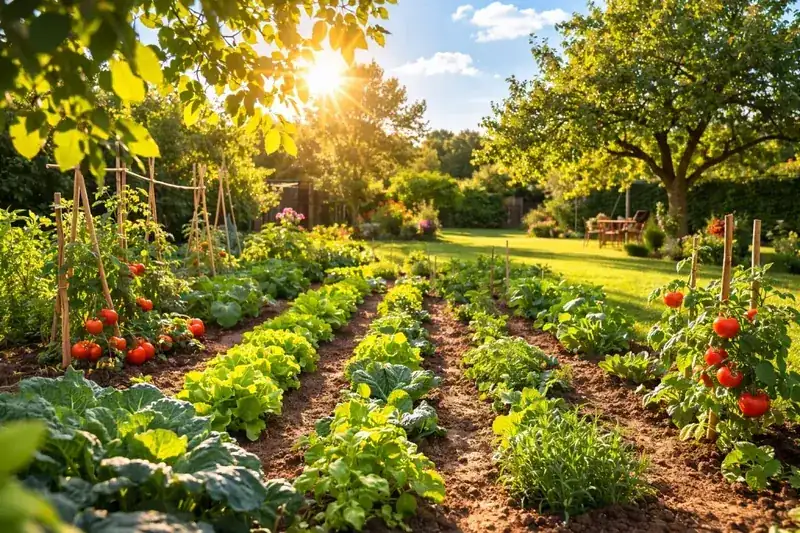
How to Start a Vegetable Garden
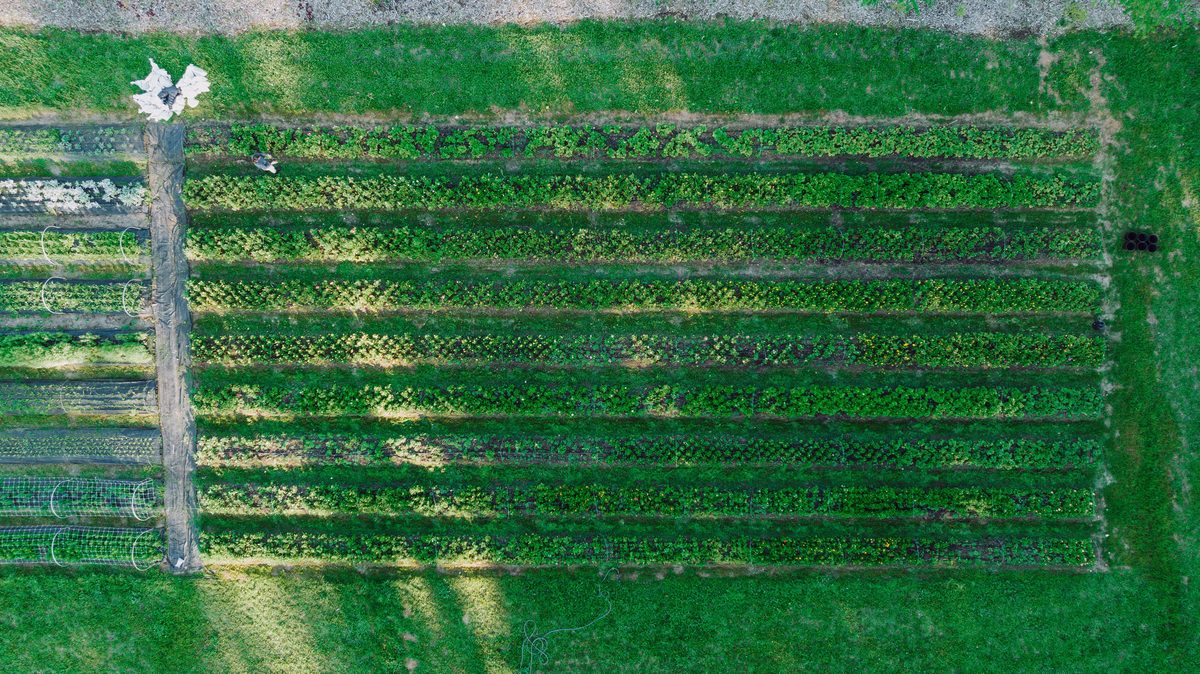
Our complete hub guide: choosing the spot, building soil, planning beds and sowing your first crops — the article every other guide on this site links back to.
Home › All Guides
The complete library
Every article on Backyard Garden Guide in one place — filter by pillar to find exactly the how-to you need.
Our complete hub guide: choosing the spot, building soil, planning beds and sowing your first crops — the article every other guide on this site links back to.
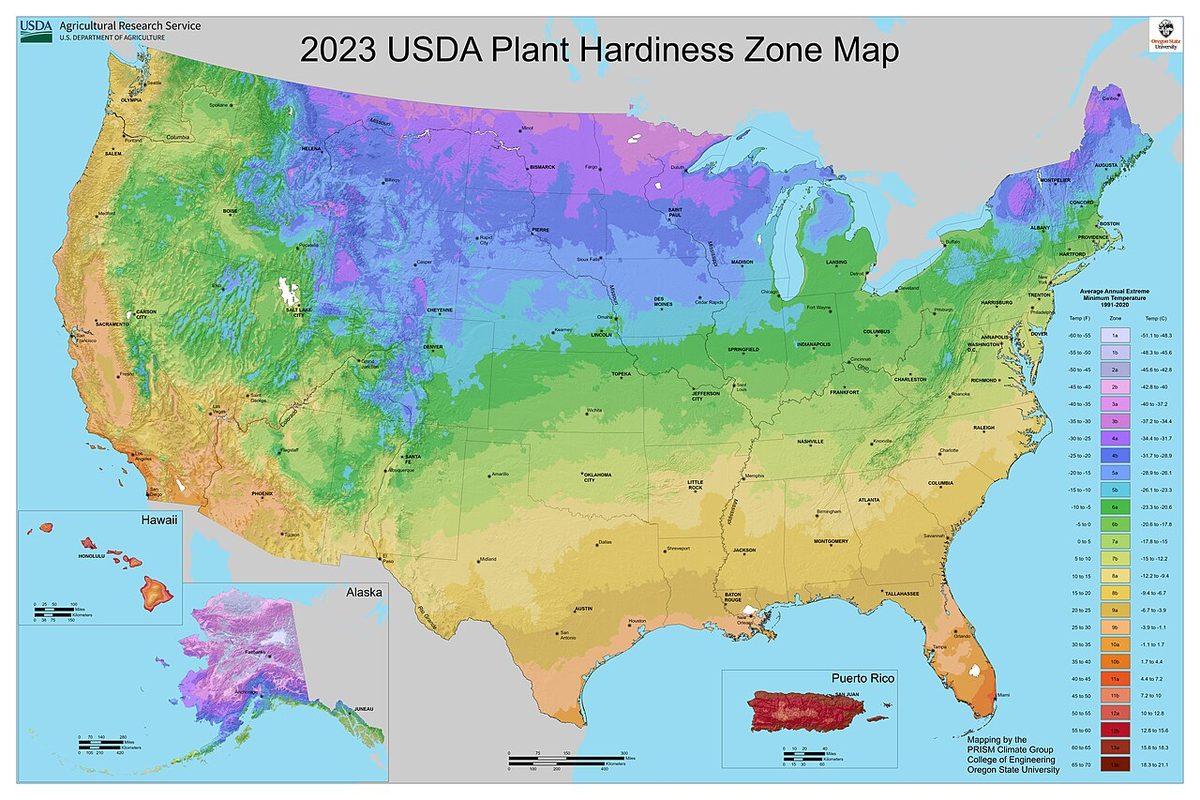
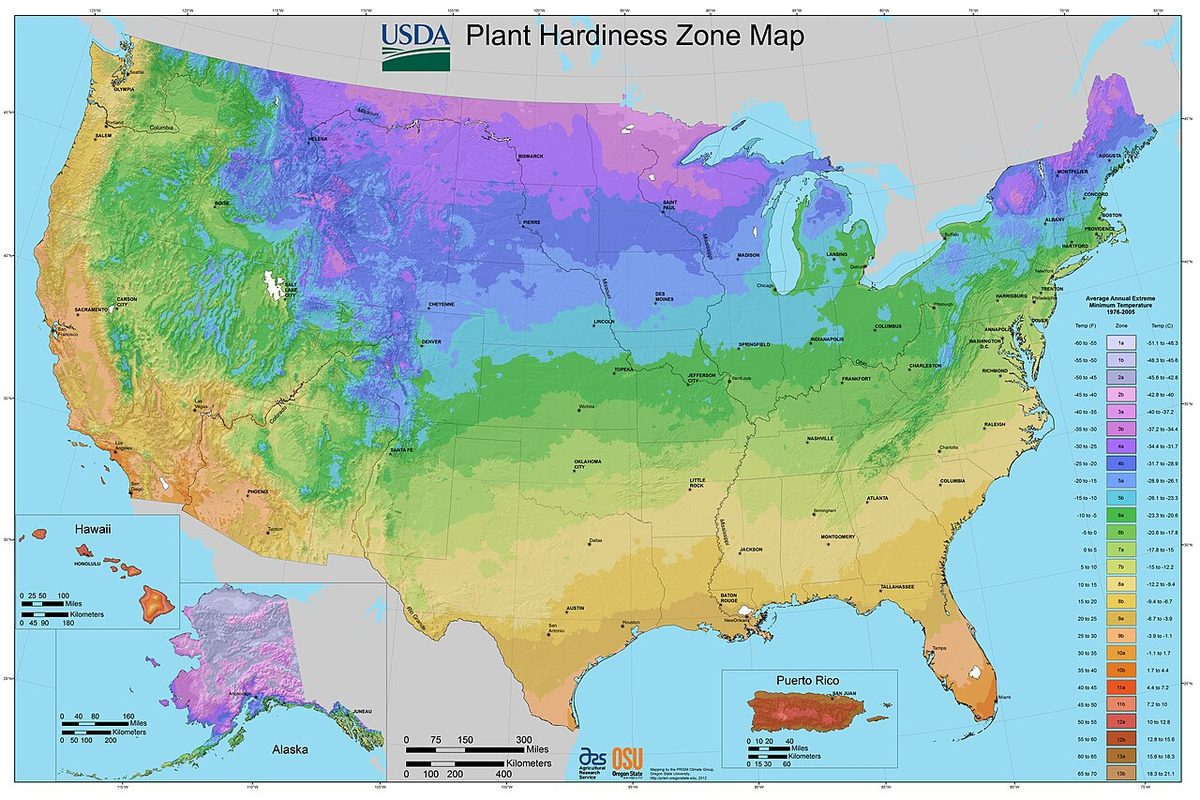
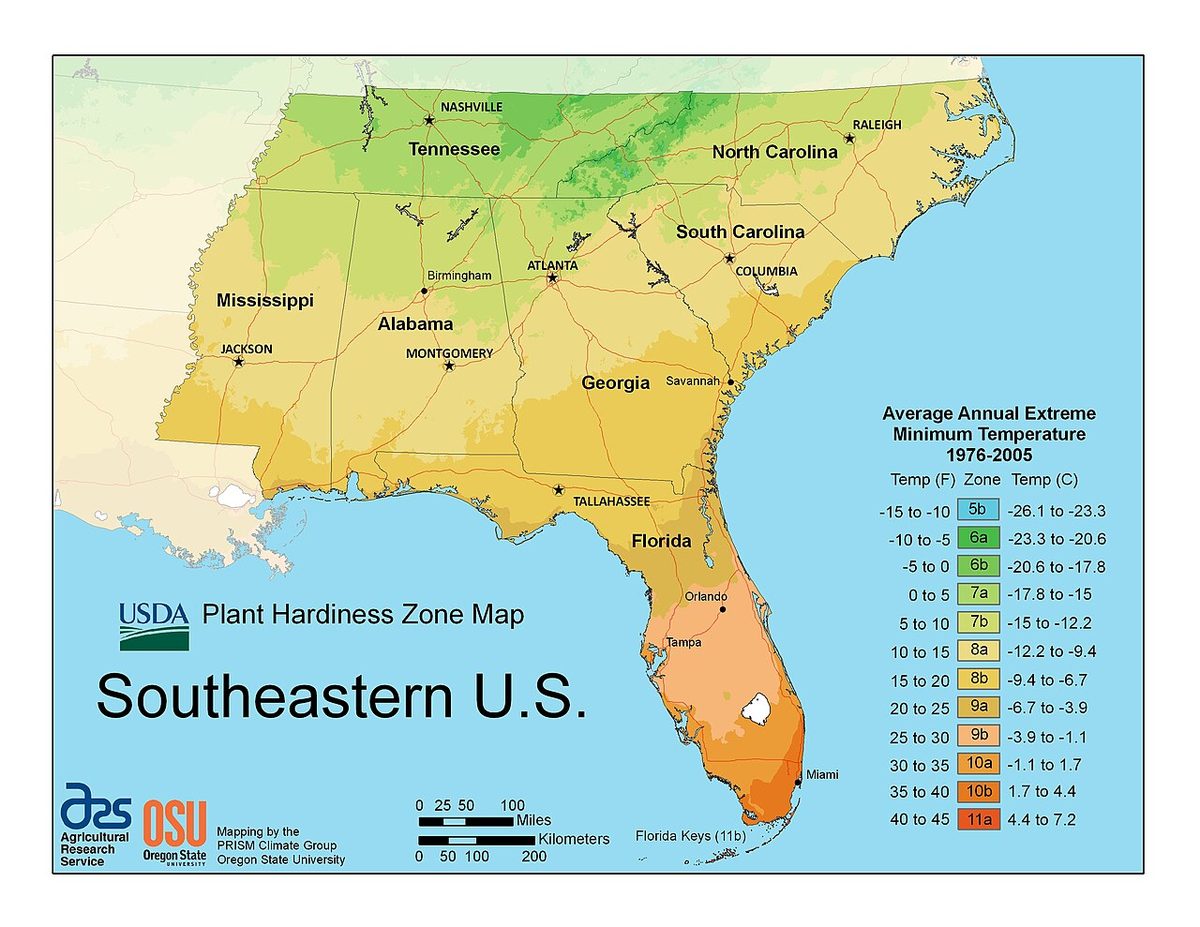
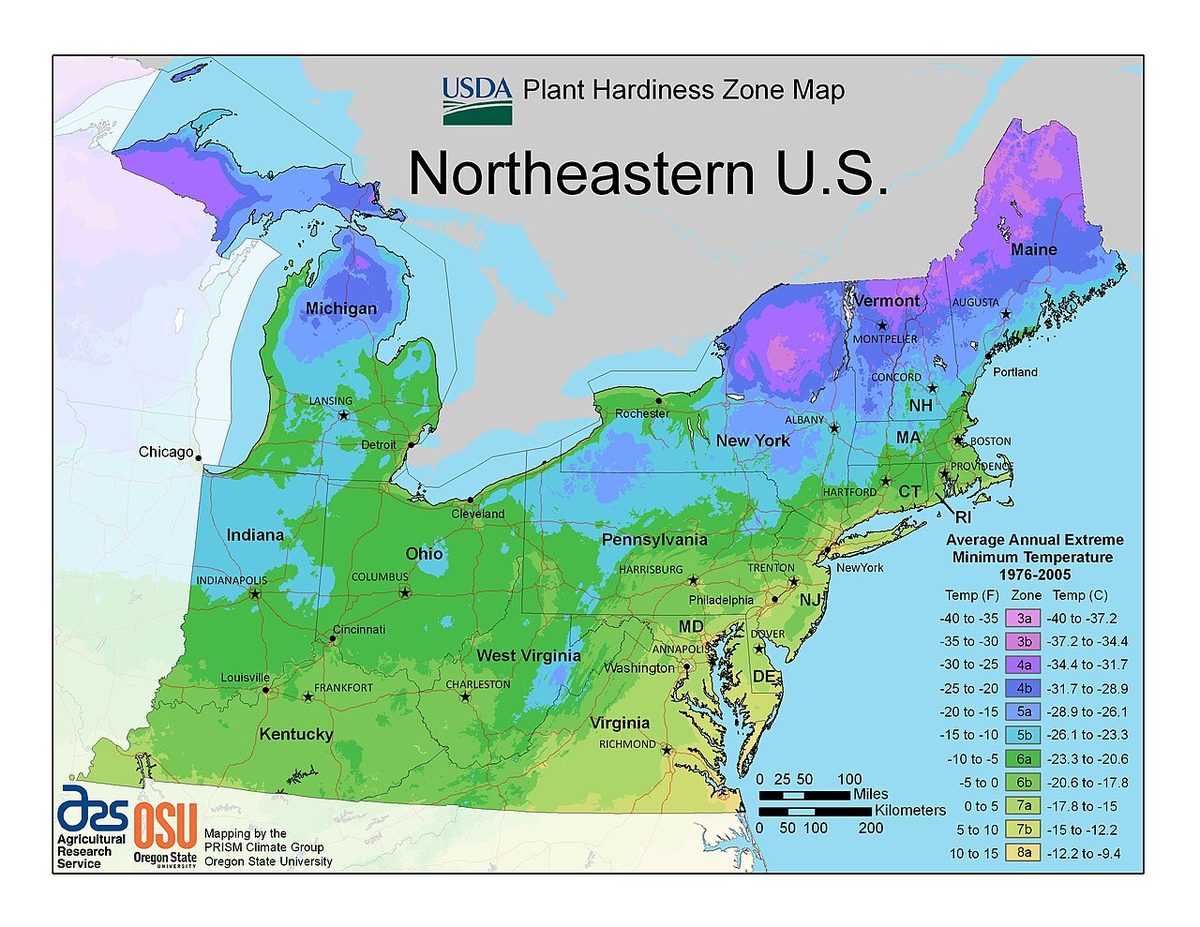
Your ZIP code points to a hardiness zone, and that zone decides what survives winter. Here is how zones work and how to use yours.
A plain-English answer, plus the one measurement — your coldest winter night — that settles the question for good.
How to read a growing zones map, what the a/b halves mean, and why microclimates bend the rules on real streets.
A second route to the same answer: matching ZIP ranges to zones and checking them against your own frost dates.
August is not the end of the season — it is a second spring. Fast greens, roots and herbs you can still sow now.
Zone 6b in detail: frost dates, the crops that love its long season, and the marginal plants worth protecting.
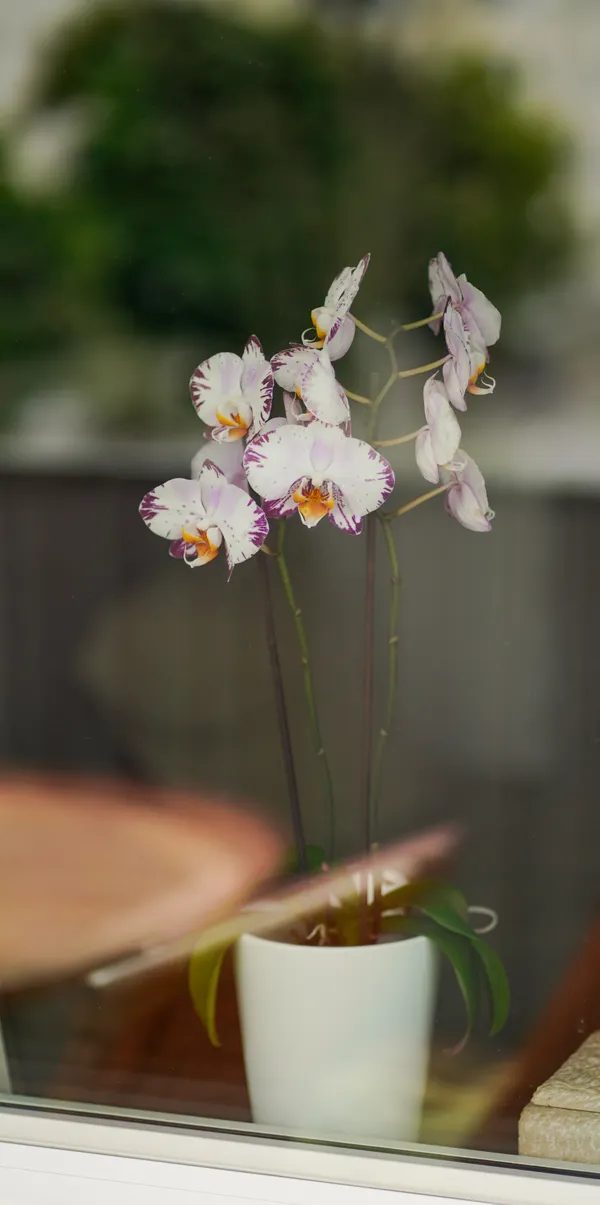
Flowering indoors is mostly a light problem. The plants that genuinely bloom on a windowsill — and how to keep them going.
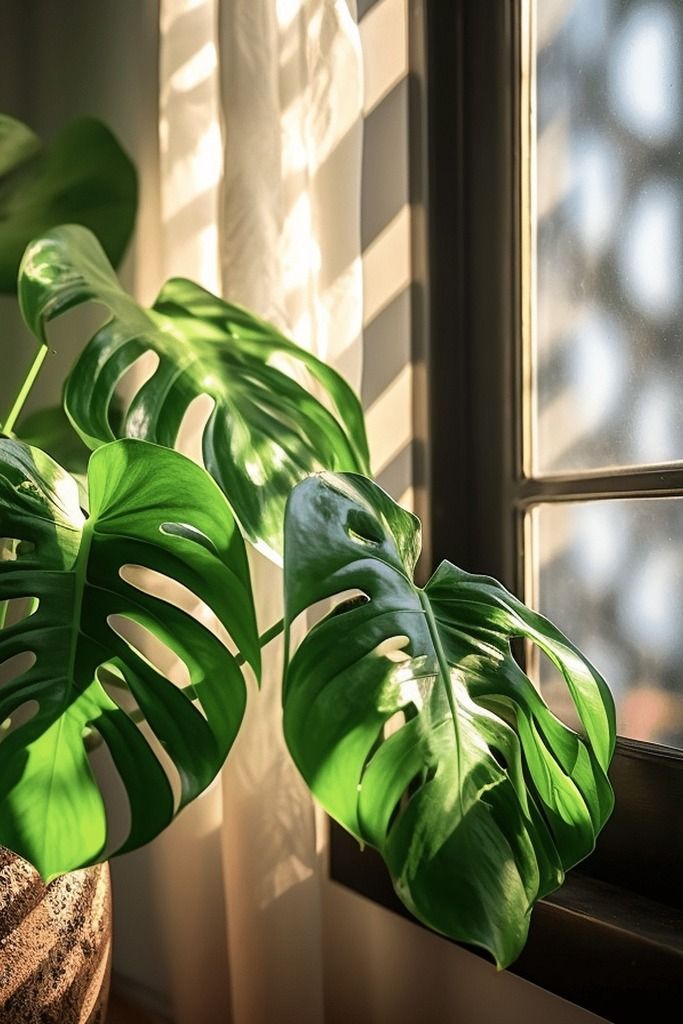
Flowers come and go; foliage is forever. Choosing, placing and feeding the leafy plants that carry a room.
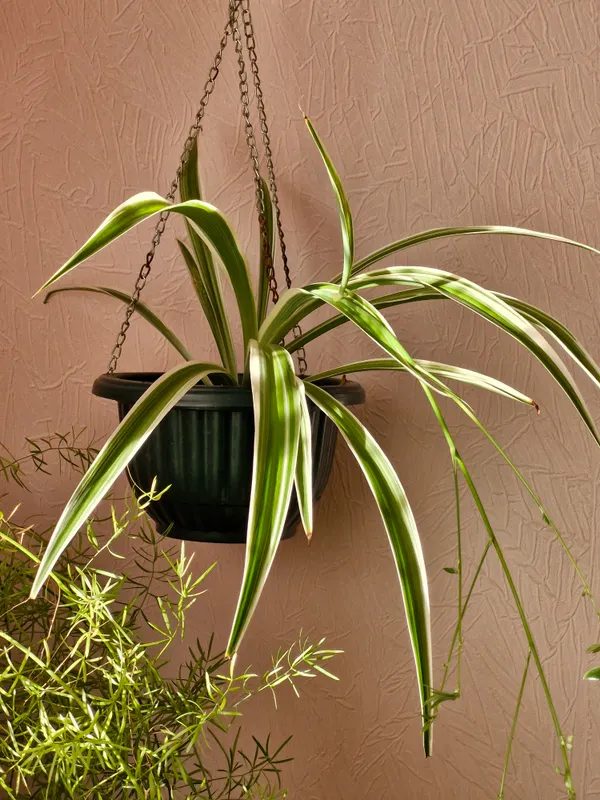
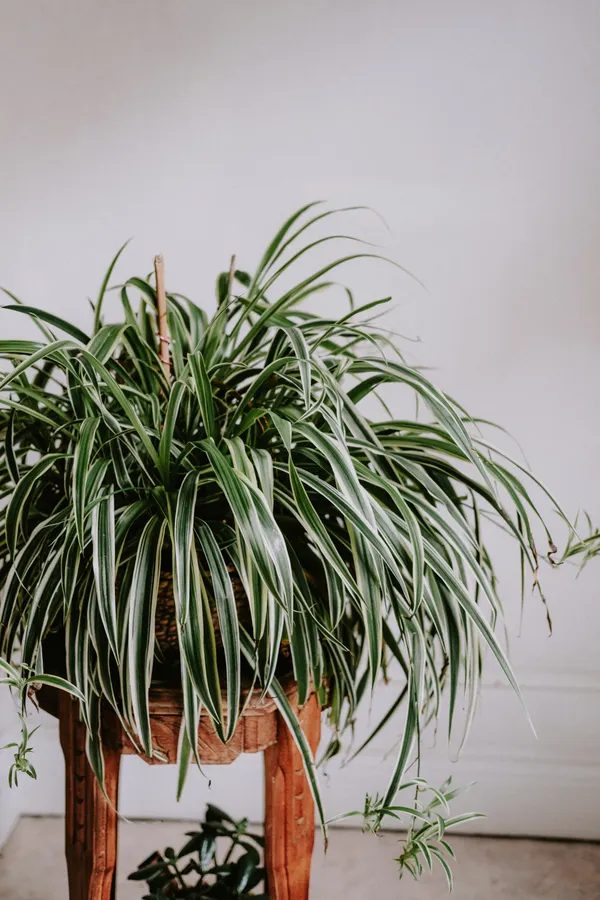
The airplane plant — better known as the spider plant — is the forgiving classic. Light, water, babies and brown tips, solved.
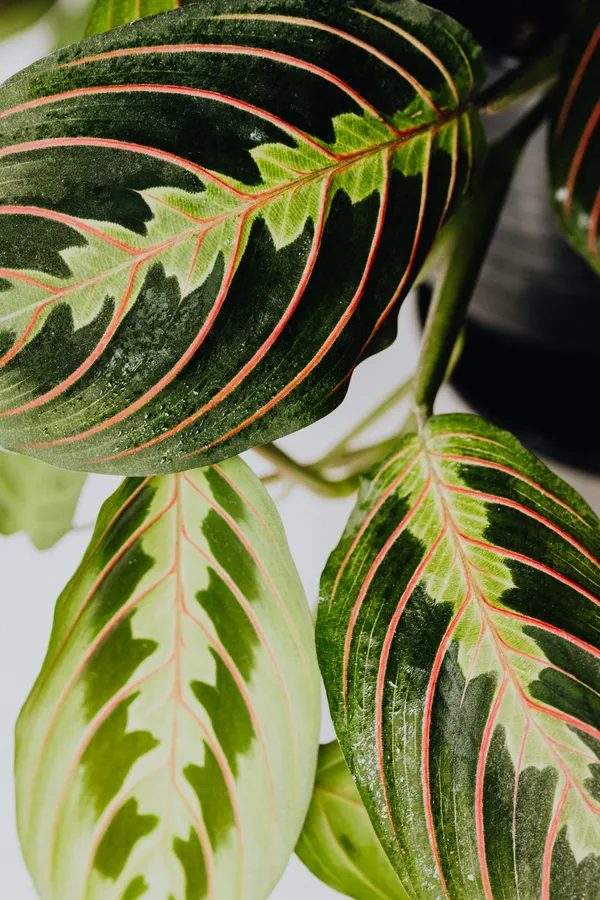
Why maranta leaves fold at night, the humidity trick that stops crispy edges, and the water it actually wants.
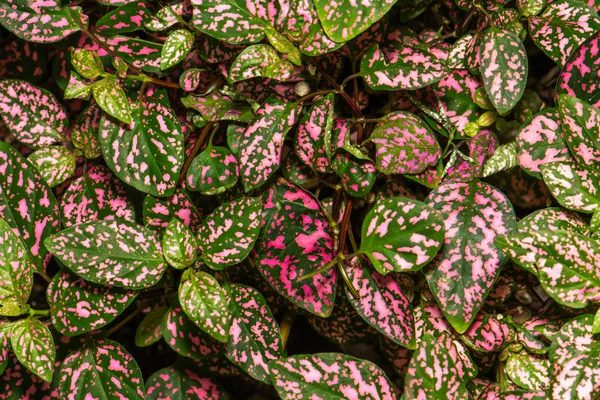
Pinching, light and the legginess fix for the cheerful little polka dot plant.
The complete spider plant routine: bright indirect light, soak-and-dry watering, and propagating the plantlets.
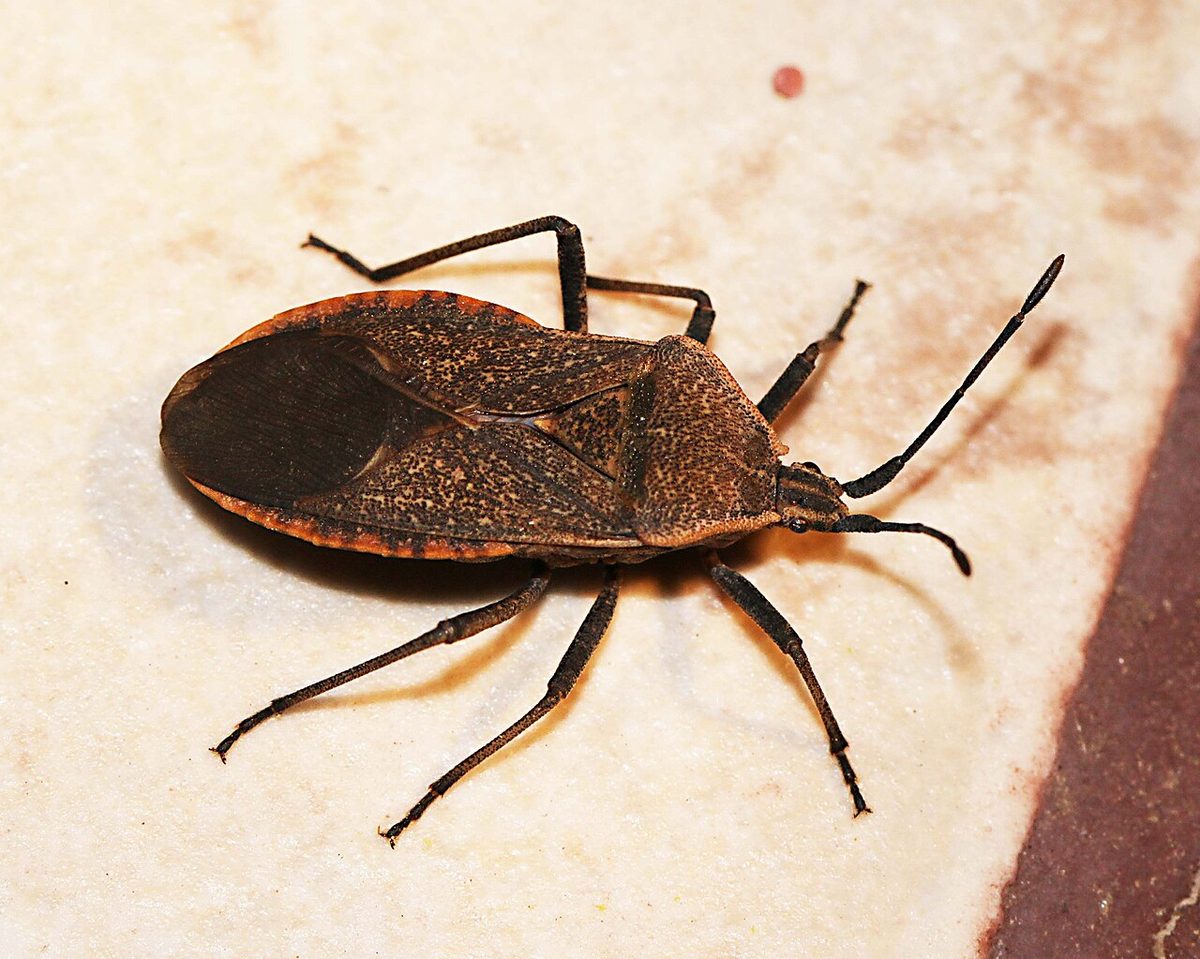
Squash bugs can end a zucchini season in a fortnight. Egg patrol, traps and the controls that actually work.
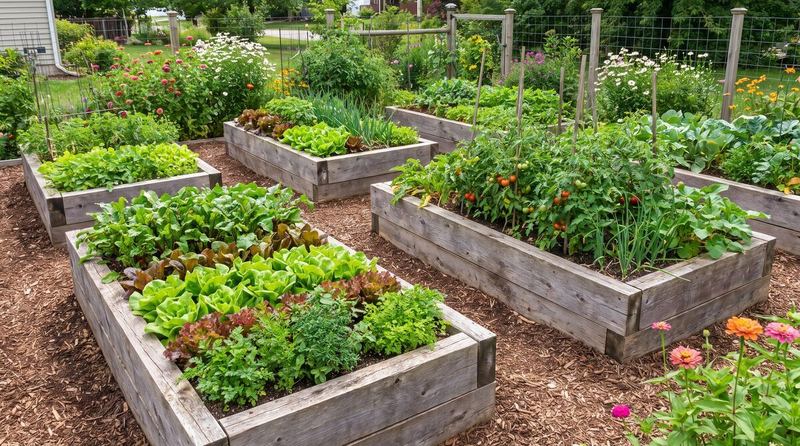
Timber, screws and one free afternoon: the step-by-step raised bed build behind half the photos on this site.
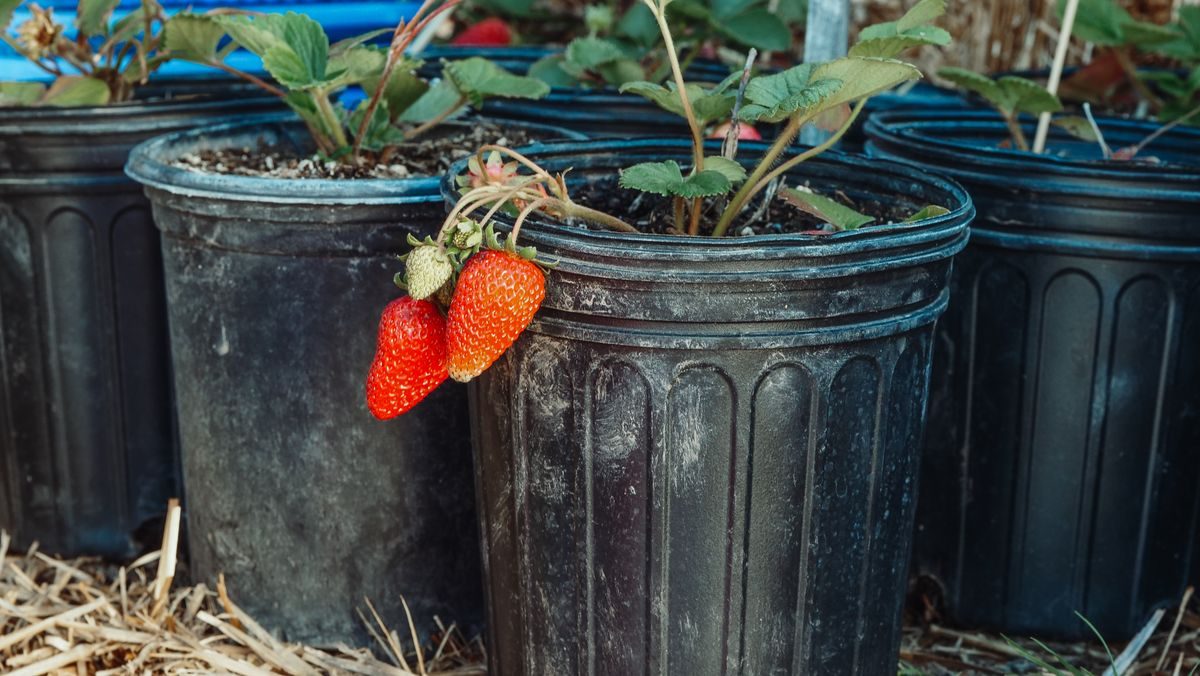
Varieties, pot size, the soil mix strawberries insist on, and feeding for fruit instead of runners.
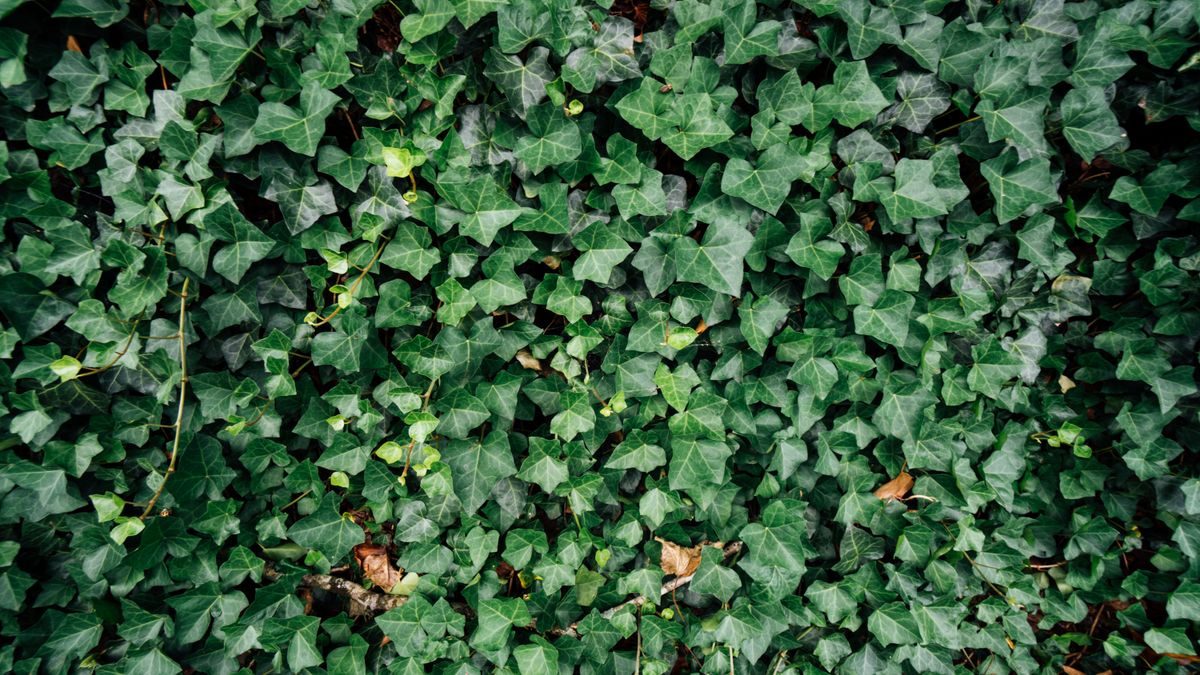
Slopes, shade and awkward corners: evergreen ground covers that knit together and suppress weeds in every season.
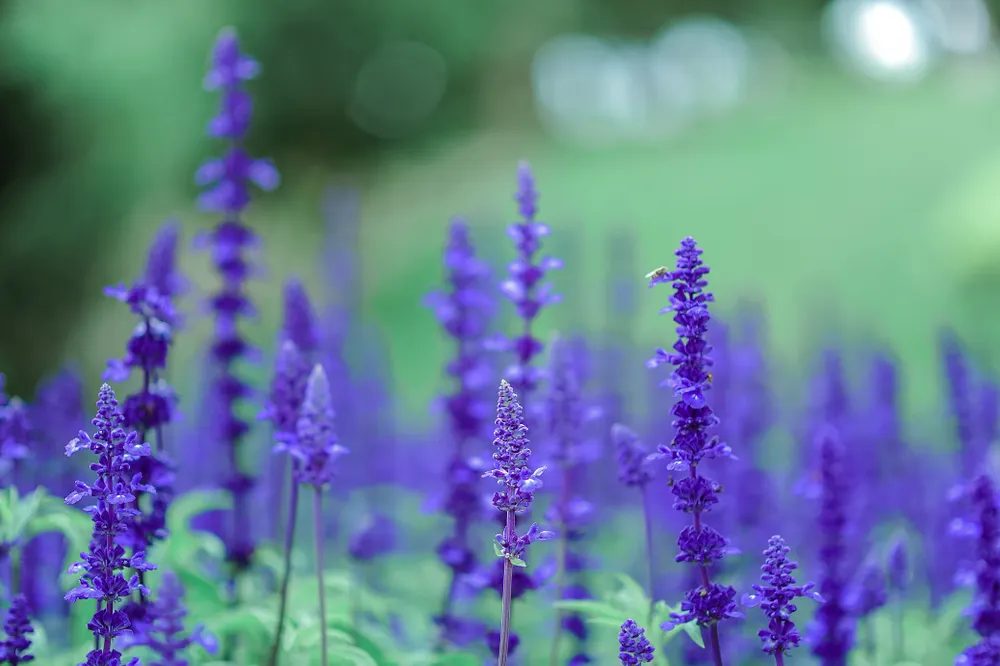
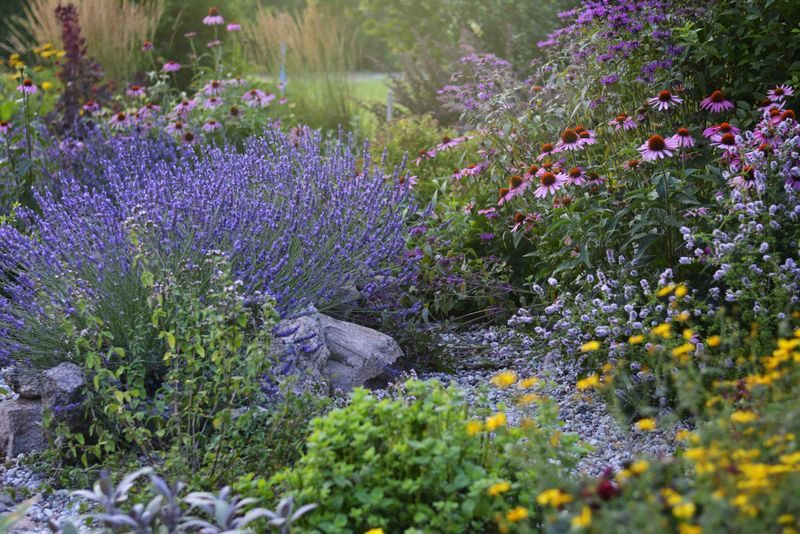
Lavender, salvia, alliums and friends — purple perennials that return every year and pair with everything.
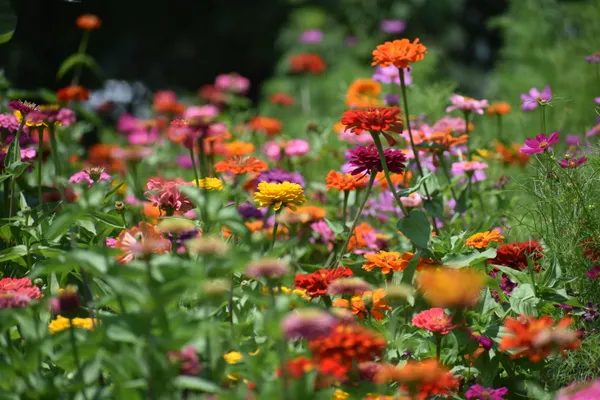
The reliable summer bloomers, sequenced so something is always in flower from June to September.
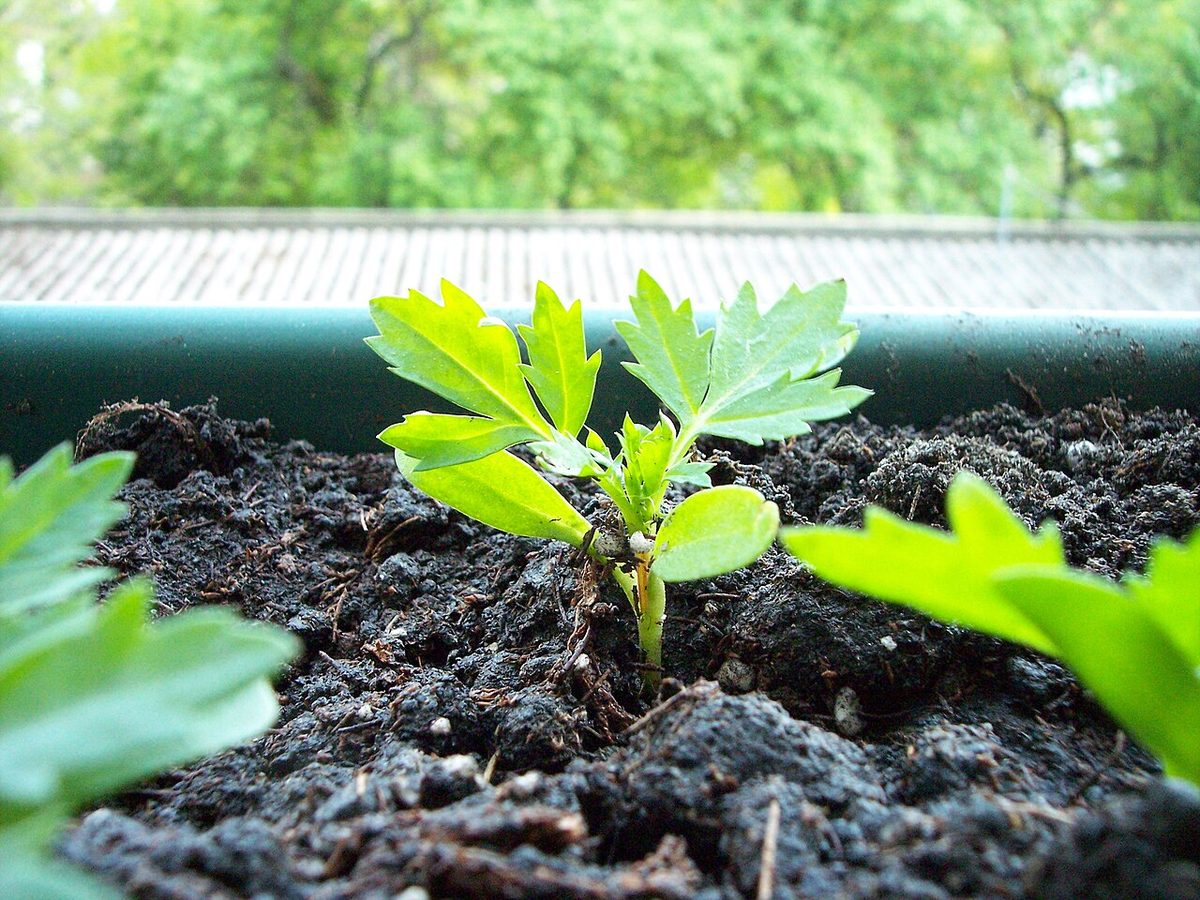
Marigolds guard the vegetable patch and ask almost nothing. Sowing depth, spacing and saving seed.
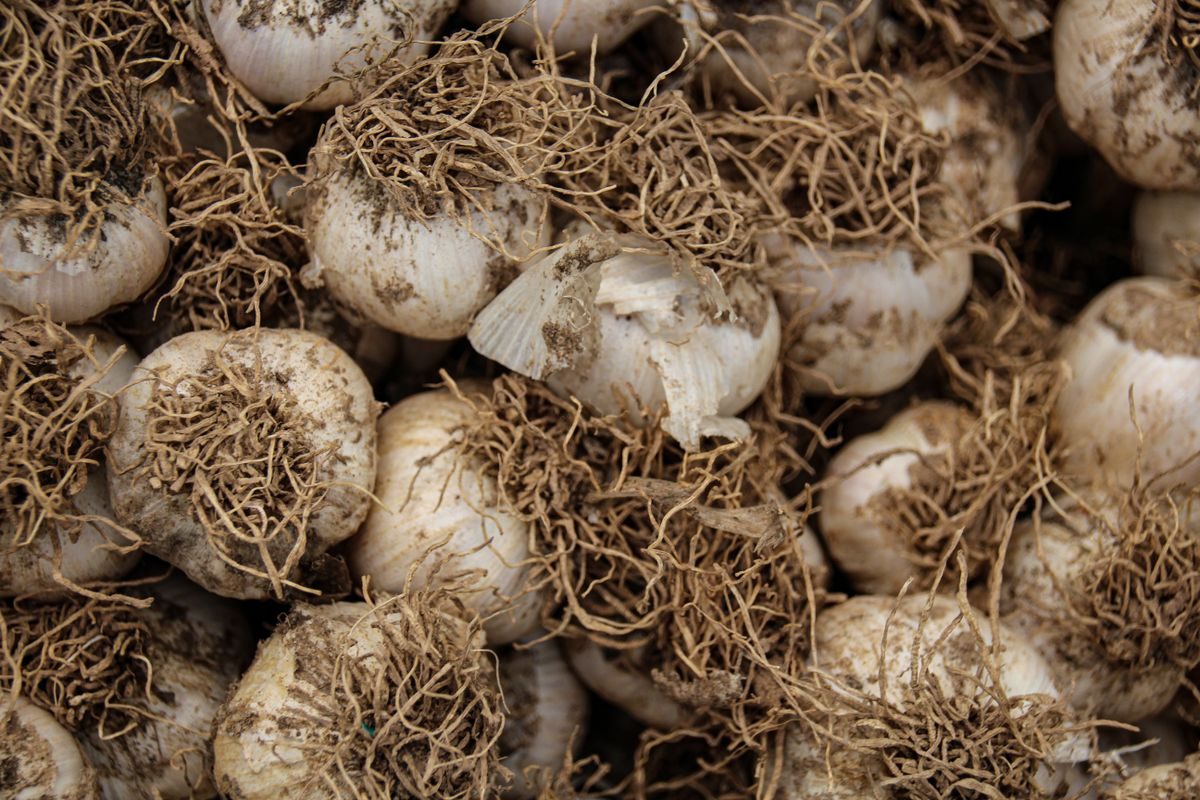
The leaf-count rule that tells you harvest day, plus curing and storing so bulbs keep until spring.
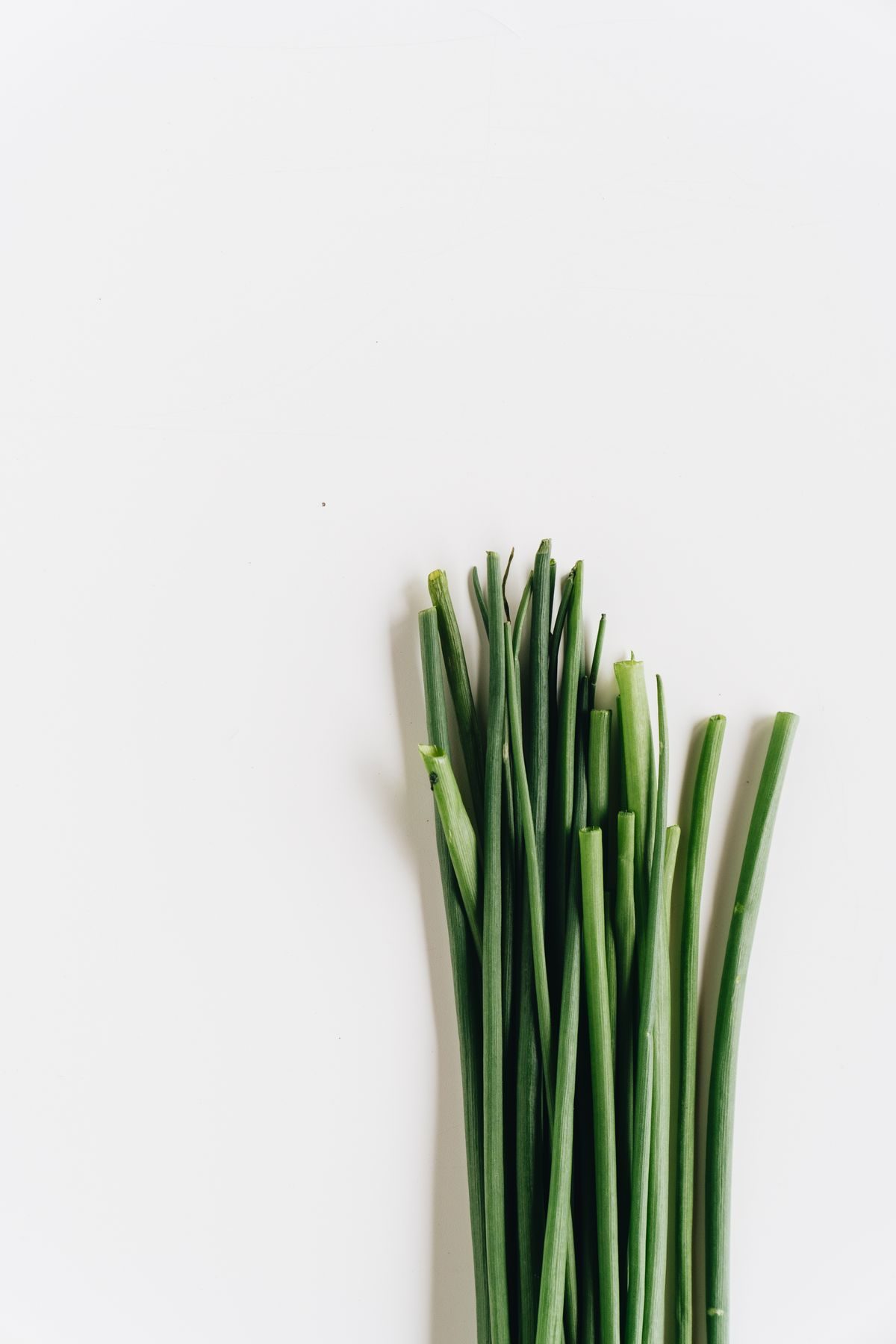
Chives are nearly indestructible — if you plant them at the right moment. Timing for seed, sets and divisions.
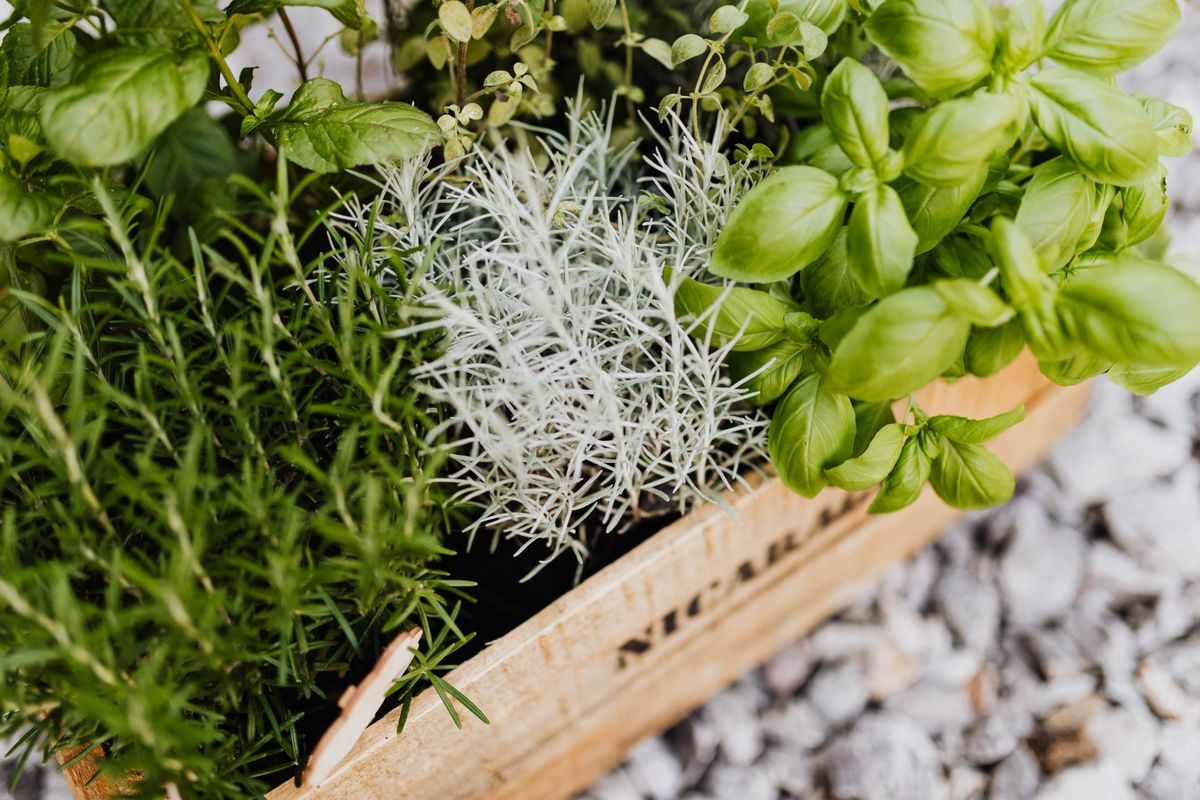
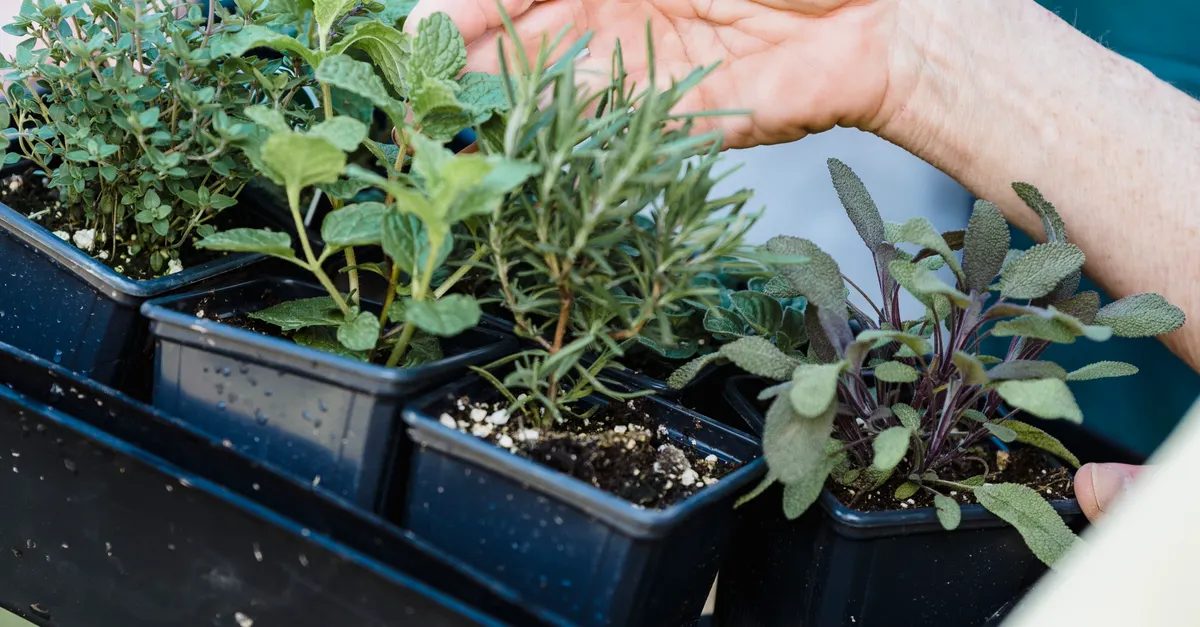
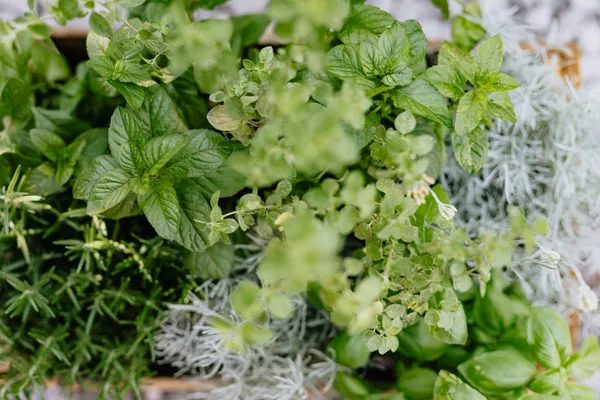
Woody versus soft, when to add them, and the pairings that make a herb garden earn its keep.
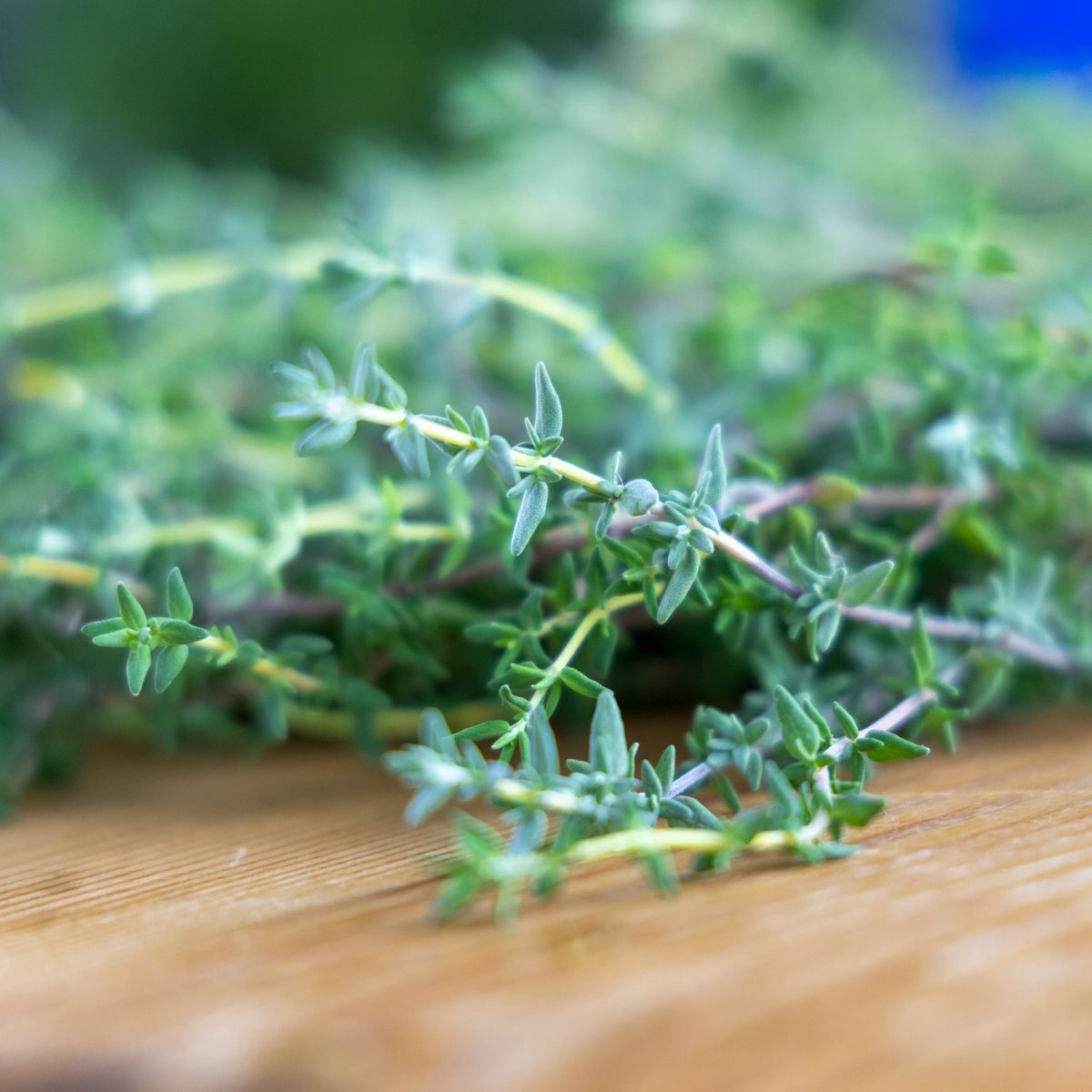
Air, oven and dehydrator methods compared, with the storage trick that keeps thyme fragrant for a year.
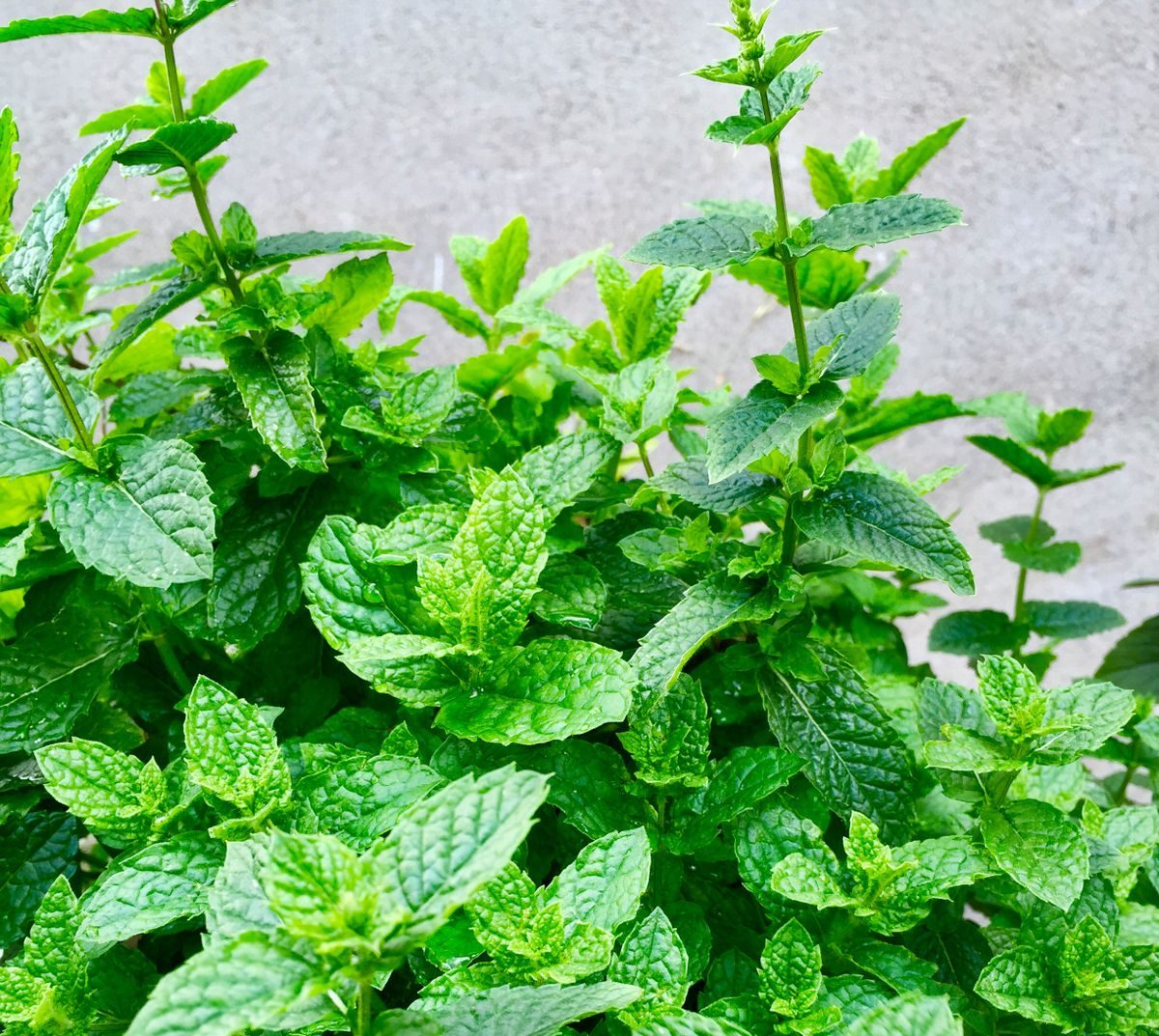
Mint, chervil, parsley and more: the herbs that genuinely tolerate — some even prefer — a shady spot.
Five herbs that forgive beginners, ranked by how hard they are to kill.
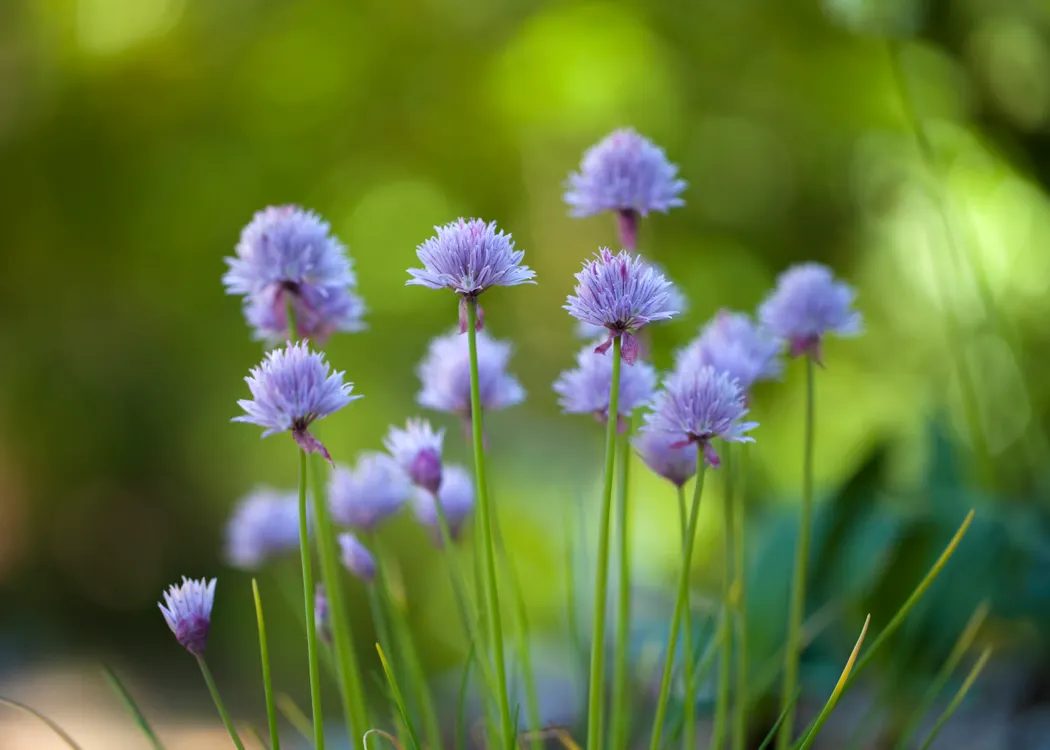
Leave a few chives to flower: what the blooms taste like, when to cut them, and why bees thank you.
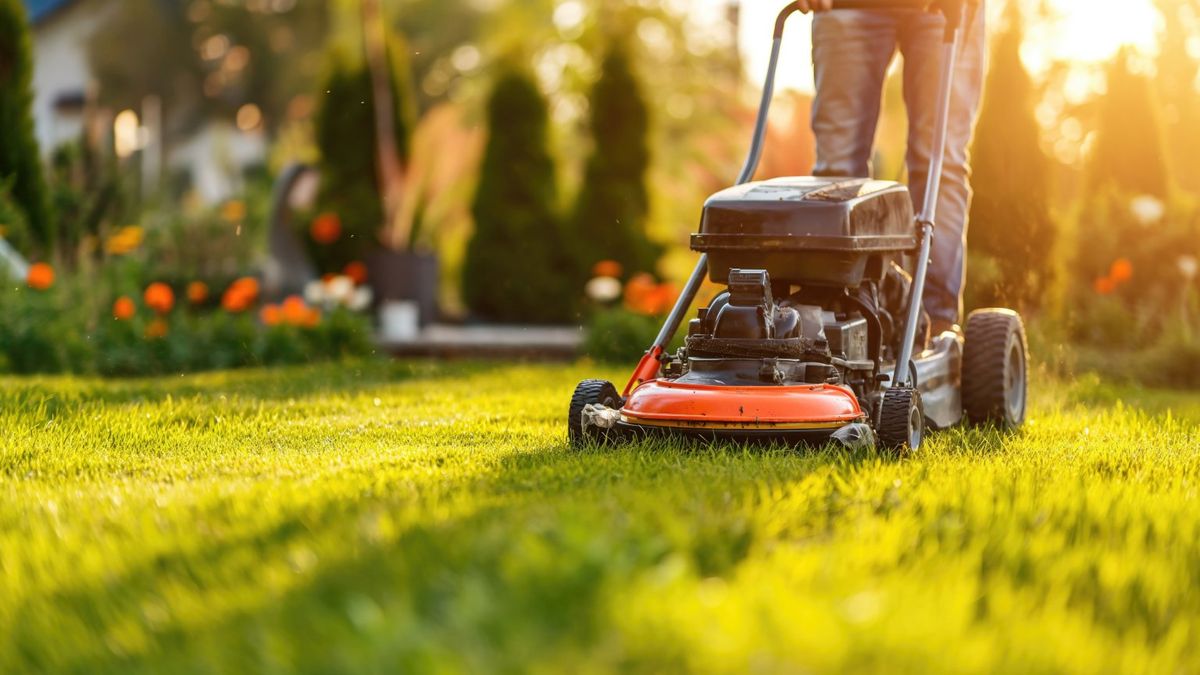
The spring reset: first mow height, feeding, overseeding thin patches and the weed window you must not miss.
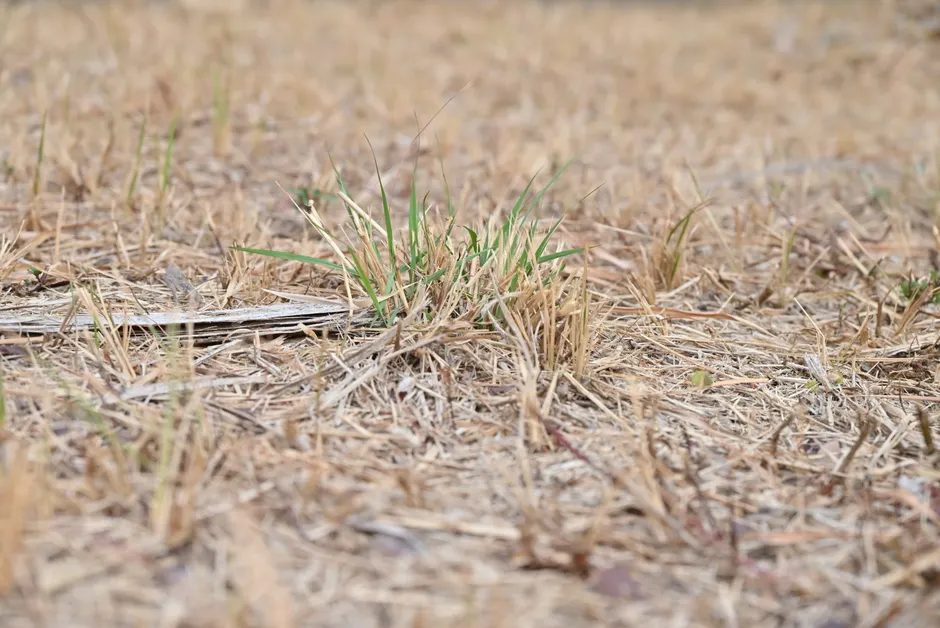
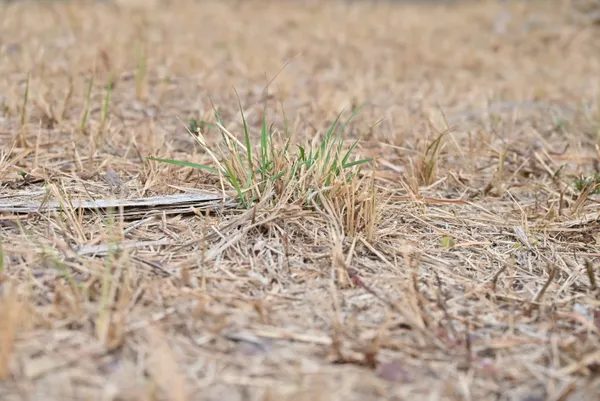
Dormant or dead? The tug test, the three usual causes, and the repair plan that works by autumn.
New seed must never dry out — but drowning it is just as fatal. The exact schedule, week by week.
Why the last feed of the year matters most, what ‘winterizer’ really means, and when to spread it.
Before you spray anything: identify the pest, confirm the damage threshold, and choose targeted over blanket treatments.
Four visits a year is enough. The complete calendar — feed, weed, seed, winterize — on one page.
Chinch bugs fake drought damage. The coffee-can test, cultural controls first, and pesticides as the last resort.
Chlorophyll, light and lawn health: the science of green — and what it means when yours fades to yellow.
Why the same family in the same bed invites disease, and the simple four-year rotation any backyard can run.
Hot piles, cold piles, leaf mold, worm compost: which type suits your space, time and nose.
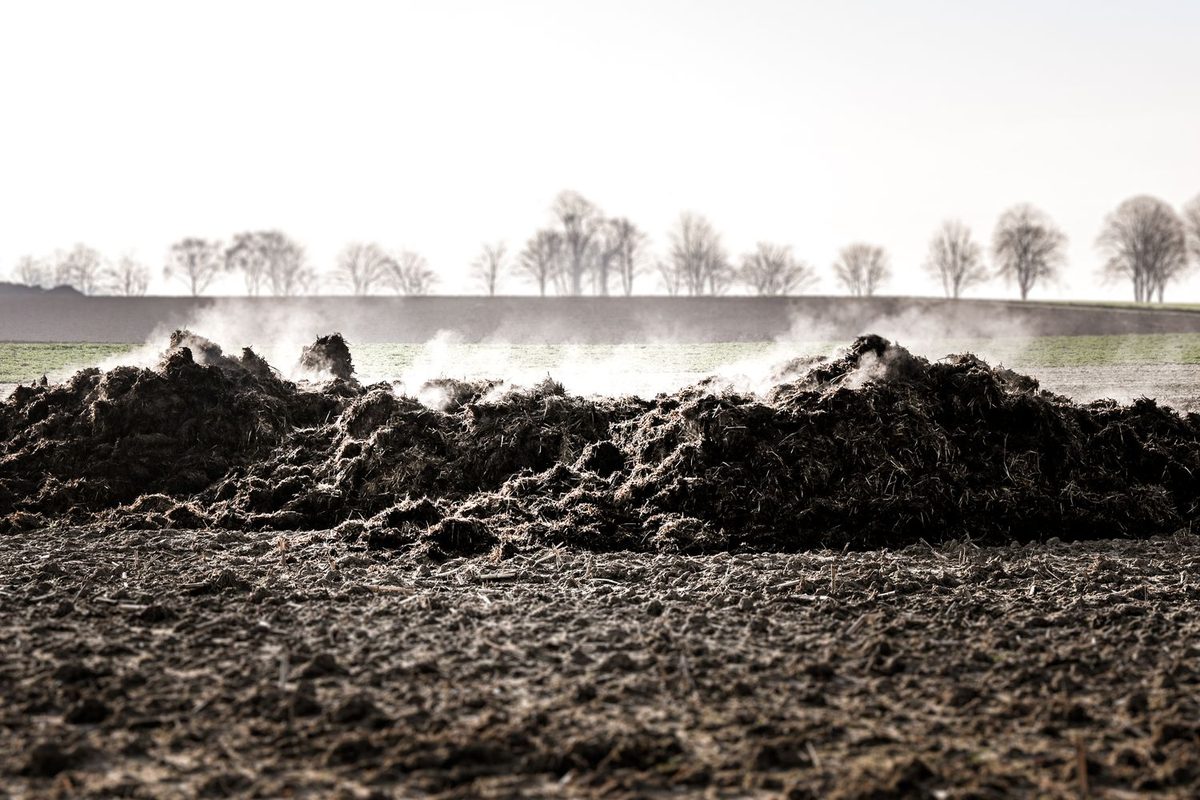
What composted cow manure adds (and doesn’t), how much to apply, and why fresh manure is a different story.
A clear definition, the greens-to-browns ratio, and the four ingredients every pile needs.
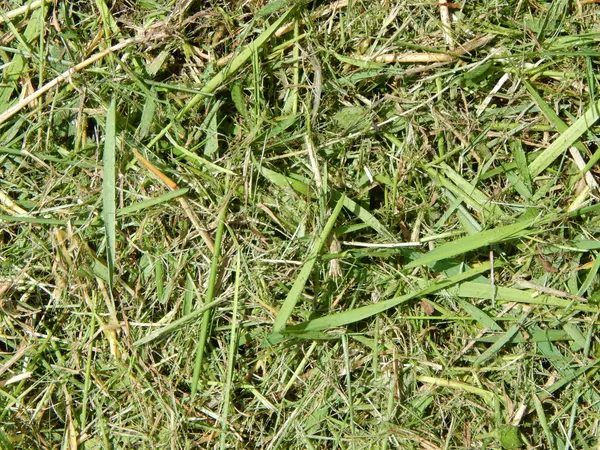
Grass clippings are rocket fuel — or a slimy mat. Thin layers and browns keep them on the right side.
How much compost a border needs, when to apply it, and the no-dig method that feeds perennials best.
The textbook definition made practical, with a worked example rotation for a four-bed backyard.
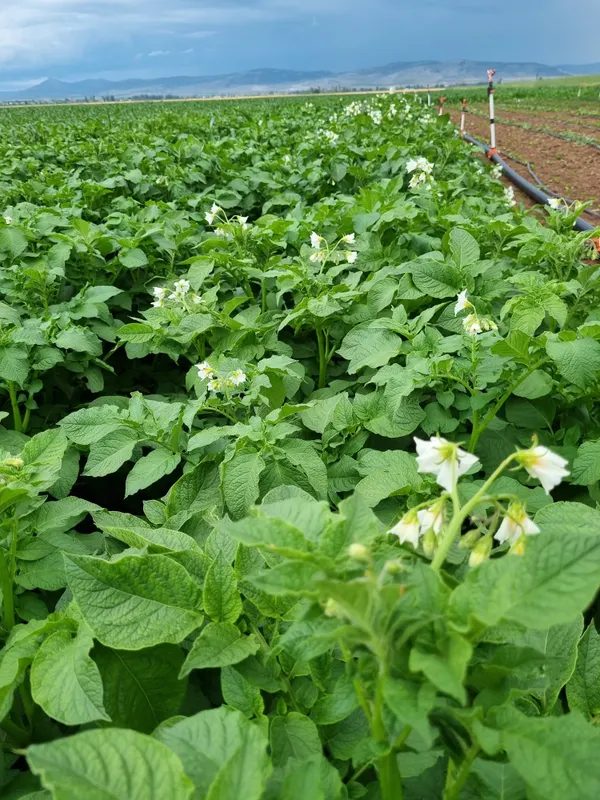
Beans yes, tomatoes no: the companions that help potatoes and the neighbors that quietly hurt them.
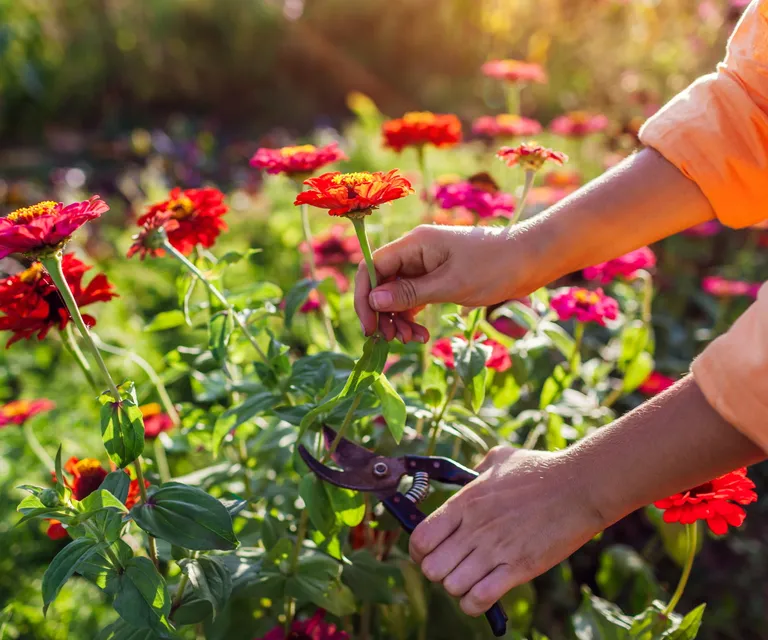
Deadheading, cutting back and shaping — the three pruning moves, and the right week to do each.
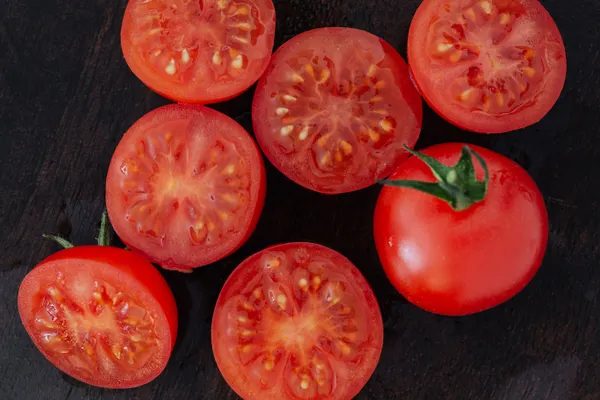
Slice, ferment, dry, sow: growing next year’s tomatoes from one supermarket fruit — and when not to bother.
Germination to harvest in real numbers, by variety type — plus the thinning rule that decides carrot size.
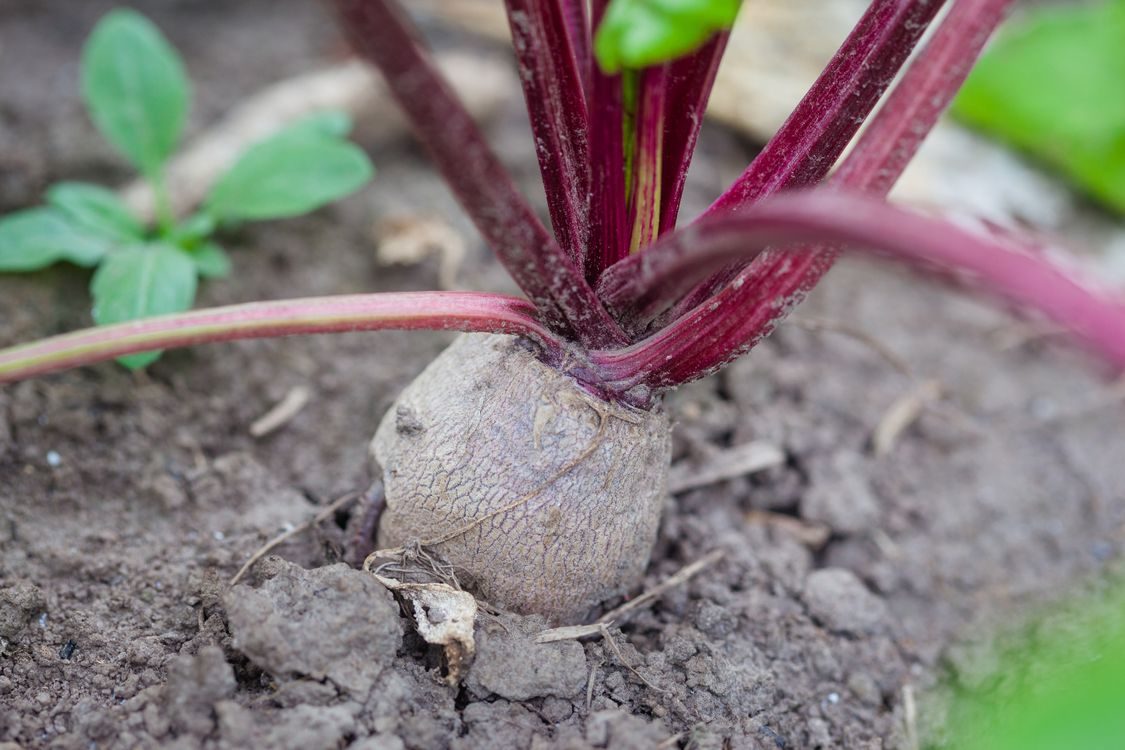
Beetroot ‘seeds’ are clusters — here is how that changes sowing, thinning and your harvest.
Annual, perennial, grassy: identifying the main weed types decides whether you hoe, dig or mulch them away.
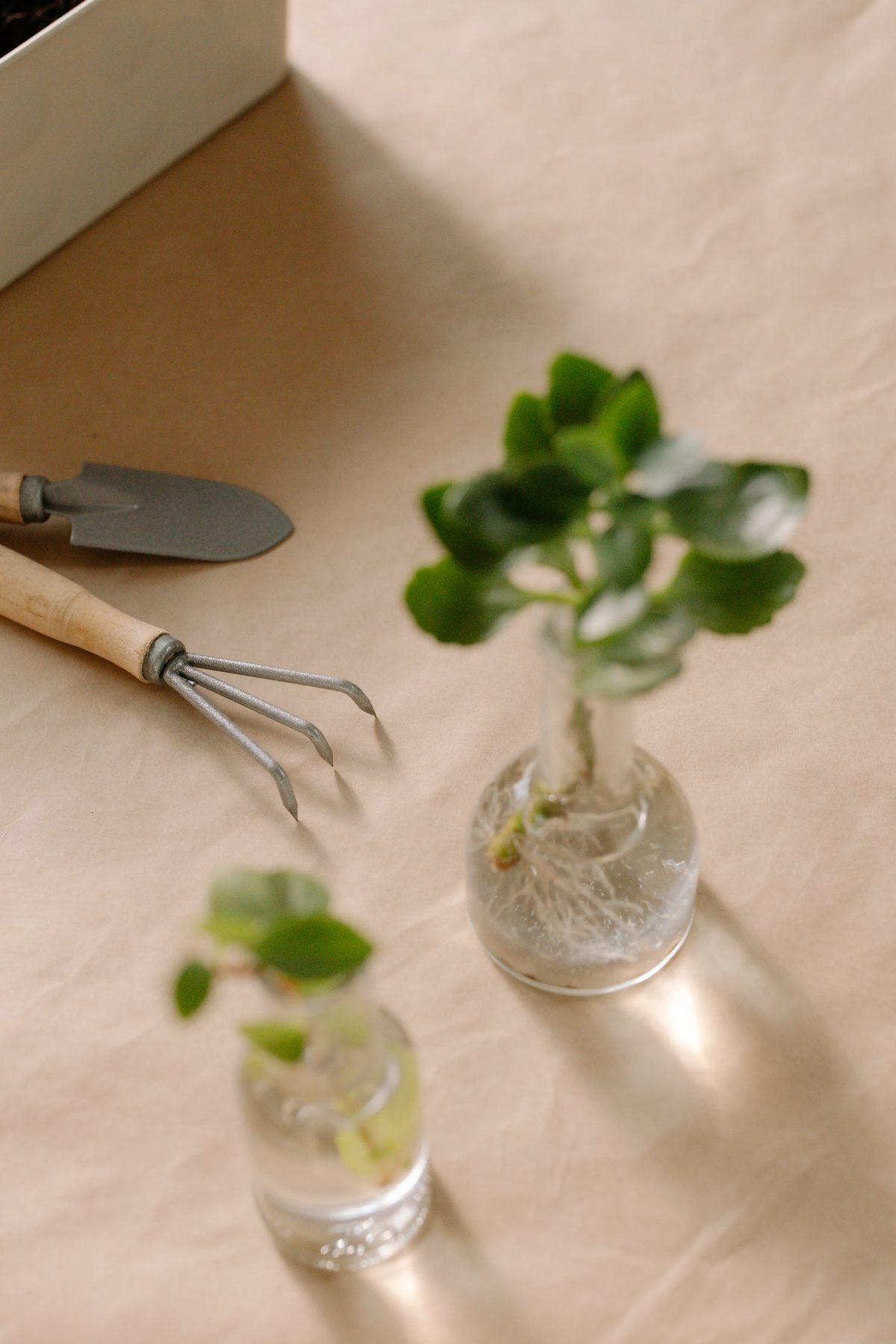
The three ways crops multiply, which method suits which plant, and the kit that makes it easy.
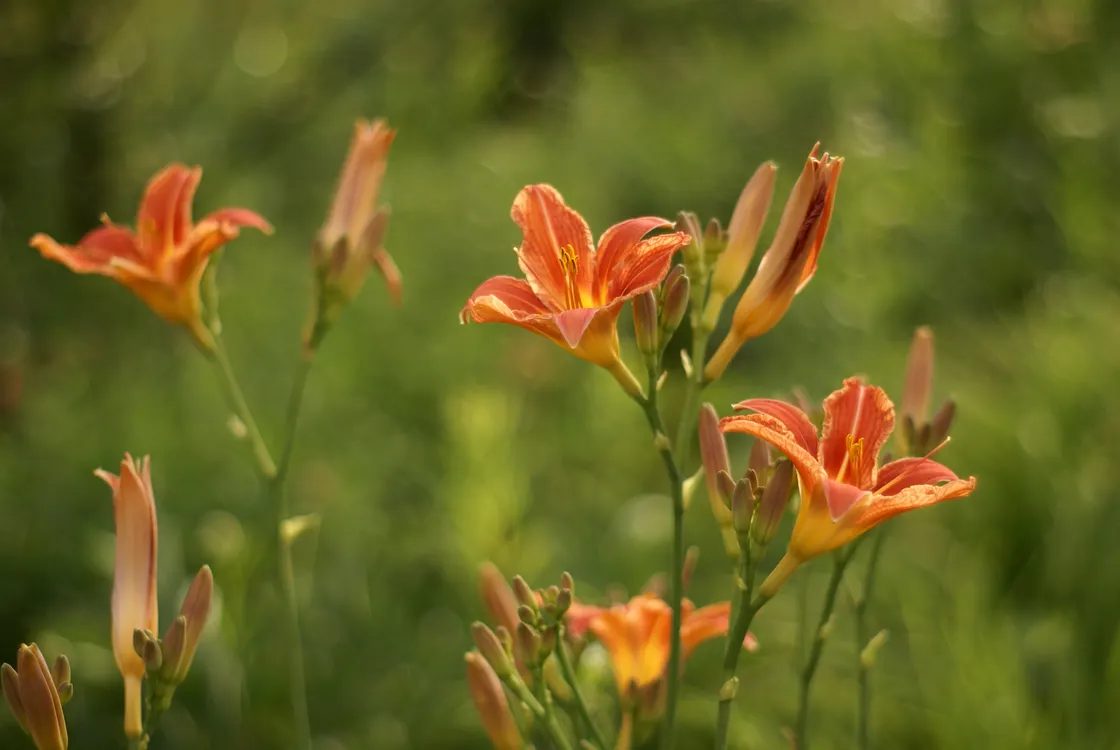
One flower, one day, hundreds per plant: growing, dividing and feeding hemerocallis (daylilies).
What carrot sprouts look like at day 7, 14 and 21 — and the moisture trick that gets them up at all.
Six hours is the floor, eight is the target — and the surprising case where afternoon shade helps.
Turn a slope from a mowing hazard into your most productive ground: levels, retaining edges and planting.
Crabgrass, quackgrass and annual bluegrass look alike but die differently. Identify first, then act.
Depth equals twice the seed’s width — plus every other rule of sowing, in one calm page for beginners.
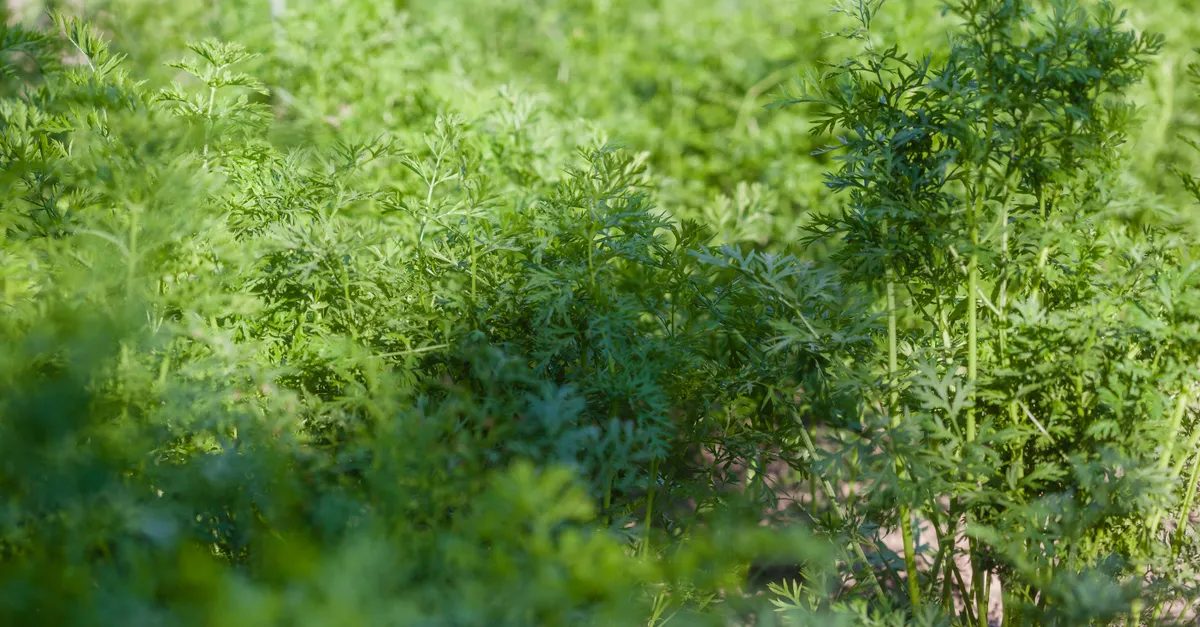
Not grass, not a weed: recognizing carrot seedlings so you stop pulling them out by mistake.
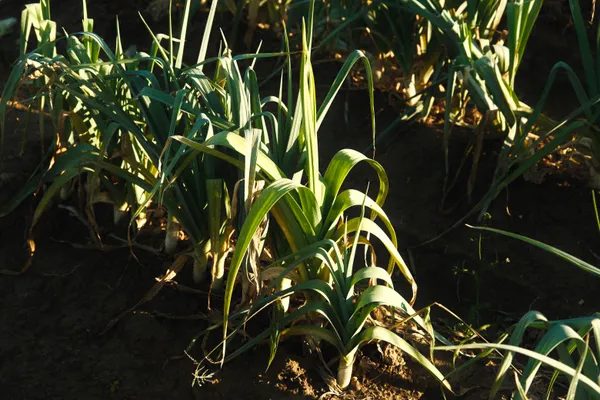
Leeks, kale, winter roots and salads that shrug off frost — sown in summer, eaten in the dark months.
Three sowing methods, one goal: even germination. When each method wins, with spacing charts.
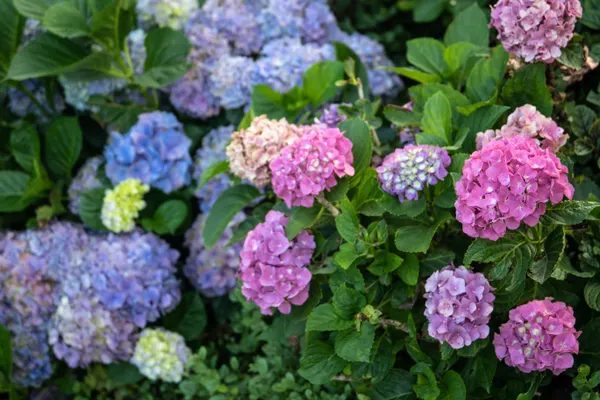
Prune a mophead in autumn and you have cut off next summer’s flowers. The timing rule by hydrangea type.
Squeeze, settle and observe: three simple tests that tell you whether your soil is clay, sand or loam, and what to grow in it.
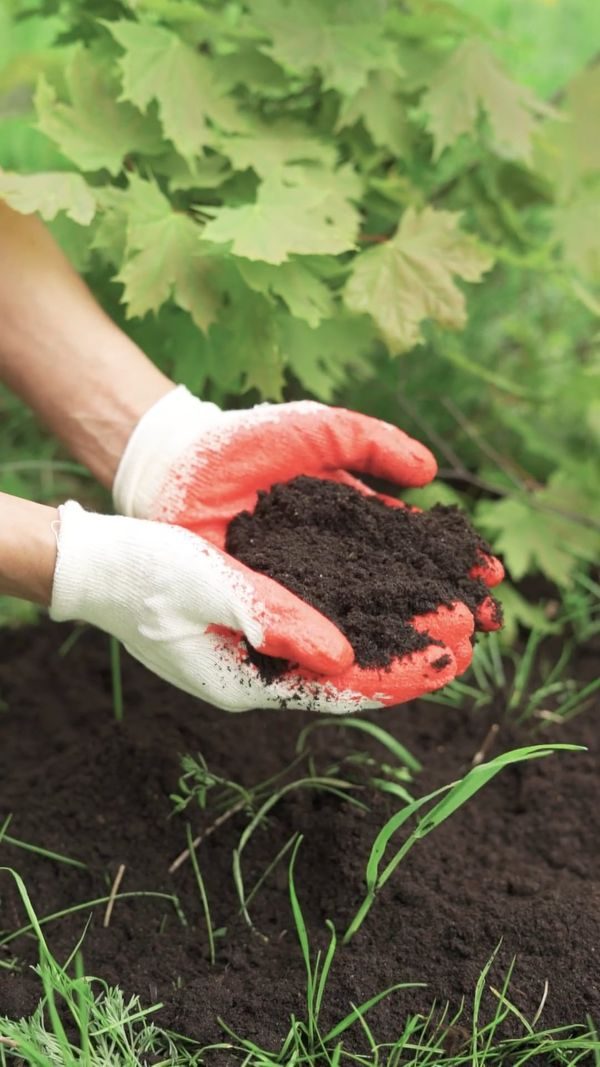
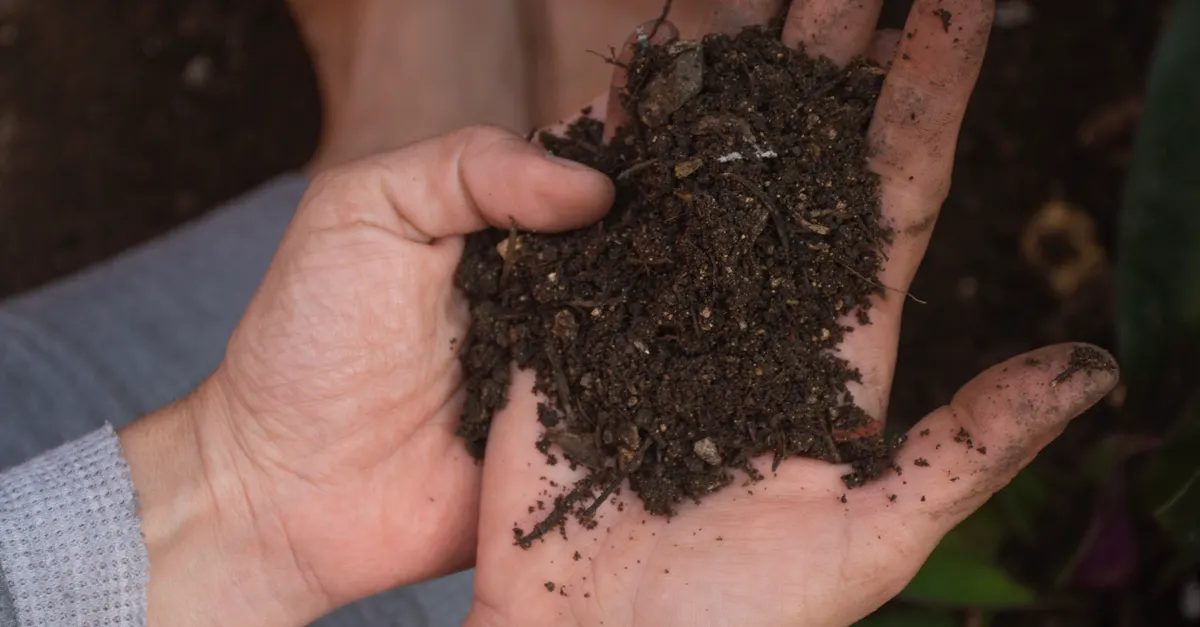
Compost, mulch and patience beat bags of fertilizer. How to build darker, crumblier soil that holds water and feeds roots.
Roots tell the truth that flowers hide. What to check before you buy, from pot-bound roots to yellowing leaves.
A south-facing garden and a north-facing one are different worlds. How aspect shapes light, frost and what thrives.
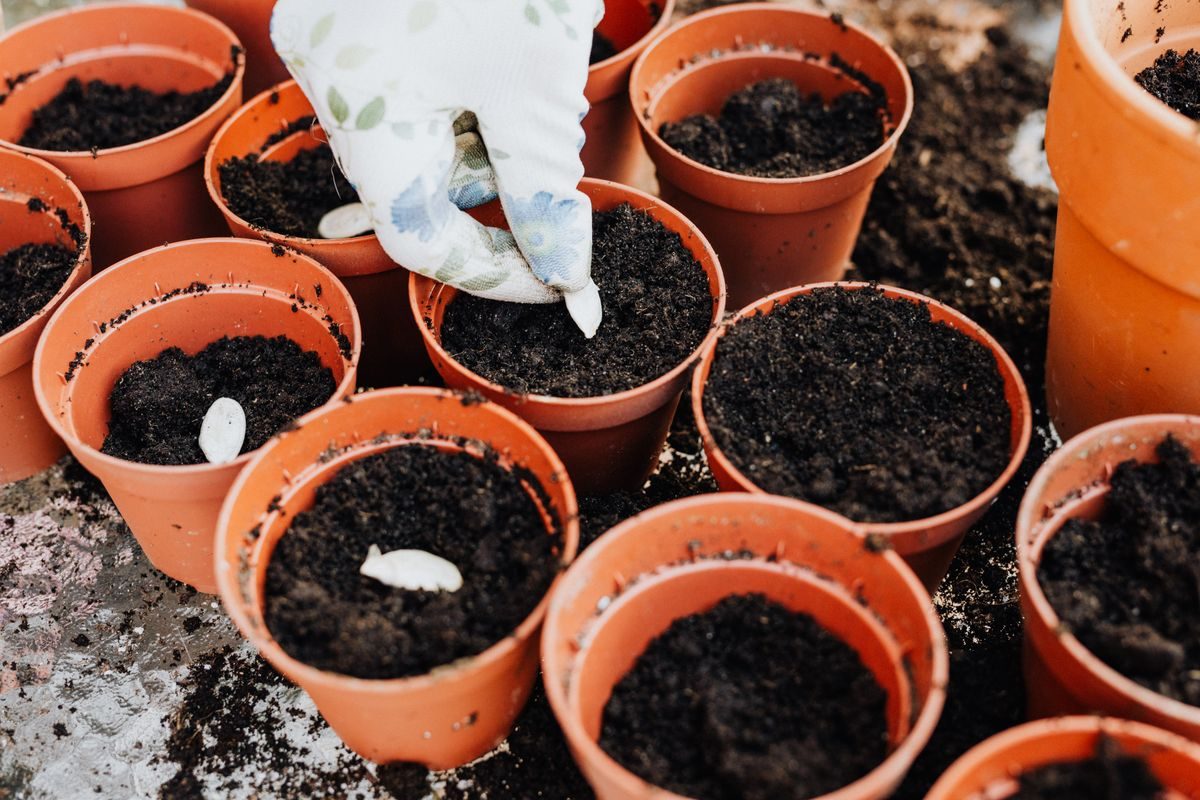
Direct sowing skips pots, windowsills and transplant shock. The soil temperature, depth and spacing rules that get seeds up.
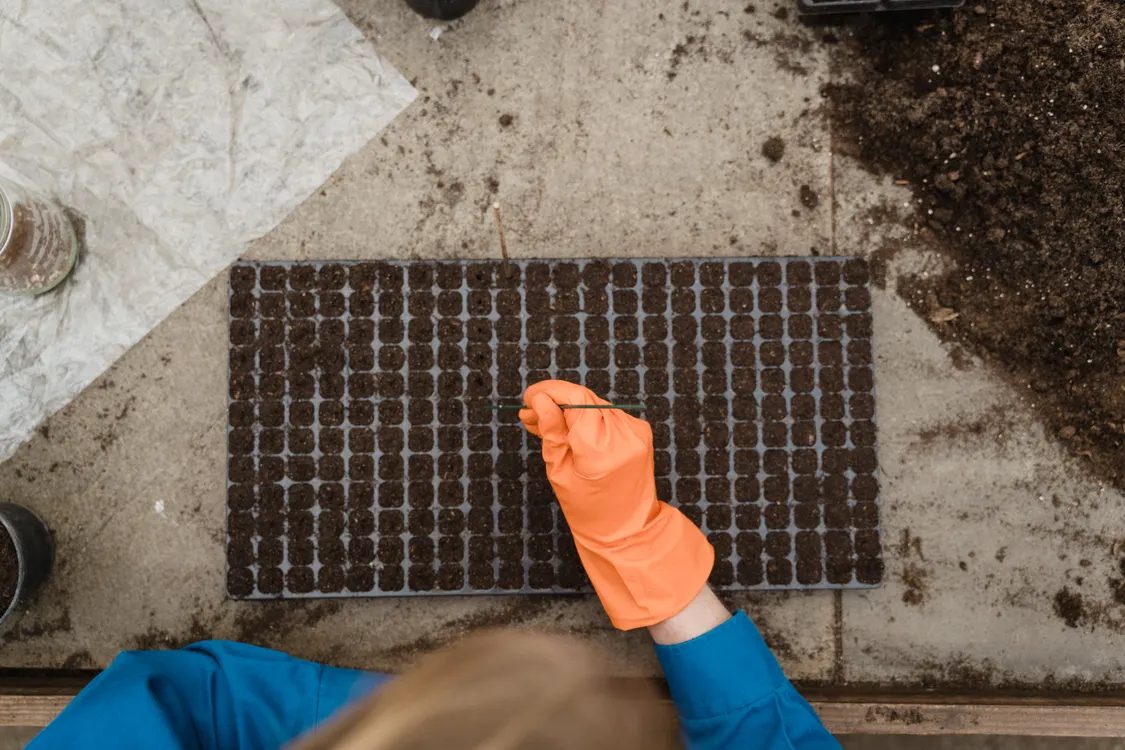
Start tender crops early under cover. Light, warmth, thinning and hardening off, without leggy seedlings.
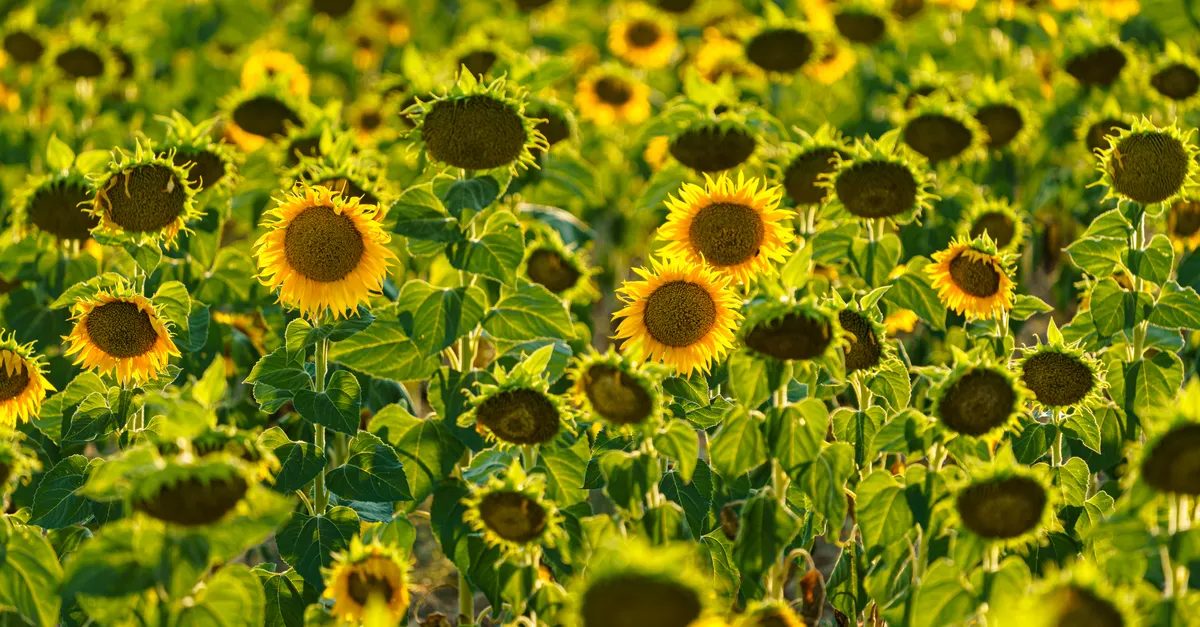
From dwarf patio pots to three-meter giants: sowing, staking, watering and saving seed from your own heads.
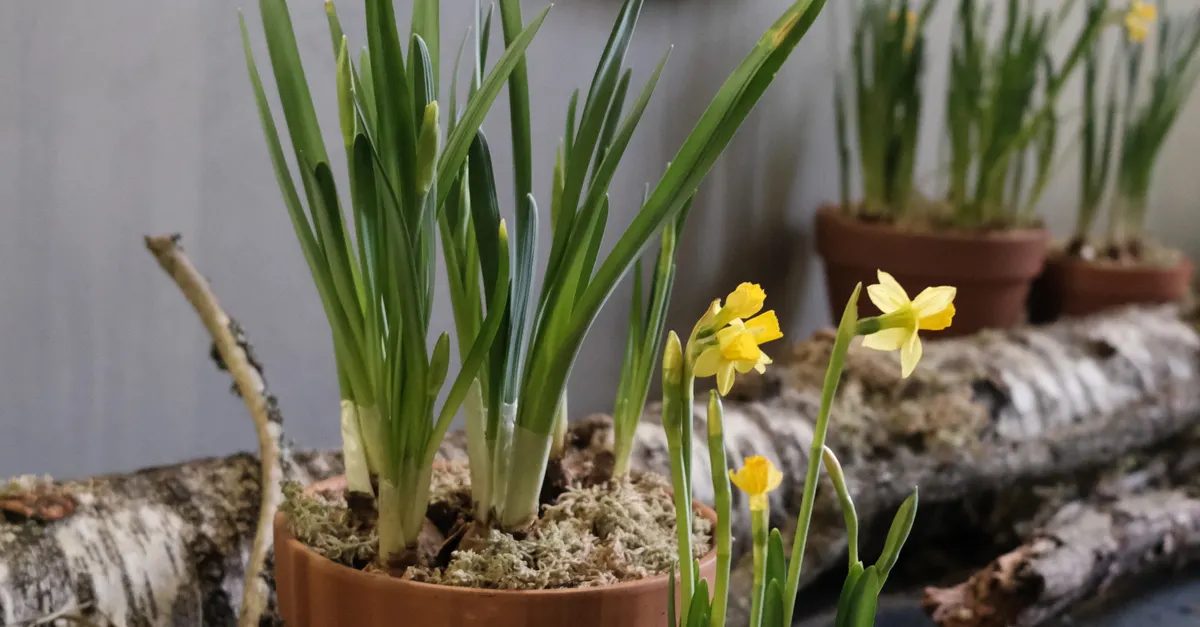
Layer bulbs in a pot for weeks of color from one container. Depth, drainage and the lasagne method explained.
A good border is planned in layers, not bought in a trolley. Shape, soil preparation and planting for year-round interest.
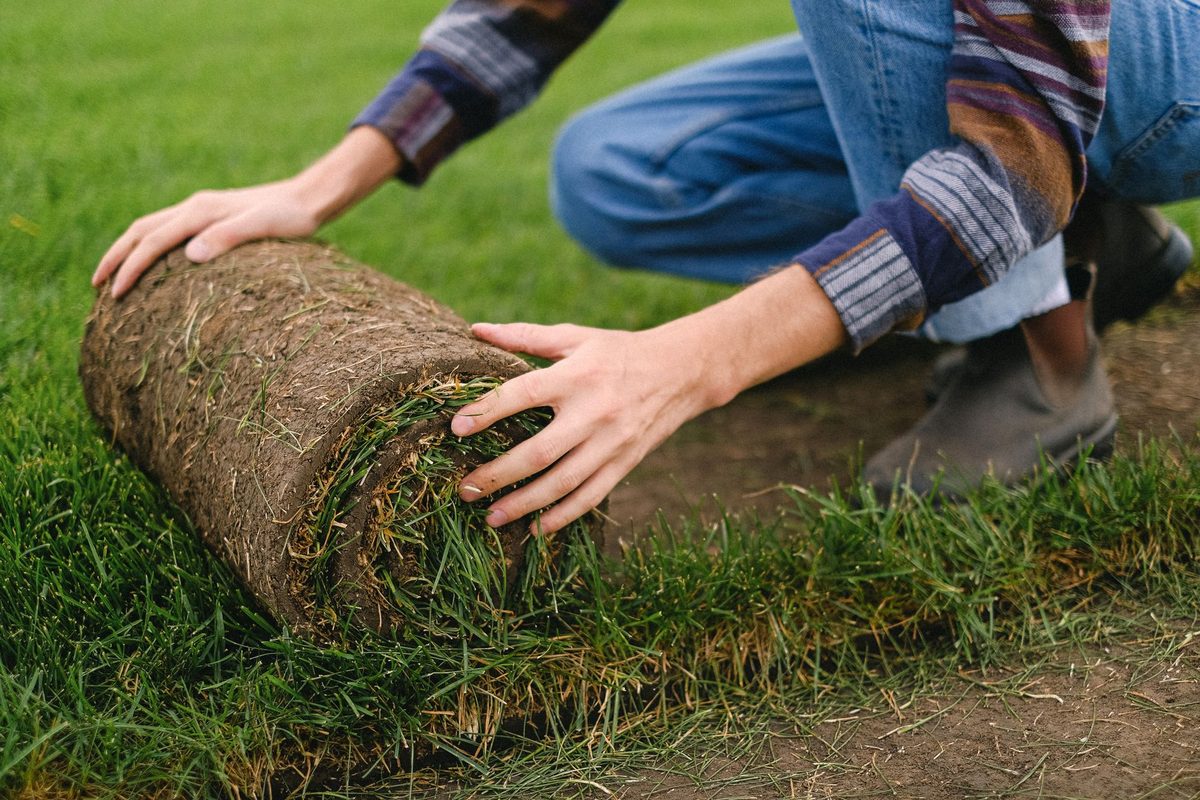
Instant lawn in a day, if the ground is prepared right. Ordering, laying, watering and the first mow.
Cheaper than sod and better rooted. Seed choice, sowing rates, raking in and keeping birds off until germination.
Climbers hide walls and fences fast, but only with the right support and planting hole. Position, ties and first-year training.
Prune at the wrong time and lavender turns woody and bare. The twice-a-year trim that keeps plants compact and flowering.
A hedge is a long-term planting, so spacing and soil matter more than speed. Single rows, staggered rows and aftercare.
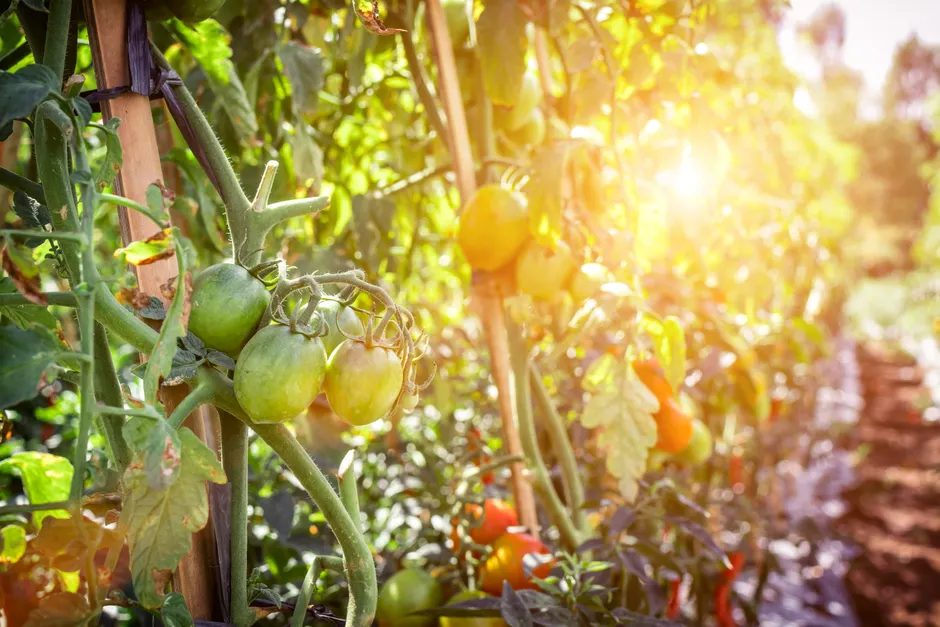
Sun, steady water and regular feeding: the three things tomatoes actually need, from first truss to final ripening.
Beans climb fast and crop for months. Poles, wigwams, sowing depth and picking little and often.
Basil, parsley, chives and more from a single packet. Germination quirks, pricking out and moving plants outside.
One sunny corner, good drainage and the herbs you actually cook with. Layout, soil and companion choices.
Most watering problems are timing problems. When to water, how deeply, and the signs of too much versus too little.
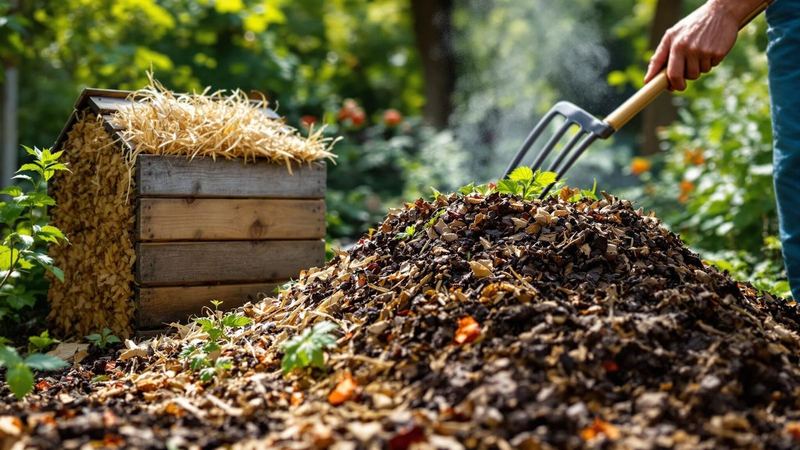
Greens, browns, air and moisture in the right balance. A working heap in weeks, and what never to add.
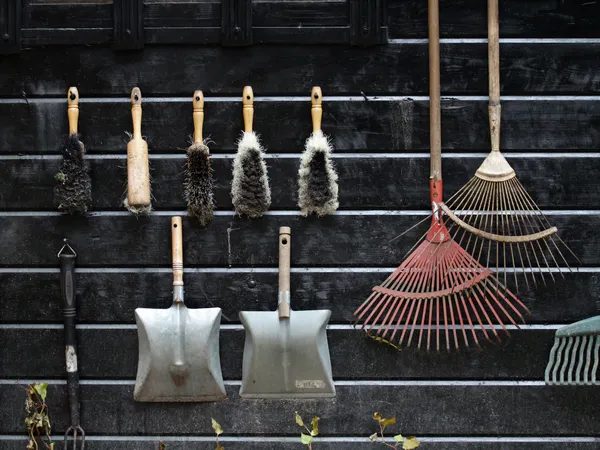
Clean, dry, sharp: ten minutes after each job doubles a tool's life. Cleaning, oiling and storing spades, shears and saws.
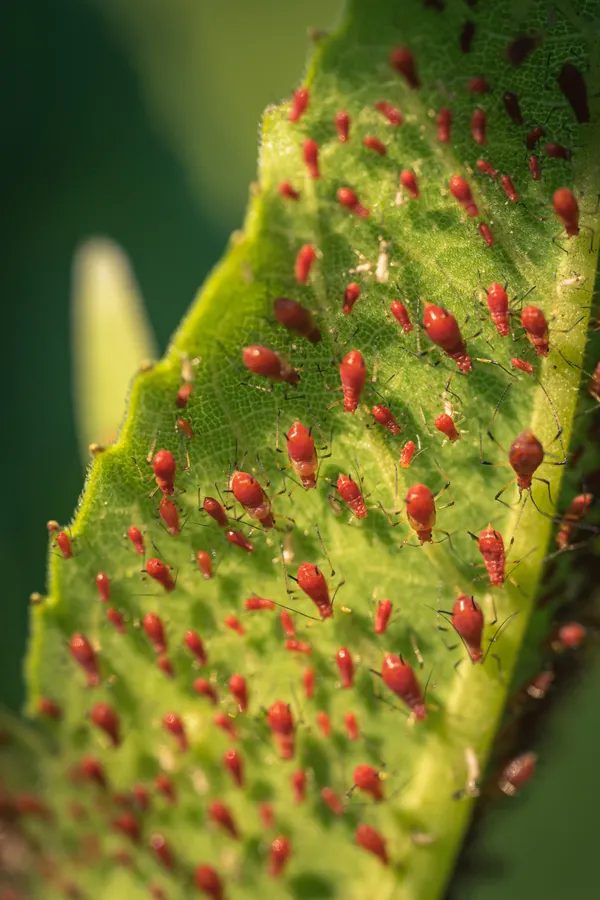
Start with the gentlest fix that works. Identifying common garden pests and the controls to try before any spray.
What to plant each month, from first spring sowings to winter cover crops — a month-by-month calendar that keeps your garden producing all year.
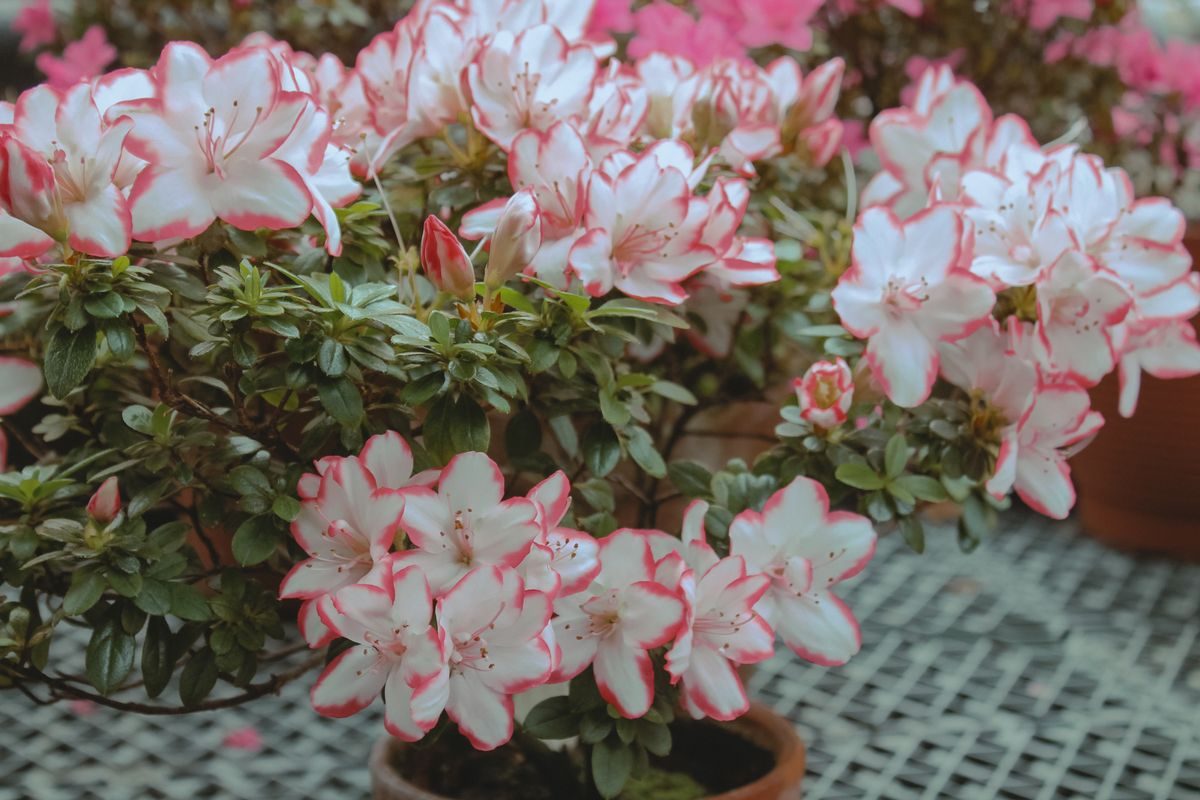
Azalea bushes pack a garden with spring color, if you give them acid soil, dappled shade and the right pruning moment. How to plant, feed and keep them blooming.
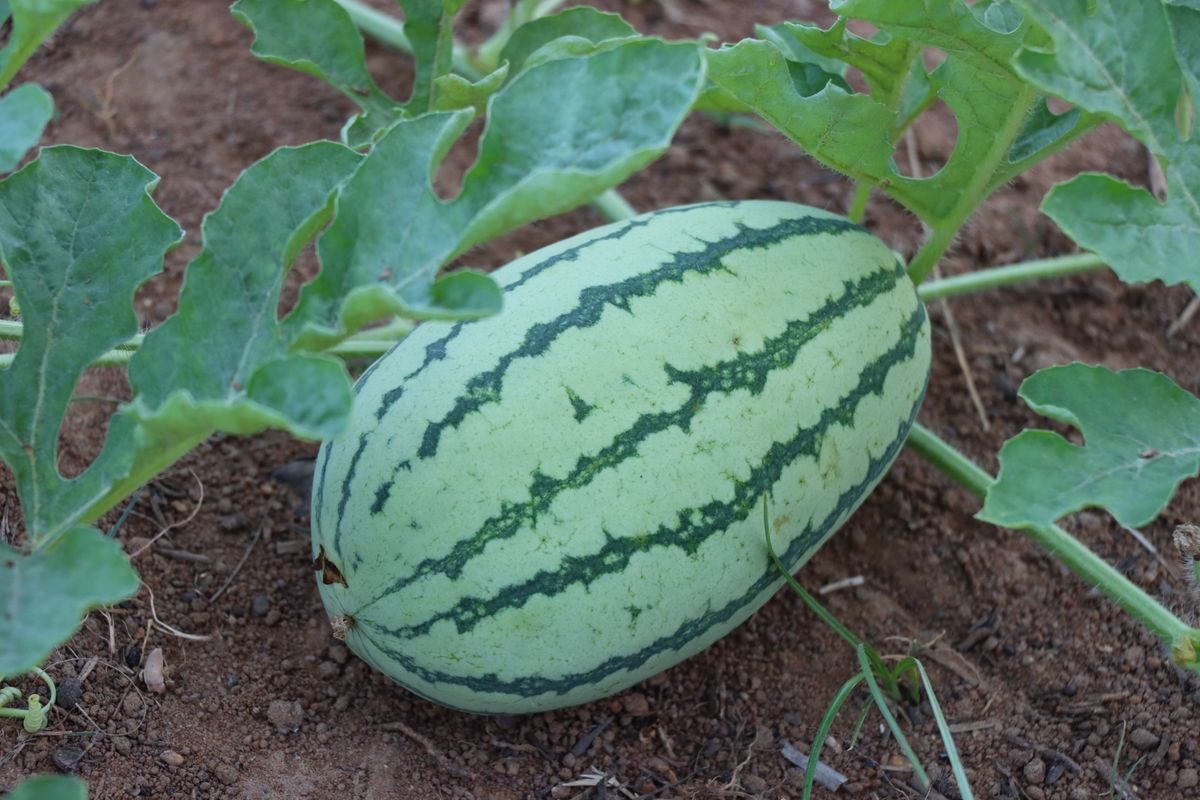
Watermelon needs heat, space and steady water — and a ripe melon tells you it's ready. How to grow watermelon plants from seed to sweet, heavy fruit.
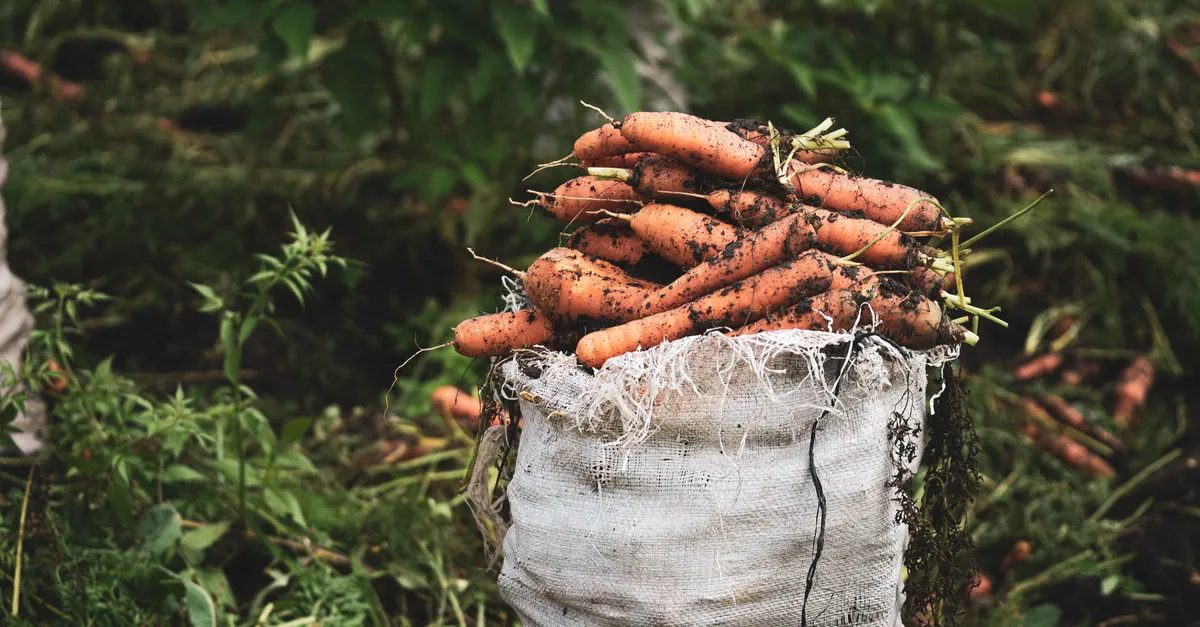
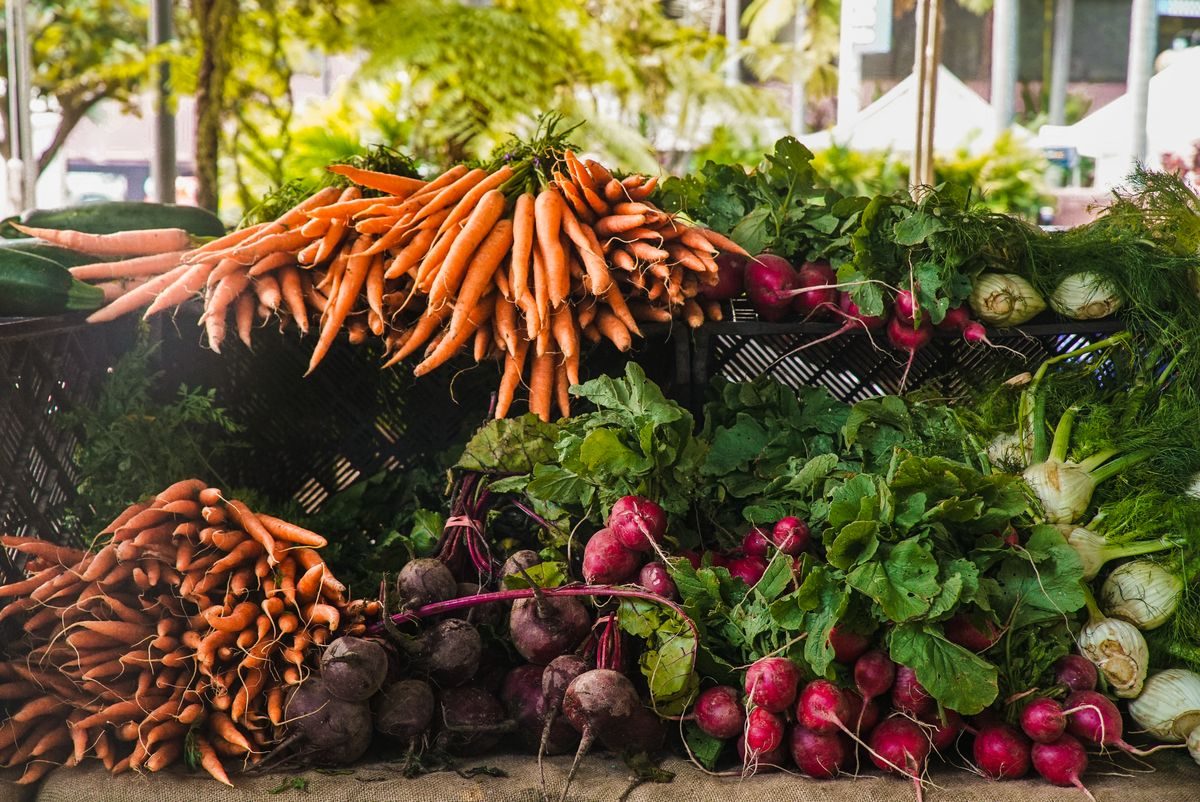
Carrots, beets, radishes and parsnips all grow underground, so loose soil matters more than anything. The root vegetables worth growing, and how to grow each one.
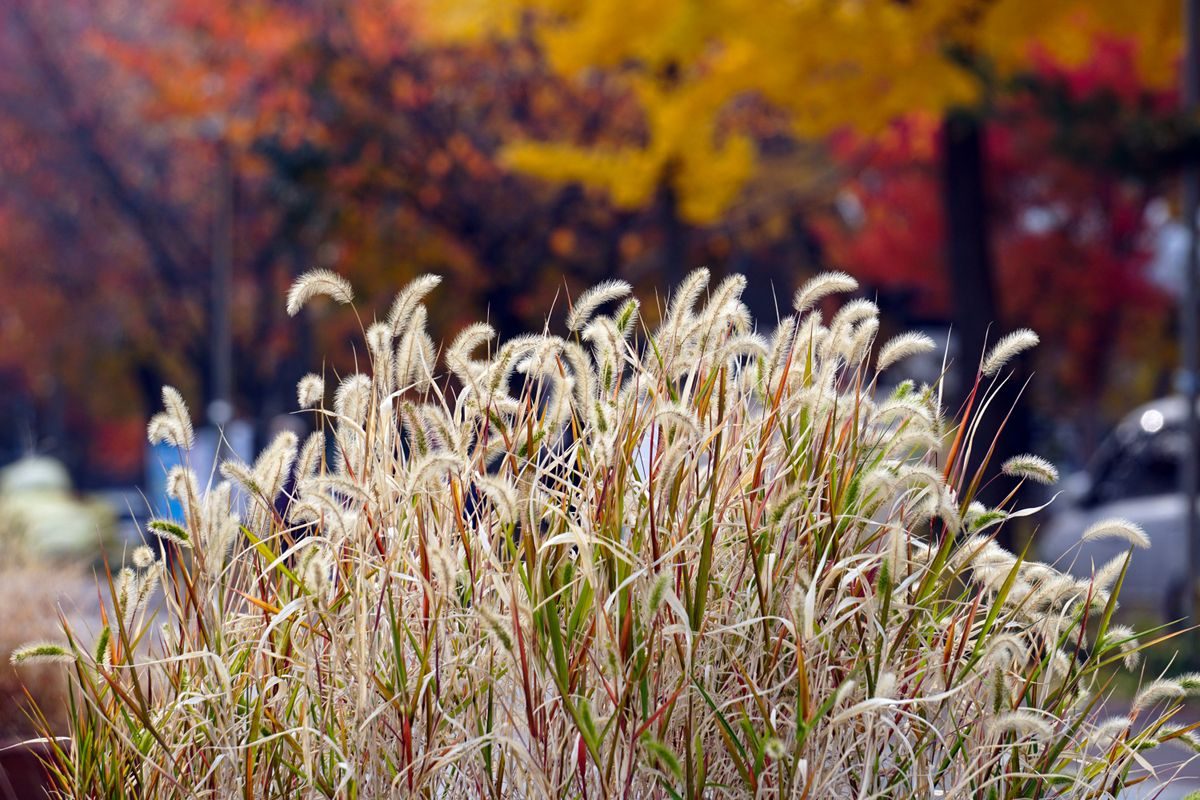
Ornamental grasses bring movement and structure to dry gardens without constant watering. The best drought-tolerant grasses and how to place them.
Organic matter is what turns dirt into soil plants love — it holds water, feeds microbes and loosens clay. What it is, and how to add more of it.
Shade doesn't mean no flowers. These shade-loving flowers bloom in dappled light and deep shade, with the soil and watering each one prefers.
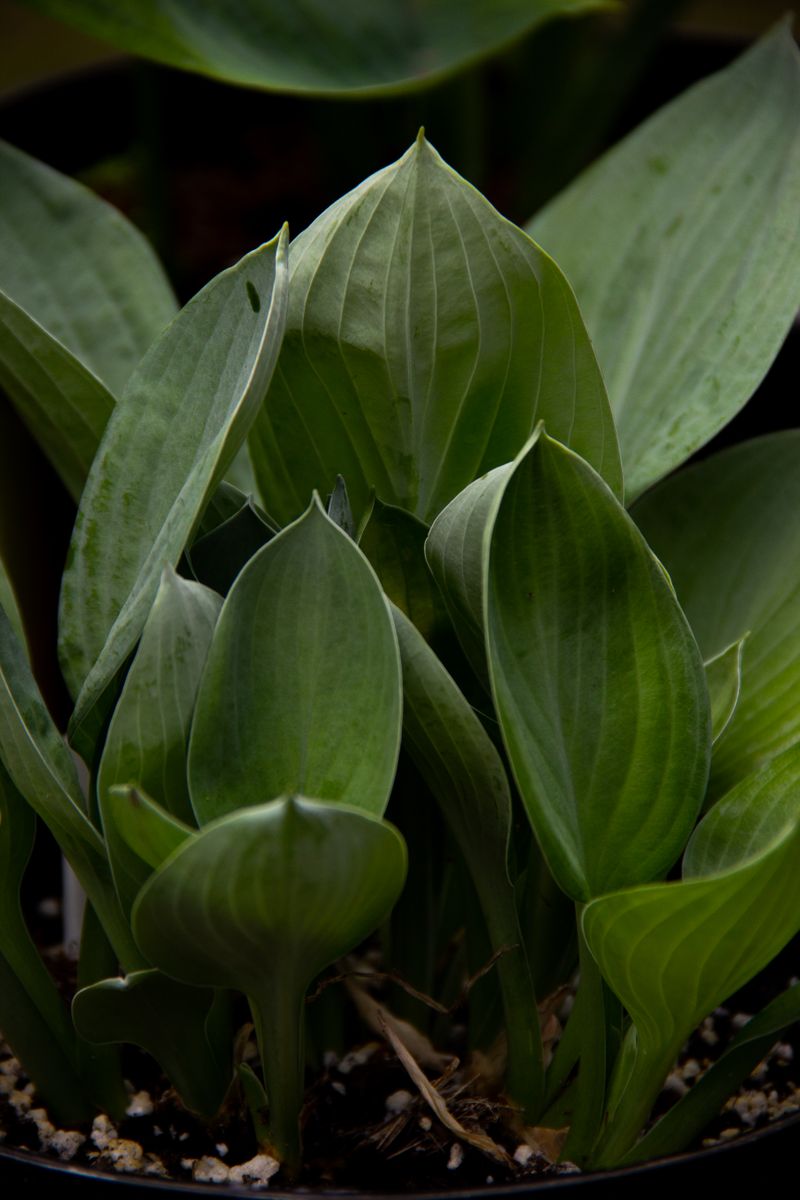
Blue hostas bring cool color to shady corners, if you keep their leaves shaded and their roots moist. Which blue varieties hold their color, and how to grow them.
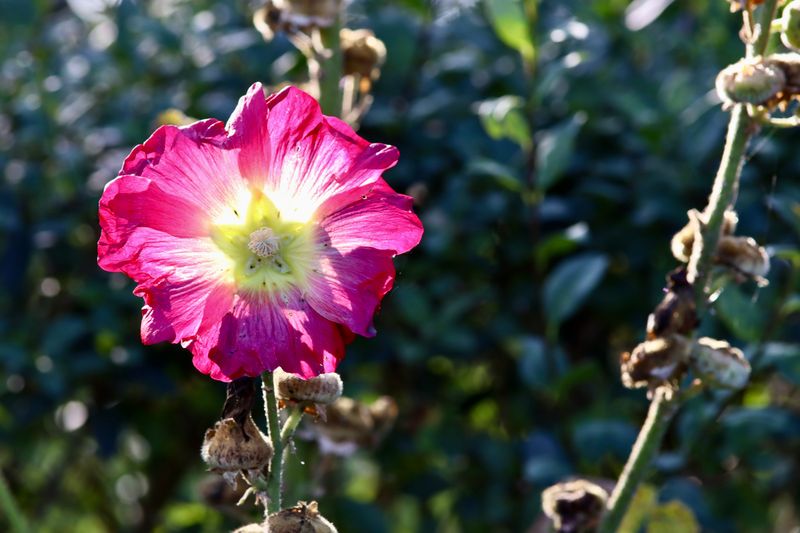
Hollyhocks are easiest from seed, sown in summer for flowers the next year. When to sow, how deep, and how to keep the tall stems standing.
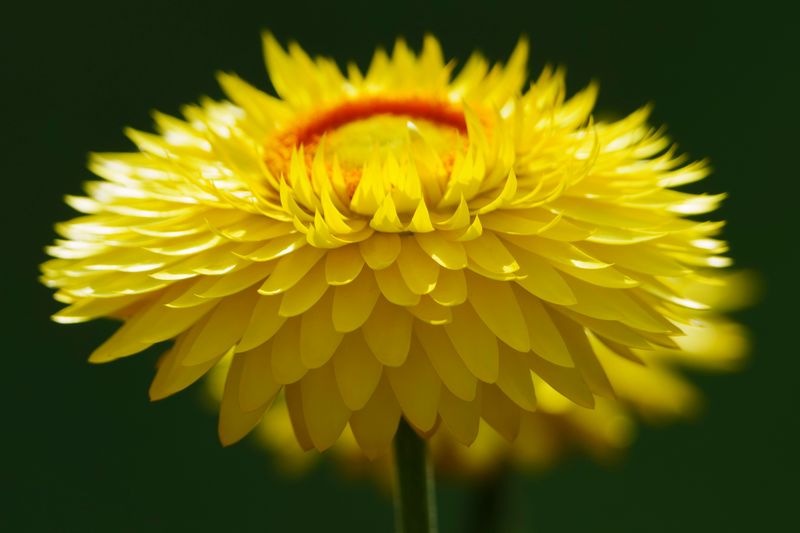
Strawflowers keep their color long after cutting, which is why gardeners grow them for dried arrangements. How to sow, grow and dry them at their best.
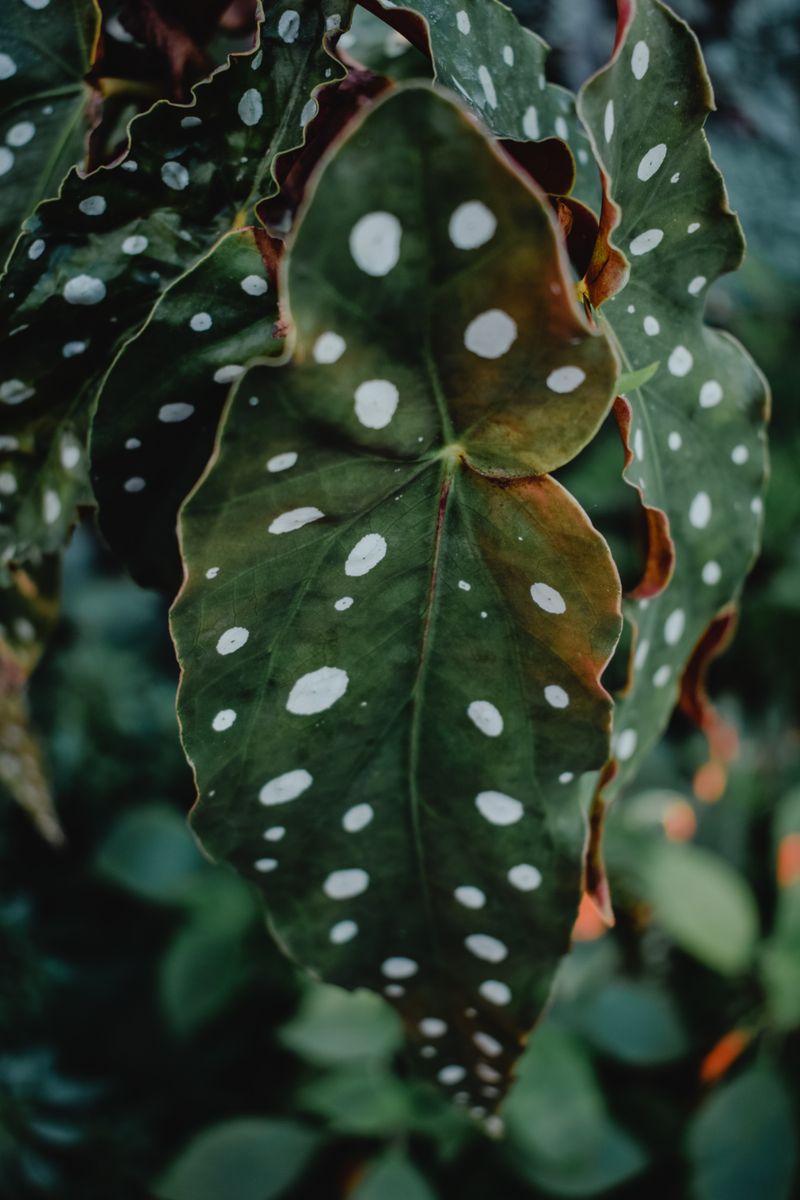
The polka dot begonia earns its place with spotted angel-wing leaves and coral flowers. Light, water and humidity that keep Begonia maculata thriving indoors.
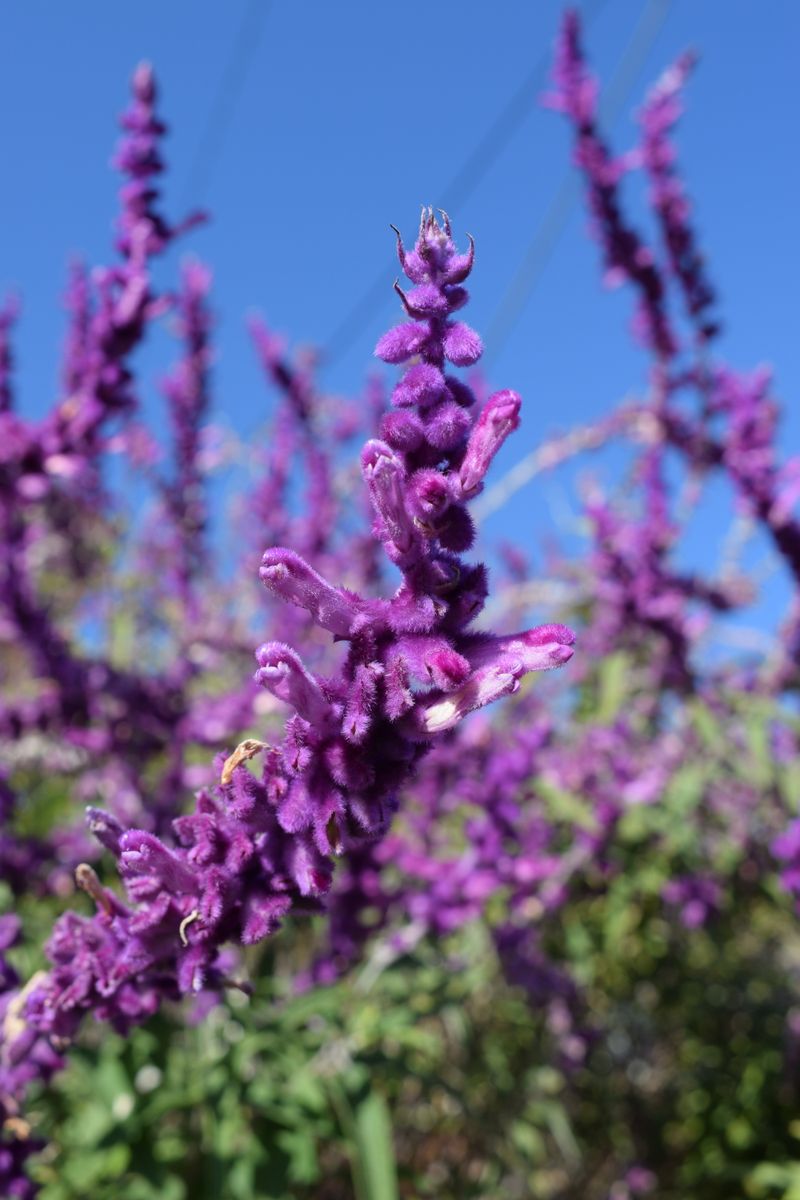
Mexican sage flowers when most of the garden is fading, with velvety purple spikes bees and hummingbirds love. How to plant, prune and overwinter it.
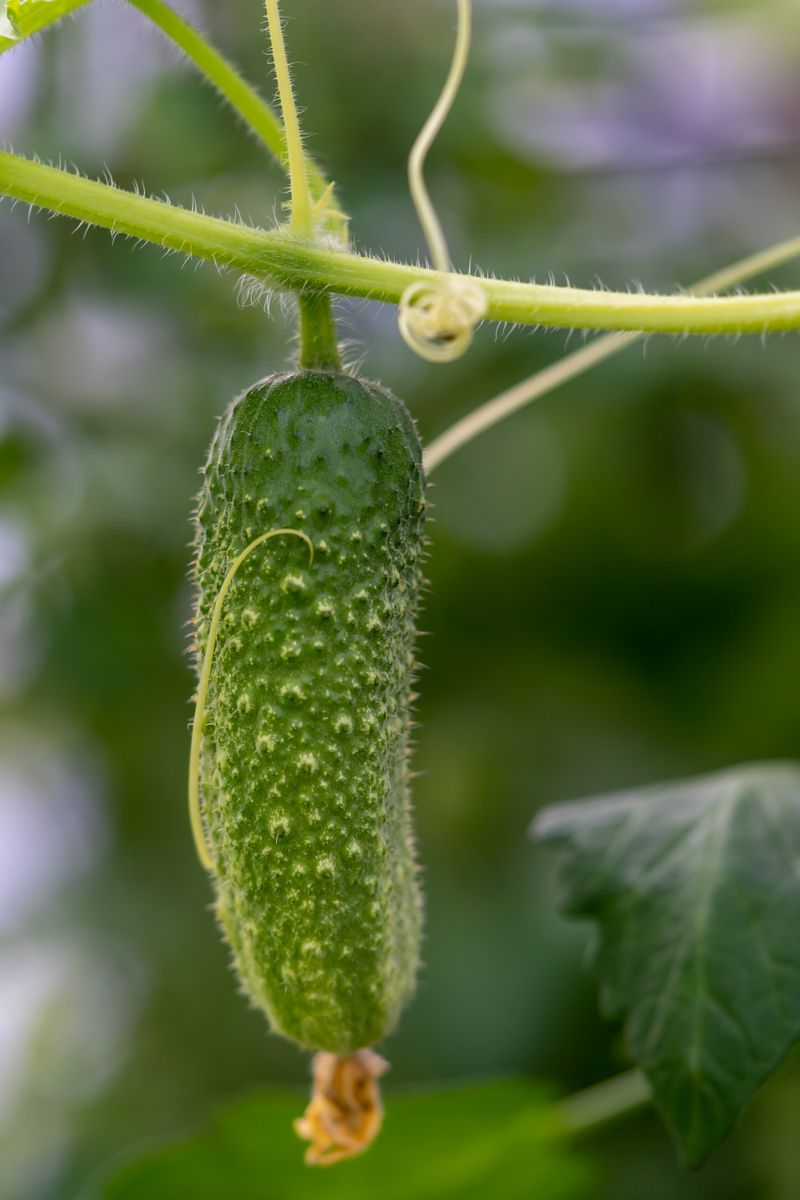
Mini cucumbers are thin-skinned, nearly seedless and ready fast, and they climb well in small spaces. How to grow a steady crop in beds or pots.
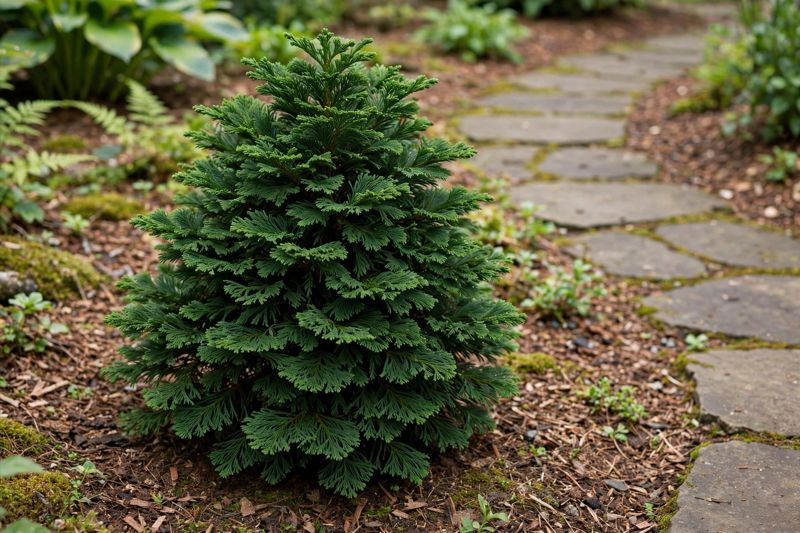
Dwarf hinoki cypress grows inches a year into a neat cone of fan-like foliage. Where to plant it, how much sun it needs, and why it rarely needs pruning.
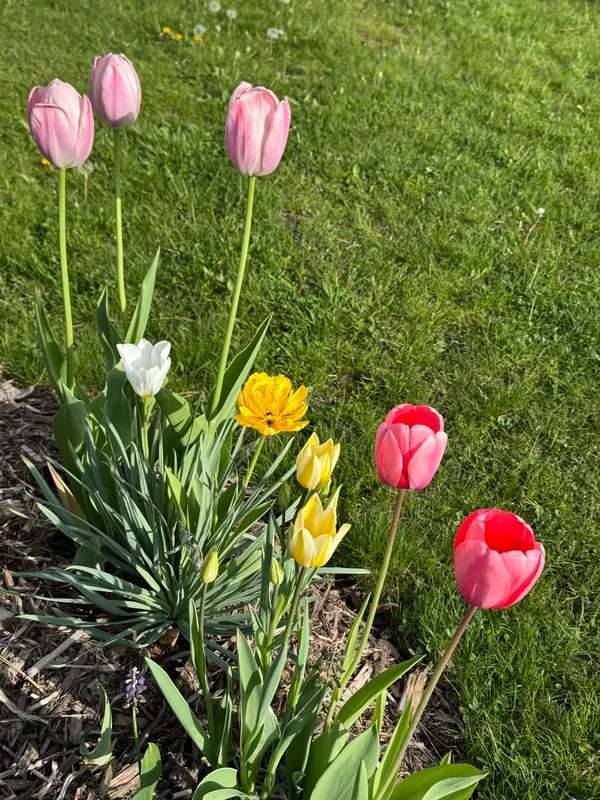
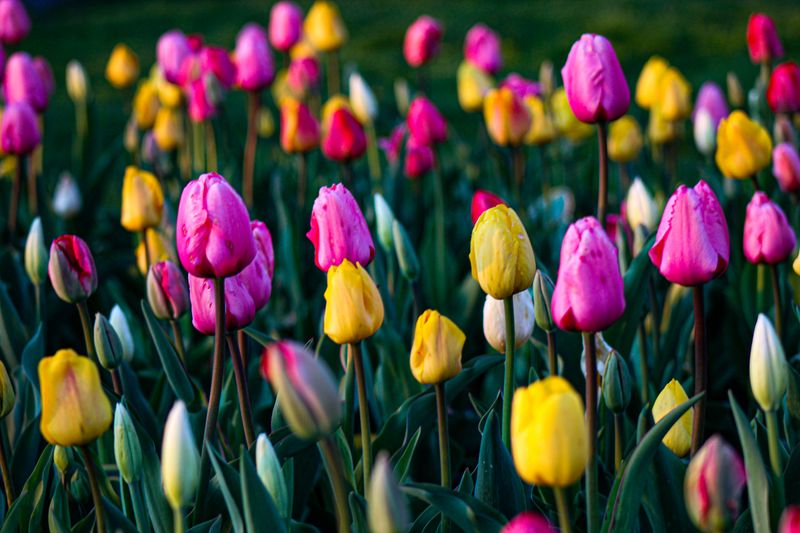
Tulips are perennials by nature, but many garden types fade after a year or two. Why some tulips return for years and how to plant for repeat blooms.
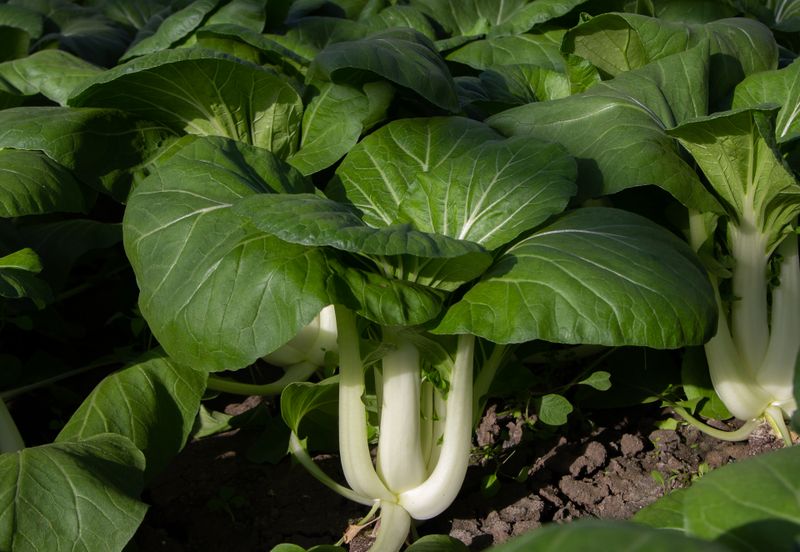
Bok choy grows fast from seed in cool weather, ready to cut in weeks. When to sow spring and fall crops, and how to stop it bolting in heat.
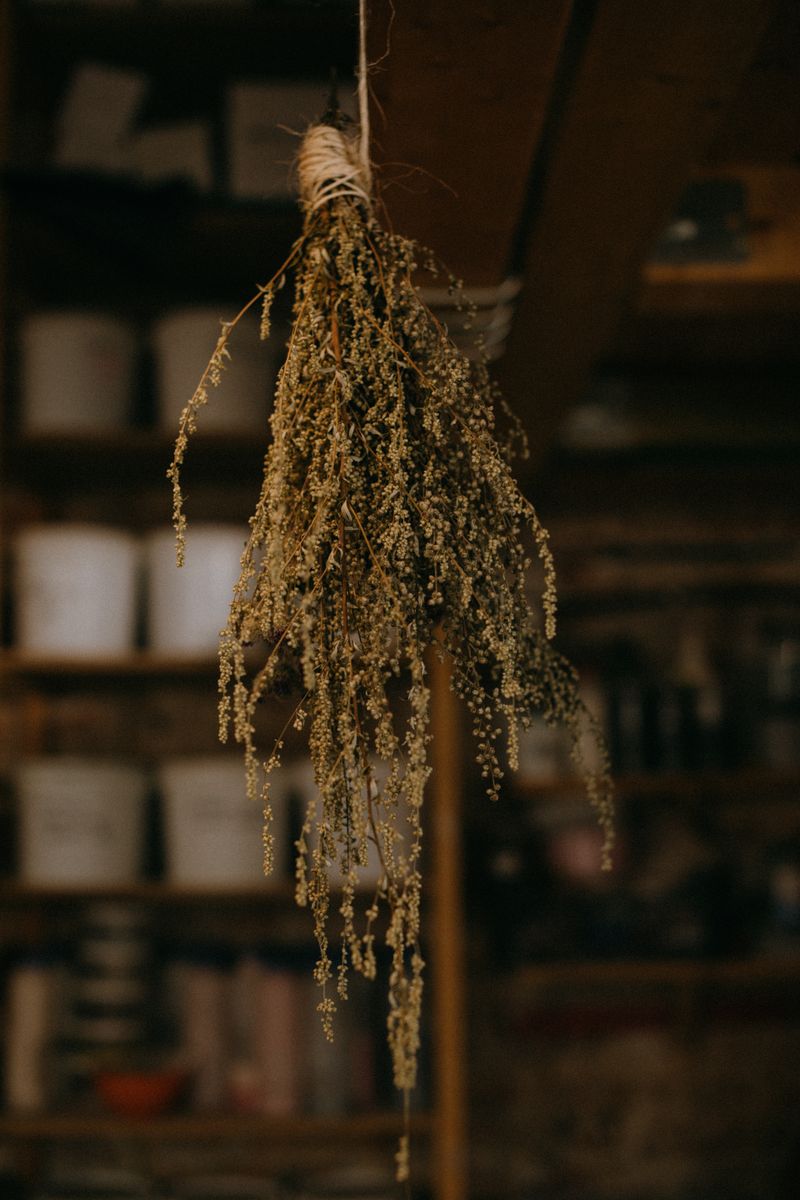
Dried parsley keeps its flavor if you dry it fast and store it right. Air-drying, oven and dehydrator methods, and the mistakes that turn it brown.
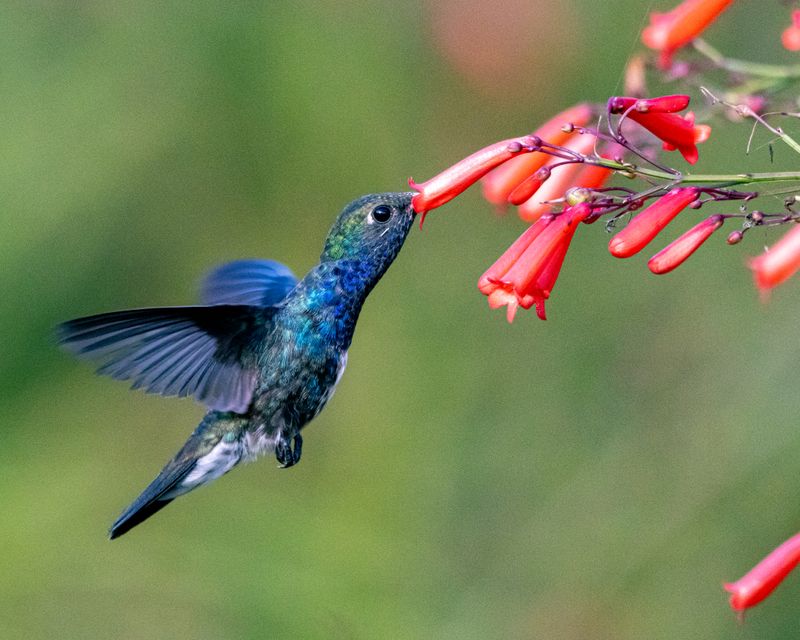
Hummingbirds return to gardens with tubular, nectar-rich flowers from spring to fall. How to plan a planting that keeps them coming all season.
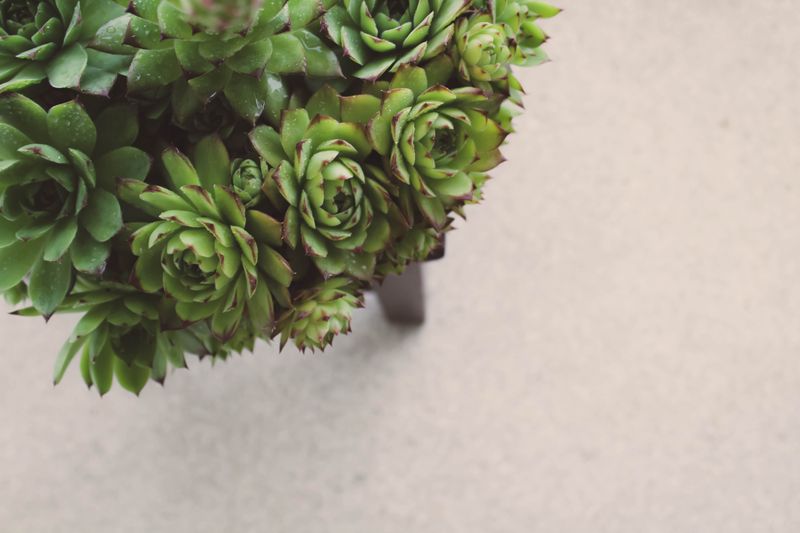
Hen and chicks spread into clusters of rosettes that shrug off drought and neglect. How to grow sempervivum in pots, rock gardens and dry sunny spots.
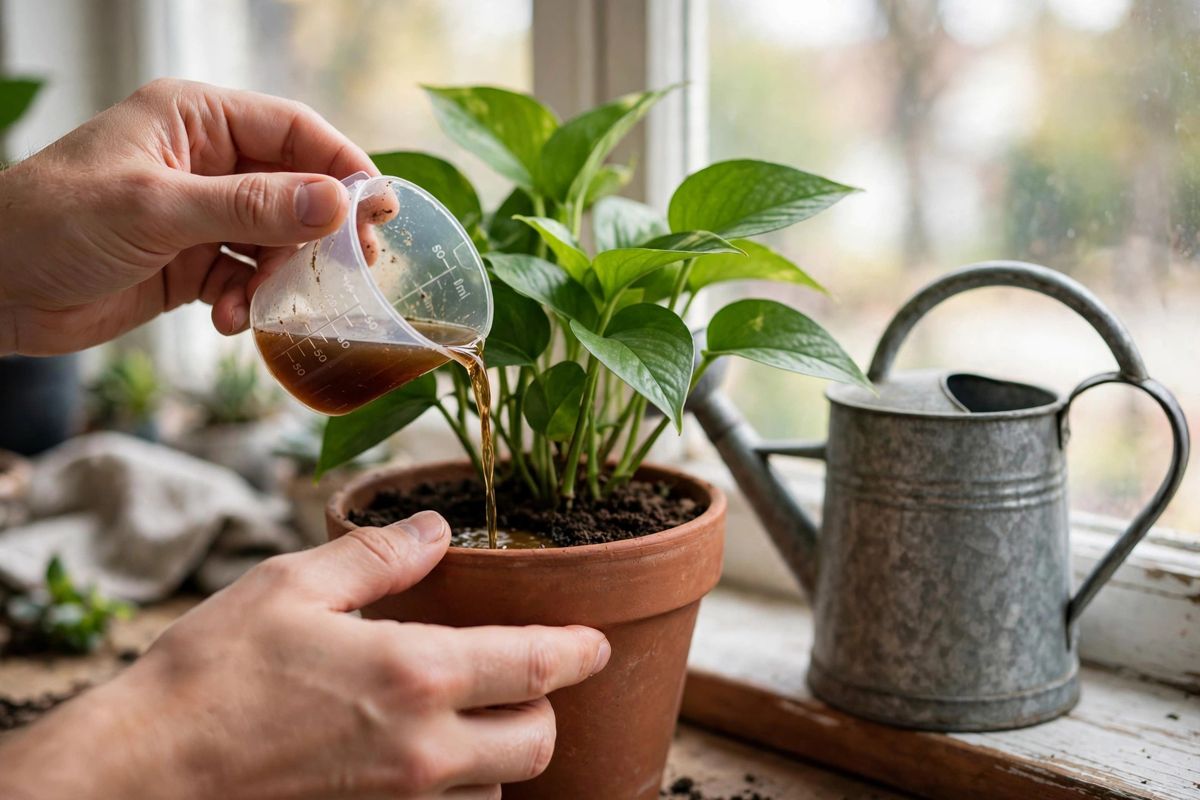
Houseplants need only a little food, but they need it at the right time. The half-strength monthly routine that keeps indoor plants growing without burning their roots.
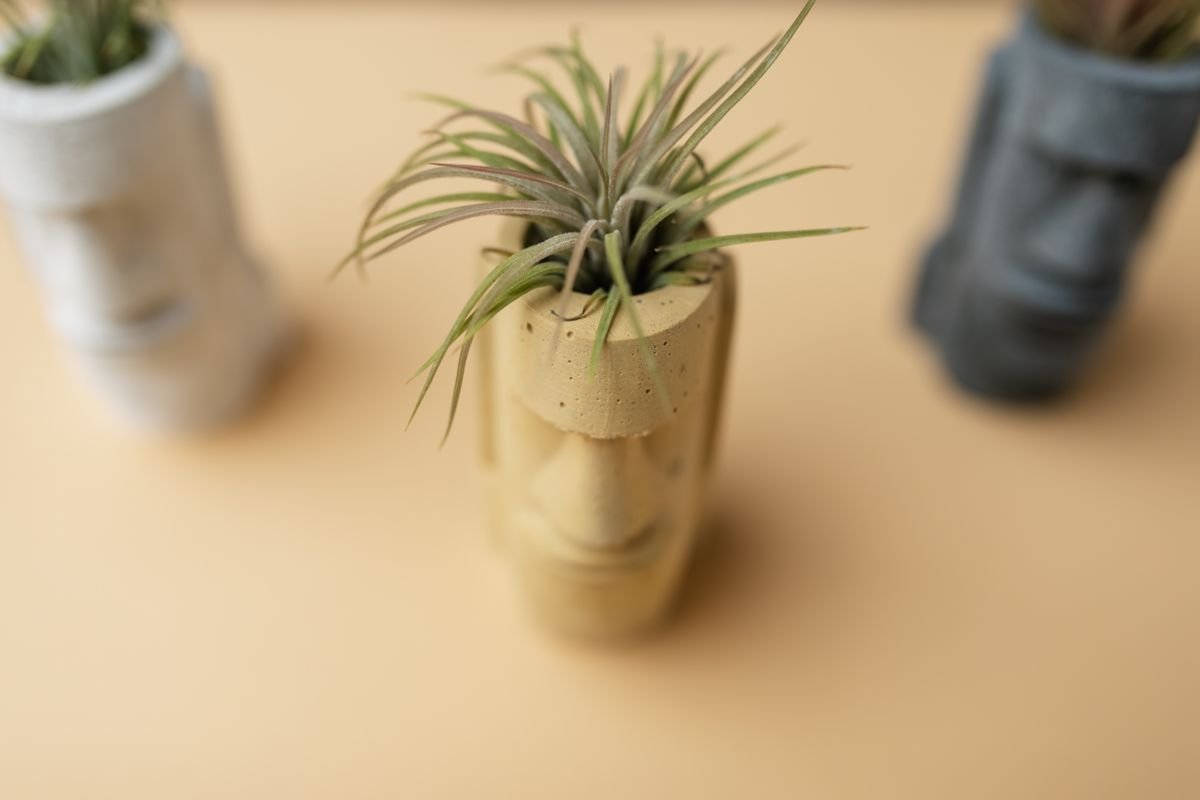
Air plants drink through their leaves, not their roots. The weekly soak, the drying rule, and the tiny dose of feed that keeps Tillandsia alive.
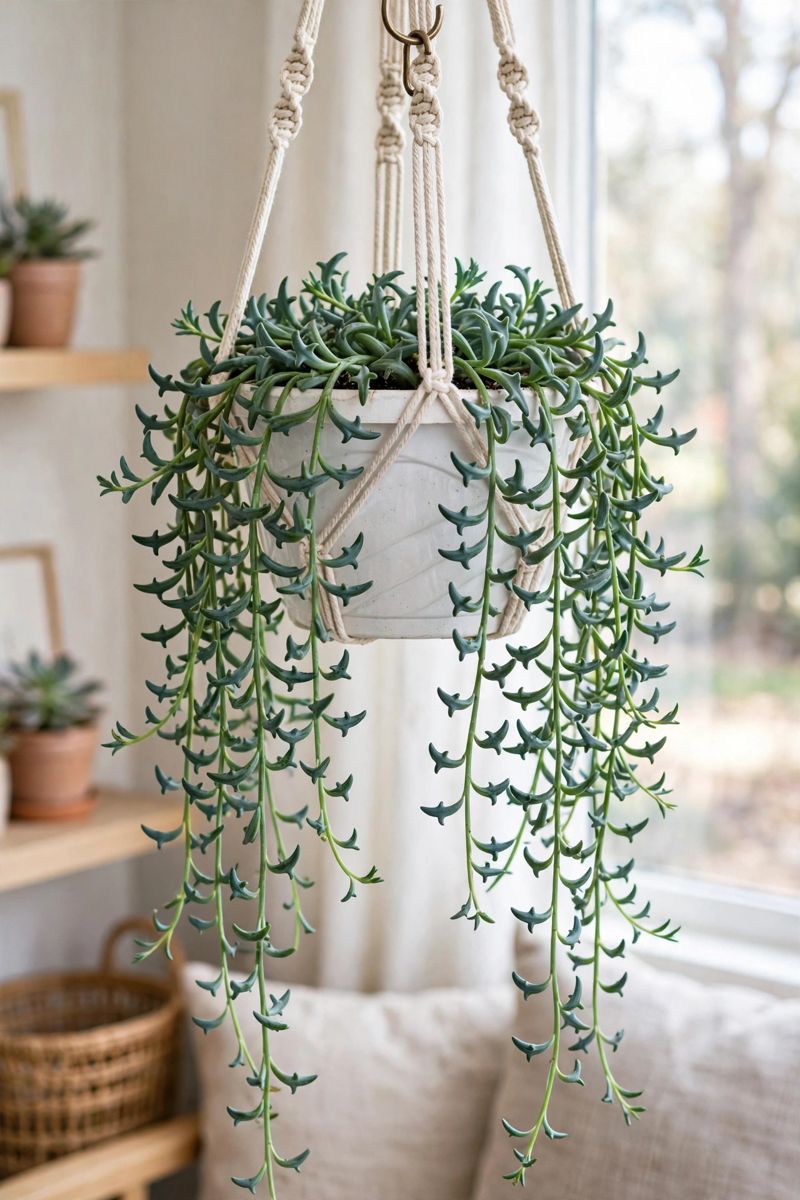
A trailing succulent whose leaves look like tiny leaping dolphins. Bright light, gritty mix and a light hand with water keep it cascading.
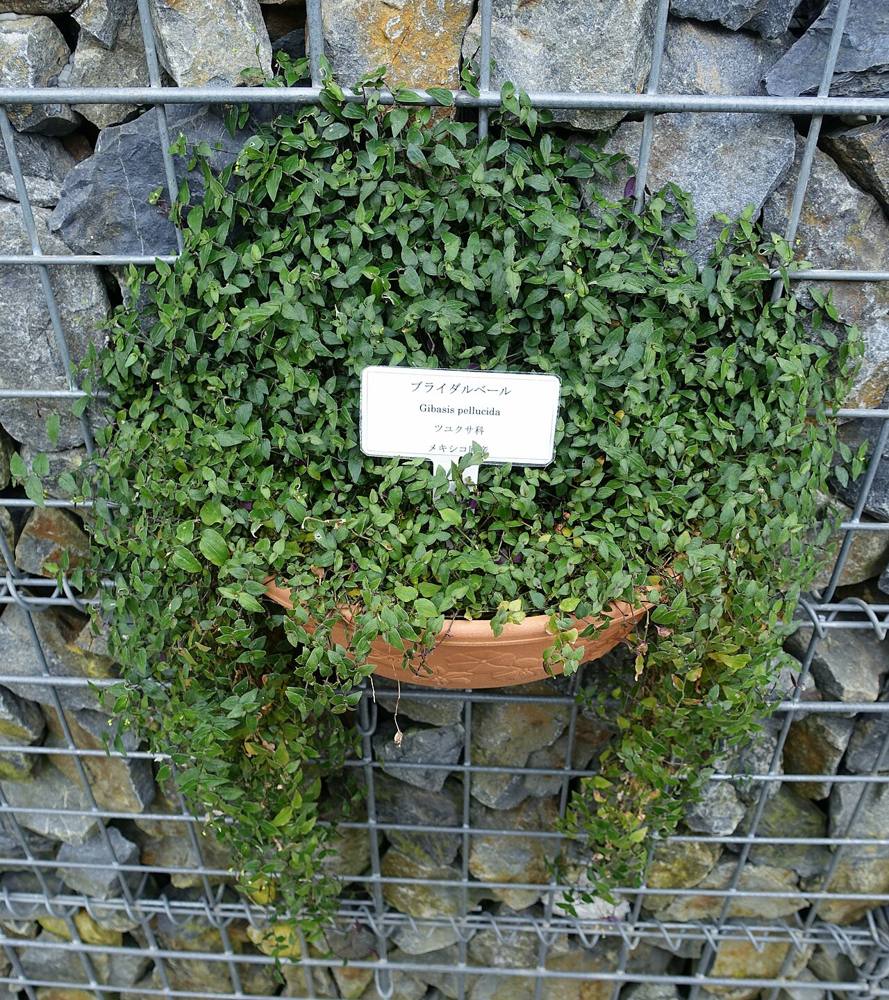
A curtain of fine green foliage studded with tiny white flowers. Bright indirect light, steady moisture and a pinch back now and then keep the veil full.
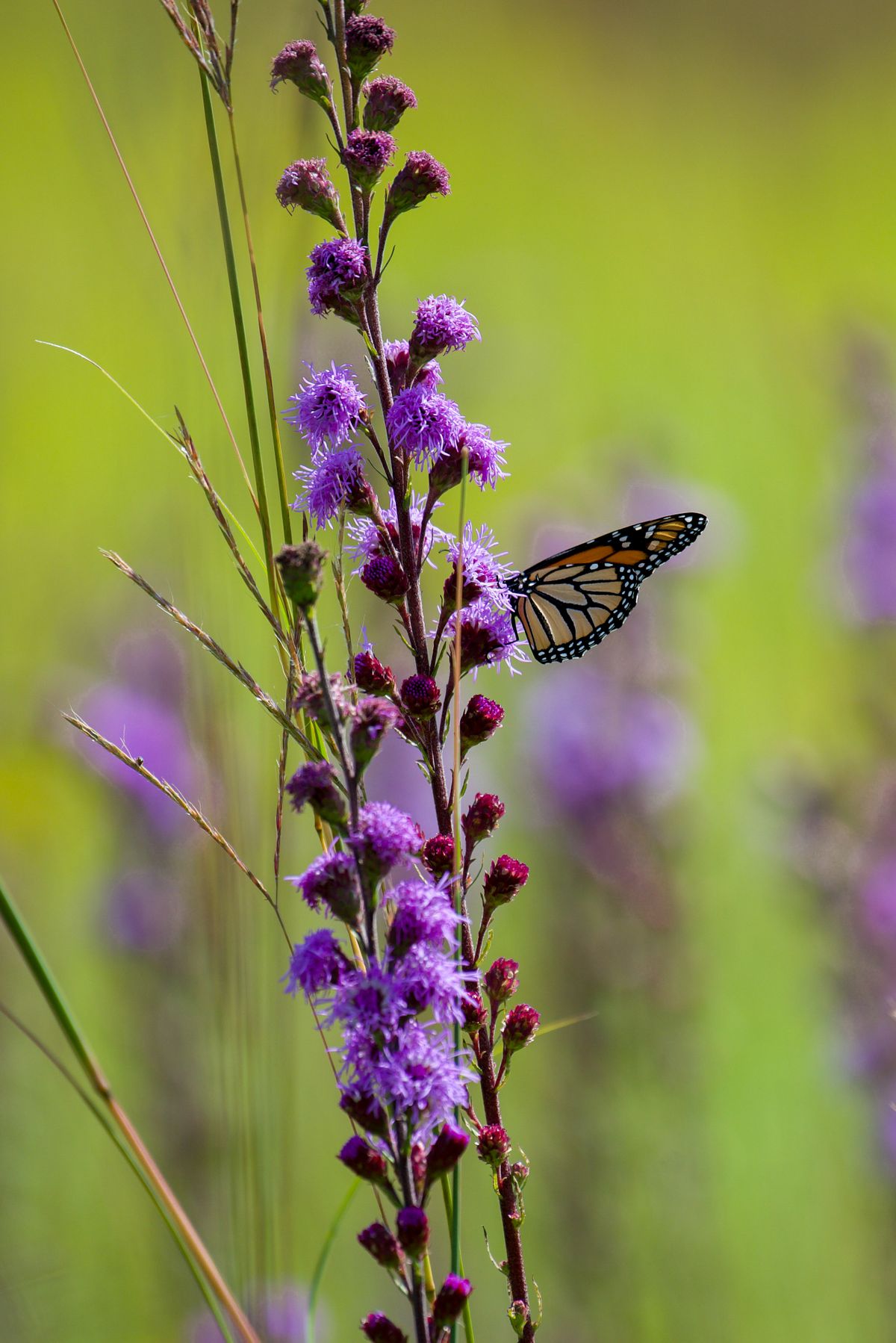
Tall purple spikes that butterflies cannot resist. Liatris is a prairie native that wants sun, sharp drainage and almost no fuss.
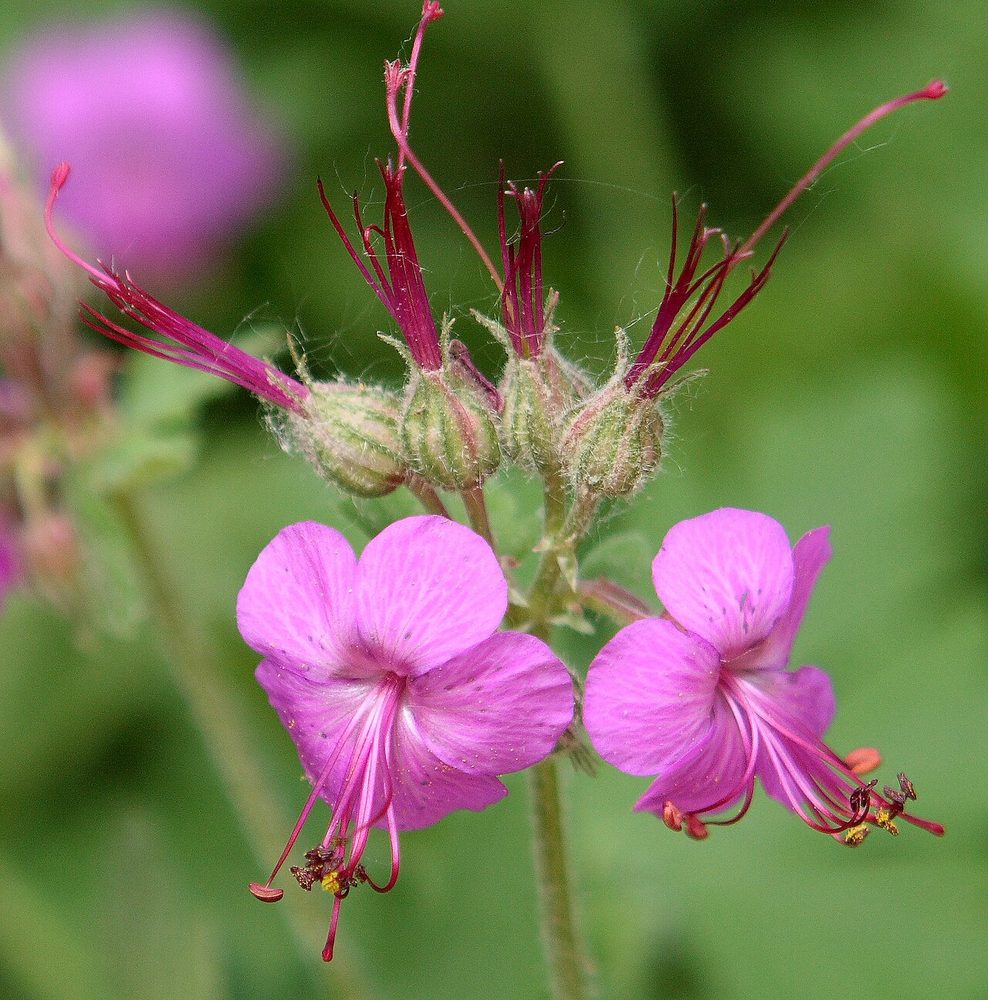
The weed-proof groundcover with scented leaves and magenta flowers. Bigroot geranium knits dry shade into a carpet that needs almost nothing.
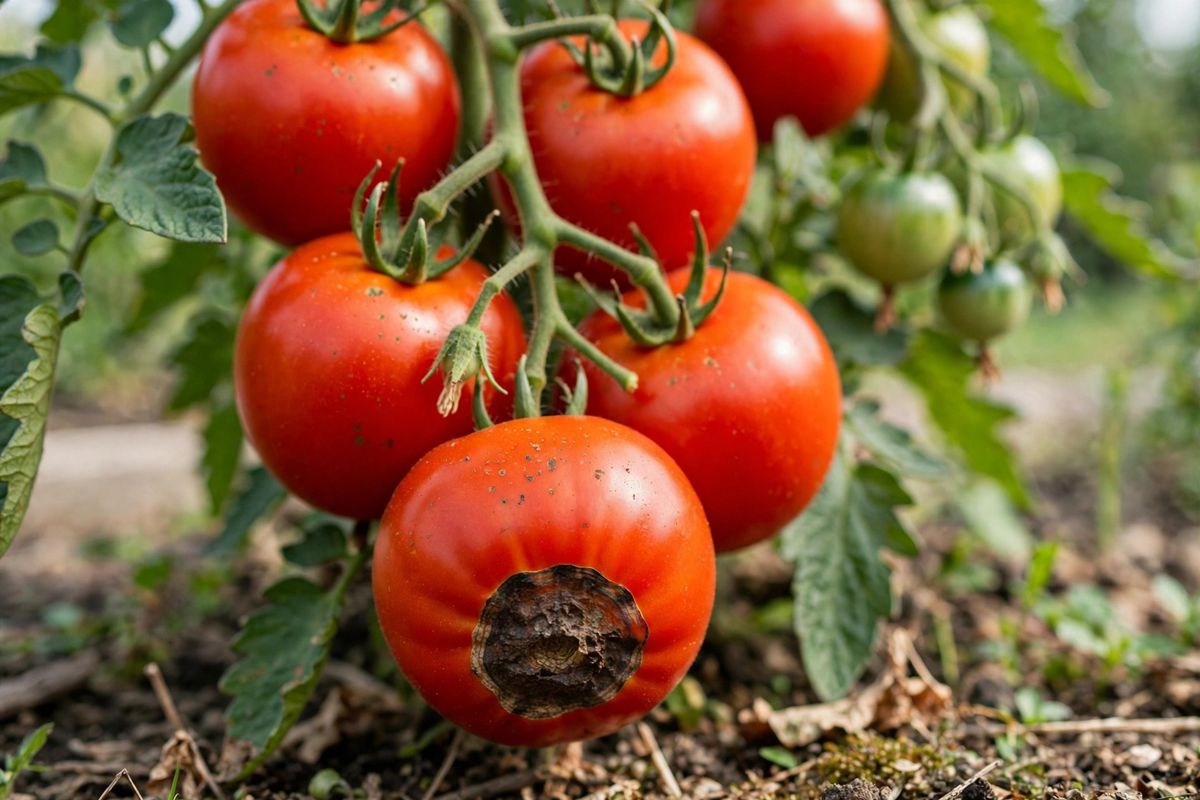
A dark, sunken patch on the blossom end of a tomato is not a disease — it is a watering problem. Why it happens and how steady water fixes it.
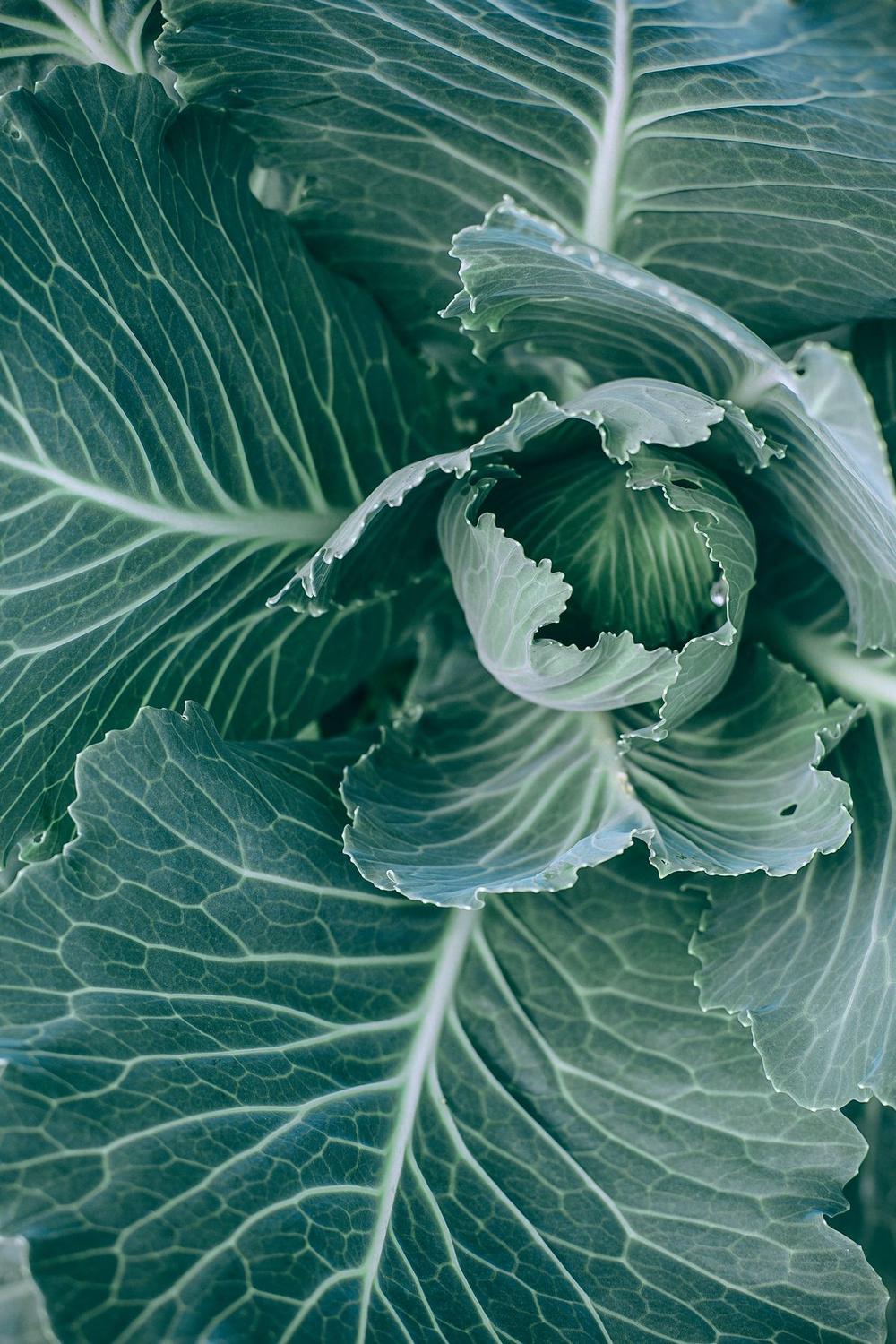
Firm soil, steady water and room to heart up. Growing cabbage heads that are dense, sweet and free of caterpillar holes.
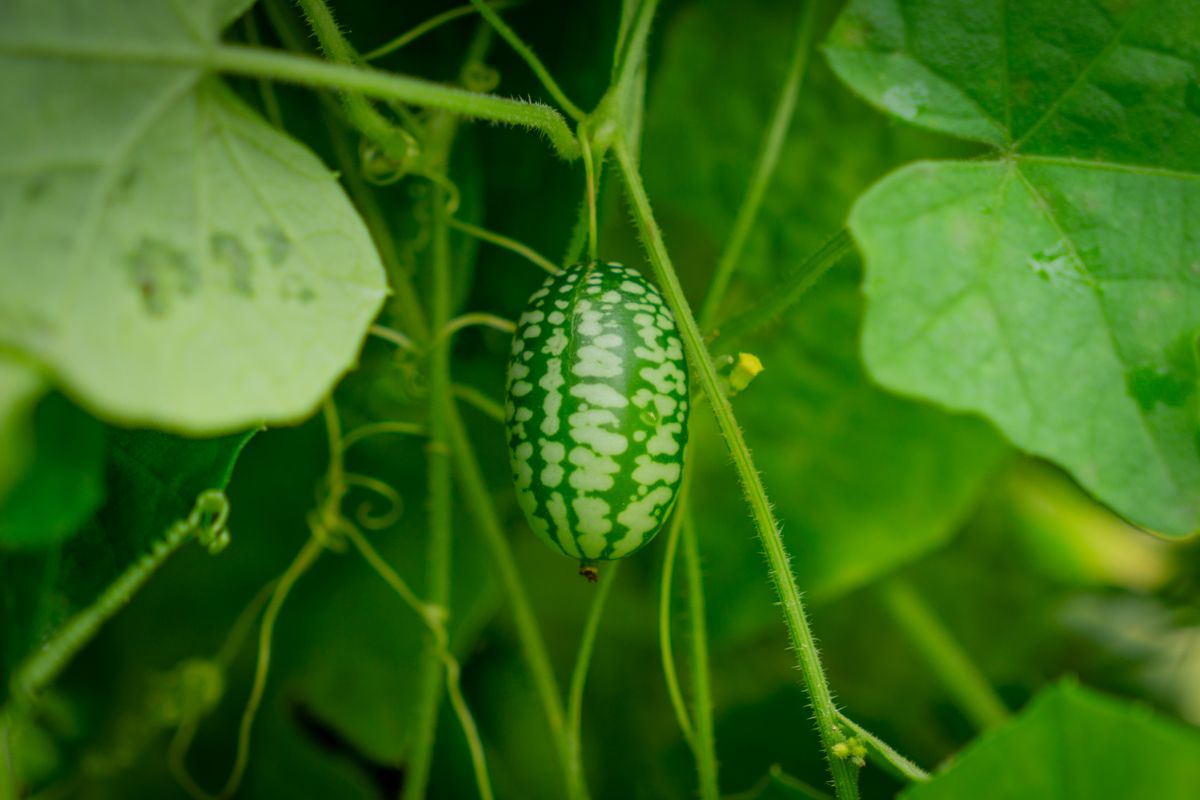
Tiny fruits that look like watermelons and taste like cucumber with lime. Sowing, trellising and picking cucamelons at grape size.
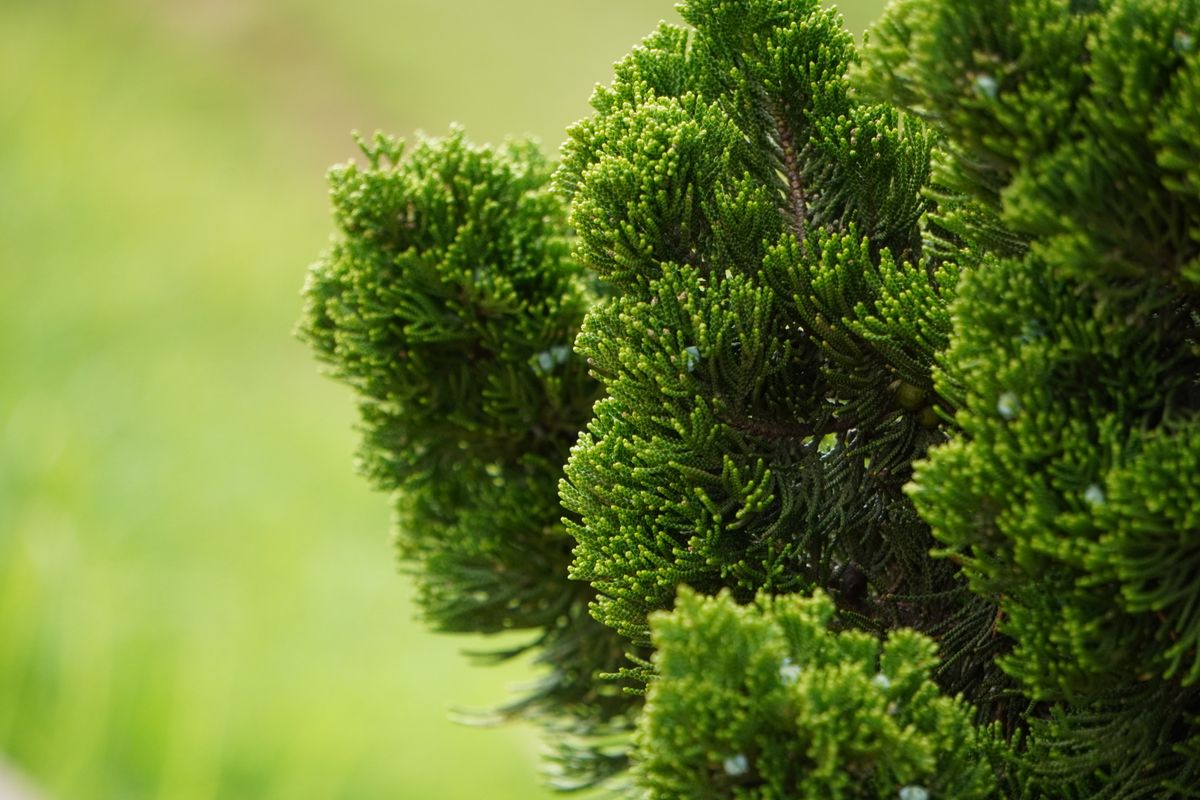
A slow, dense evergreen that gives a garden its bones year-round. Growing hinoki false cypress in sun or light shade with almost no pruning.