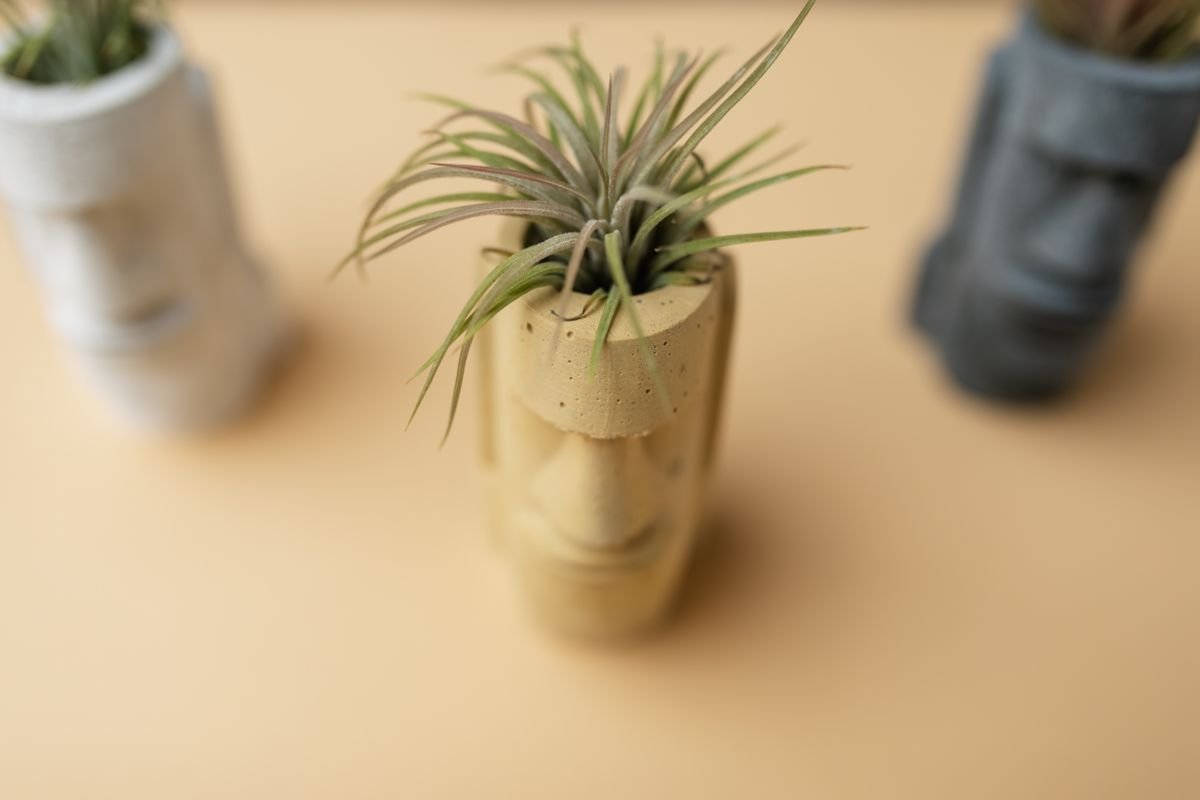
Air plants drink through their leaves, not their roots. The weekly soak, the drying rule, and the tiny dose of feed that keeps Tillandsia alive. It sounds specialist, but like most gardening it comes down to a few fundamentals done in the right order — this guide walks through them one at a time, with the timings and quantities that actually matter.
What you will need
- A bright spot out of direct sun
- A bowl or sink for soaking
- Rainwater or soft tap water, left out overnight
- A towel or drying rack
- A mister for dry weeks
- A hook, shell or piece of wood to display them
Step by step
Step 1
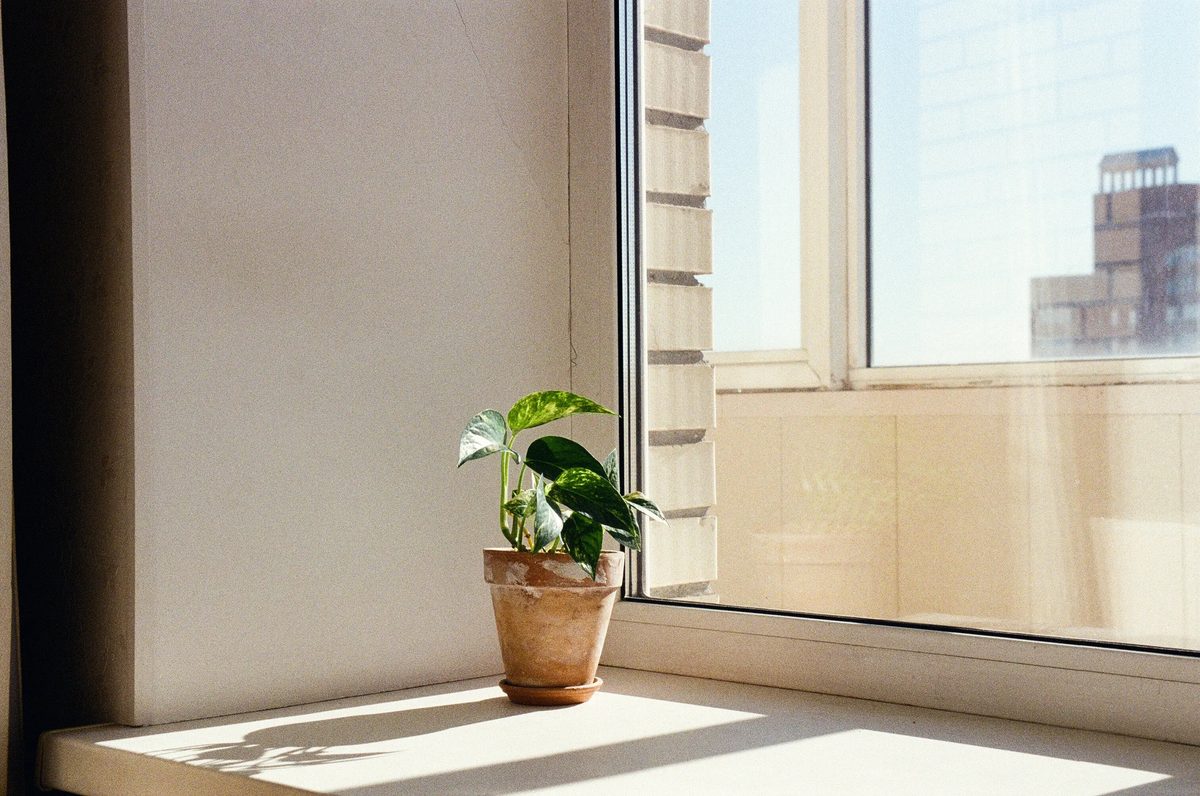
Give air plants bright, indirect light — a few feet from a sunny window, or under a grow light; direct midday sun scorches the silvery leaves, while a dim shelf starves them.
Step 2
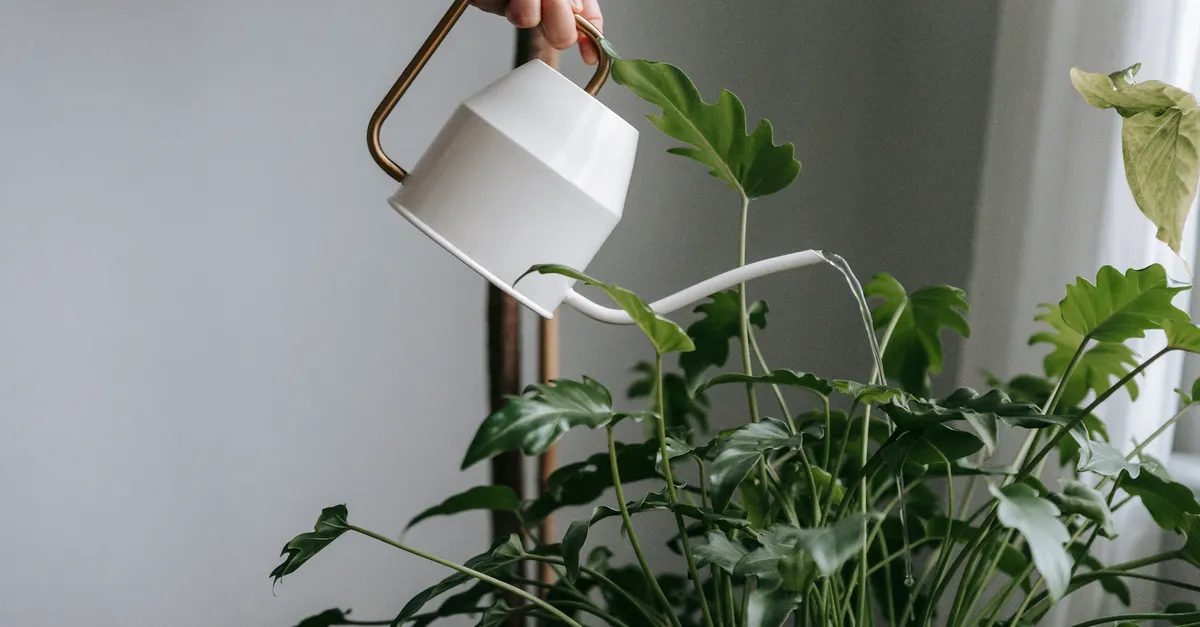
Soak the plants in a bowl of room-temperature rainwater for 20 to 30 minutes once a week — submerge them fully, then shake off the excess and set them upside down to dry.
Step 3
Feed once a month in spring and summer with a tiny dose of air-plant or orchid fertilizer in the soak water — a pinch is plenty, because air plants take their food from the air and a strong dose burns the leaf tips.

Step 4
Wipe the silvery leaves gently with a damp cloth when they look dusty — the tiny scales on the leaves are how the plant drinks, and dust blocks them.
Step 5
Air plants never need repotting — instead, check the mount each spring: re-tie any plant that has outgrown its hook or driftwood, and move the pups to their own perch when they reach a third of the parent's size.
Expert tip
Write down the date you do this. Gardening advice is full of ‘weeks later’ — and the gardeners who improve fastest are the ones who can check what ‘later’ actually was.
Common mistakes
Watch out for
- Misting instead of soaking — a quick mist wets the surface and evaporates; only a weekly soak truly hydrates an air plant.
- Leaving the plant wet overnight — water sitting in the leaf base rots the crown; always dry it upside down after soaking.
- Feeding with ordinary houseplant fertilizer at full strength — air plants burn easily; use air-plant or orchid feed at a quarter dose.
Keep exploring this topic with How to Grow Flowers Indoors, or browse the full Houseplants & Indoor Care section.
Frequently asked questions
How often should I water air plants?
Soak once a week for 20 to 30 minutes, more often in hot, dry rooms. Misting between soaks helps in dry air, but it never replaces the soak.
Why are the leaf tips turning brown?
Usually underwatering or fertilizer burn. Soak on a steady weekly rhythm, dry the plant upside down after each soak, and feed only at a quarter dose.