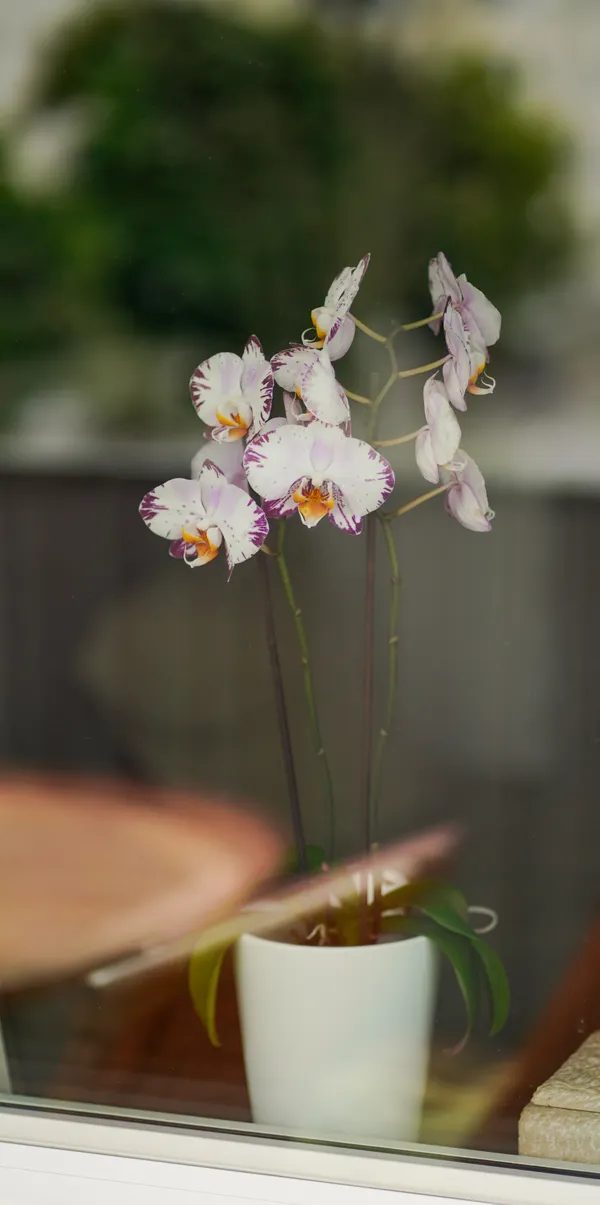
Flowering indoors is mostly a light problem. The plants that genuinely bloom on a windowsill — and how to keep them going. It sounds specialist, but like most gardening it comes down to a few fundamentals done in the right order — this guide walks through them one at a time, with the timings and quantities that actually matter.
What you will need
- A bright windowsill or a grow light
- Pots with drainage holes
- Free-draining houseplant compost
- A narrow-spout watering can
- Liquid feed for the growing season
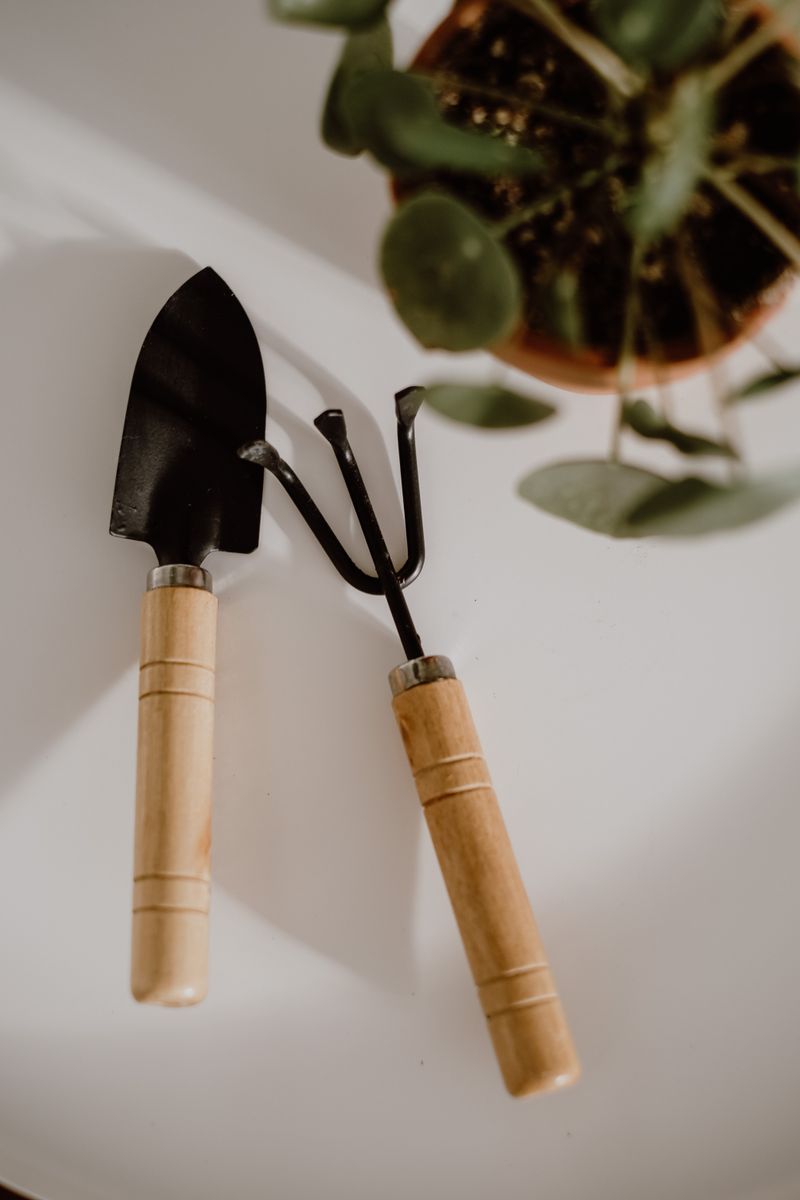
- A soft cloth for wiping leaves
Step by step
Step 1
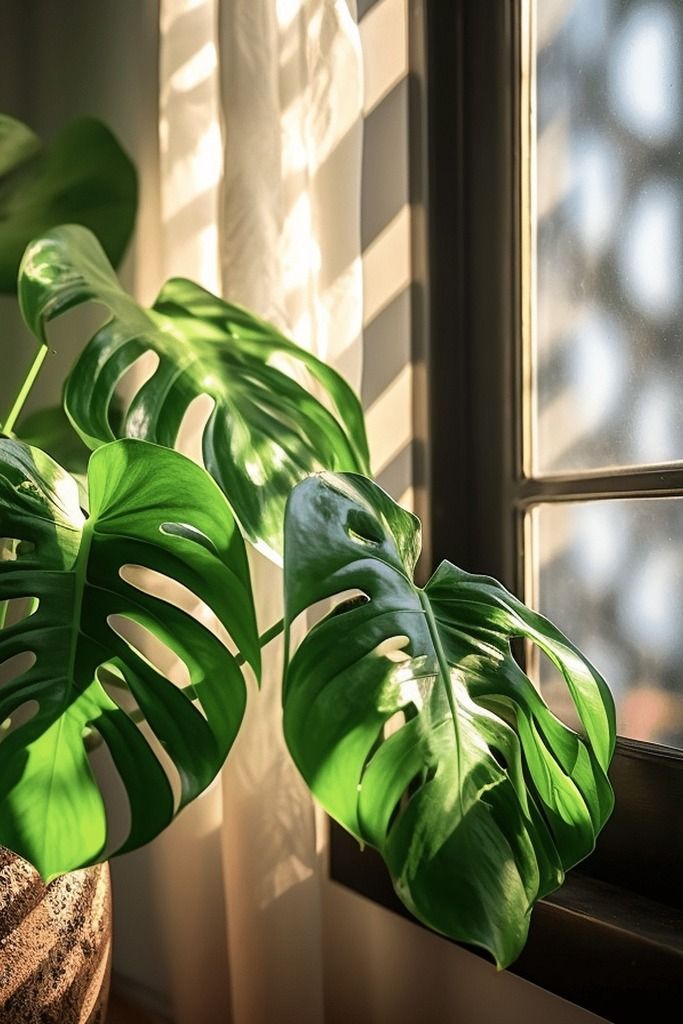
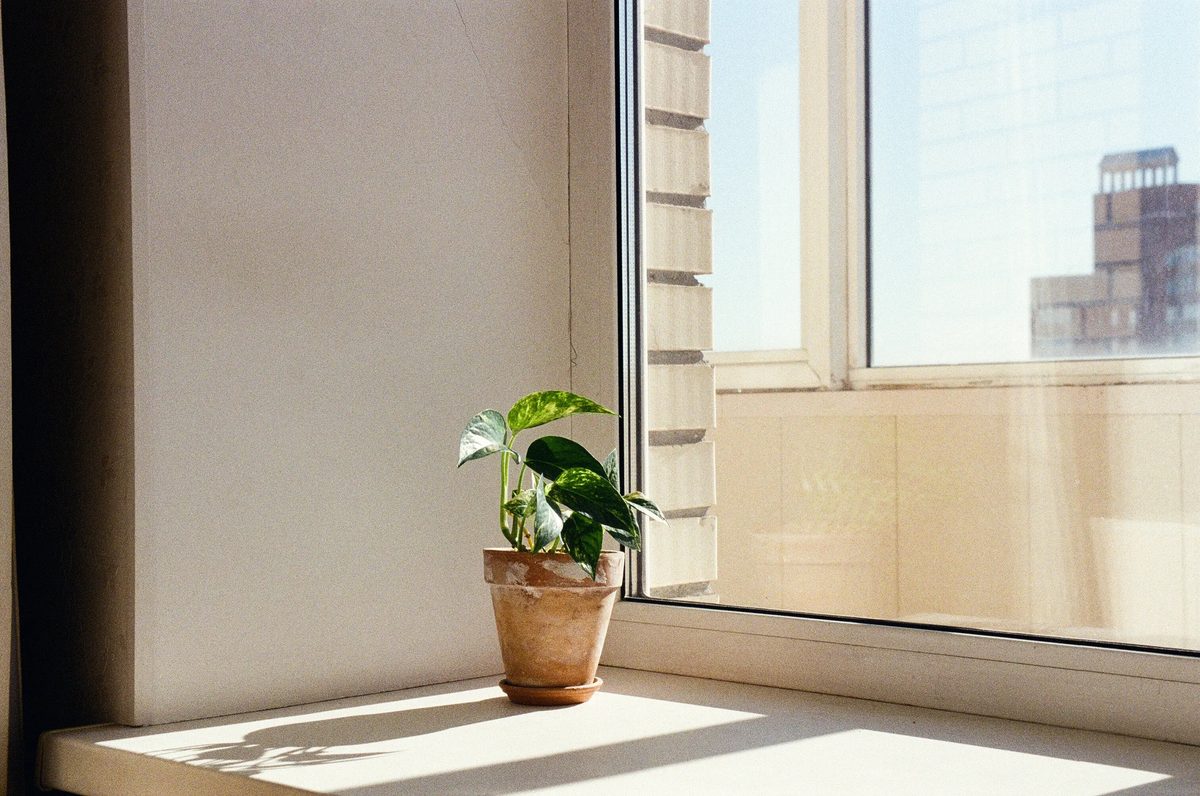
Match the flower to your light first — a south or west windowsill suits orchids and African violets, while a bright north window suits peace lilies; most indoor flowers fail from too little light, not too little water.
Step 2
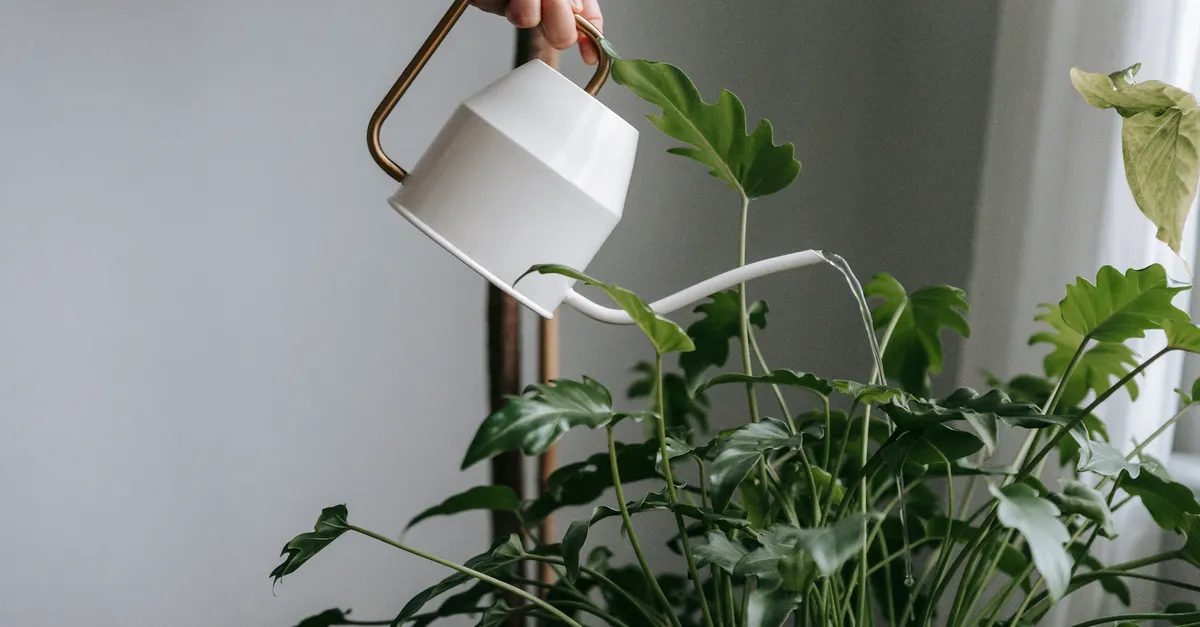
Water by the soak-and-dry method: drench the compost, let it drain fully, and never leave the pot standing in water — soggy roots rot before the plant ever blooms.

Step 3
Feed every two weeks from spring to early autumn with liquid feed at half strength; flowers need steady food to keep blooming, but rich feeding in winter forces soft growth that flops.
Step 4
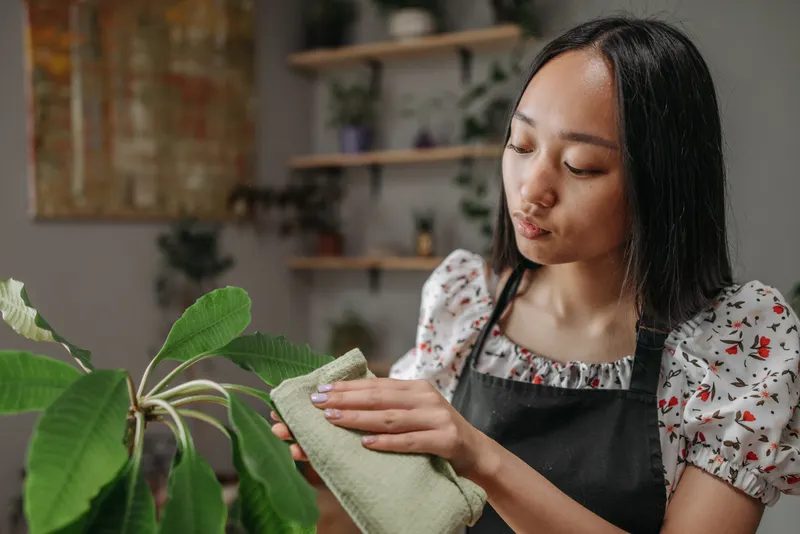
Wipe the leaves monthly with a damp cloth so dust does not dim the light the plant lives on — clean leaves photosynthesize harder and bloom longer.
Step 5
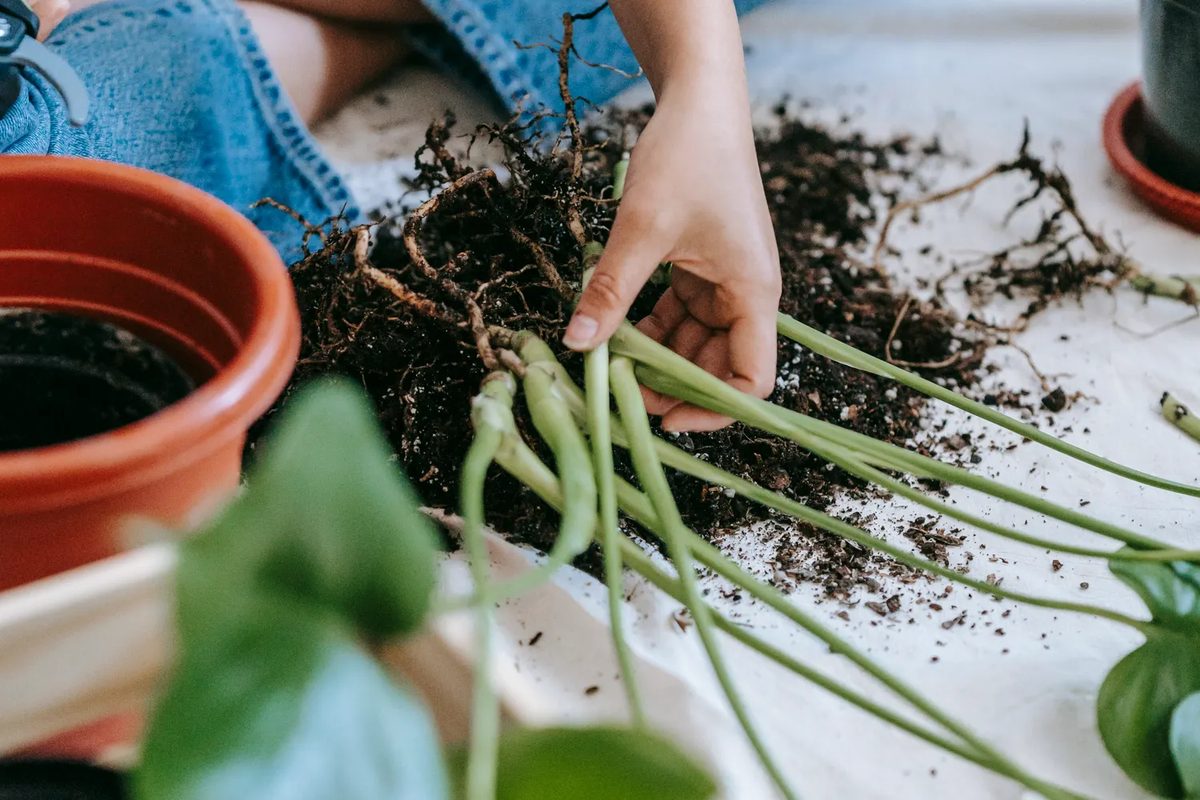
Repot one size up in spring when roots circle the drainage hole, keeping the plant at the same depth — a cramped pot stops blooming long before the plant looks crowded.
Expert tip
Write down the date you do this. Gardening advice is full of ‘weeks later’ — and the gardeners who improve fastest are the ones who can check what ‘later’ actually was.
Common mistakes
Watch out for
- Watering on a fixed schedule instead of checking the soil — a plant in a cool room may need water half as often as one in a warm room.
- Moving a flowering plant into direct noon sun straight from a shop shelf — the leaves scorch and the buds drop within days.
- Letting spent blooms sit — dead flowers drain energy that should go into the next buds.
Keep exploring this topic with Foliage Plants: The Indoor Backbone, or browse the full Houseplants & Indoor Care section.
Frequently asked questions
Which flowers bloom best indoors?
African violets, orchids, peace lilies and begonias bloom reliably indoors with bright indirect light. Most need at least a few hours of good light a day — a dark corner will keep the leaves alive but rarely gives flowers.
Why do my indoor flowers drop their buds?
Usually a sudden change: a cold draft, a move to a darker spot, or dry air. Keep the plant in one place, out of drafts, and the buds usually stay.