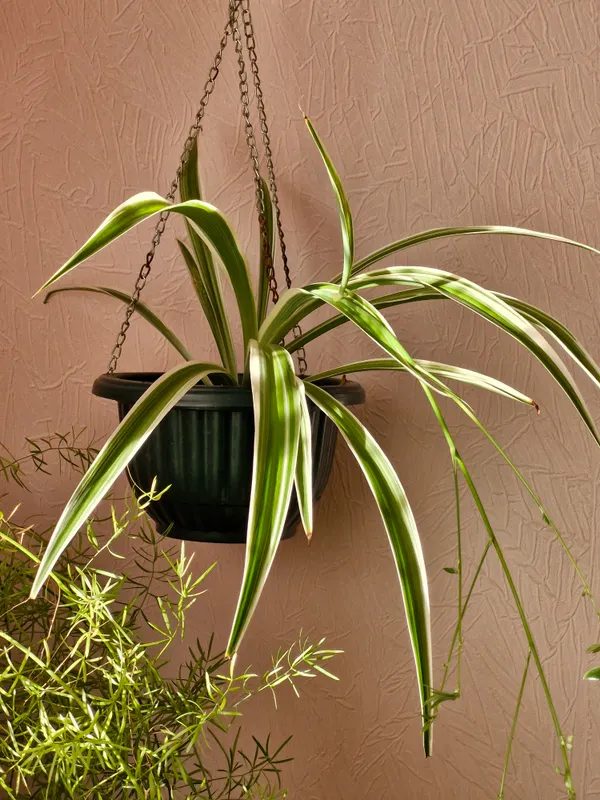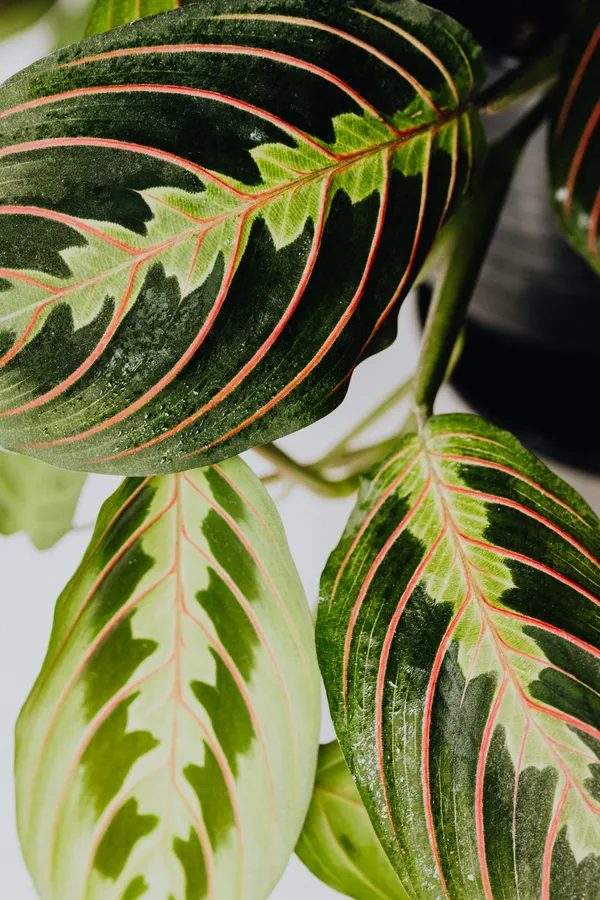
Why maranta leaves fold at night, the humidity trick that stops crispy edges, and the water it actually wants. It sounds specialist, but like most gardening it comes down to a few fundamentals done in the right order — this guide walks through them one at a time, with the timings and quantities that actually matter.
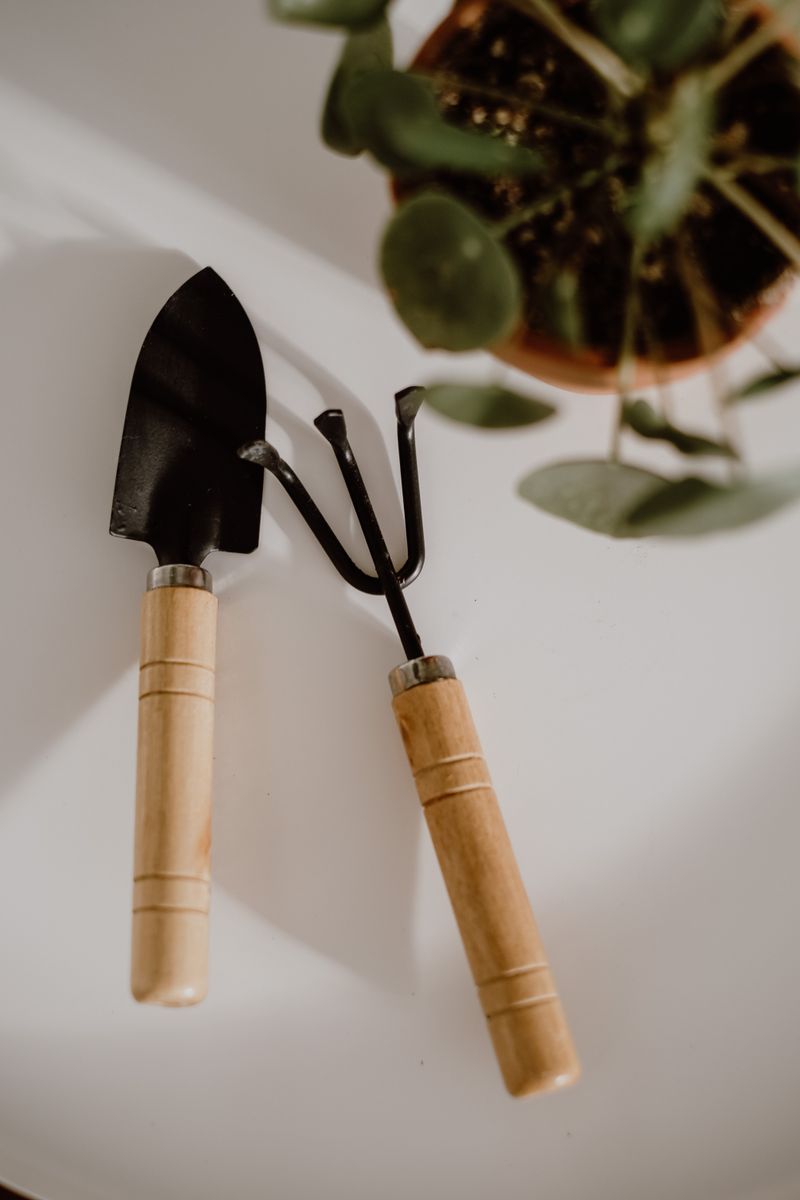
What you will need
- A pot with drainage holes
- Free-draining houseplant compost
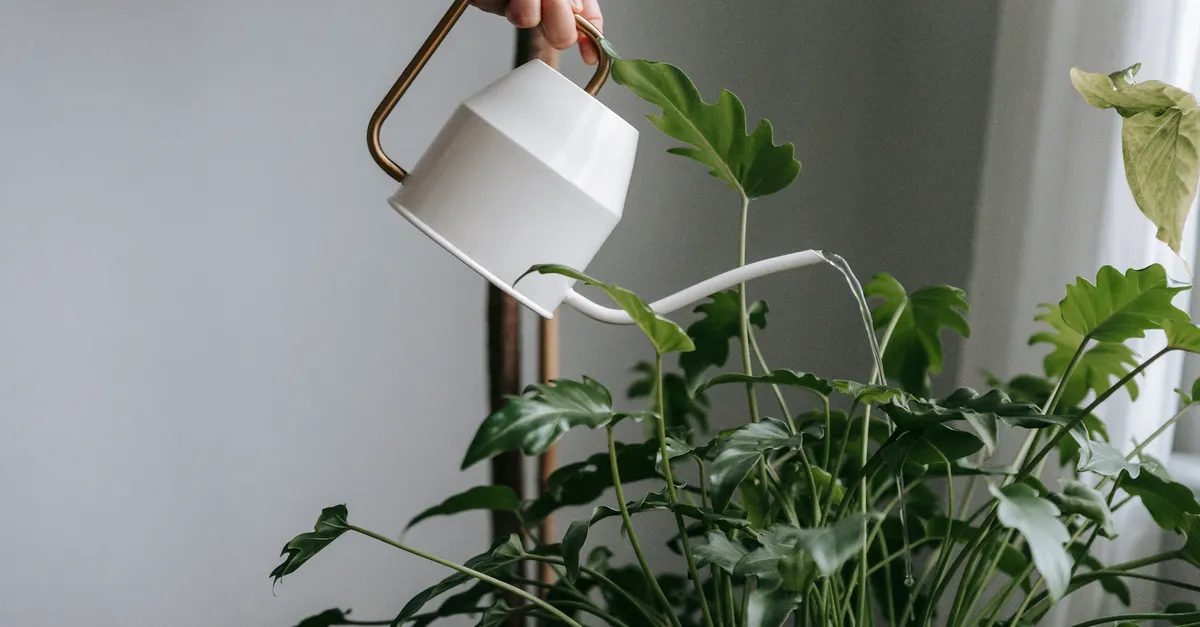
- A watering can with a narrow spout
- A mister or pebble tray for humidity
- Liquid feed for the growing season
Step by step
Step 1
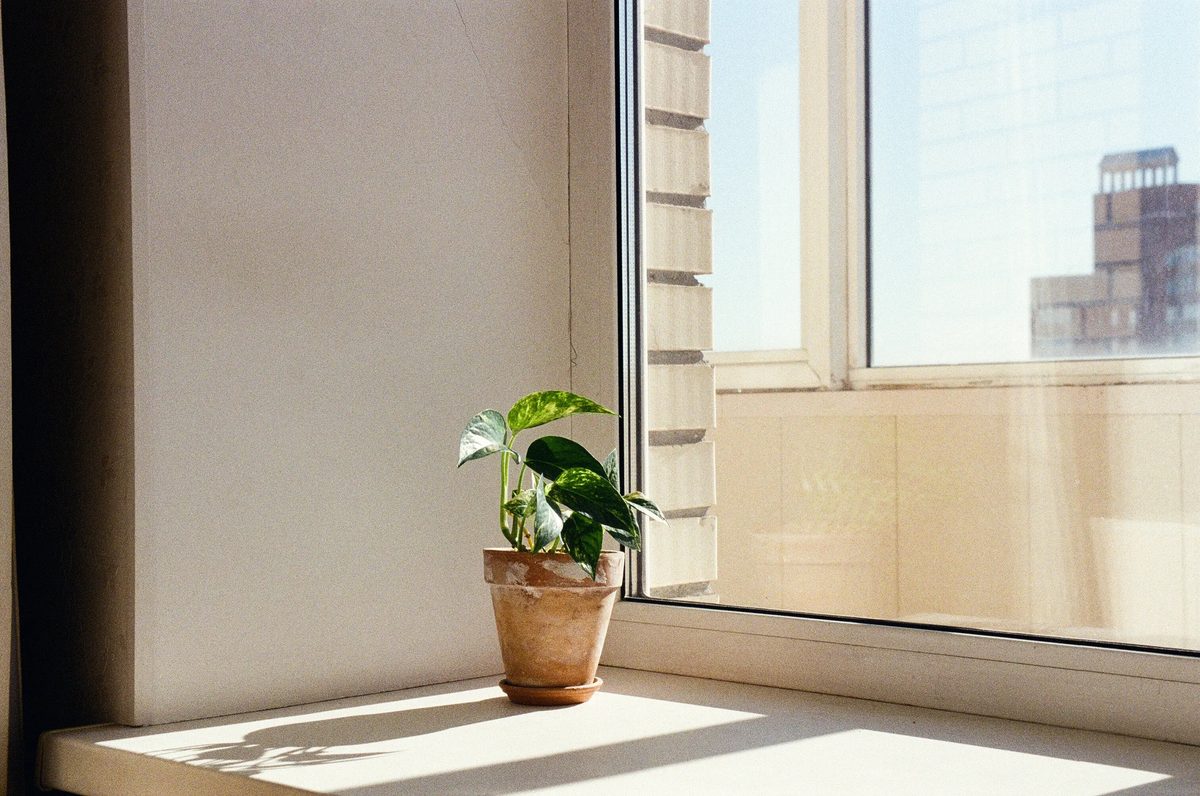
Match the plant to your light first — most indoor deaths are light deaths, not water deaths.
Step 2
Water by the soak-and-dry method: drench, drain fully, and never leave the pot standing in water.
Step 3
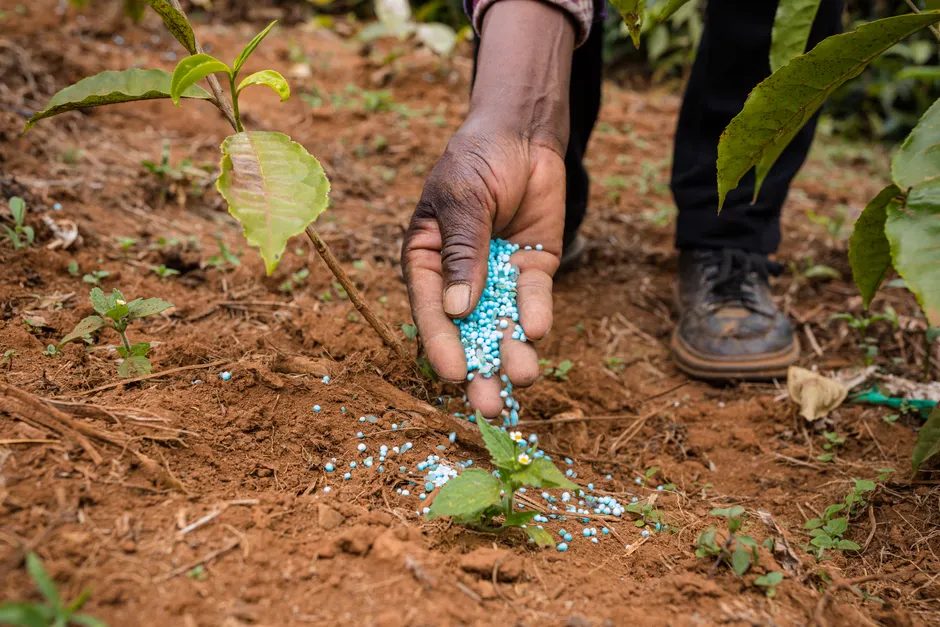
Feed monthly from spring to early autumn; stop in winter when growth pauses.
Step 4
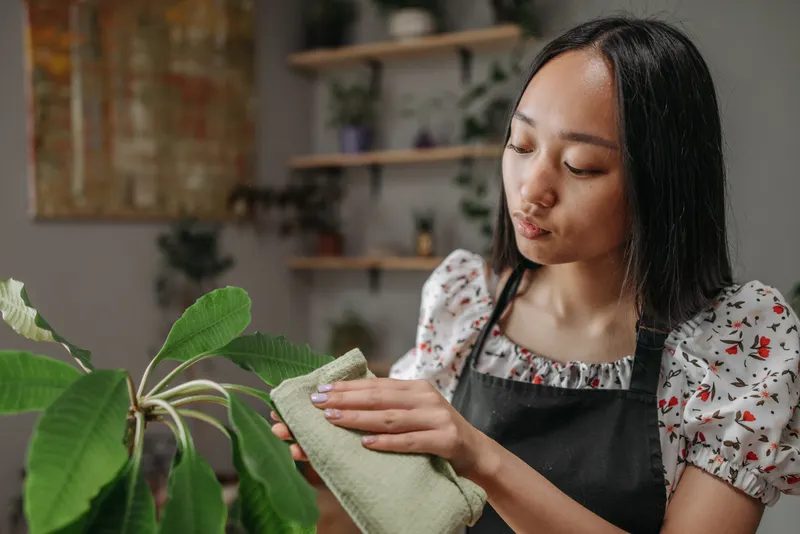
Wipe leaves monthly so dust does not dim the light the plant lives on.
Step 5
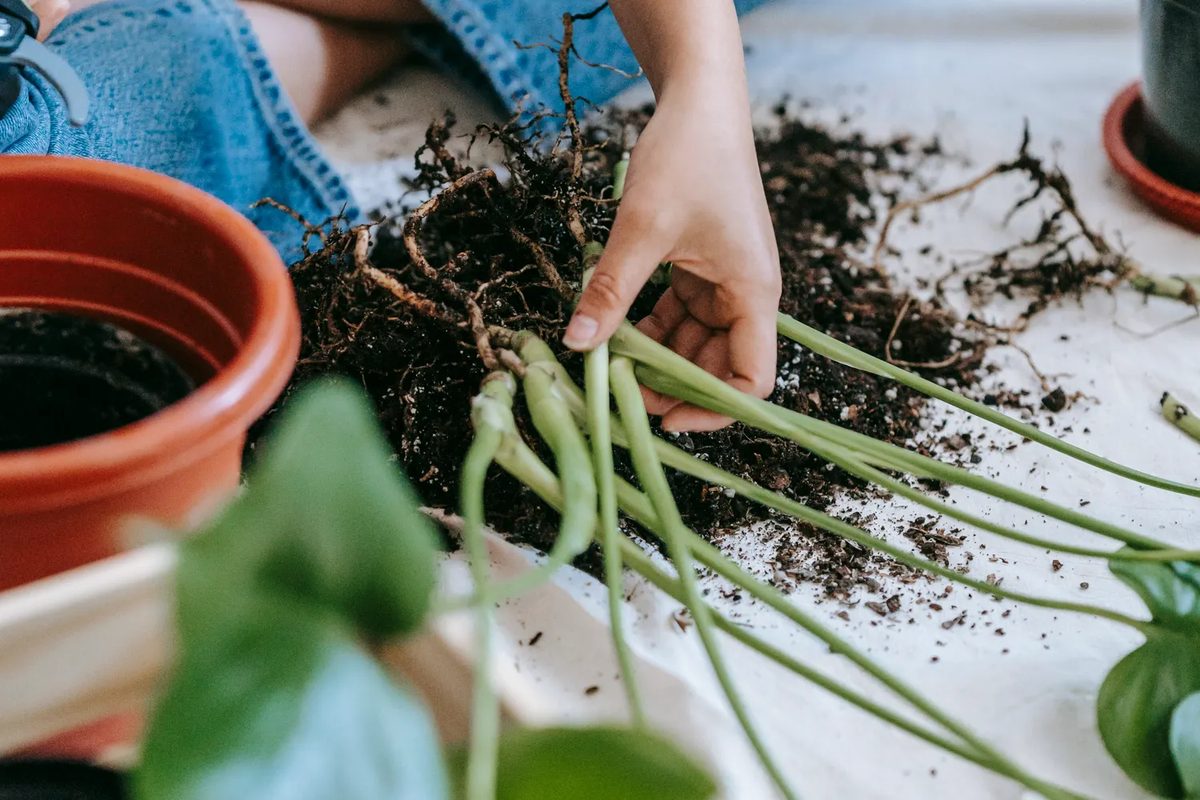
Repot one size up when roots circle the drainage hole, ideally in spring.
Expert tip
Write down the date you do this. Gardening advice is full of ‘weeks later’ — and the gardeners who improve fastest are the ones who can check what ‘later’ actually was.
Common mistakes
Watch out for
- Watering on a fixed schedule instead of checking the soil.
- Misting instead of raising real humidity for tropical plants.
- Moving a plant into direct noon sun straight from a shop shelf.
Keep exploring this topic with How to Grow Flowers Indoors, or browse the full Houseplants & Indoor Care section.
Frequently asked questions
How do I know if my light is ‘bright indirect’?
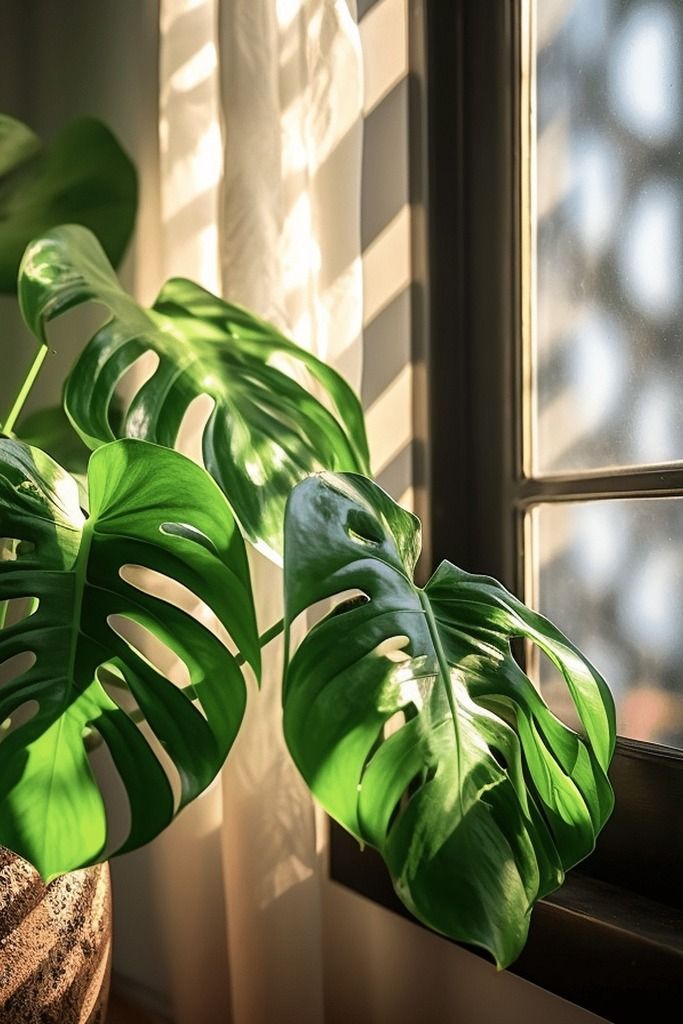
If you can read comfortably all day without a lamp and a sheer curtain softens the sun, that is bright indirect. A south or west window with the plant a meter back usually qualifies.
Why are the leaf tips brown?
Usually dry air, salts from tap water, or inconsistent watering. Flush the soil monthly and keep a steadier routine.