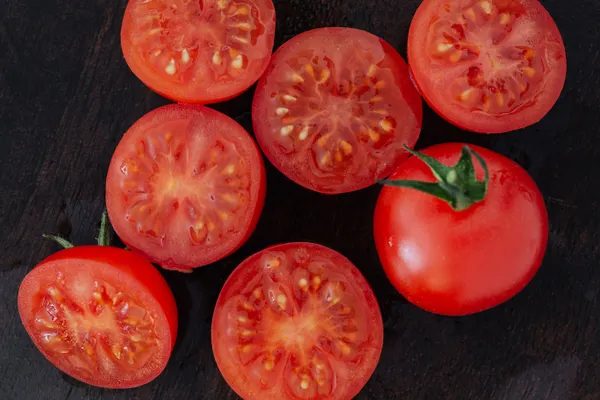
Slice, ferment, dry, sow: growing next year’s tomatoes from one supermarket fruit — and when not to bother. It sounds specialist, but like most gardening it comes down to a few fundamentals done in the right order — this guide walks through them one at a time, with the timings and quantities that actually matter.
What you will need
- Spade and fork
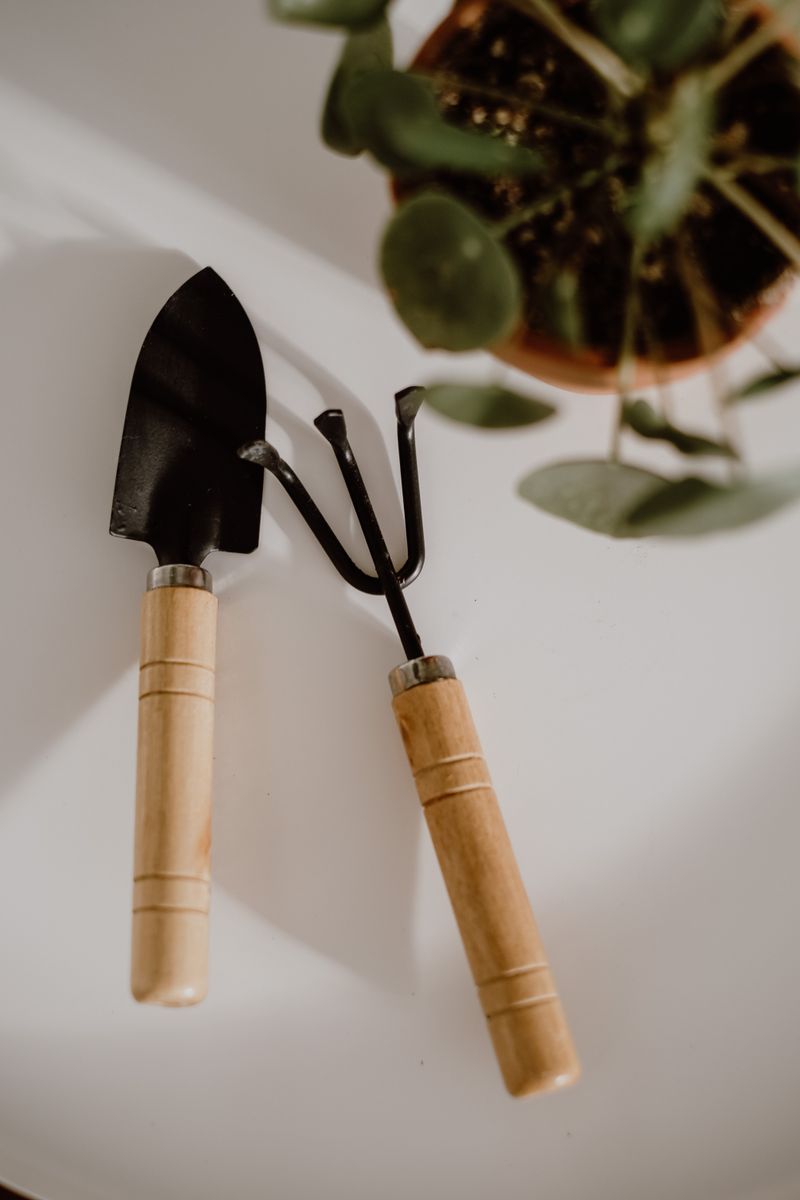
- Hand trowel
- Watering can or hose
- Seeds or young plants
- Compost and mulch
- Labels and string
Step by step
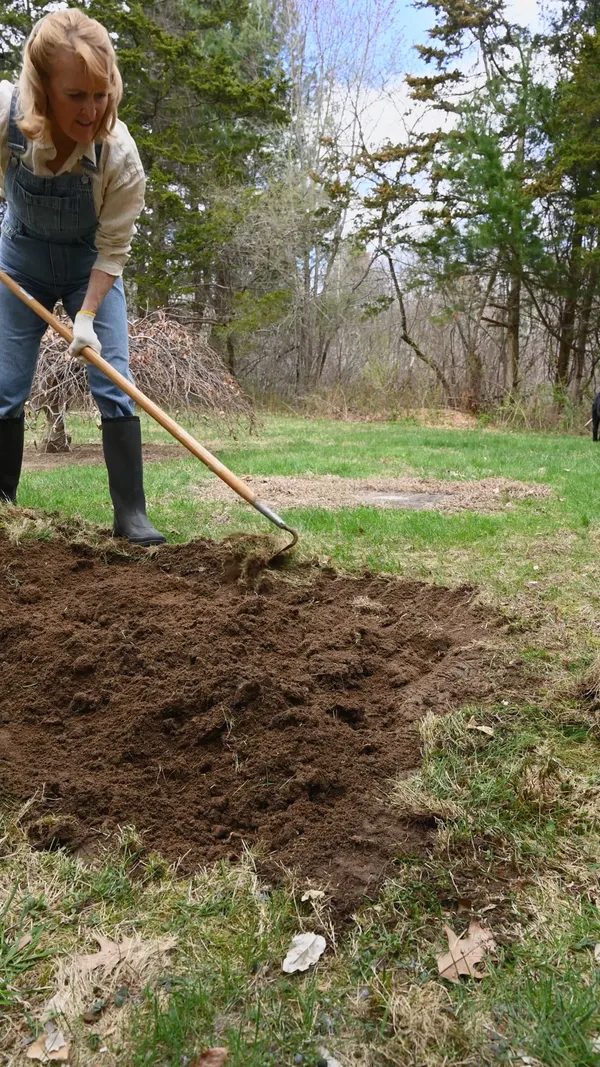
Step 1
Prepare the bed: clear weeds and fork in 2 inches of compost.
Step 2
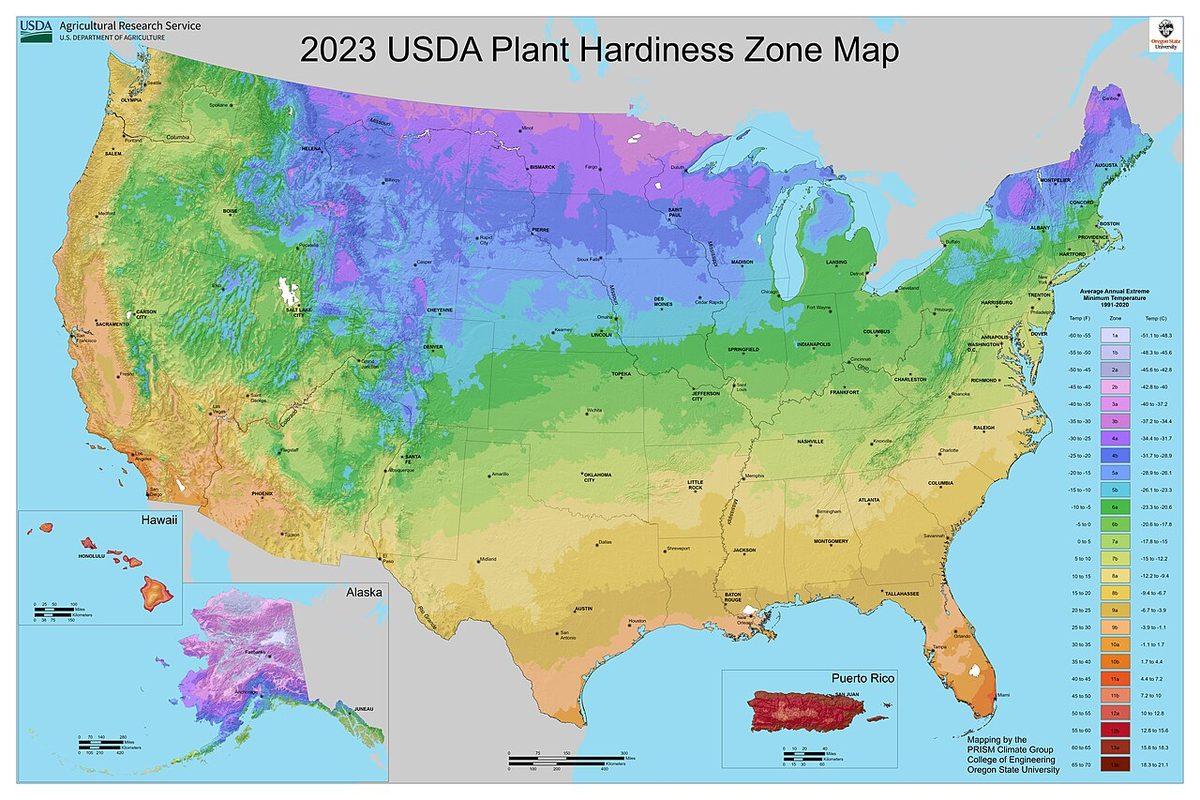
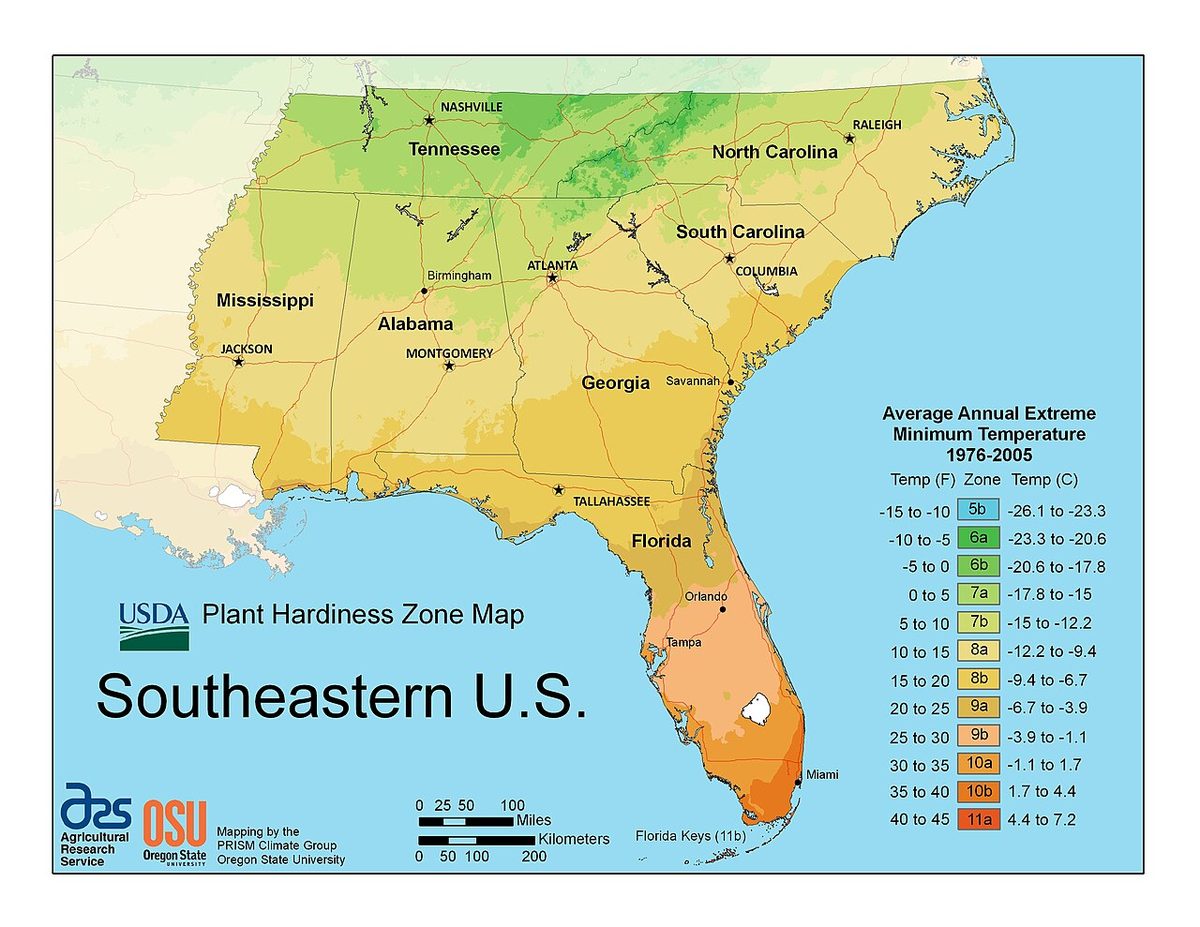
Check your zone’s calendar so sowing matches the season, not the seed packet’s optimism.
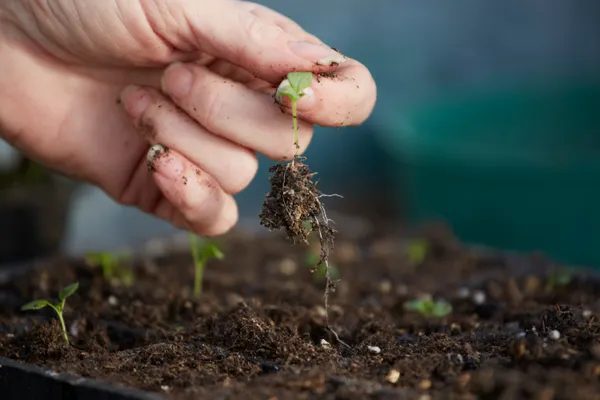
Step 3
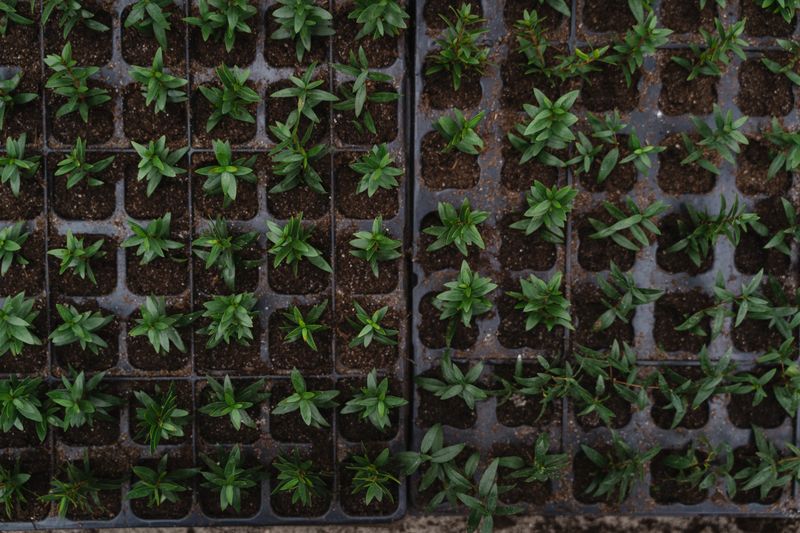
Sow or plant at the spacing on the packet — then thin bravely to the final distance.
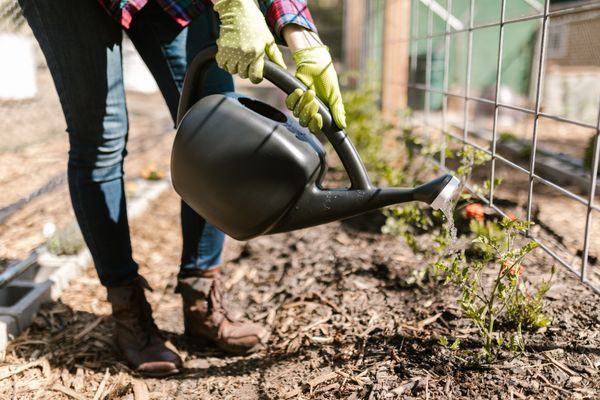
Step 4
Water in well and mulch the surface, keeping mulch off the stems.
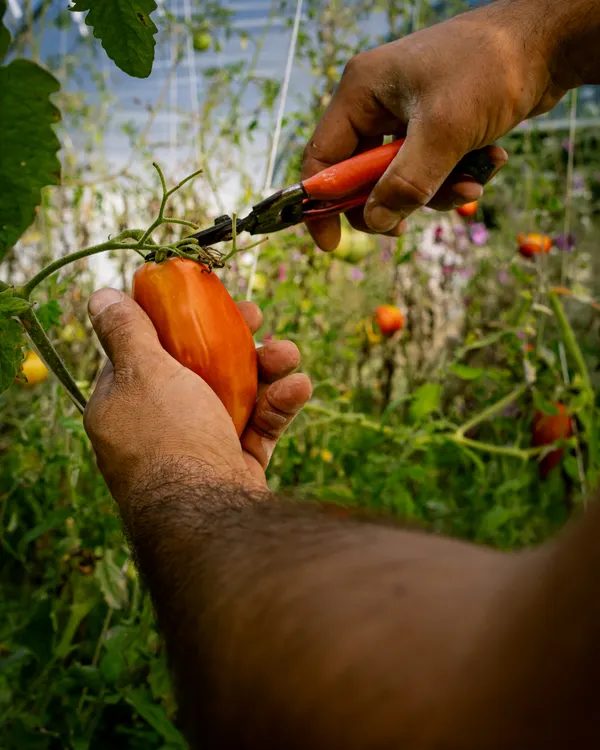
Step 5
Feed and inspect twice a week; harvest little and often to keep plants producing.
Expert tip
Write down the date you do this. Gardening advice is full of ‘weeks later’ — and the gardeners who improve fastest are the ones who can check what ‘later’ actually was.
Common mistakes
Watch out for
- Sowing everything at once and drowning in a single glut.
- Skipping thinning — crowded roots never size up.
- Watering lightly every day instead of deeply twice a week.
Keep exploring this topic with How to Start a Vegetable Garden, or browse the full Vegetable Gardening section.
Frequently asked questions
Is this suitable for beginners?
Yes. Every guide in this section assumes a home garden, standard tools and no prior experience. Start small, follow the timings, and expand next season.
What if my soil is poor?
Work in compost this season and grow in the improvement: most vegetables tolerate imperfect soil if it drains freely and gets fed. Raised beds bypass the problem entirely.