A second route to the same answer: matching ZIP ranges to zones and checking them against your own frost dates. It sounds specialist, but like most gardening it comes down to a few fundamentals done in the right order — this guide walks through them one at a time, with the timings and quantities that actually matter.
What you will need
- Your ZIP code
- A ZIP-to-zone listing or map
- Your own frost dates
- A note of your coldest winter night
- A notebook for the cross-check
Step by step
Step 1
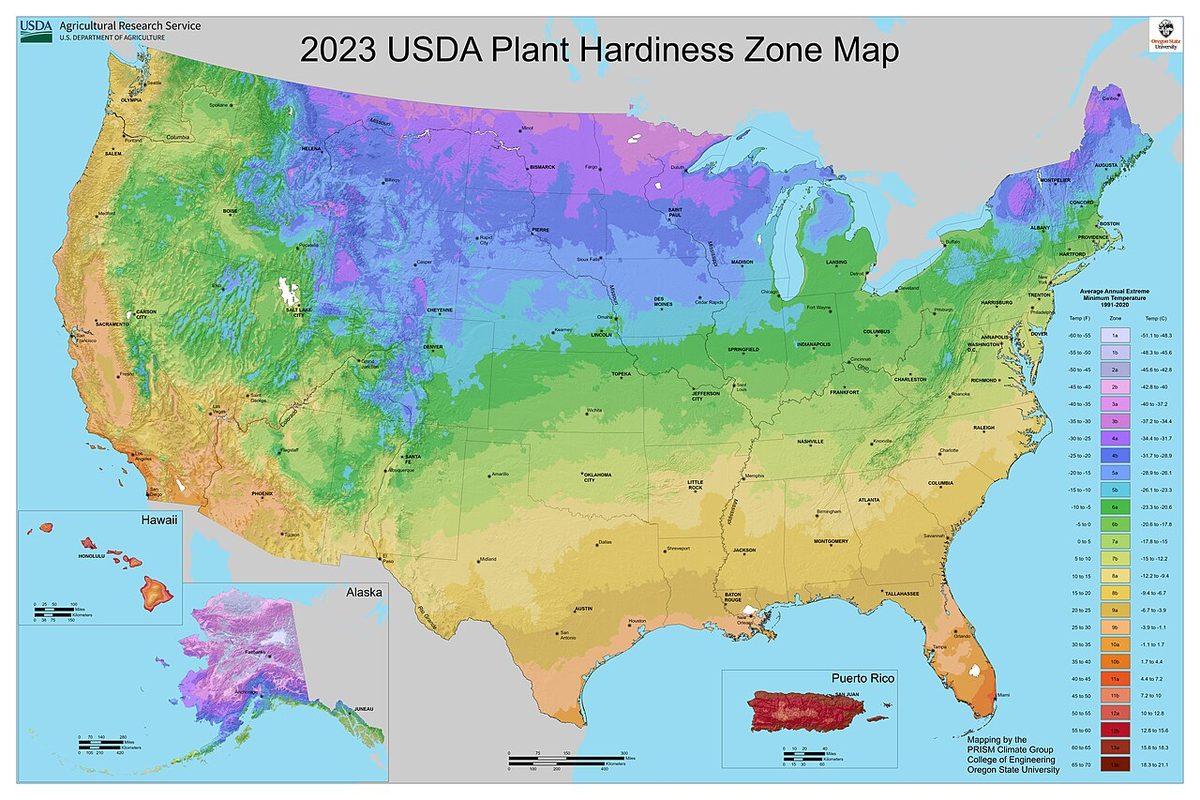
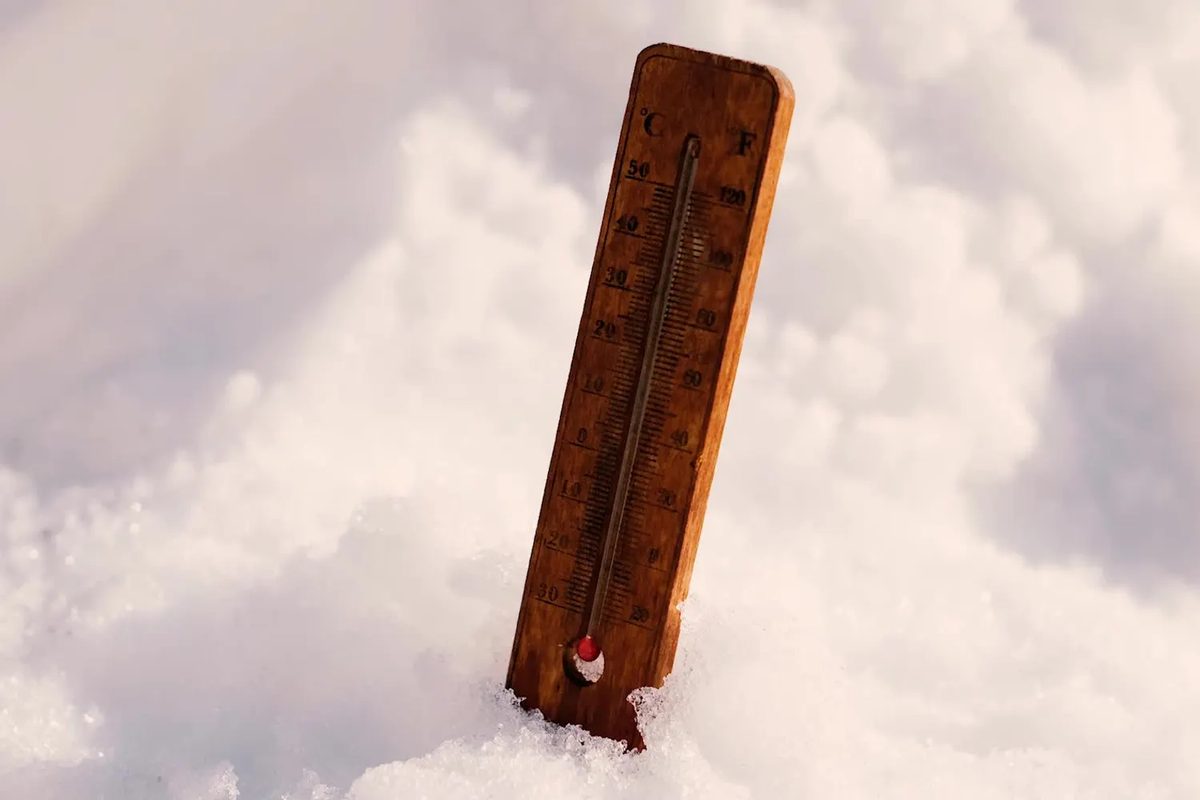
Match your ZIP range to its zone, then test the answer against the coldest night your own thermometer has ever shown — ZIP ranges are averages, and your coldest night is the truth.
Step 2
Cross-check the ZIP-range zone against your own frost dates: if your last spring frost runs later than the zone average suggests, trust your frost dates for planting timing.

Step 3
Check the zone printed on seed packets against your ZIP-matched zone, and use the packet’s ‘weeks before last frost’ figures to set your sowing dates.

Step 4
ZIP ranges cannot see your walls and dips, so adjust the answer: tender plants against a sunny wall often survive a half-zone beyond what your ZIP range claims.

Step 5
Re-check after extreme winters and move borderline plants to the sheltered spots — one brutal season teaches you more about your true zone than any ZIP table.
Expert tip
Write down the date you do this. Gardening advice is full of ‘weeks later’ — and the gardeners who improve fastest are the ones who can check what ‘later’ actually was.
Common mistakes
Watch out for
- Treating the ZIP-range zone as exact — ranges average over wide areas and miss local cold spots.
- Skipping the frost-date cross-check — the zone says what survives, frost dates say when to plant.
- Ordering plants rated for a warmer zone because the ZIP table flattered your area — check your own coldest night first.
Keep exploring this topic with Planting Zones by Zip Code: Find Your Growing Zone, or browse the full Planting Zones & Seasonal Planting section.
Frequently asked questions
Why does a ZIP-range lookup differ from the map?
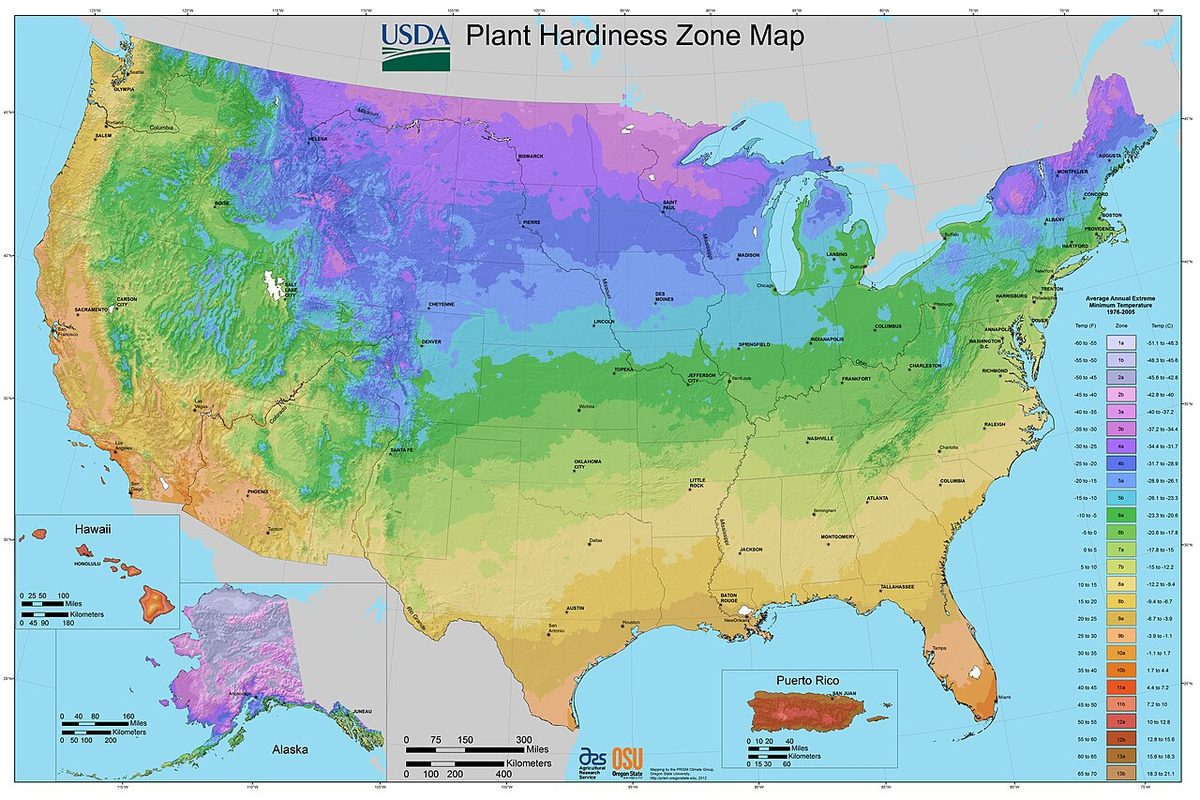
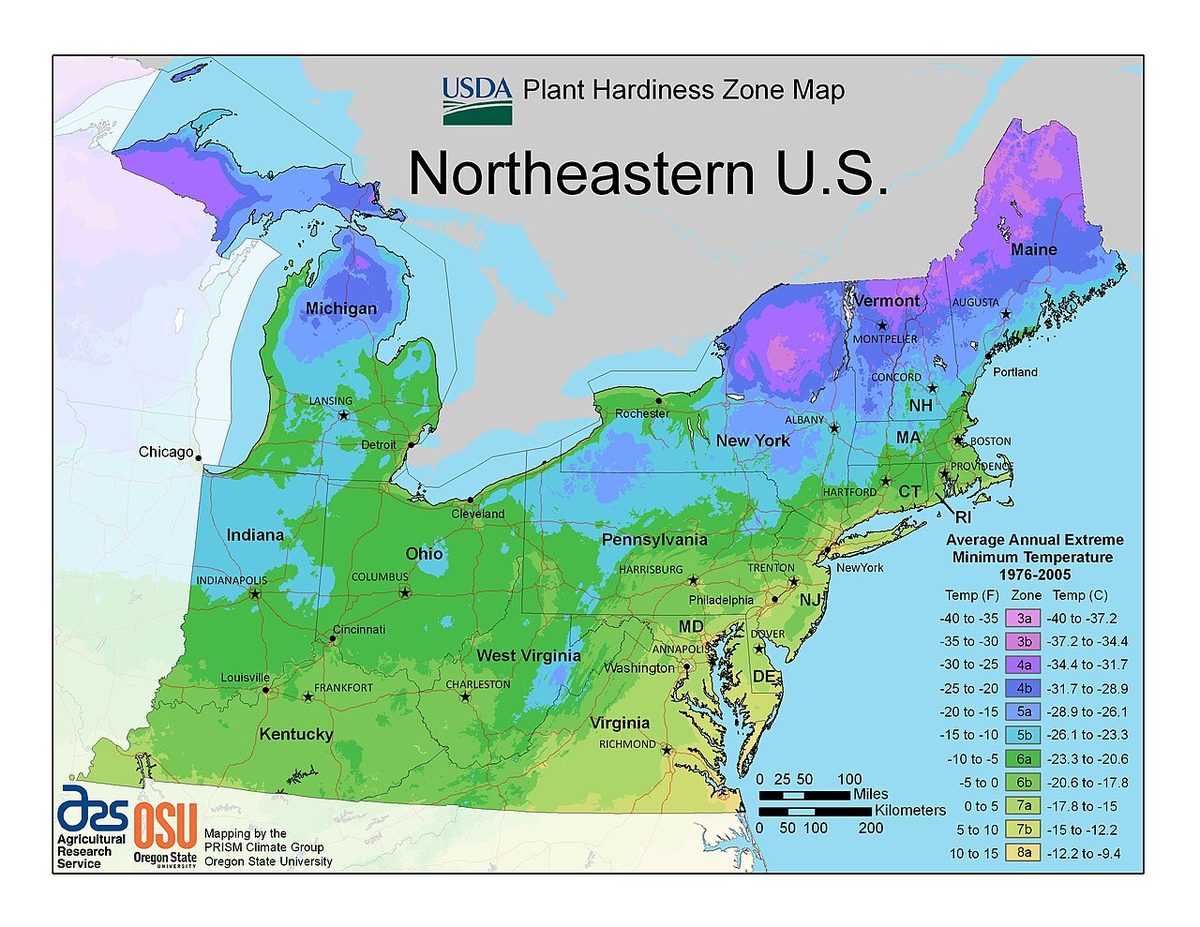
ZIP ranges group large areas into one zone, while maps draw finer bands. When they disagree, your own coldest-night reading and frost dates are the better guide.
Do ZIP codes and zones change together?
No. ZIP codes are postal routes and zones are climate bands — a boundary change in one says nothing about the other, so re-check both every few years.