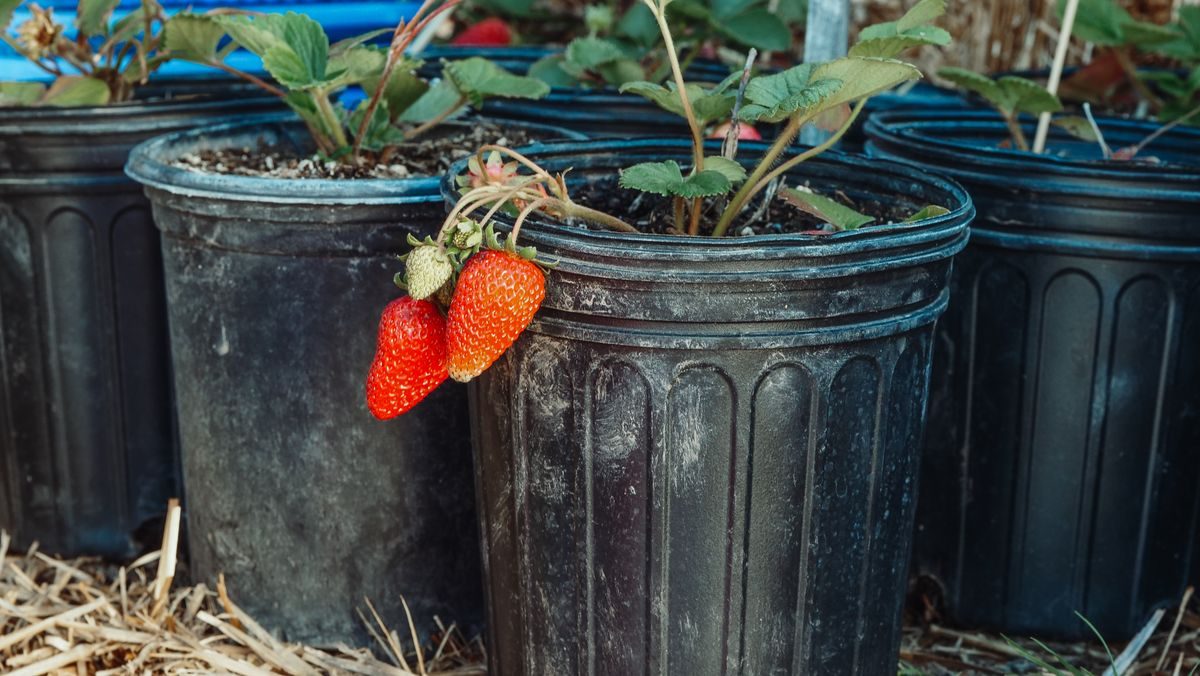
Varieties, pot size, the soil mix strawberries insist on, and feeding for fruit instead of runners. It sounds specialist, but like most gardening it comes down to a few fundamentals done in the right order — this guide walks through them one at a time, with the timings and quantities that actually matter.
What you will need
- Pots at least 30 cm wide for most crops
- Peat-free multipurpose compost
- Slow-release fertilizer or liquid feed
- Crocks or feet for drainage
- A watering routine you can keep daily in summer
Step by step
Step 1
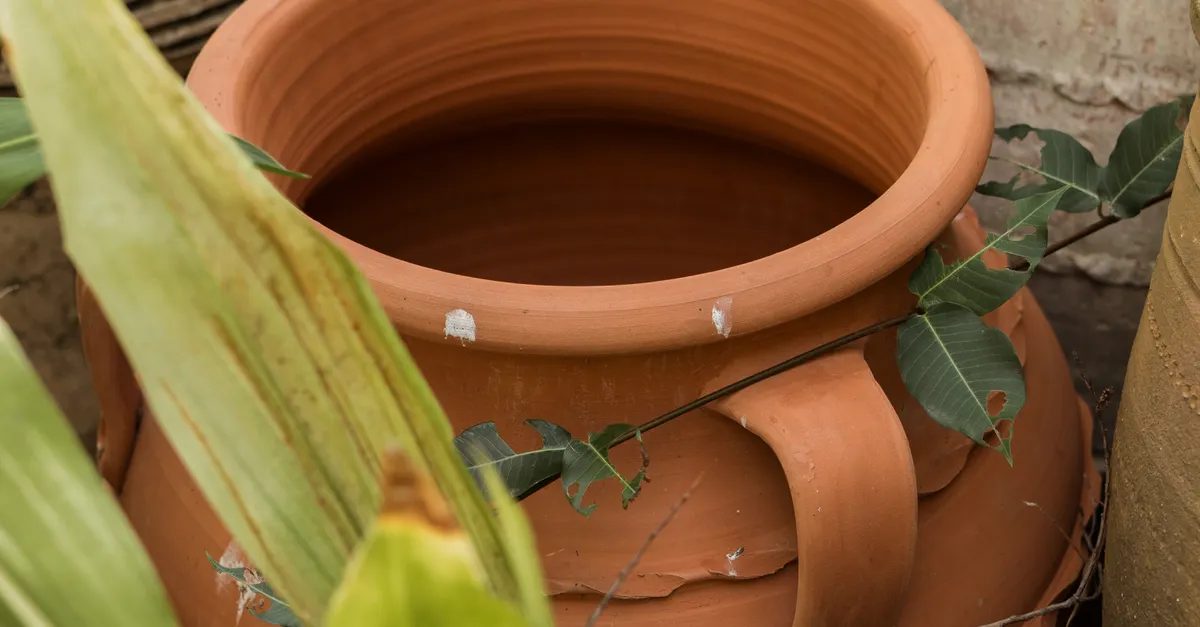
Choose the biggest pot the space allows — volume is moisture insurance.
Step 2
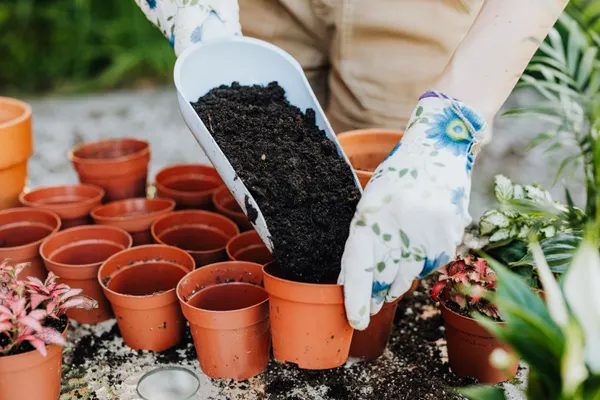
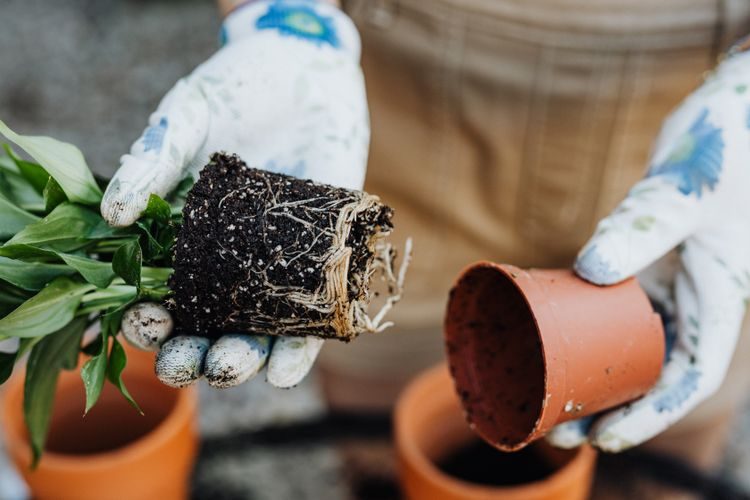
Cover drainage holes with crocks, fill with compost, and firm gently.
Step 3
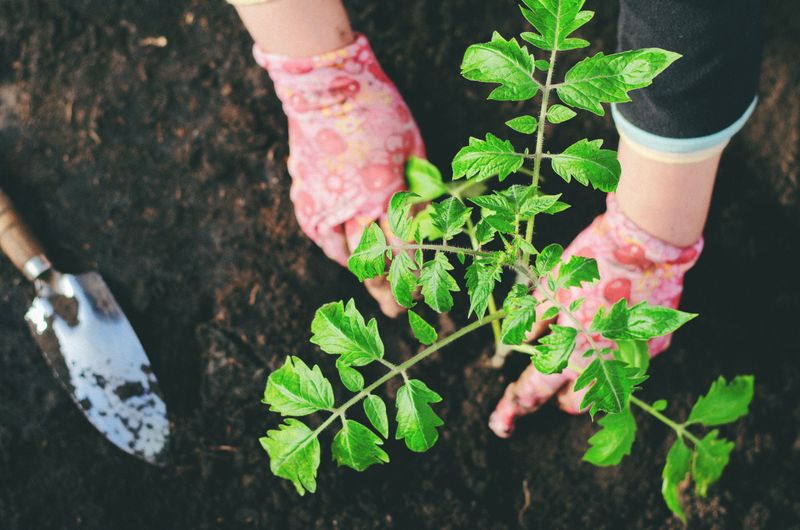
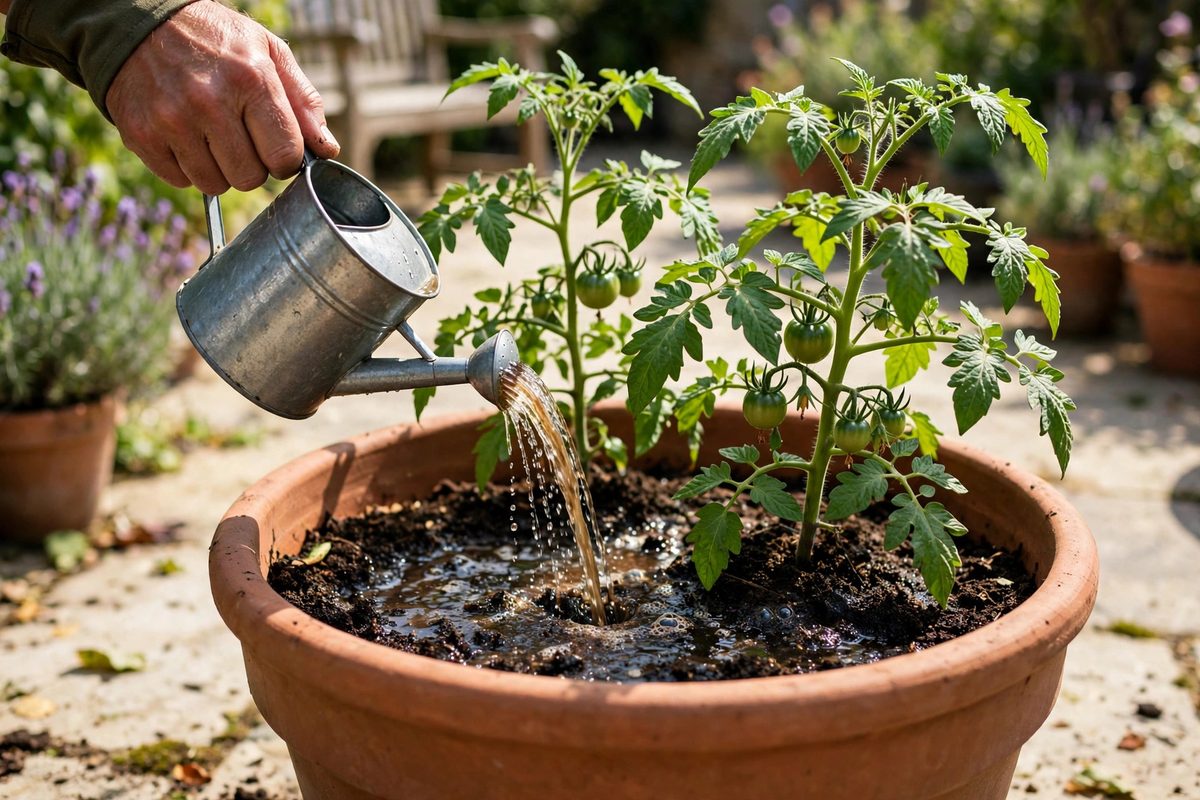
Plant at the same depth as the nursery pot and water until it runs from the base.
Step 4
Feed weekly from midsummer; containers cannot forage like beds can.
Step 5
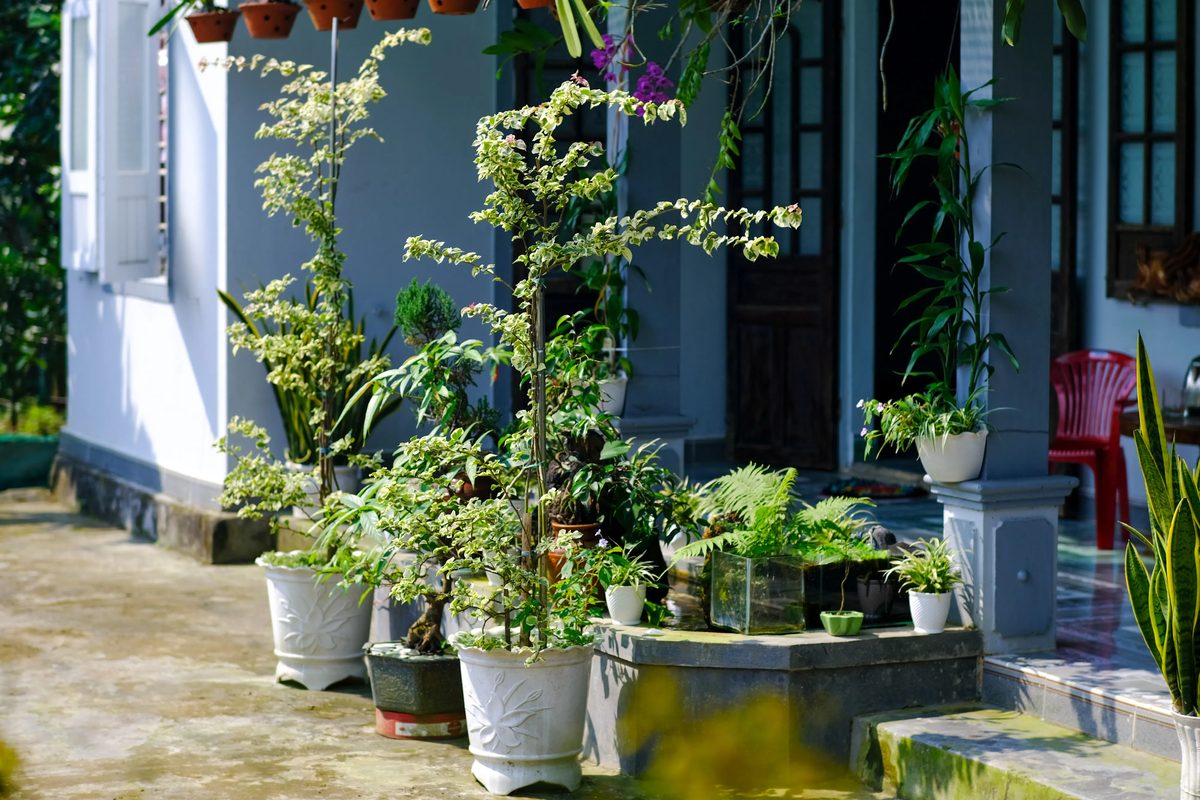
Group pots together to create humidity and shade each other’s roots.
Expert tip
Write down the date you do this. Gardening advice is full of ‘weeks later’ — and the gardeners who improve fastest are the ones who can check what ‘later’ actually was.
Common mistakes
Watch out for
- Small pots that dry out by lunchtime on a hot day.
- Garden soil in pots — it compacts and drains badly.
- Forgetting that containers need feeding far more often than beds.
Keep exploring this topic with Evergreen Ground Cover: Year-Round Carpets, or browse the full Container & Small-Space Gardening section.
Frequently asked questions
How often will I water?
In summer, most containers need water daily, sometimes twice. A mulch layer and a saucer reservoir in heatwaves both help.
Can I reuse last year’s compost?
Top it up with a third fresh compost and a handful of slow-release feed; disease-prone crops like tomatoes deserve fully fresh mix.