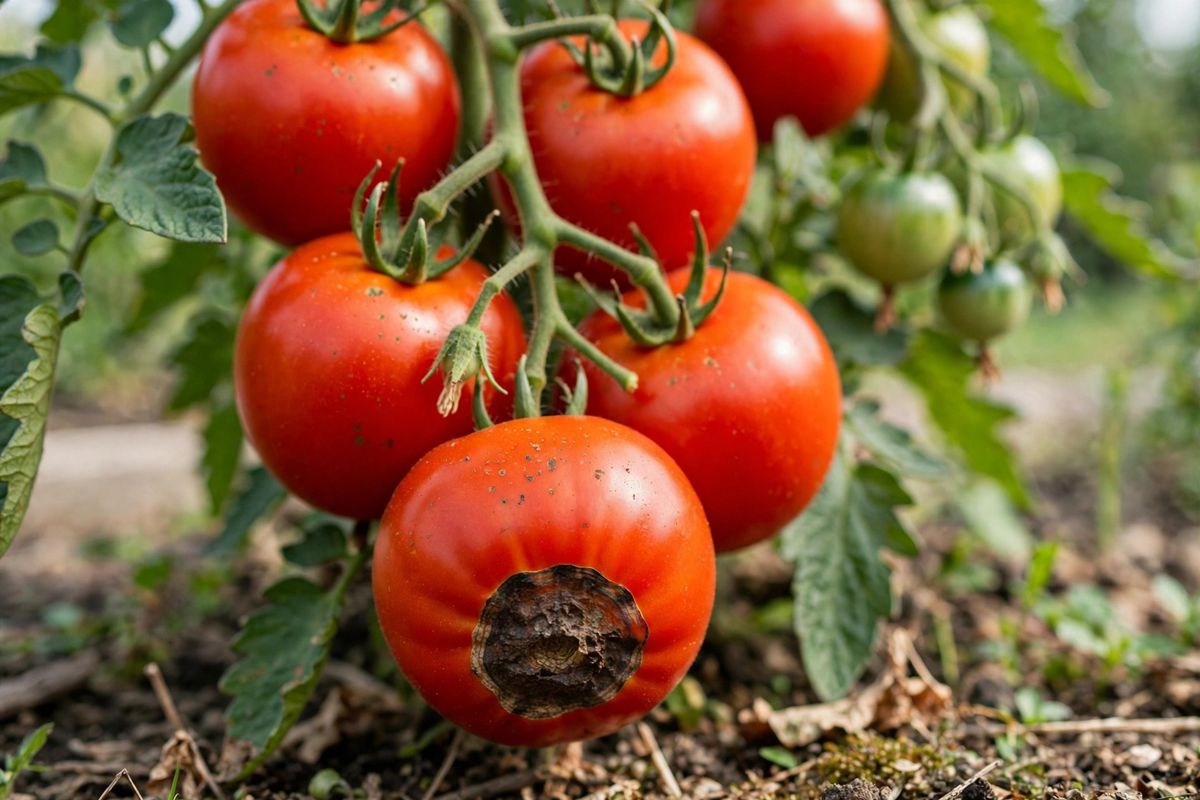
A dark, sunken patch on the blossom end of a tomato is not a disease — it is a watering problem. Why it happens and how steady water fixes it. It sounds specialist, but like most gardening it comes down to a few fundamentals done in the right order — this guide walks through them one at a time, with the timings and quantities that actually matter.
What you will need
- A soil test or a note of your soil type
- Compost and crushed eggshells or garden lime
- A watering can or hose on a timer
- Mulch for the soil surface
- A sharp knife for removing damaged fruit
- A calendar for the watering routine
Step by step
Step 1
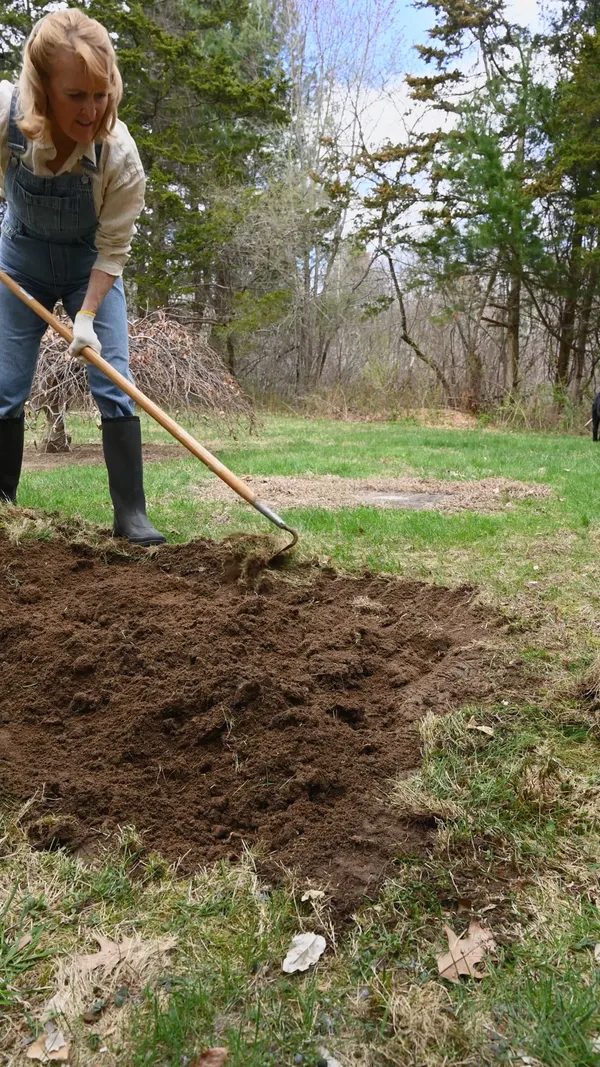
Prepare the bed before planting: fork in compost and a handful of crushed eggshells or garden lime — blossom end rot is a calcium problem, and calcium only reaches the fruit if the soil holds it and the roots can take it up.
Step 2
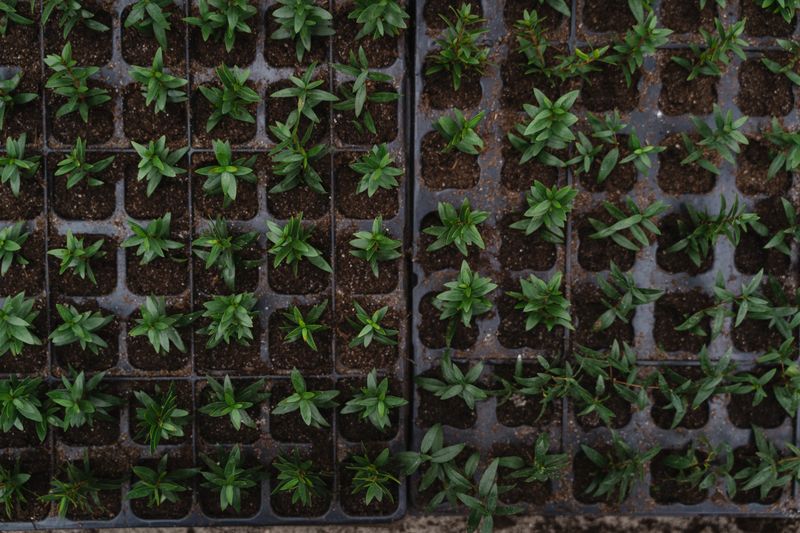
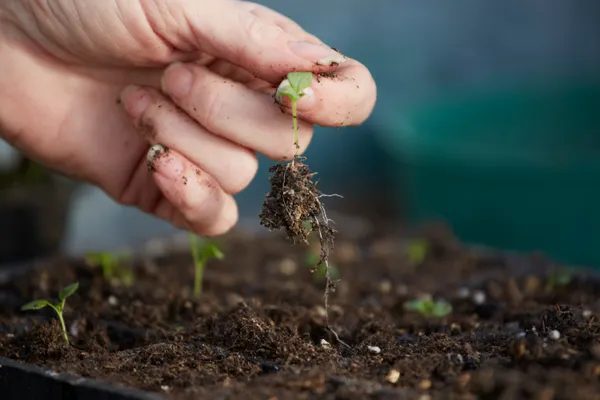
Time planting to warm soil and frost-free nights, and check your zone's calendar — tomatoes and peppers planted into cold soil grow weak roots, and weak roots cannot deliver calcium to the first fruits.
Step 3
Space plants generously and thin to one strong plant per station — crowded plants compete for water, and a plant short of water cannot move calcium to the blossom end, however much lime is in the soil.
Step 4
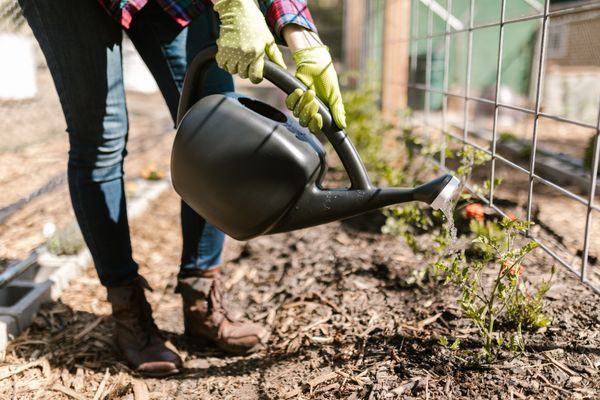
Water deeply at the base and mulch thickly around the plants, keeping the soil evenly moist all season — steady water is the real cure, because blossom end rot strikes when watering swings between drought and flood.
Step 5
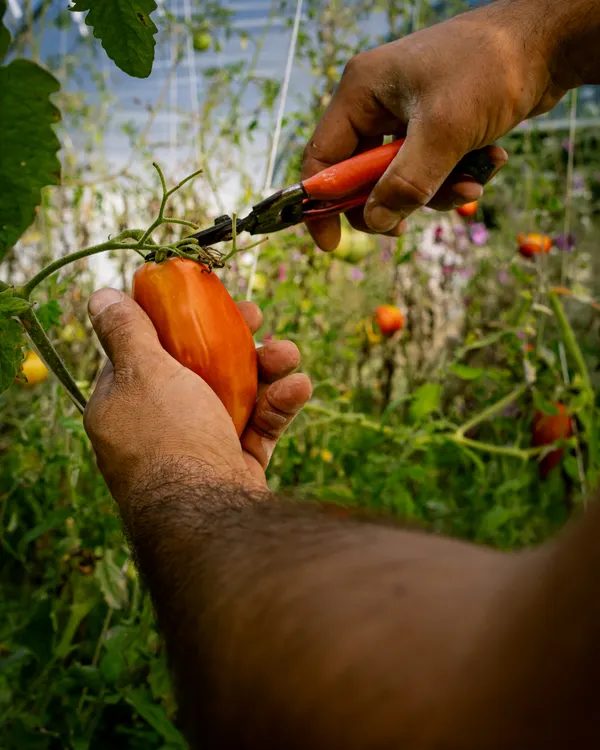
Inspect the plants twice a week and cut off any fruit with a dark, sunken patch at the blossom end — removing damaged fruit lets the plant feed the healthy ones, and the next truss usually sets clean if the watering stays even.
Expert tip
Write down the date you do this. Gardening advice is full of ‘weeks later’ — and the gardeners who improve fastest are the ones who can check what ‘later’ actually was.
Common mistakes
Watch out for
- Adding lime to soil that already has enough calcium — the cause is usually uneven watering, not a lack of lime; test before you dose.
- Watering lightly every day — shallow watering keeps roots near the surface, where they dry out between waterings and stop moving calcium.
- Leaving rotted fruit on the plant — it drains the plant and the rot can invite secondary infections.
Keep exploring this topic with How to Start a Vegetable Garden, or browse the full Vegetable Gardening section.
Frequently asked questions
Can I save fruit that already has blossom end rot?
No — the dark patch does not heal. Cut the fruit off and eat the sound top half if you like; the fix is in the watering, and later fruit on the same plant usually comes clean.
Does spraying calcium on the leaves help?
Barely — calcium barely moves inside the plant, so foliar sprays rarely reach the fruit. Steady watering and calcium-rich soil are the only reliable fixes.