Organic matter is what turns dirt into soil plants love — it holds water, feeds microbes and loosens clay. What it is, and how to add more of it. It sounds specialist, but like most gardening it comes down to a few fundamentals done in the right order — this guide walks through them one at a time, with the timings and quantities that actually matter.
What you will need
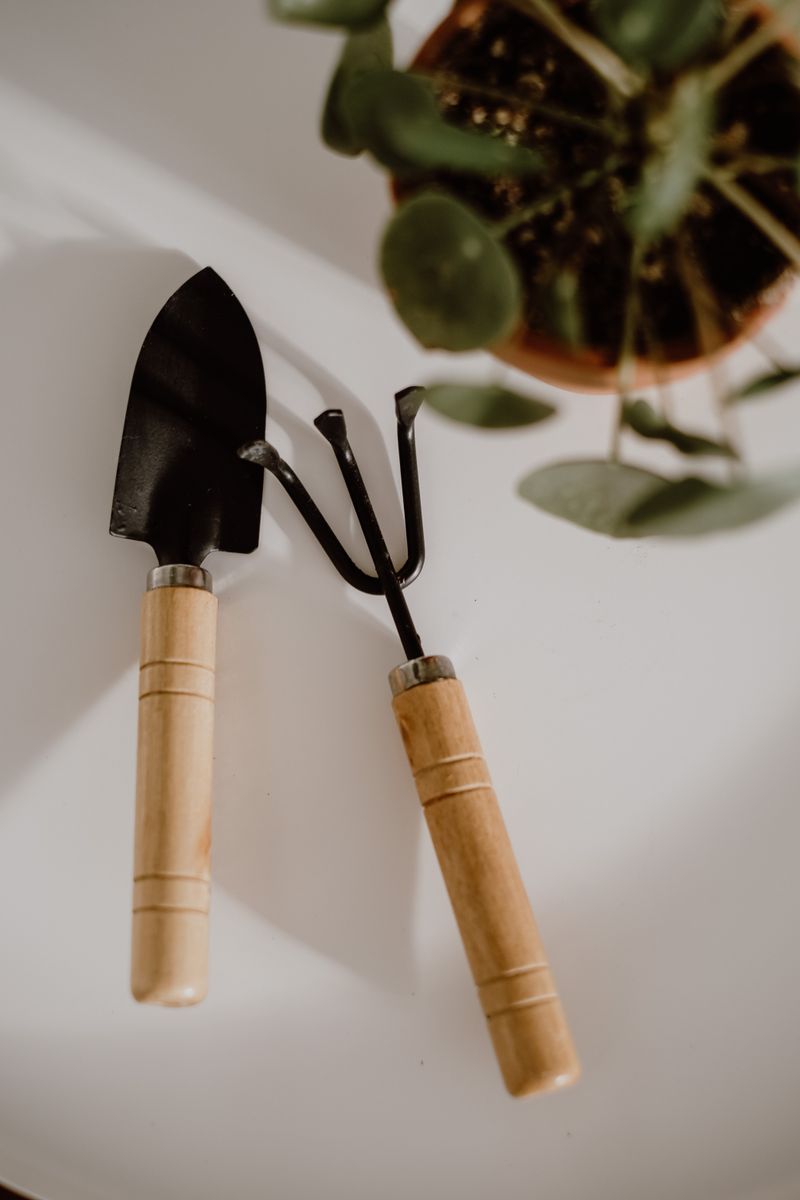
- A trowel for inspecting your soil
- Compost, leaf mold or well-rotted manure
- A fork for working it in
- Mulch to cover the surface
- A moisture check routine
Step by step
Step 1
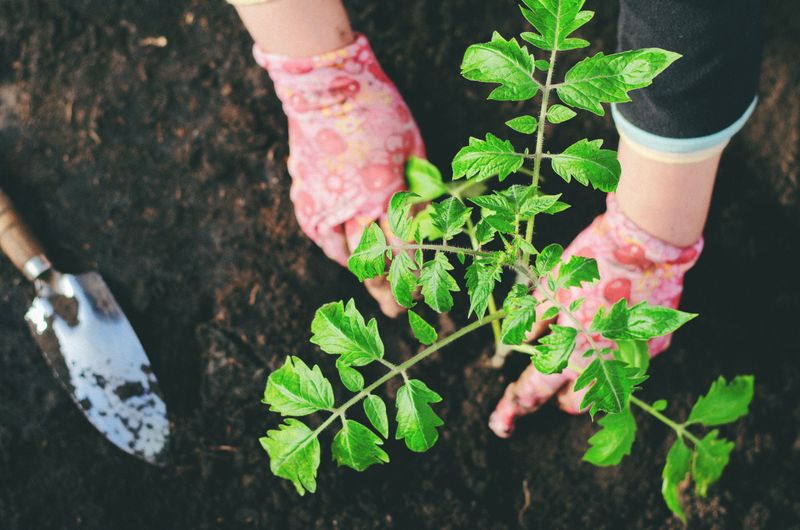
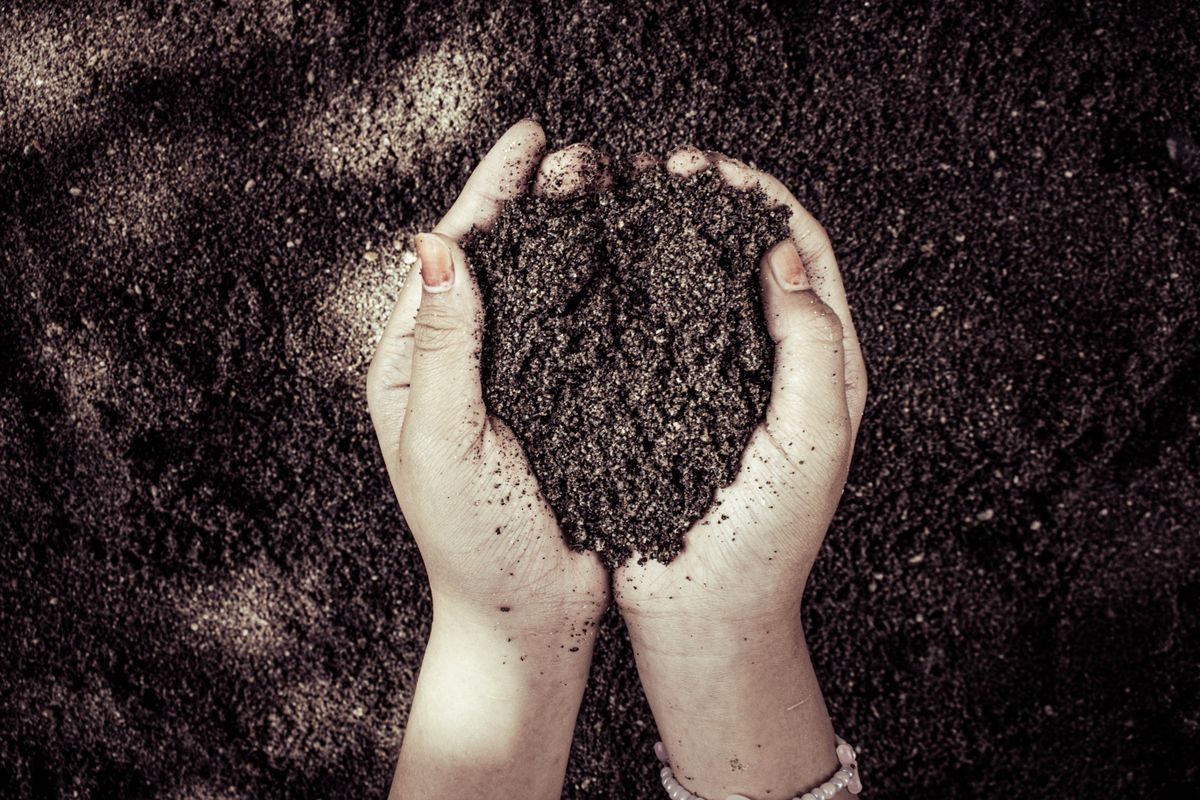
Start by looking at your own soil: dig a trowel-depth hole and see whether the soil is dark and crumbly or pale and lifeless — that tells you how much organic matter you are starting with.
Step 2
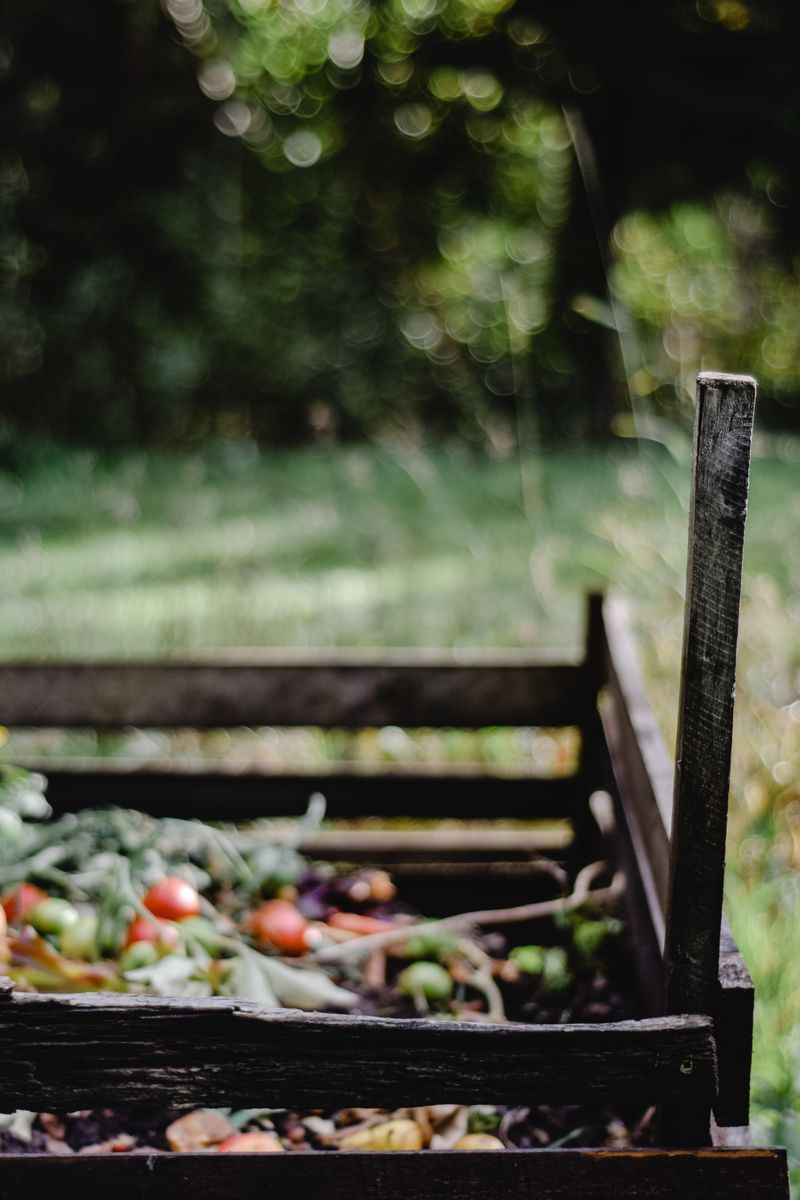
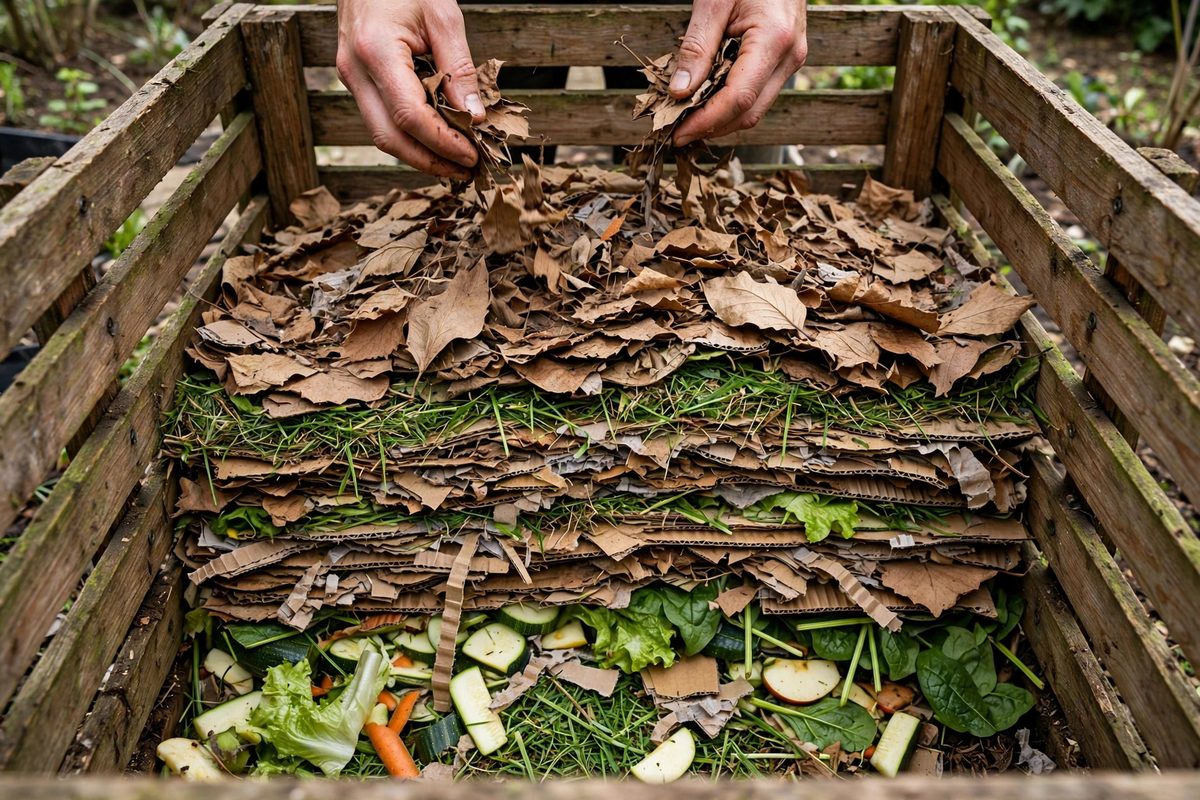
Add it in thin layers, mixing green, nitrogen-rich material with brown, carbon-rich material — the same balance a compost pile needs, applied to the bed.
Step 3
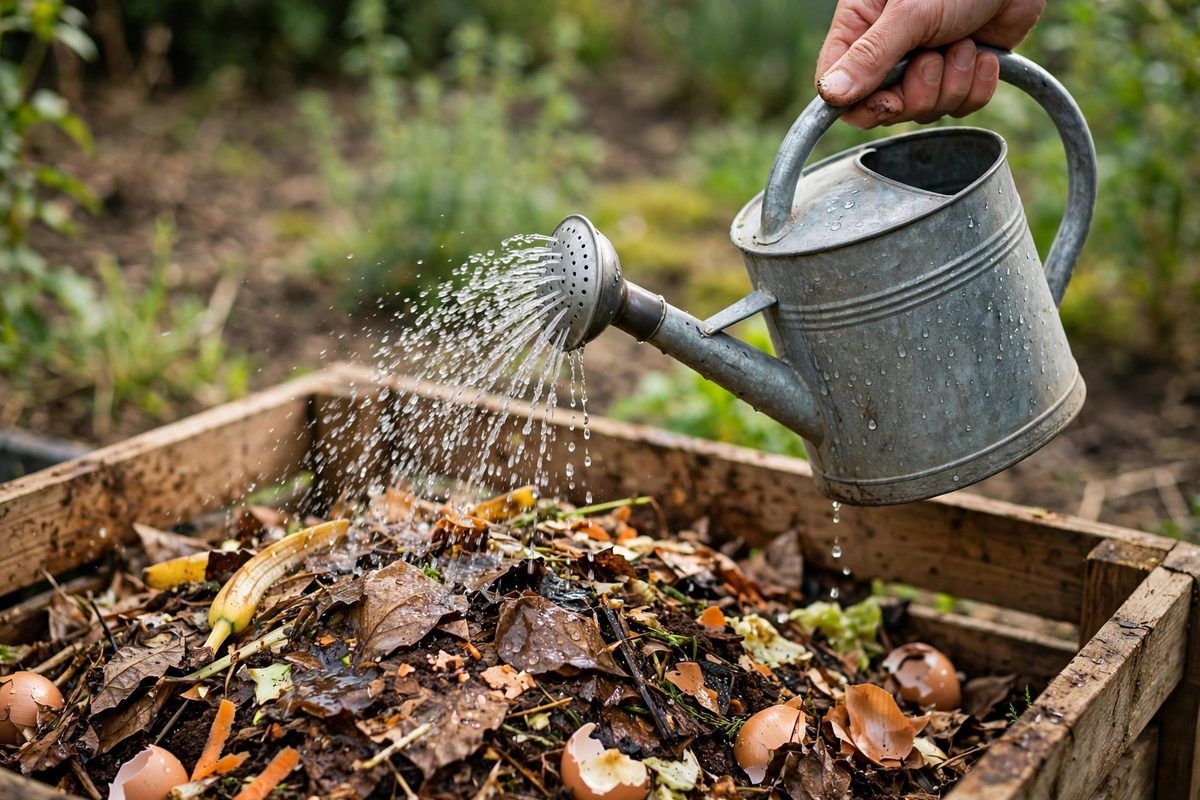
Water the added matter so it stays damp right through — the microbes that break it down stop work in dry soil, and a dry layer sheds rain instead of soaking it up.
Step 4
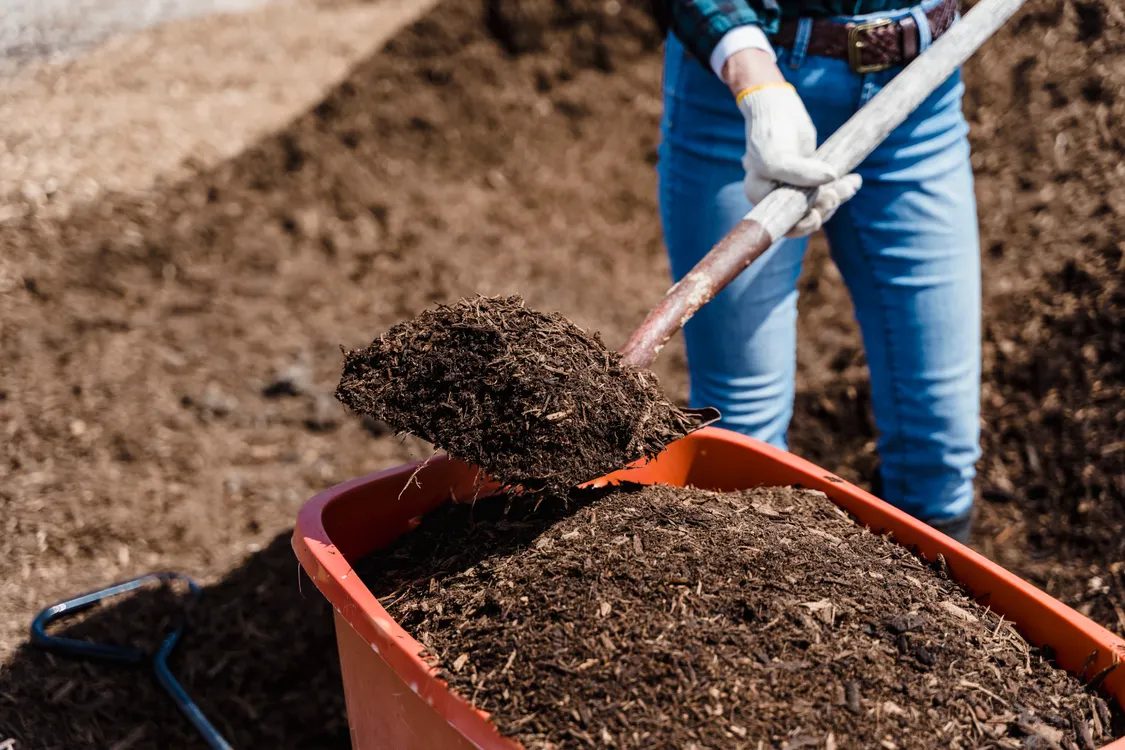
Turn or fork the top layer every few weeks to let air in — organic matter breaks down fastest when oxygen reaches it, and airless layers turn sour.
Step 5
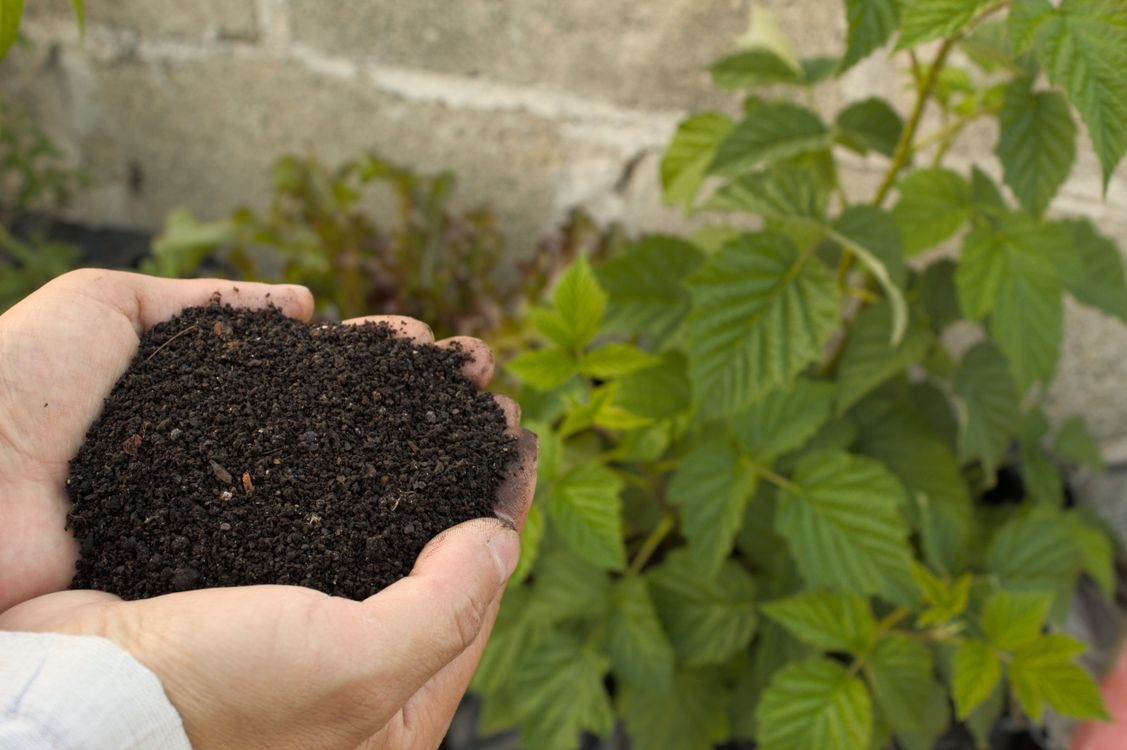
Judge it by look and smell: finished organic matter is dark and crumbly with an earthy, woodland smell — that is when it holds water, loosens clay and feeds plants slowly.
Expert tip
Write down the date you do this. Gardening advice is full of ‘weeks later’ — and the gardeners who improve fastest are the ones who can check what ‘later’ actually was.
Common mistakes
Watch out for
- Digging in fresh, unrotted material — it robs nitrogen from plants while it breaks down.
- Adding one thick layer and expecting permanent change — organic matter is eaten and must be topped up yearly.
- Working wet soil — it compacts and undoes the structure organic matter builds.
Keep exploring this topic with What Is Crop Rotation?, or browse the full Composting section.
Frequently asked questions
How much organic matter does soil need?
There is no fixed number — add a few inches of compost or rotted manure to beds each year and let worms and microbes carry it down. Dark, crumbly soil that holds moisture is the sign you are there.
Is compost the same as organic matter?
Compost is one form of it. Organic matter is anything once living that is breaking down — compost, leaf mold, manure and green manures all count.