Hot piles, cold piles, leaf mold, worm compost: which type suits your space, time and nose. It sounds specialist, but like most gardening it comes down to a few fundamentals done in the right order — this guide walks through them one at a time, with the timings and quantities that actually matter.
What you will need
- A bin, pile corner, or worm bin to suit your space
- A mix of greens and browns to build with
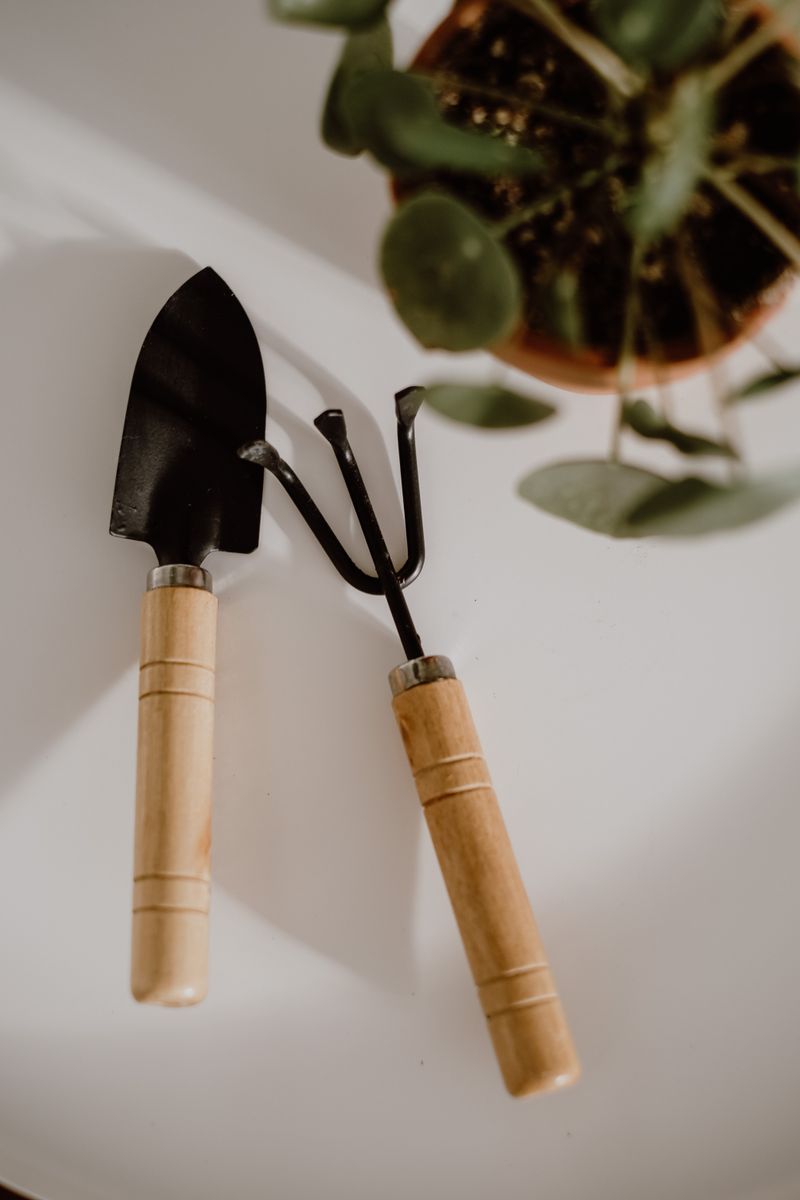
- A fork for turning, for hot piles only
- A watering can for dry spells
- A cover to keep heavy rain off
- Patience matched to the method you pick
Step by step
Step 1
Begin by matching the method to your space and patience: hot piles are fast but need bulk and turning, cold piles are slow and hands-off, worm bins suit small spaces, and leaf mold needs only leaves and time.
Step 2
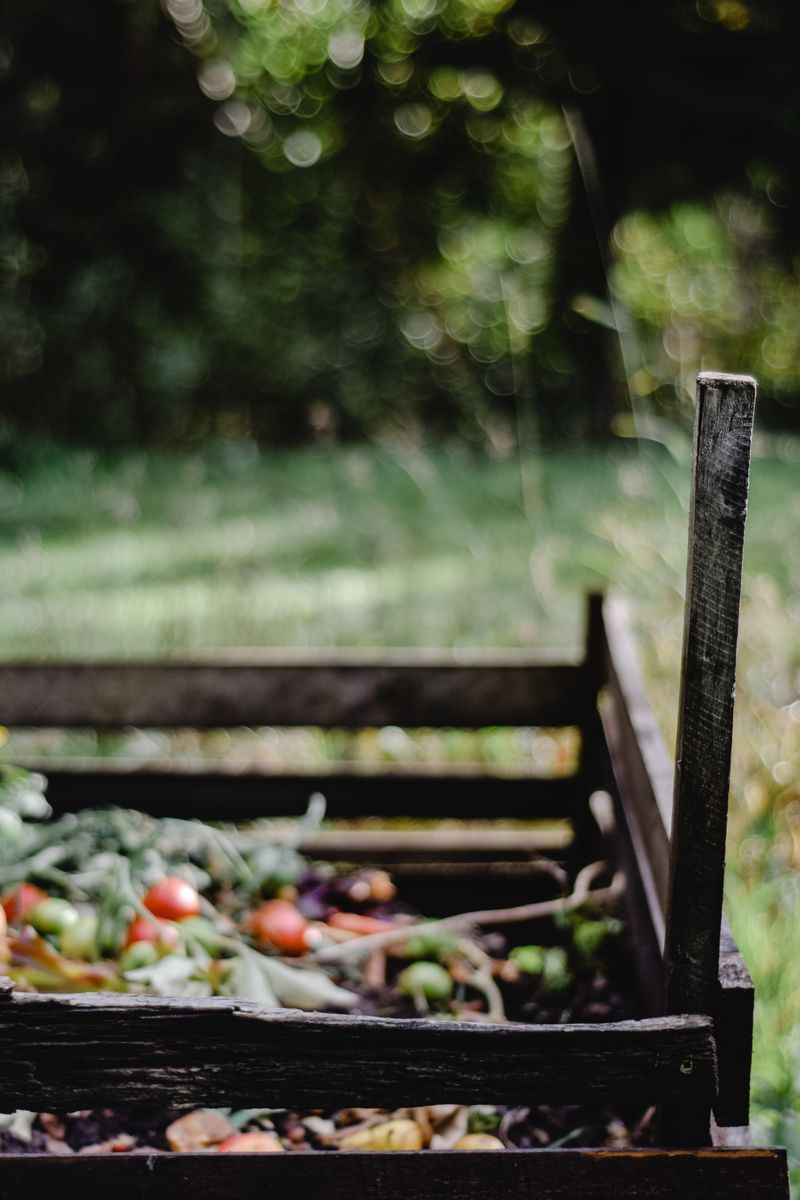
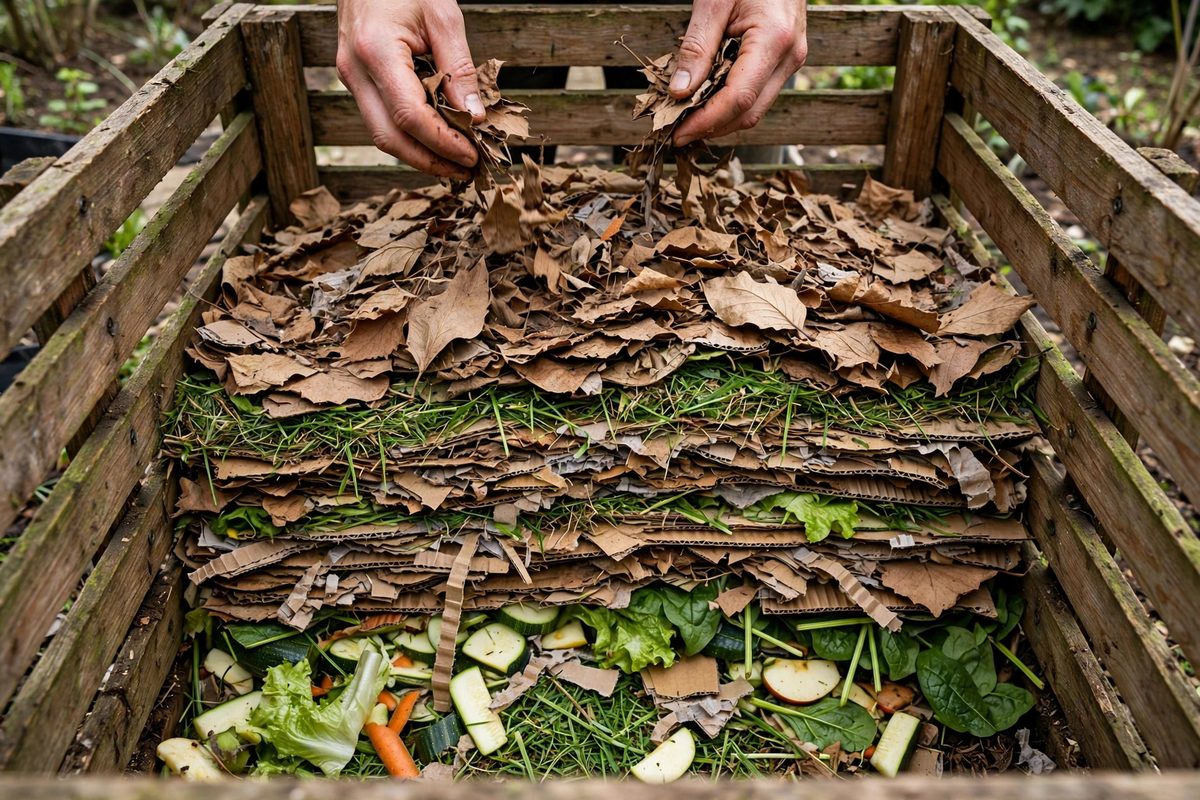
Hot and cold piles start the same way: thin alternating layers of greens and browns in a bin — the methods differ in what happens next, not in what goes in.
Step 3
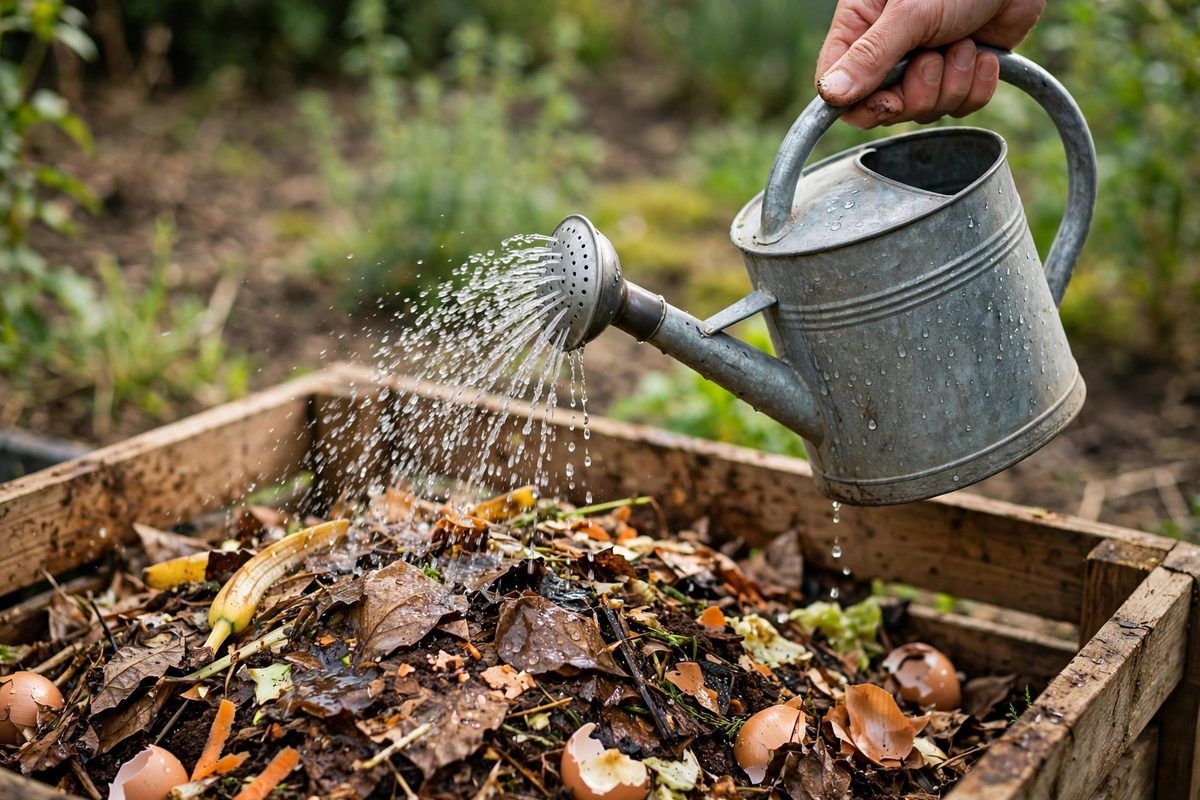
Water is where the methods part ways: a hot pile must stay damp to hold its heat, while cold piles, worm bins and leaf mold only need to never dry out completely — sprinkle when the top feels dry.
Step 4
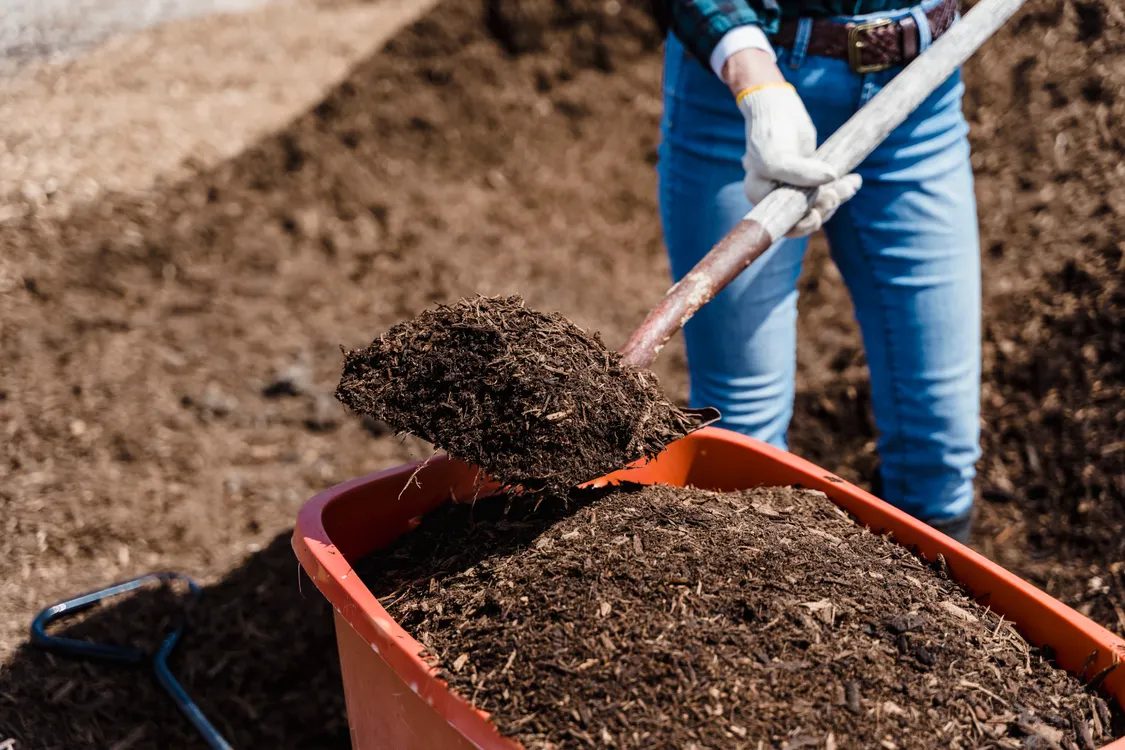
Turning splits the methods too: hot piles get forked over every week or two to feed oxygen to the microbes, while cold piles and worm bins are never turned — worms and time do the mixing.
Step 5
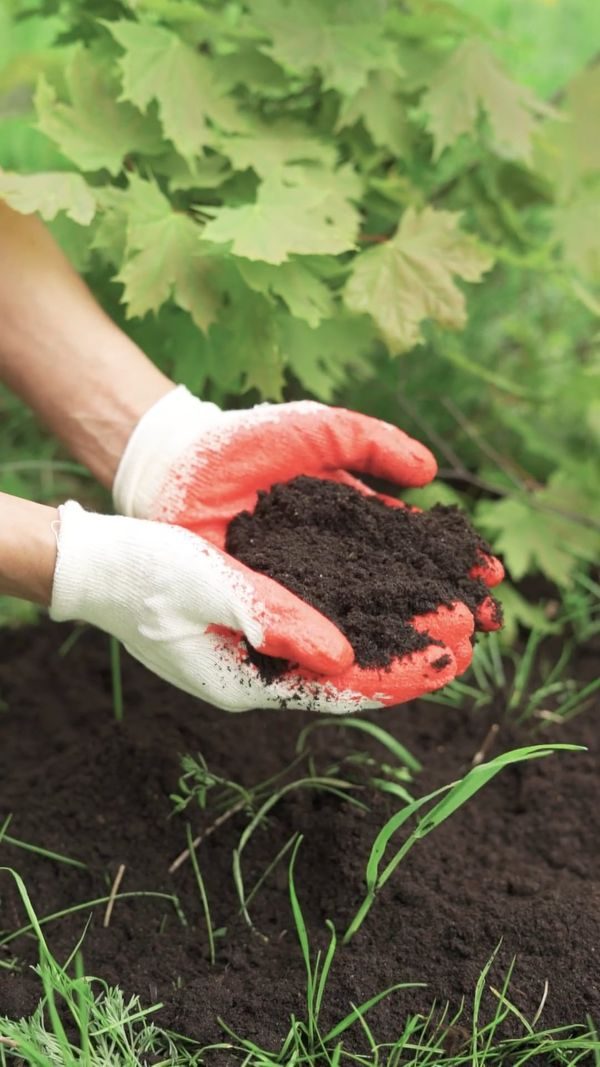
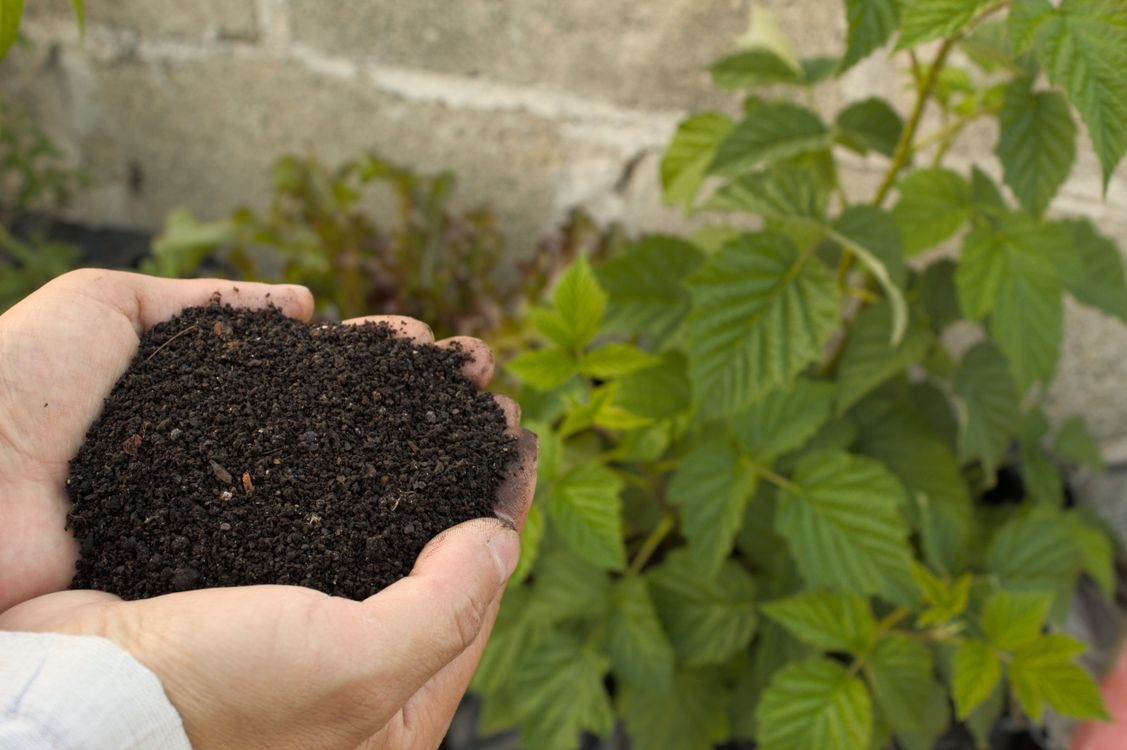
Judge every method by the same finish: dark, crumbly, earthy-smelling material where no leaf, peel or eggshell is recognizable anymore — hot compost gets there in weeks to a couple of months, cold piles and leaf mold take a year or more.
Expert tip
Write down the date you do this. Gardening advice is full of ‘weeks later’ — and the gardeners who improve fastest are the ones who can check what ‘later’ actually was.
Common mistakes
Watch out for
- Picking a hot pile with too little material — small piles never heat up, so cold composting suits small amounts better.
- Turning a worm bin — the worms do the mixing, and digging through the bedding harms them.
- Expecting leaf mold in a month — leaves alone take a year or more; mix in greens if you want speed.
Keep exploring this topic with What Is Crop Rotation?, or browse the full Composting section.
Frequently asked questions
Which compost type is best for a small yard?
A worm bin or a small cold pile. Both work in tight spaces with no turning; the worm bin is fastest, the cold pile is cheapest and simplest.
Can I mix methods?
Yes — many gardeners run a cold pile for everyday scraps and a hot pile for big seasonal clear-outs. Keep leaf mold separate: leaves break down best on their own.