A clear definition, the greens-to-browns ratio, and the four ingredients every pile needs. It sounds specialist, but like most gardening it comes down to a few fundamentals done in the right order — this guide walks through them one at a time, with the timings and quantities that actually matter.
What you will need
- A bin or pile corner on bare soil
- Greens: food scraps, fresh grass, coffee grounds
- Browns: dry leaves, cardboard, straw
- Water in dry spells
- A fork for turning
- A cover against heavy rain
Step by step
Step 1
Start with the definition: compost is decomposed organic matter — once-living material broken down by microbes, fungi and worms into dark, stable humus that feeds the life in your soil.
Step 2
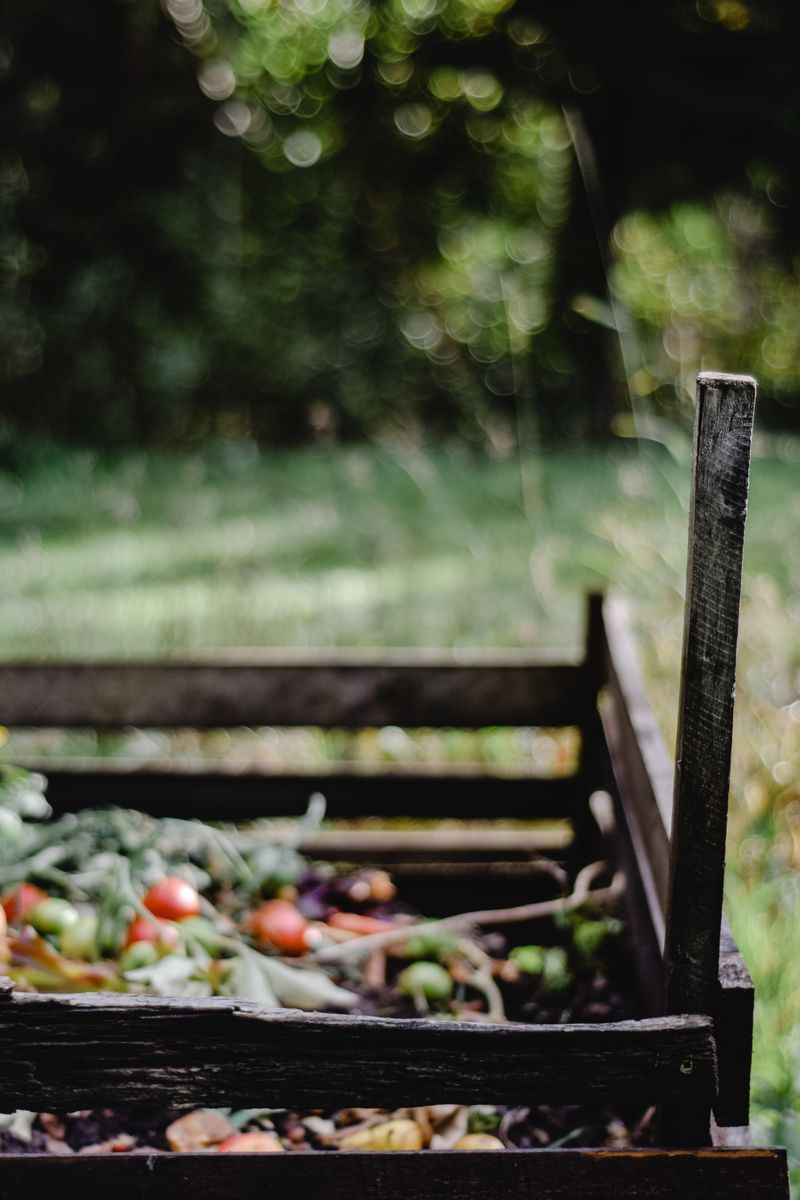
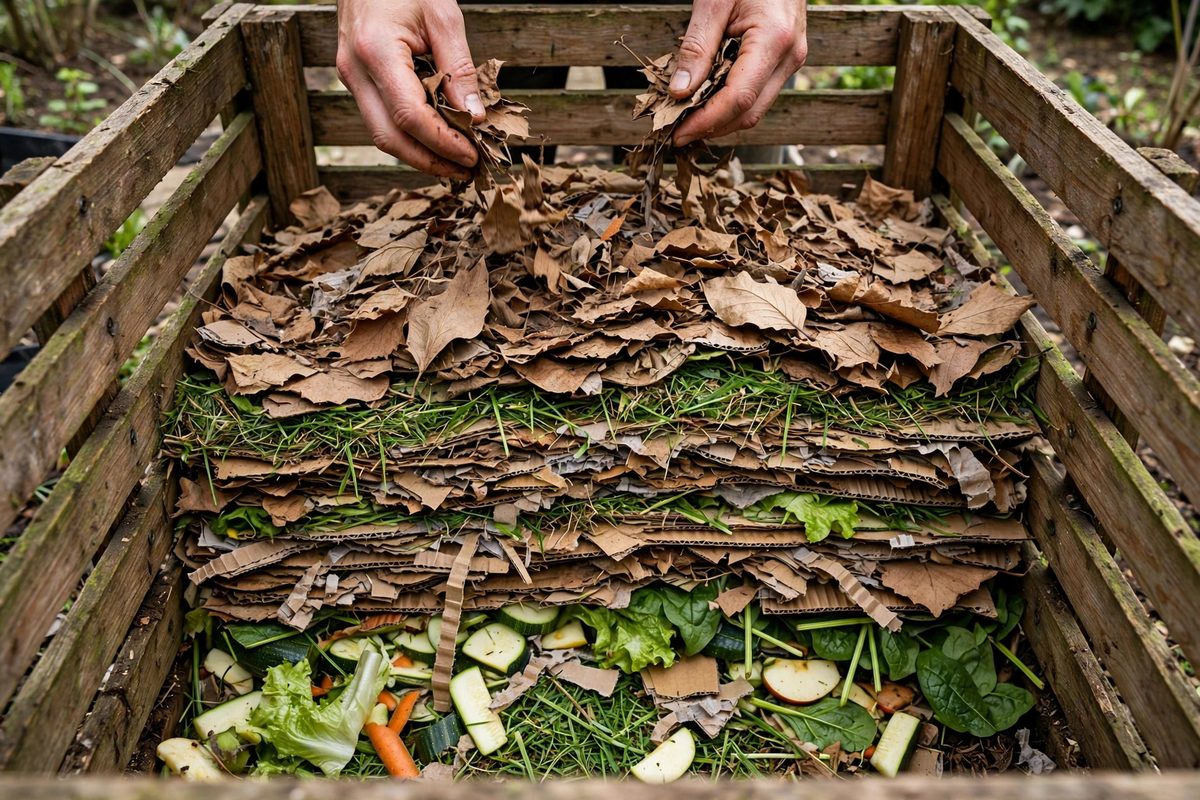
The recipe is a ratio: roughly three parts brown, carbon-rich material — dry leaves, cardboard, straw — to one part green, nitrogen-rich material — food scraps, fresh grass — layered thin so air reaches every layer.
Step 3
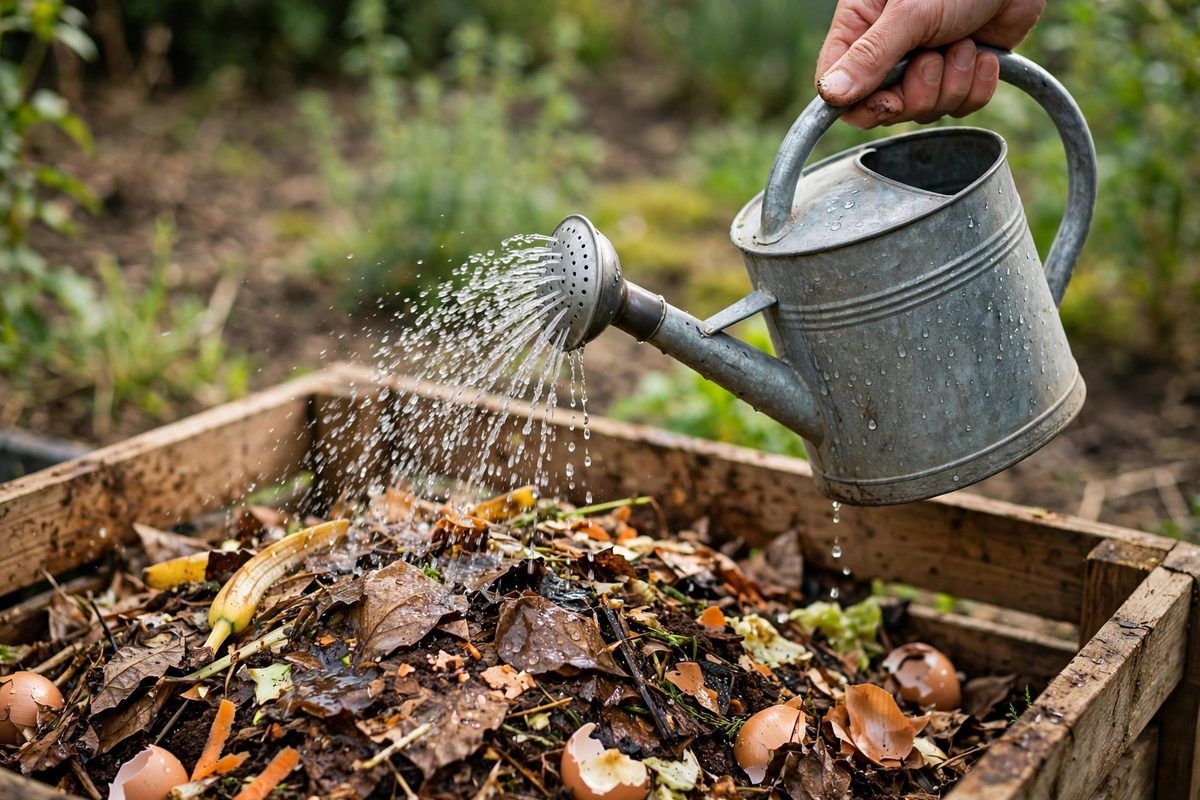
Water is the third ingredient: microbes only work in damp material, so keep the pile as moist as a wrung-out sponge — too dry and decay stalls, too wet and the air is driven out.
Step 4
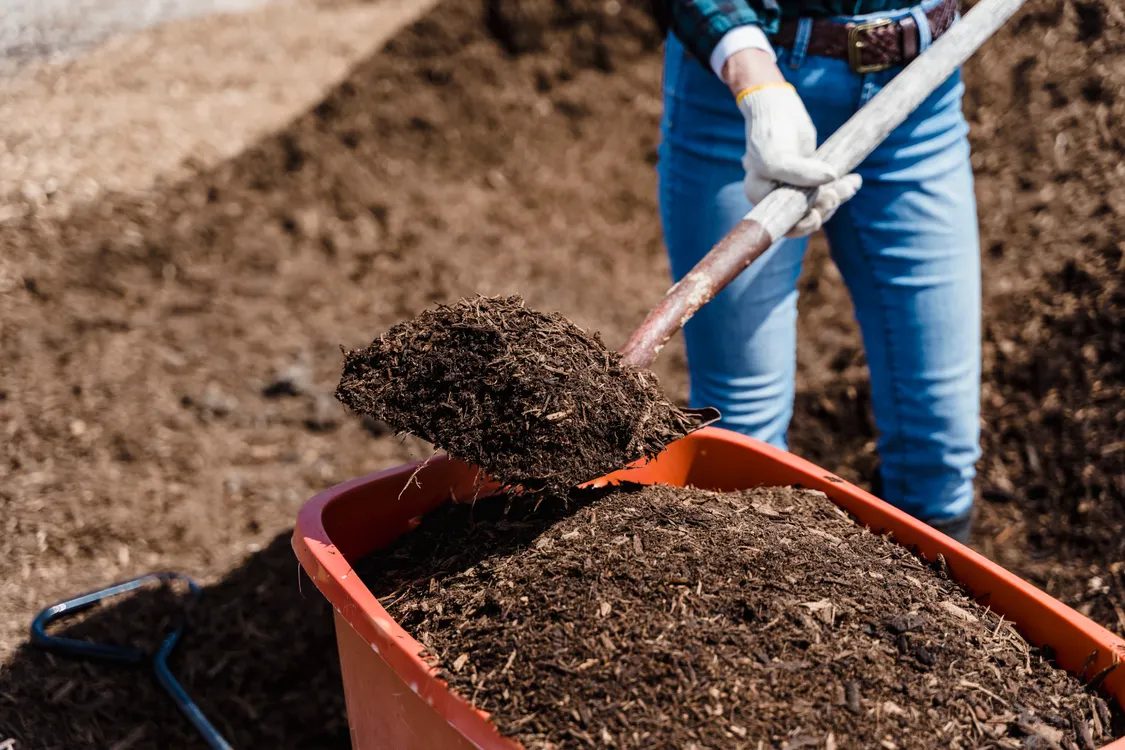
Air is the fourth ingredient: fork the pile over every few weeks to let oxygen in — oxygen keeps decay sweet-smelling, while an airless pile turns sour and slimy.
Step 5
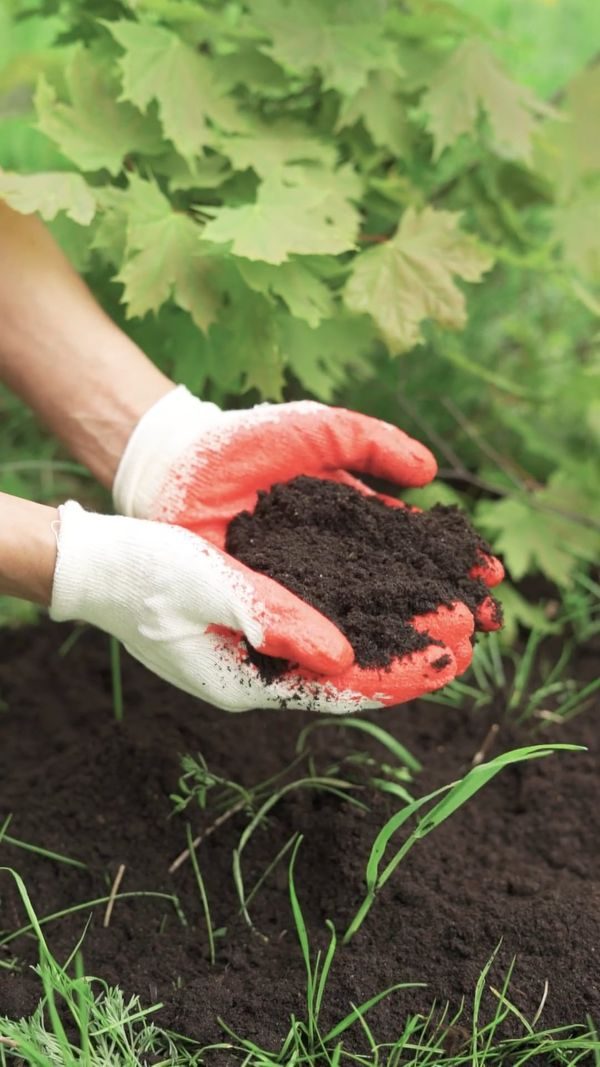
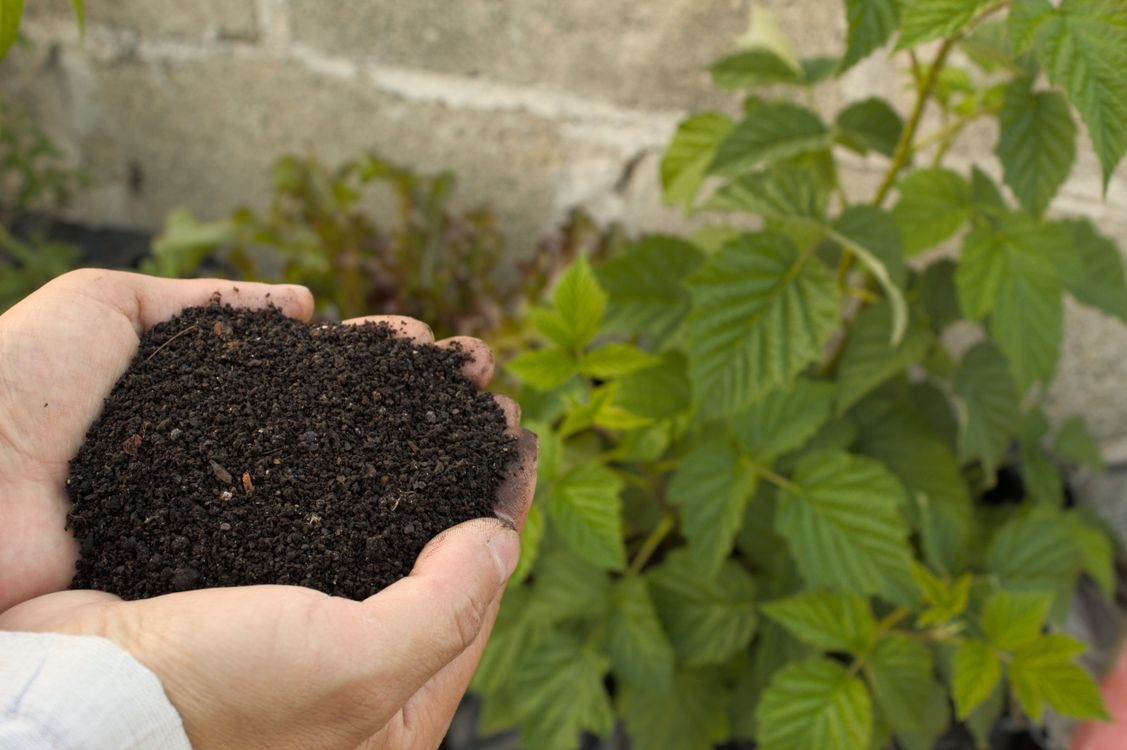
The finished product proves the science worked: dark, crumbly compost that smells like a woodland floor, with no recognizable scraps and no heat left in it, is stable humus ready to feed a bed.
Expert tip
Write down the date you do this. Gardening advice is full of ‘weeks later’ — and the gardeners who improve fastest are the ones who can check what ‘later’ actually was.
Common mistakes
Watch out for
- Thinking compost is fertilizer — it is soil food, not plant food: it feeds soil life, and soil life feeds plants.
- Adding only greens — a pile of pure food scraps turns slimy and smells; browns balance it.
- Sealing a pile airtight — decay needs oxygen, so a sealed bin rots instead of composting.
Keep exploring this topic with What Is Crop Rotation?, or browse the full Composting section.
Frequently asked questions
What is the difference between compost and soil?
Soil is the mineral base of a bed; compost is decomposed organic matter you add to it. Compost is an amendment, not a replacement for soil: mix it into beds or spread it as mulch, where it feeds the soil life that feeds plants.
Is compost the same as manure?
No. Manure is animal waste, and it must be aged or composted before use. Compost is the finished product of decomposed plant and food material — manure can be one ingredient in it.