Hummingbirds return to gardens with tubular, nectar-rich flowers from spring to fall. How to plan a planting that keeps them coming all season. It sounds specialist, but like most gardening it comes down to a few fundamentals done in the right order — this guide walks through them one at a time, with the timings and quantities that actually matter.
What you will need
- Nectar-rich plants with tubular flowers
- A sunny, sheltered corner
- Compost for the planting holes
- Pruners and snips for deadheading
- A shallow water dish or mister
- A no-spray promise — pesticides kill the food chain
Step by step
Step 1
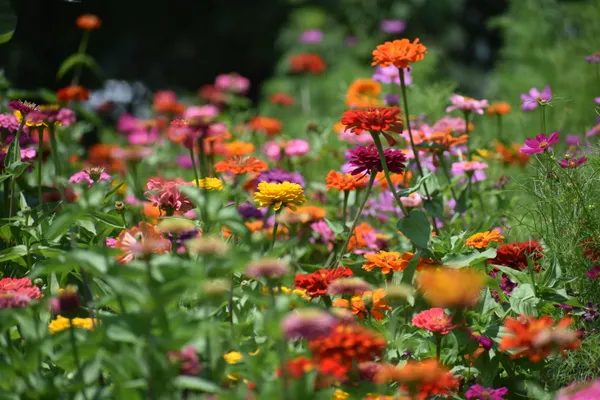
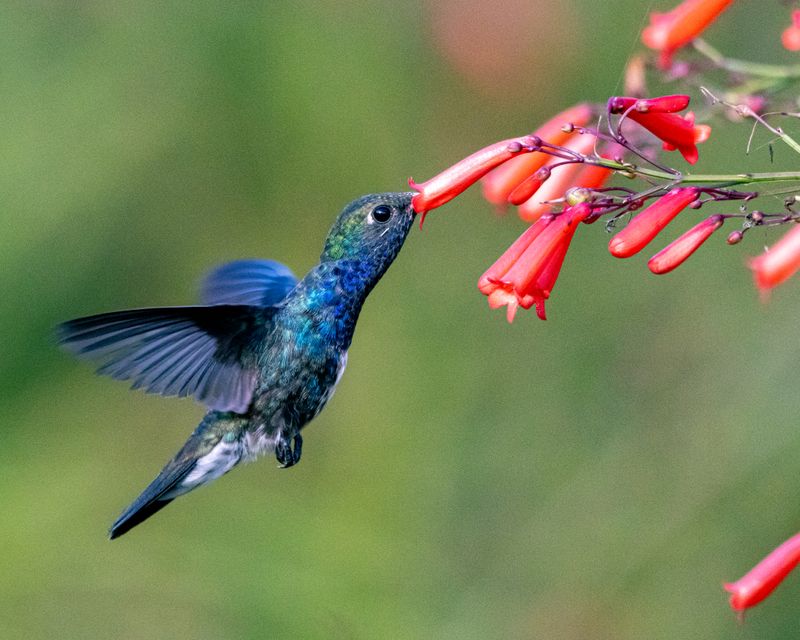
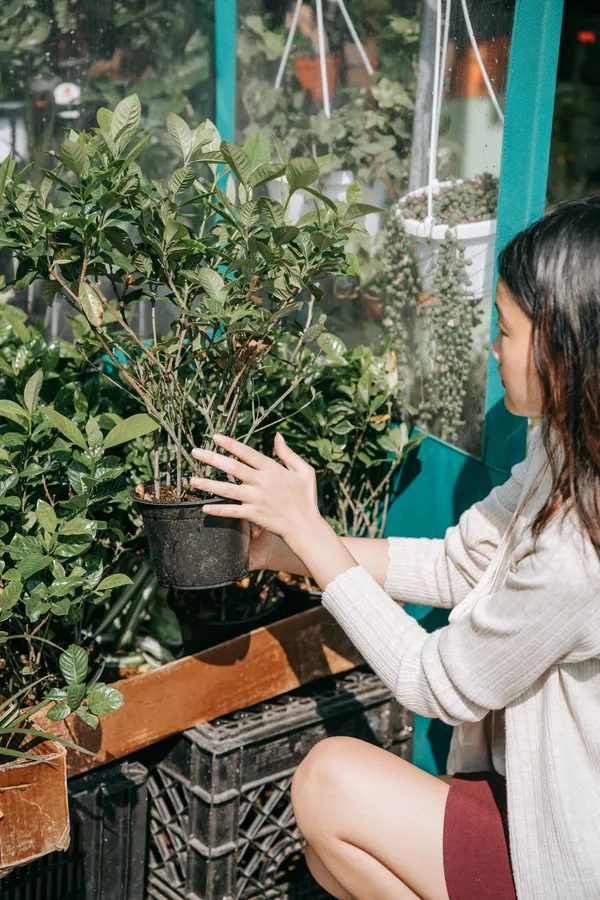
Choose plants in flower where you can see them, and check the label for tubular, nectar-rich blooms — hummingbirds feed by sight and favor red, orange and pink, so pick plants already showing the colors that bring them in.
Step 2
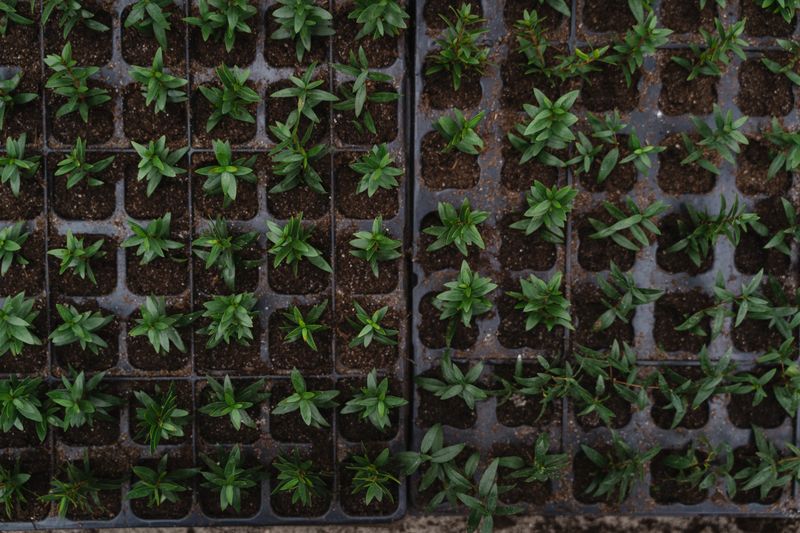
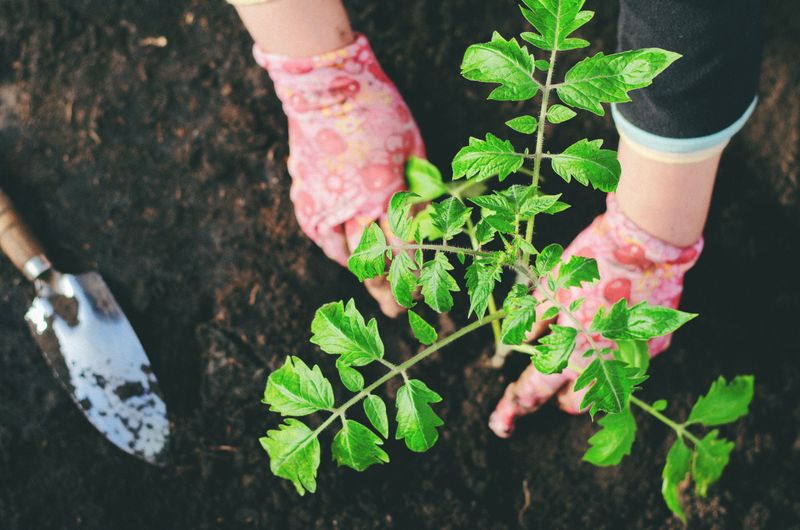
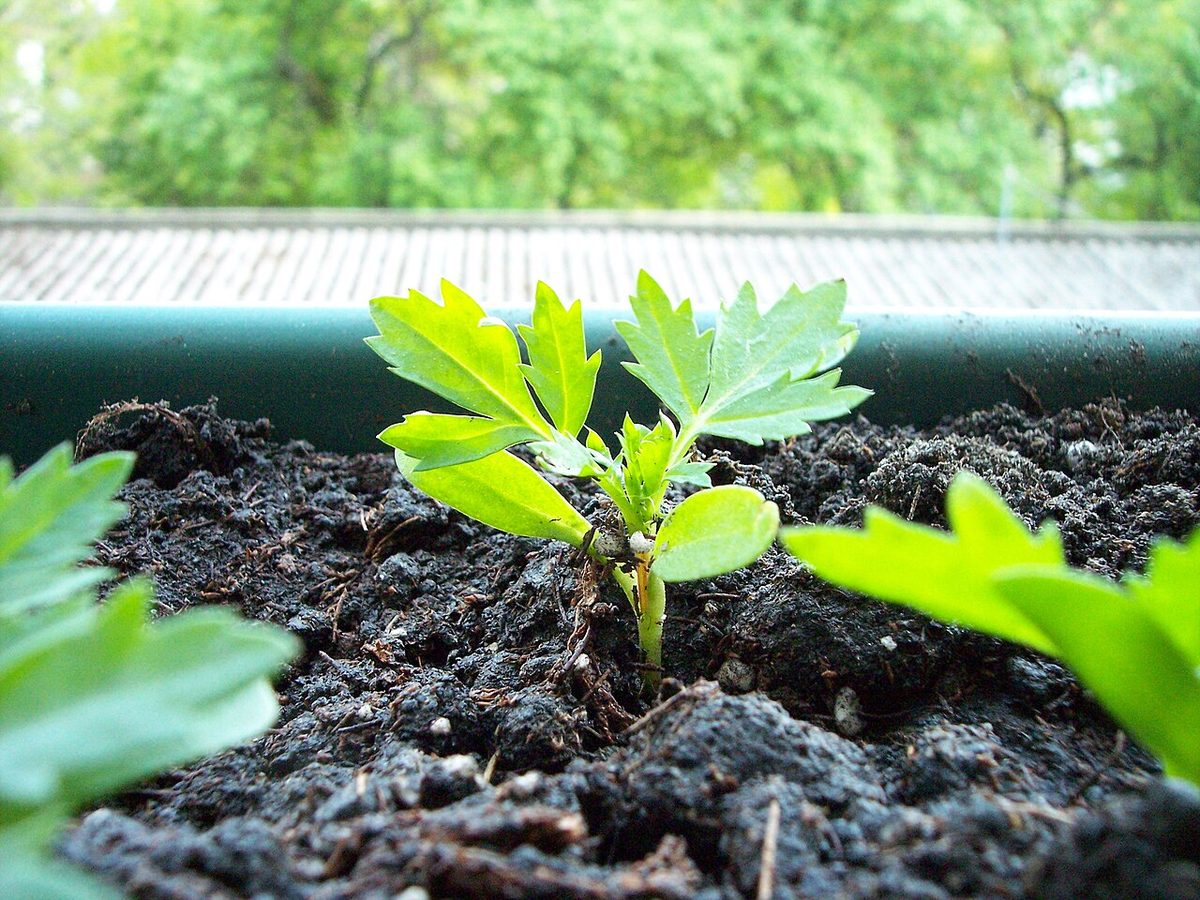
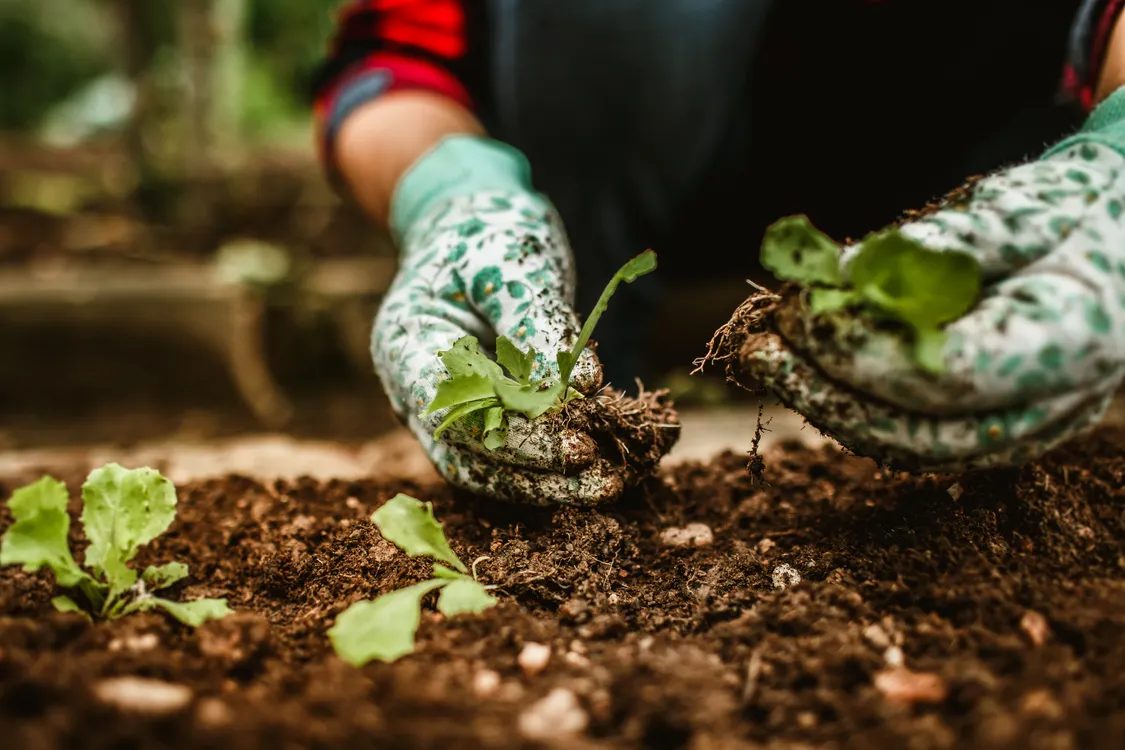
Plant in drifts of the same variety, setting the seedlings out at their final spacing and firming the soil around the roots — a patch of one flower is easier for a hummingbird to find and work than the same plants scattered singly.
Step 3
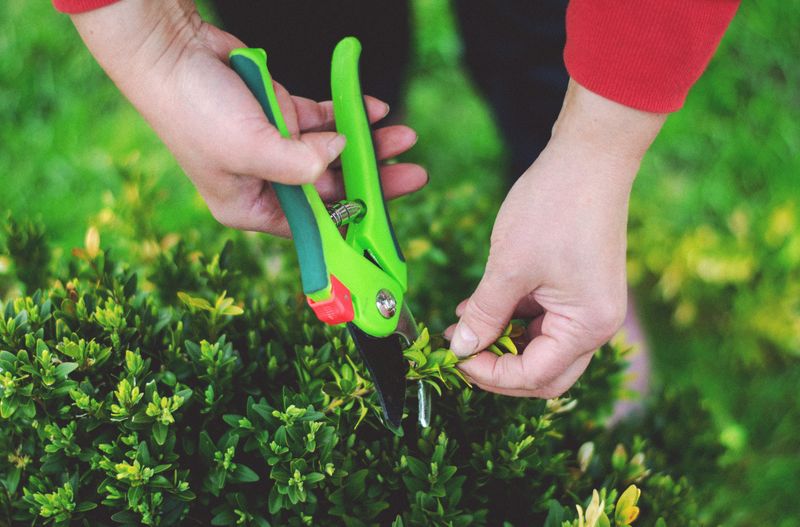
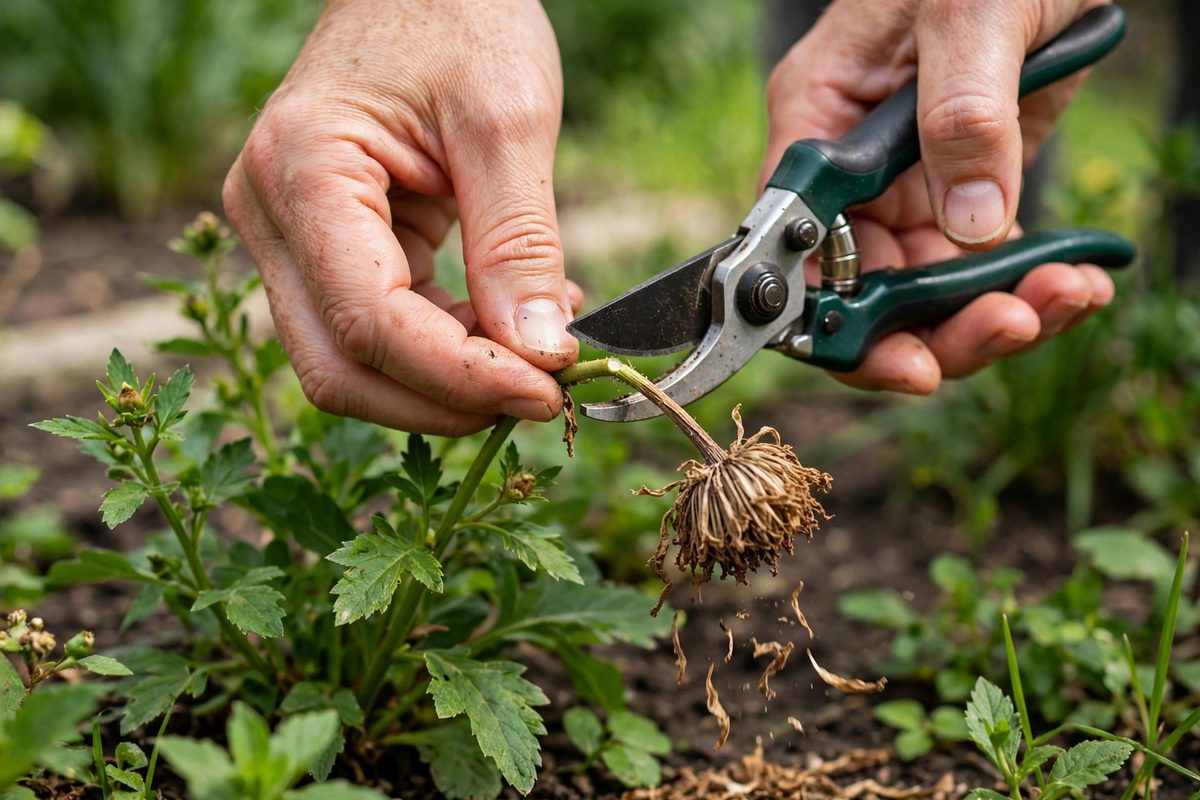
Deadhead spent blooms weekly through the season, snipping faded heads back to a leaf joint — most hummingbird flowers repeat within weeks, and a steady supply of fresh blooms is what keeps the birds returning all summer.
Step 4
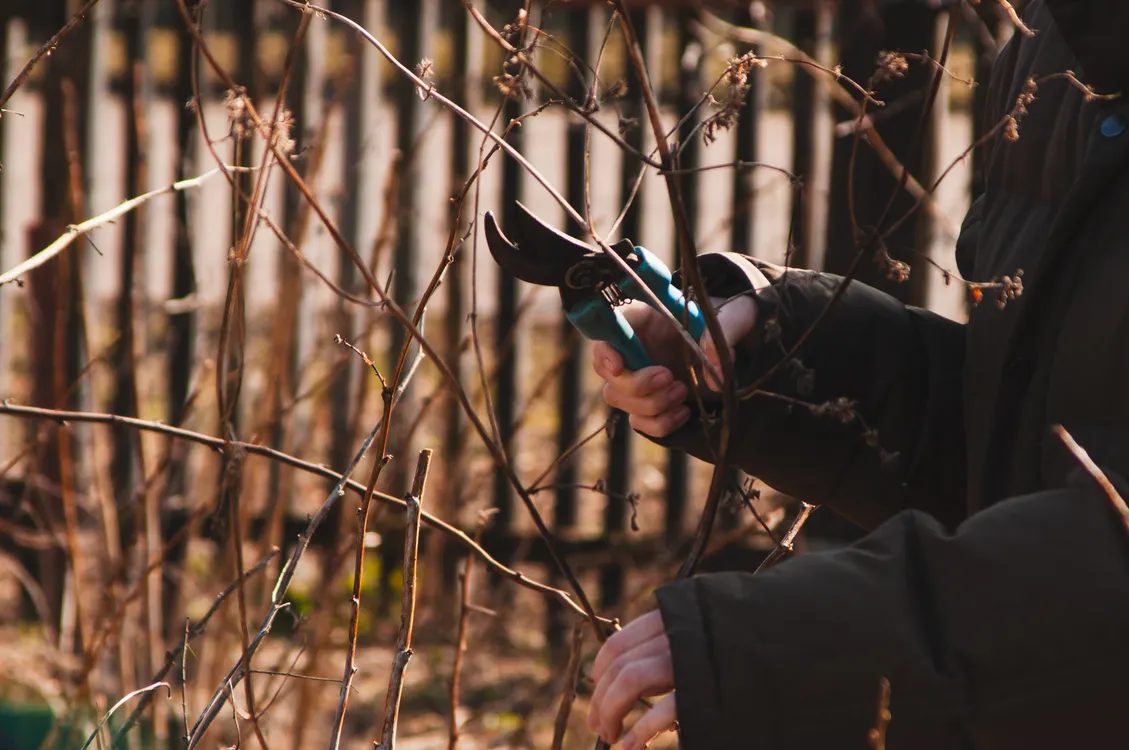
Cut the dormant stems of the perennial flowers back in late winter, before new growth starts — use pruners, clear the dead growth, and the clump returns bushier, with more flowering stems for the first hummingbirds of spring.
Step 5
Skip the pesticides entirely and add a shallow water source nearby — hummingbirds eat small insects as well as nectar, so a spray-free garden with water is a complete territory, not just a snack stop.
Expert tip
Write down the date you do this. Gardening advice is full of ‘weeks later’ — and the gardeners who improve fastest are the ones who can check what ‘later’ actually was.
Common mistakes
Watch out for
- Planting one of everything — hummingbirds favor drifts they can work efficiently, not a scattered collection.
- Spraying for aphids — the spray kills the tiny insects hummingbirds feed their young.
- Relying on a feeder alone — feeders help, but flowers across the whole season are what hold the birds.
Keep exploring this topic with Purple Flower Perennial Plants, or browse the full Flower Gardening section.
Frequently asked questions
What flowers do hummingbirds like best?
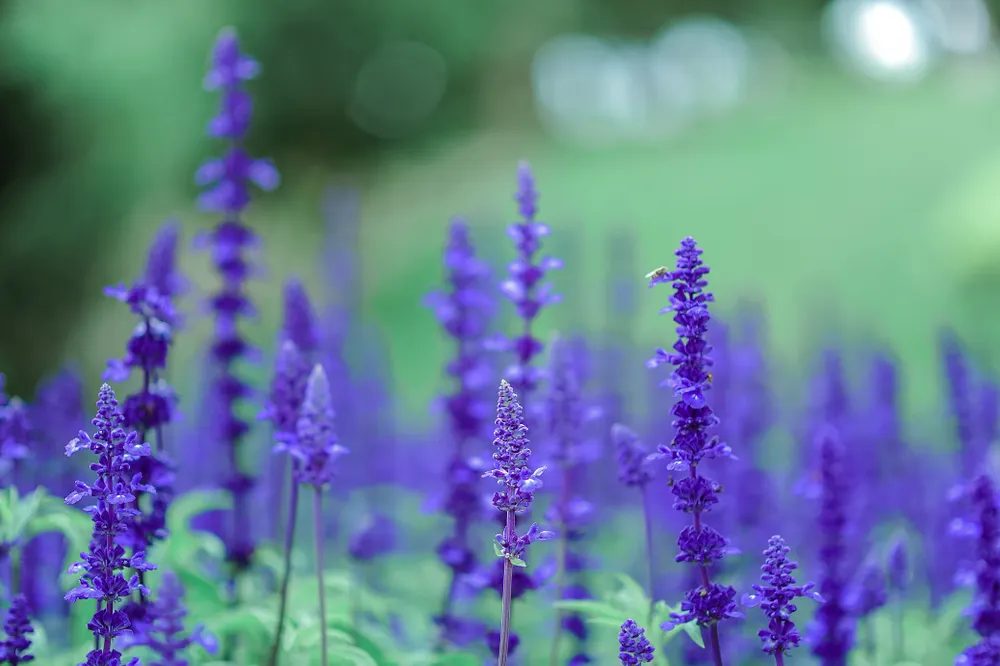
Tubular, nectar-rich blooms: salvia, bee balm, trumpet honeysuckle, cardinal flower and fuchsia. Red flowers draw them first, but they work every color once they know the garden.
When do hummingbirds need flowers most?
From their spring arrival to the fall migration — plan for early, mid and late bloomers so the nectar never gaps, especially in late summer when the birds fuel up to migrate.