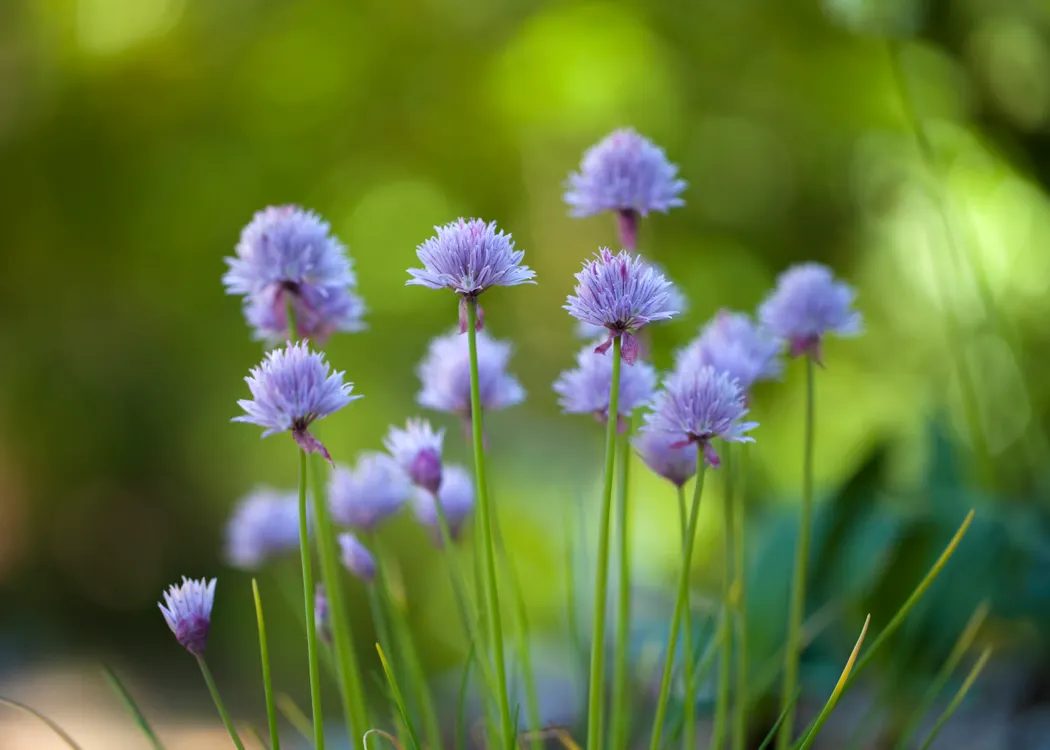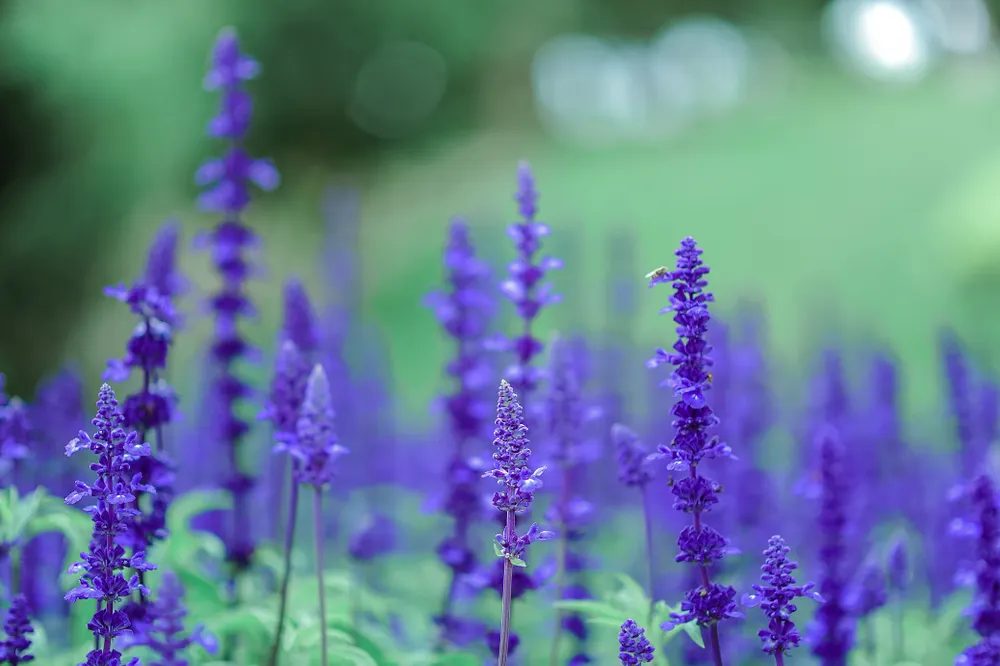
Lavender, salvia, alliums and friends — purple perennials that return every year and pair with everything. It sounds specialist, but like most gardening it comes down to a few fundamentals done in the right order — this guide walks through them one at a time, with the timings and quantities that actually matter.
What you will need
- Secateurs and snips
- Hand fork and trowel
- Compost mulch
- Plant supports and soft ties
- A bucket for deadheads and clippings
Step by step
Step 1
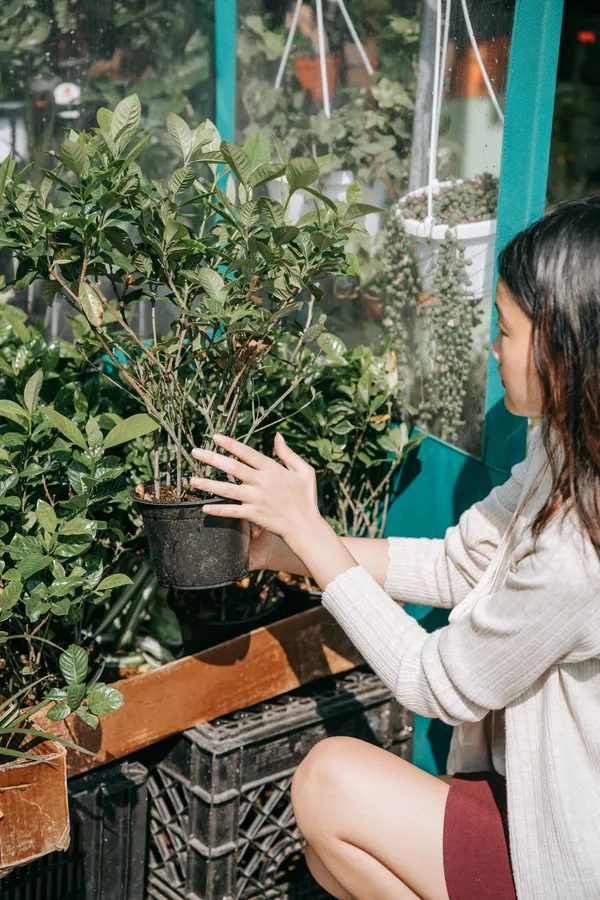
Choose plants for your soil and light, not just the flower photo.
Step 2
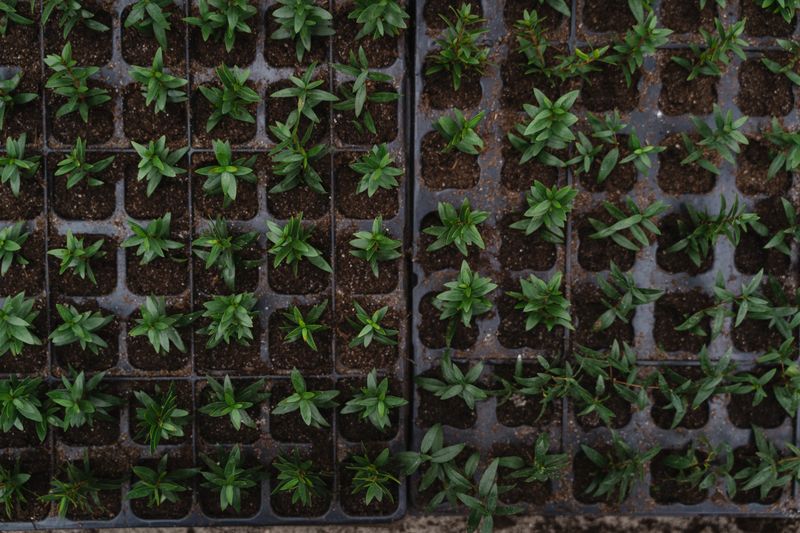
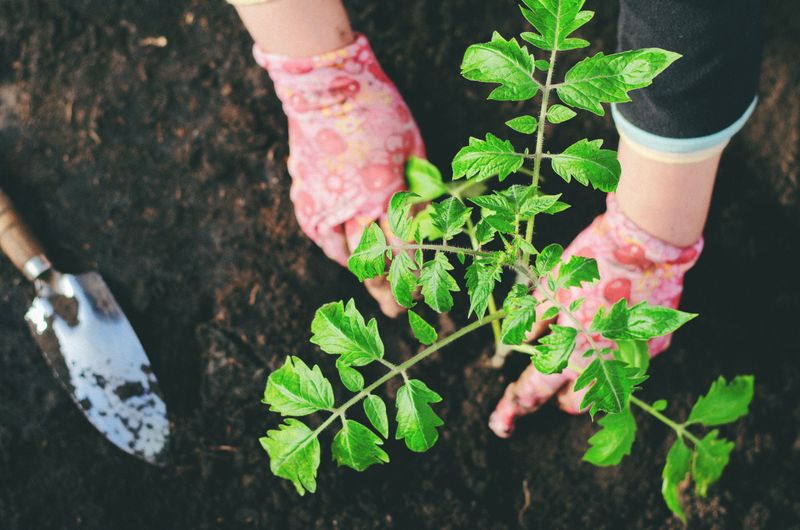
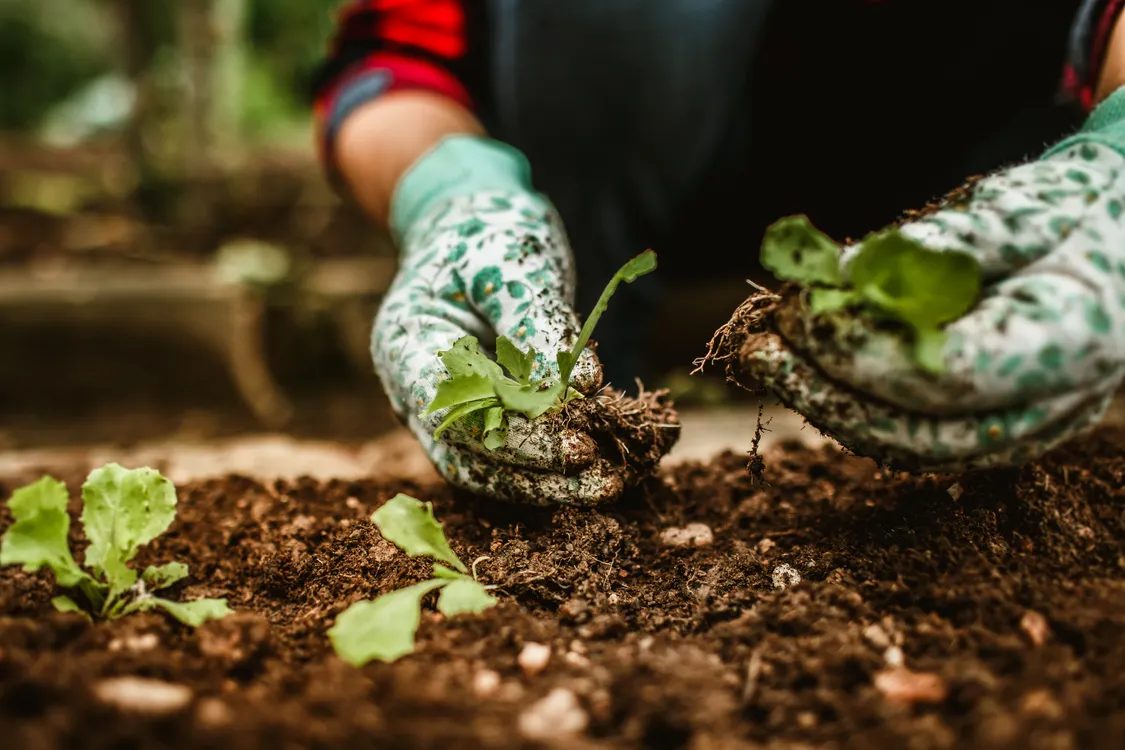
Plant in autumn or spring so roots establish before summer stress.
Step 3
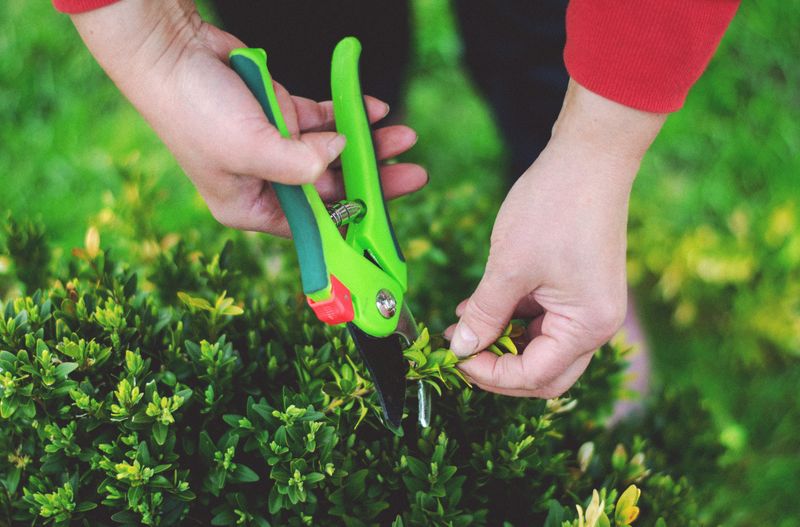
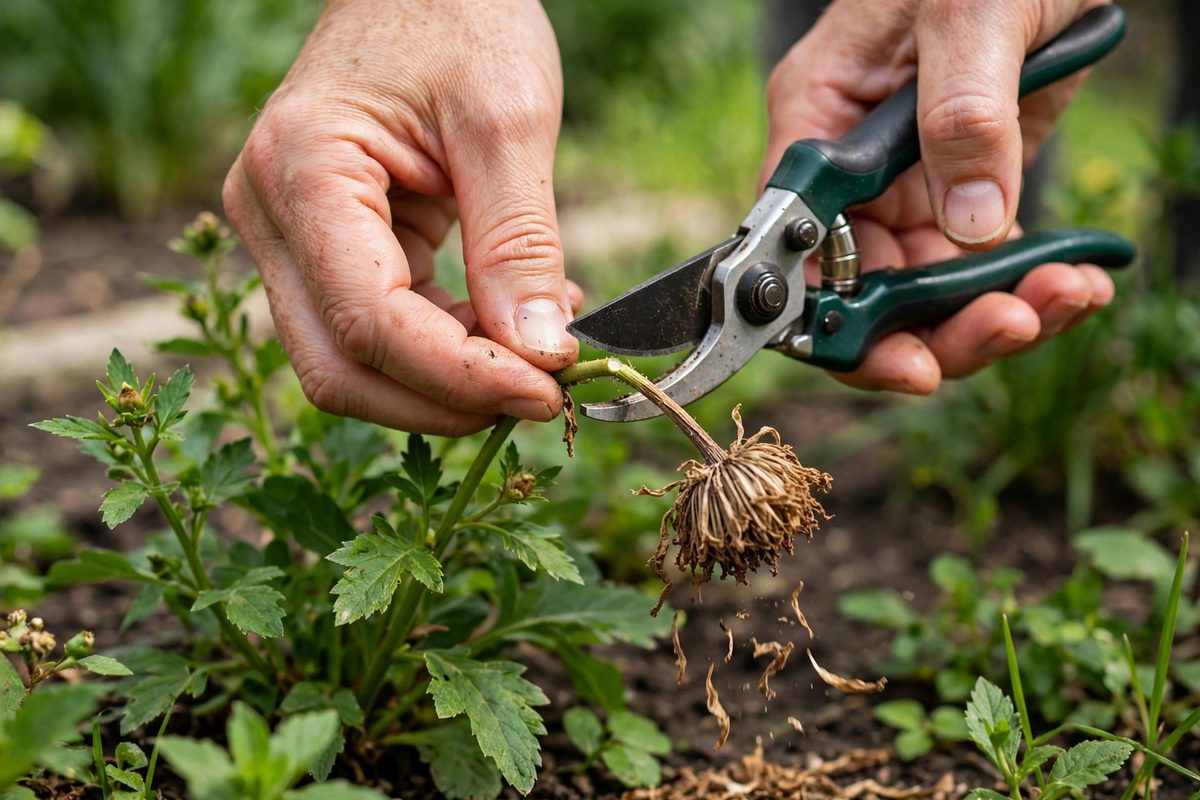
Deadhead spent blooms weekly unless you are saving seed or feeding birds.
Step 4
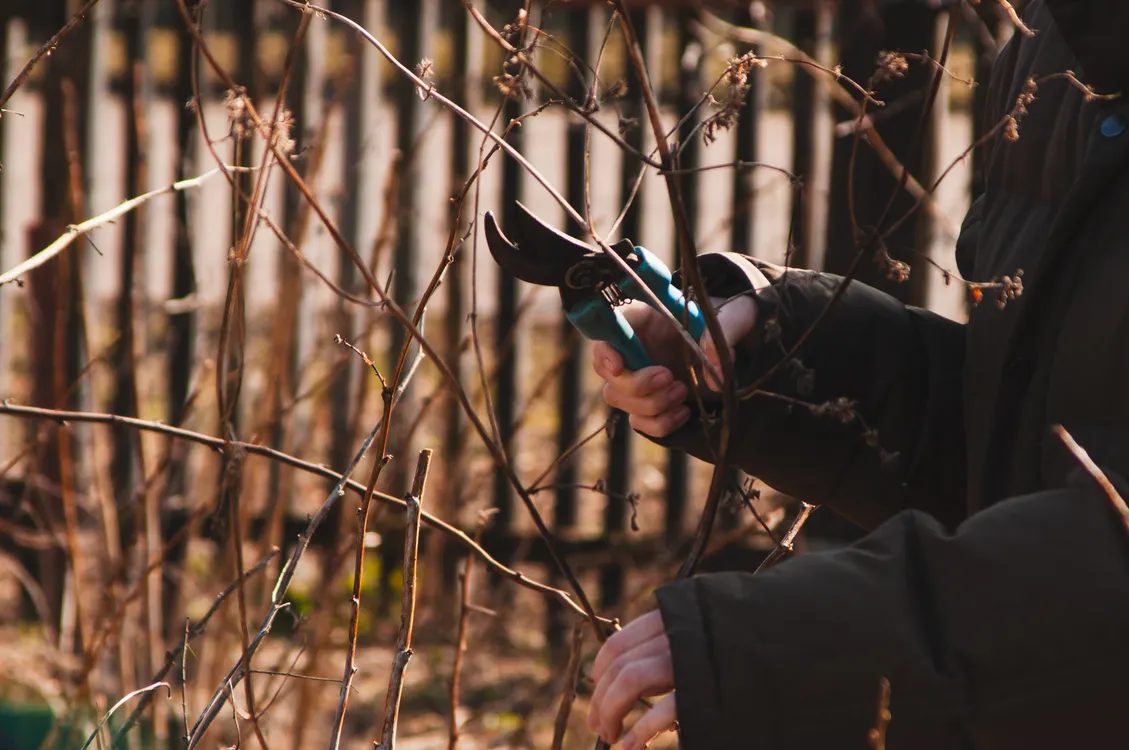
Cut back at the right season for each plant’s flowering wood.
Step 5
Mulch annually with compost to feed soil life and suppress weeds.
Expert tip
Write down the date you do this. Gardening advice is full of ‘weeks later’ — and the gardeners who improve fastest are the ones who can check what ‘later’ actually was.
Common mistakes
Watch out for
- Pruning spring-flowering shrubs in autumn — removing next year’s buds.
- Planting sun-lovers in shade and blaming the variety.
- Deadheading plants grown for seed heads or berries.
Keep exploring this topic with What Flowers Bloom in Summer, or browse the full Flower Gardening section.
Frequently asked questions
How do I get flowers all summer?
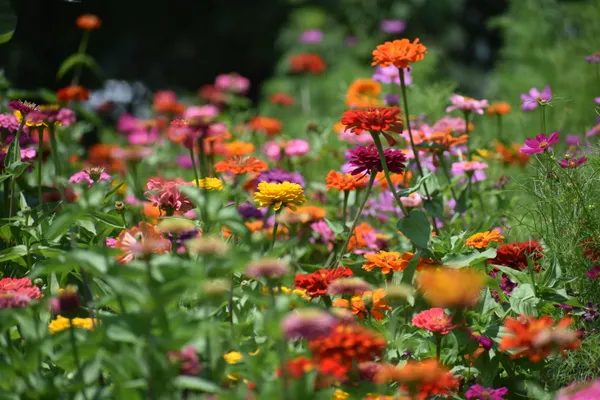
Combine early, mid and late bloomers and deadhead repeat-flowerers. Our summer bloom guide sequences them for you.
Perennial or annual?
Perennials are the backbone — plant once, enjoy for years. Annuals are the fireworks you sow each spring to fill gaps.