Ornamental grasses bring movement and structure to dry gardens without constant watering. The best drought-tolerant grasses and how to place them. It sounds specialist, but like most gardening it comes down to a few fundamentals done in the right order — this guide walks through them one at a time, with the timings and quantities that actually matter.
What you will need
- A tape measure and a rough sketch
- A sunny, free-draining spot
- Gravel or grit for heavy soil
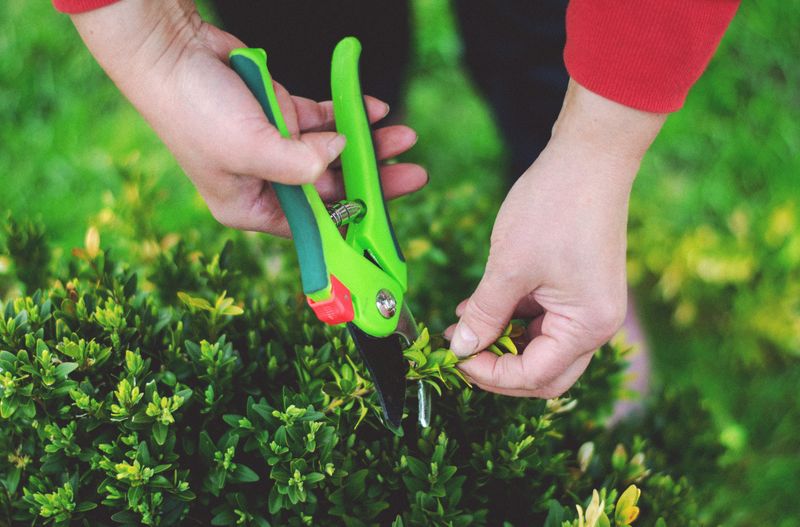
- Secateurs or shears for the spring cut-back
- Gloves — grass blades can cut
Step by step
Step 1
Sketch the dry spots first and mark where grasses will screen, soften edges and catch the light — grasses earn their place by structure, not just by saving water.
Step 2
Fix drainage before planting: ornamental grasses tolerate drought, but most rot in soil that stays wet through winter.

Step 3
Set the bones of the garden first — paths, edges and the tall grasses that frame them — so the dry garden holds its shape even in the dormant season.
Step 4
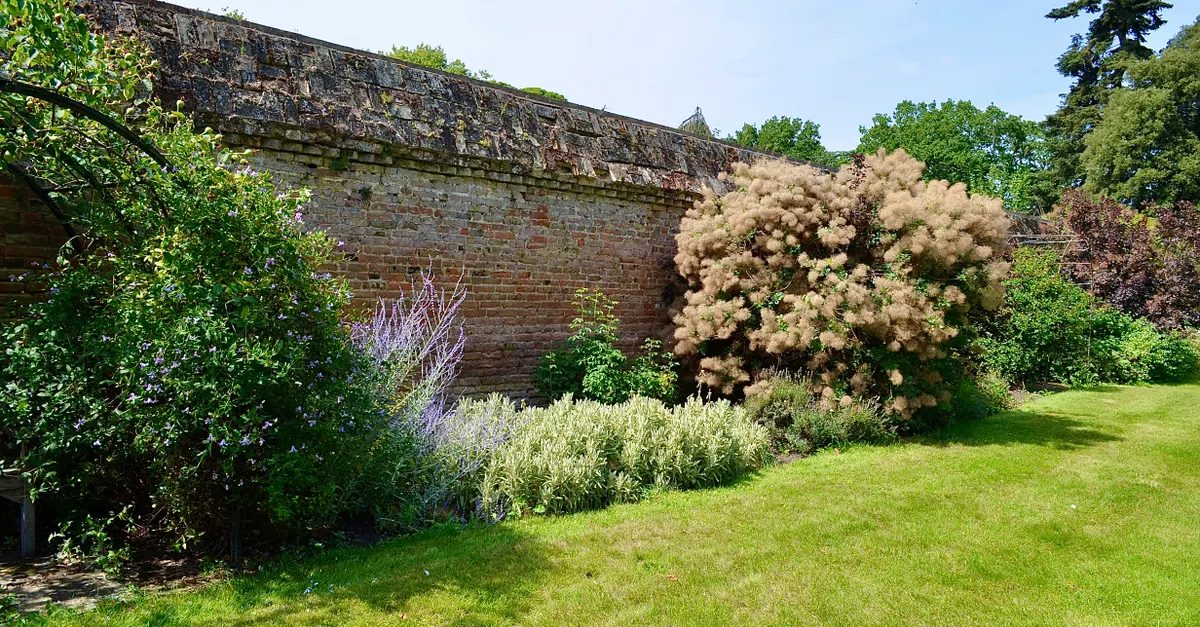
Plant in layers: tall grasses at the back, mid-height clumps in the middle, and low ground-cover grasses at the front, repeating one variety for rhythm.
Step 5
Live with the planting for a full season before adding more — grasses take a year to reach their height, and their winter skeletons are half the show.
Expert tip
Write down the date you do this. Gardening advice is full of ‘weeks later’ — and the gardeners who improve fastest are the ones who can check what ‘later’ actually was.
Common mistakes
Watch out for
- Planting grasses in soil that stays wet in winter — drought-tolerant does not mean wet-tolerant.
- Choosing running varieties for a small bed — clump-formers stay put, runners take over.
- Cutting back in autumn — the dead stems shelter wildlife and look superb in frost; cut in spring.
Keep exploring this topic with Terraced Gardening on a Slope, or browse the full Backyard Landscaping section.
Frequently asked questions
Do ornamental grasses need watering?
Water well in the first season while roots establish. After that, established clumps in suitable soil manage on rainfall in most climates.
When do I cut ornamental grasses back?
In late winter or early spring, before new growth starts — cut the old stems to a few inches and let the fresh shoots take over.