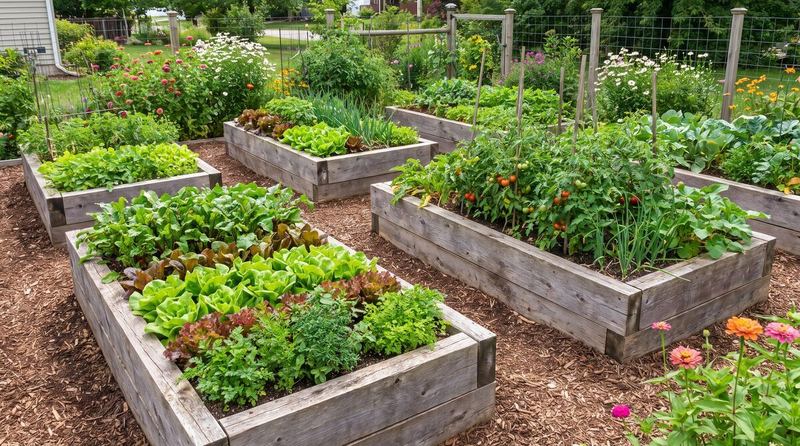
Turn a slope from a mowing hazard into your most productive ground: levels, retaining edges and planting. It sounds specialist, but like most gardening it comes down to a few fundamentals done in the right order — this guide walks through them one at a time, with the timings and quantities that actually matter.
What you will need
- A tape measure and a rough sketch
- String and pegs for marking out
- Spade, rake and wheelbarrow
- Edging material of your choice
- Patience — structure first, planting second
Step by step
Step 1
Sketch the space and mark paths, seating and beds before moving any soil.
Step 2
Fix levels and drainage first; landscaping fails underground before it fails on top.

Step 3
Build structure: paths, edges, terraces and the plants that frame them.
Step 4
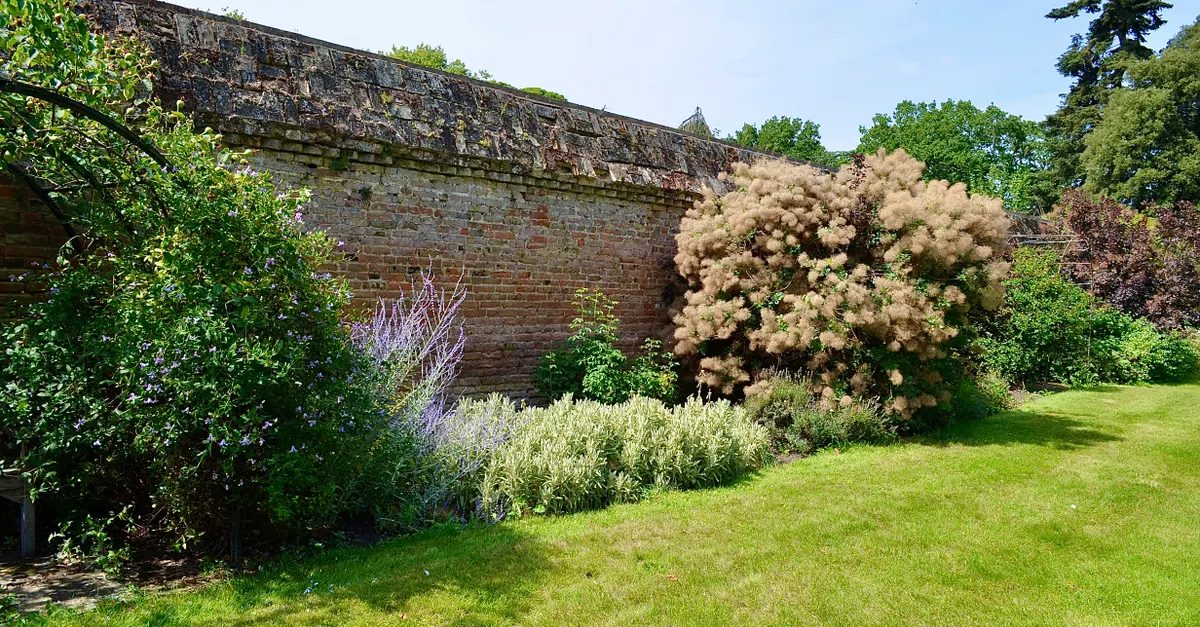
Plant in layers — canopy, shrubs, perennials, ground cover.
Step 5
Live with it a season before hard-landscaping the last details.
Expert tip
Write down the date you do this. Gardening advice is full of ‘weeks later’ — and the gardeners who improve fastest are the ones who can check what ‘later’ actually was.
Common mistakes
Watch out for
- Starting with plants and never giving the space structure.
- Ignoring drainage, then watching paths flood every winter.
- Planting fast-growing shrubs at houseplant spacing.
Keep exploring this topic with Which Way Does Your Garden Face?, or browse the full Backyard Landscaping section.
Frequently asked questions
Where do I start on a blank yard?
With movement: how you cross the space decides paths, and paths decide beds. Our garden ideas gallery is a good sketchbook.
What makes a garden feel ‘designed’?
Repetition: the same plant, stone or color in three places ties a whole yard together.