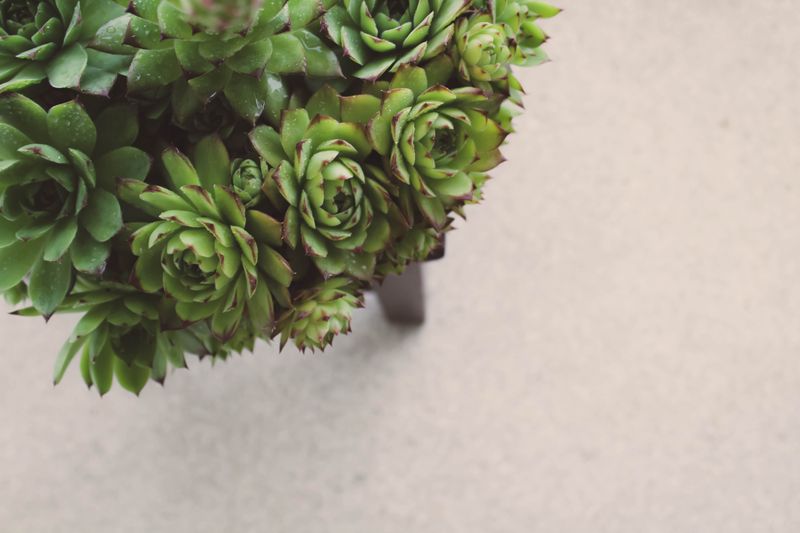
Hen and chicks spread into clusters of rosettes that shrug off drought and neglect. How to grow sempervivum in pots, rock gardens and dry sunny spots. It sounds specialist, but like most gardening it comes down to a few fundamentals done in the right order — this guide walks through them one at a time, with the timings and quantities that actually matter.
What you will need
- A shallow pot or rock-garden pocket with drainage
- Very gritty, free-draining mix
- The sunniest windowsill or spot you have
- A narrow-spout watering can
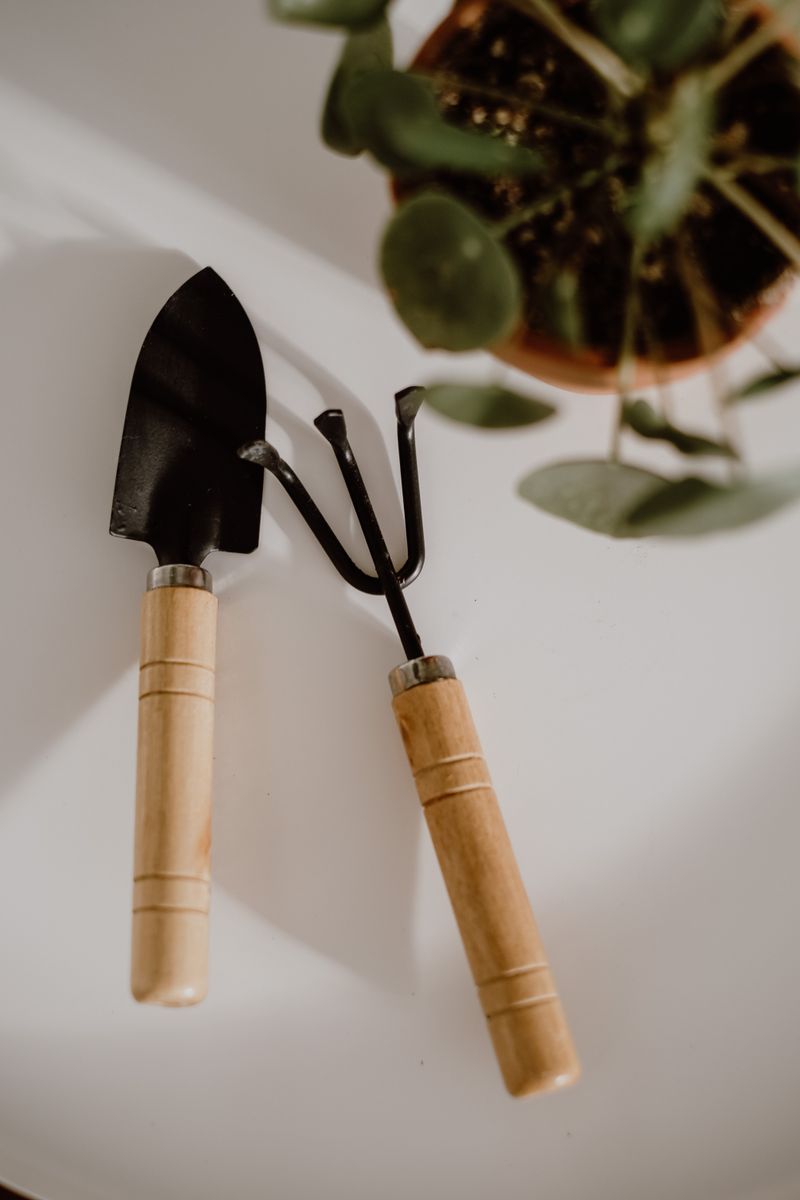
- Tweezers or a soft brush for cleaning rosettes
- A spare pot for the offsets
Step by step
Step 1
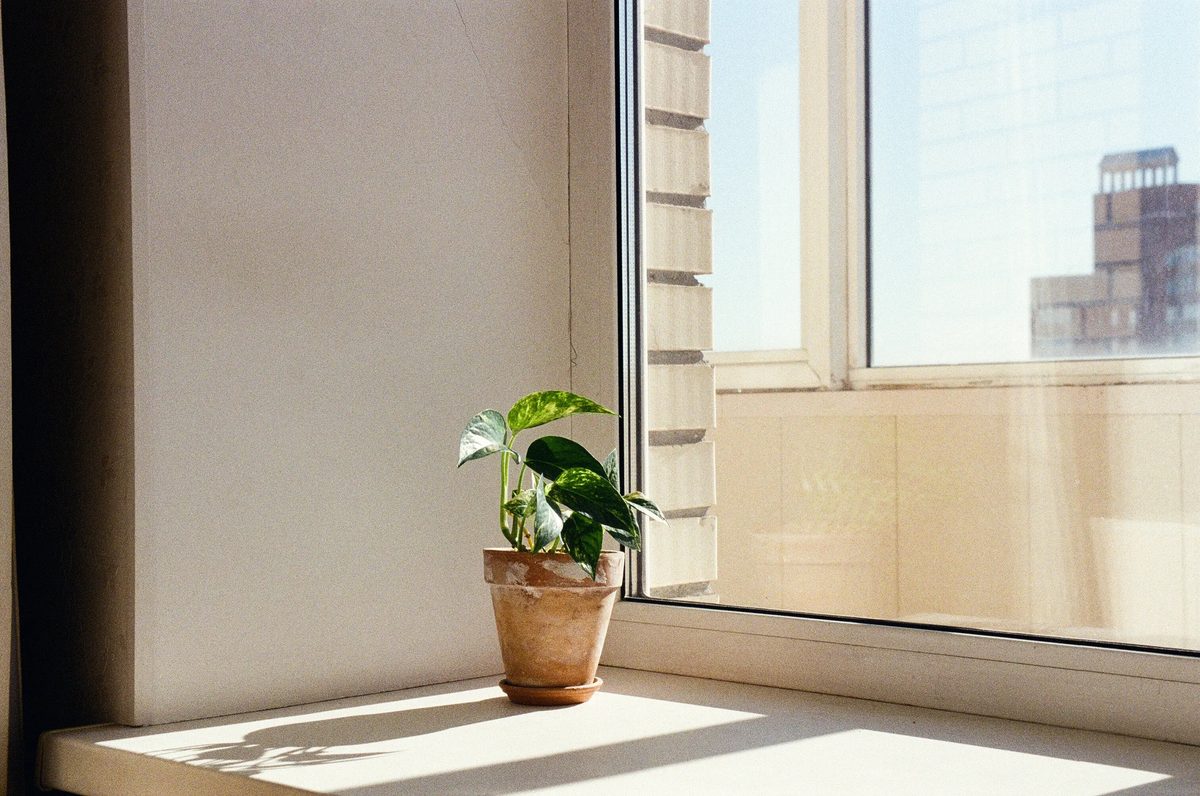
Set the pot on the sunniest windowsill you have — sempervivum need direct sun for most of the day, and a plant stuck in a dim corner stretches pale and loses the tight rosette shape within weeks.
Step 2
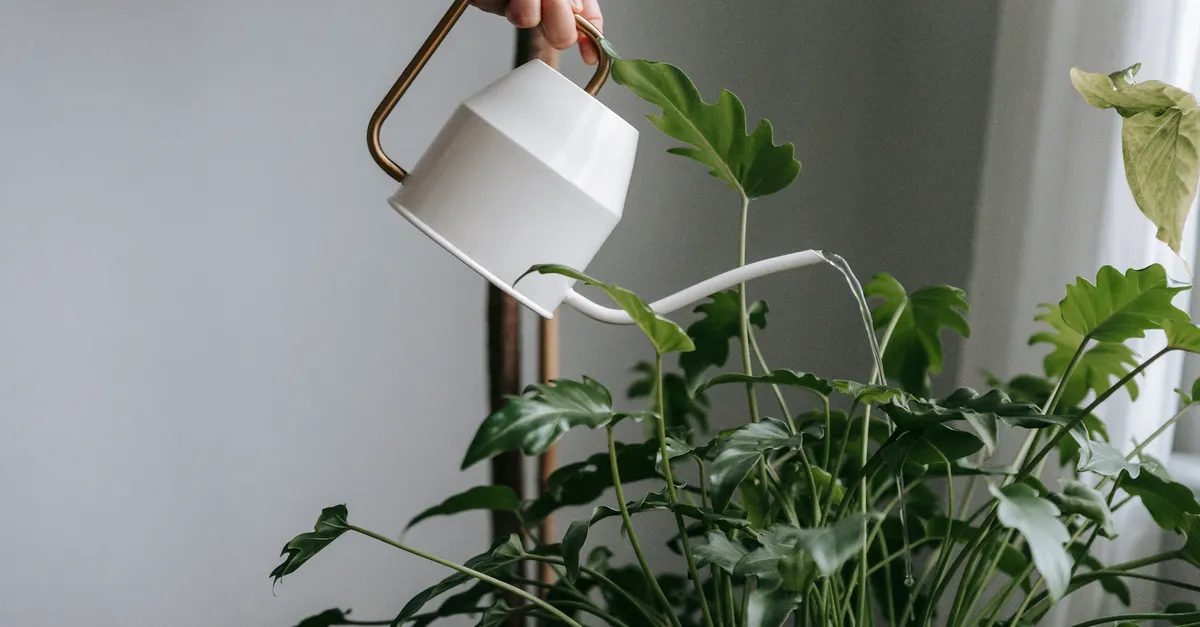
Water with a can only when the mix is dry right through, soaking the soil and letting it drain fully — hen and chicks store water in their leaves, so a plant watered like a tropical houseplant rots from the roots up.
Step 3
Feed almost never — at most once a year, at quarter strength, in spring — because sempervivum evolved for poor, rocky soil, and rich feeding grows soft, stretched rosettes that rot at the first damp spell.
Step 4
Pull away dead lower leaves by hand and keep the rosettes dry — trapped damp and dead leaves between the rosettes are what start crown rot, so pick the plant clean rather than wiping or misting it.
Step 5
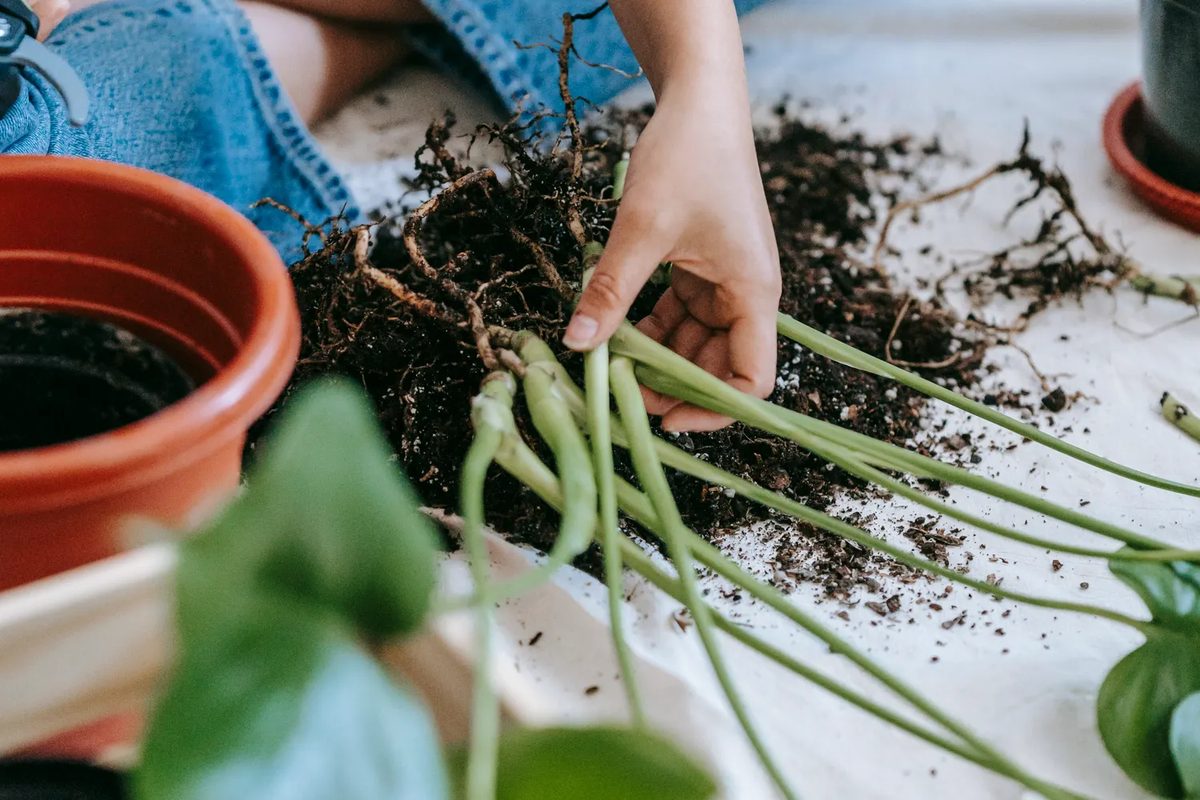
Separate the offsets when a rosette has chicks crowding around it: tease each chick away with its own roots, let the cut end dry for a day, then set it on gritty mix — it roots on its own within weeks, no rooting powder needed.
Expert tip
Write down the date you do this. Gardening advice is full of ‘weeks later’ — and the gardeners who improve fastest are the ones who can check what ‘later’ actually was.
Common mistakes
Watch out for
- Watering on a schedule — sempervivum in a cool room may go a month between waterings; check the mix, not the calendar.
- Planting in rich potting mix — ordinary compost holds too much water; cut it half and half with grit.
- Misting the rosettes — water sitting in the leaf cups rots the crown; water the soil, not the plant.
Keep exploring this topic with How to Grow Flowers Indoors, or browse the full Houseplants & Indoor Care section.
Frequently asked questions
Do hen and chicks die after flowering?
The rosette that flowers dies, but it leaves a ring of offsets — the chicks — that carry the colony on. Remove the dead rosette and the cluster fills the gap within a season.
Can hen and chicks live outside in winter?
Yes, in most zones — sempervivum are hardy to about -20°F. What kills them outdoors is winter wet, not cold, so give them sharp drainage and a rain shadow if you can.