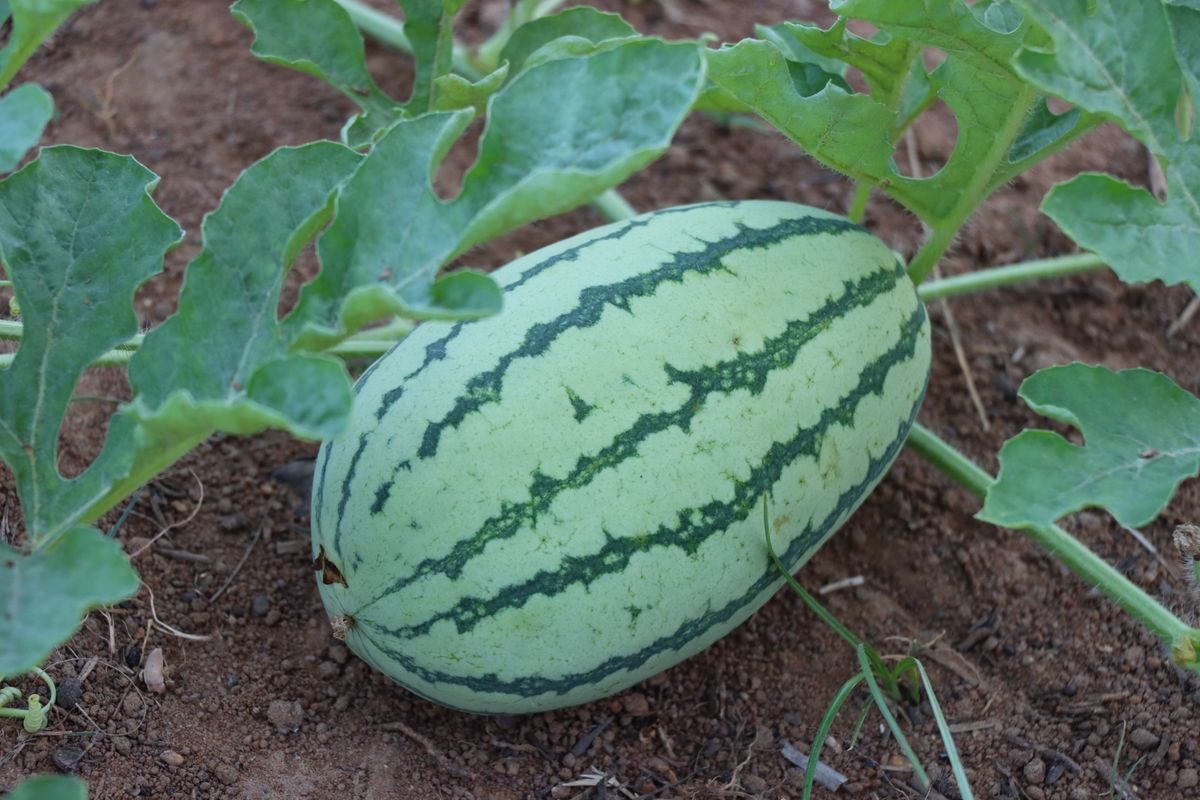
Watermelon needs heat, space and steady water — and a ripe melon tells you it's ready. How to grow watermelon plants from seed to sweet, heavy fruit. It sounds specialist, but like most gardening it comes down to a few fundamentals done in the right order — this guide walks through them one at a time, with the timings and quantities that actually matter.
What you will need
- The sunniest, warmest bed you have
- Rich, compost-fed soil
- Space for vines to sprawl, or a sturdy trellis
- A watering can or hose
- Mulch for the soil surface
- A sharp knife for harvest
Step by step
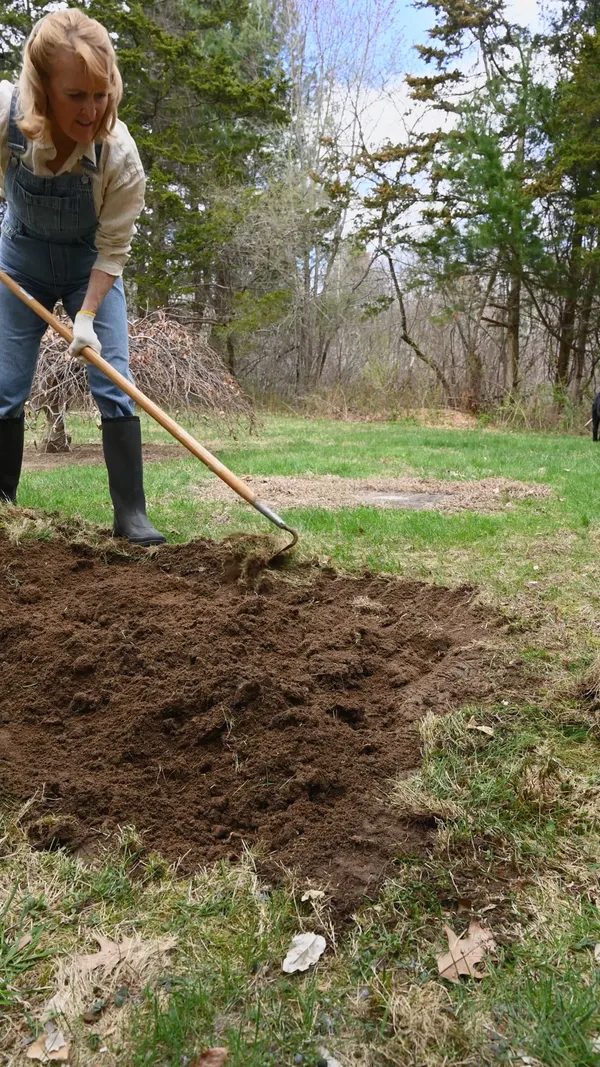
Step 1
Prepare the sunniest, warmest bed you have: clear weeds and fork in plenty of compost, because watermelon vines are heavy feeders that sprawl for meters.
Step 2
Sow or plant only once the soil is genuinely warm and frost is past — watermelon seed rots in cold, wet ground, so patience here is the whole crop.
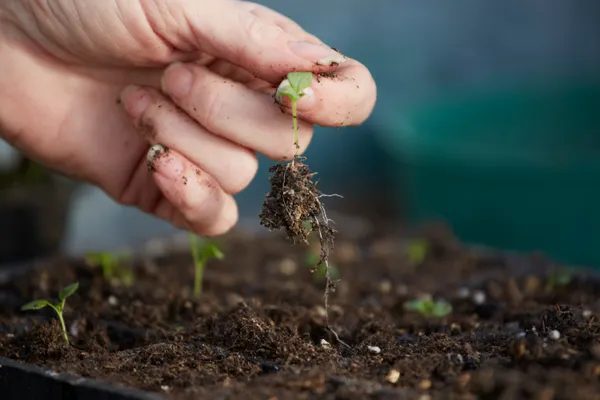
Step 3
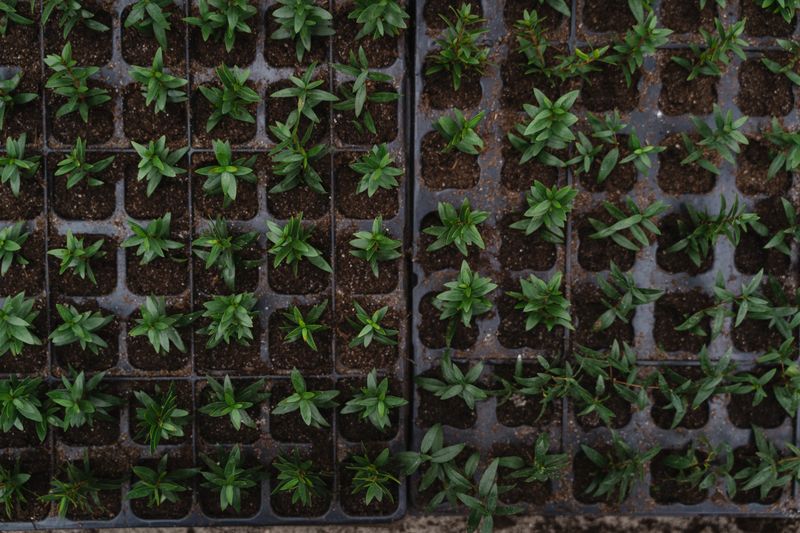
Thin seedlings to one strong plant per station, handling them by the leaves — watermelon roots resent disturbance, so thin by snipping rather than pulling.
Step 4
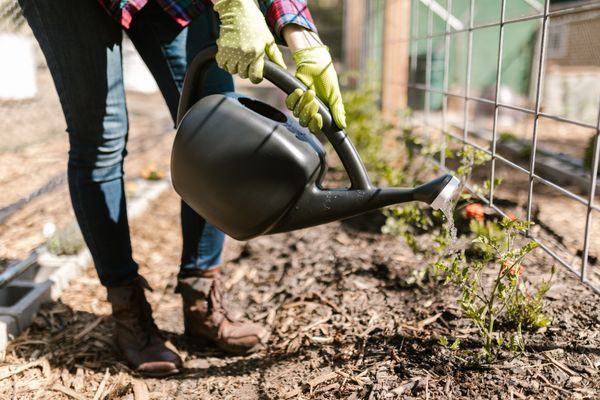
Water deeply at the base and mulch thickly around the vines, leaving the stems clear — steady water while fruit swells, then ease off as melons ripen.
Step 5
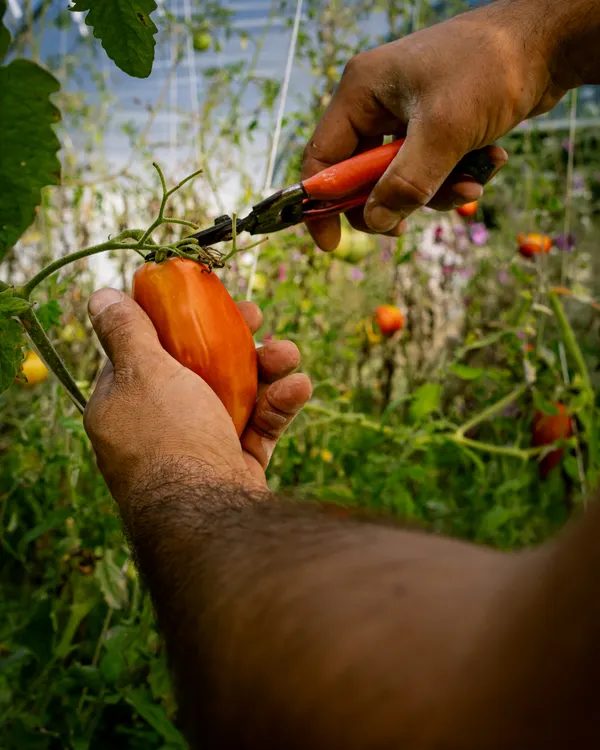
Inspect the vines twice a week and cut each ripe melon from the vine with a knife, leaving a short stem — a ripe melon sounds hollow when tapped and its underside turns creamy yellow.
Expert tip
Write down the date you do this. Gardening advice is full of ‘weeks later’ — and the gardeners who improve fastest are the ones who can check what ‘later’ actually was.
Common mistakes
Watch out for
- Sowing into cold soil — watermelon seed rots before it germinates.
- Crowding the vines — cramped plants stay small and mildew early.
- Watering heavily as fruit ripens — easing off concentrates the sweetness.
Keep exploring this topic with How to Start a Vegetable Garden, or browse the full Vegetable Gardening section.
Frequently asked questions
How do I know when a watermelon is ripe?
The underside turns from white to creamy yellow, the tendril nearest the fruit browns and dries, and the melon sounds hollow when tapped. All three signs together beat any single one.
Can I grow watermelon in a small garden?
Yes, with a compact variety and a strong trellis — train the vine up and support each fruit in a sling as it swells.