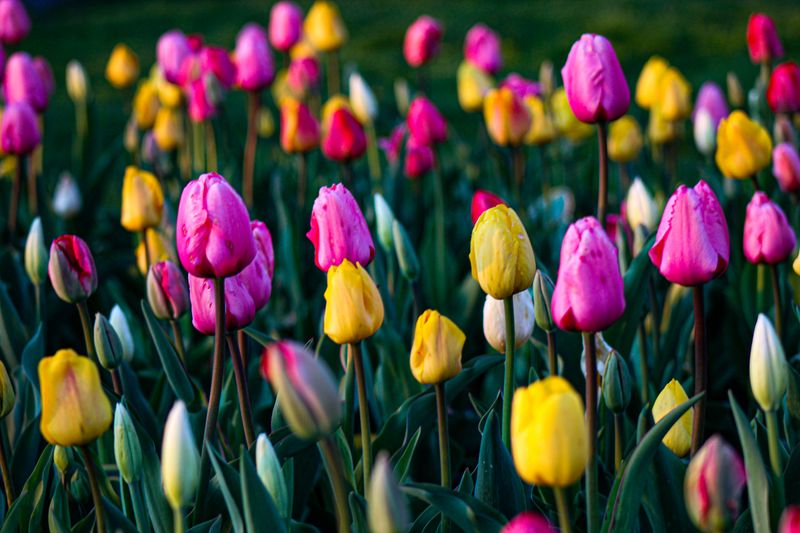
Tulips are perennials by nature, but many garden types fade after a year or two. Why some tulips return for years and how to plant for repeat blooms. It sounds specialist, but like most gardening it comes down to a few fundamentals done in the right order — this guide walks through them one at a time, with the timings and quantities that actually matter.
What you will need
- Tulip bulbs of perennial types: Darwin hybrids or species tulips
- A sunny bed with sharp drainage
- Grit or sand for heavy soil
- A trowel or bulb planter
- A marker for the planting spot
- Patience — the answer shows in year two
Step by step
Step 1
Start with the honest answer: tulips are perennials by nature, but most big hybrid types fade after a year or two — so choose Darwin hybrids or species tulips, which are bred to return, and treat fancy doubles and parrots as one-season color.
Step 2
Plant the bulbs in fall, 6 to 8 inches deep in soil that drains sharply — depth and drainage are what get a bulb through winter and back up in spring, so add grit to heavy soil and never plant where water stands.
Step 3
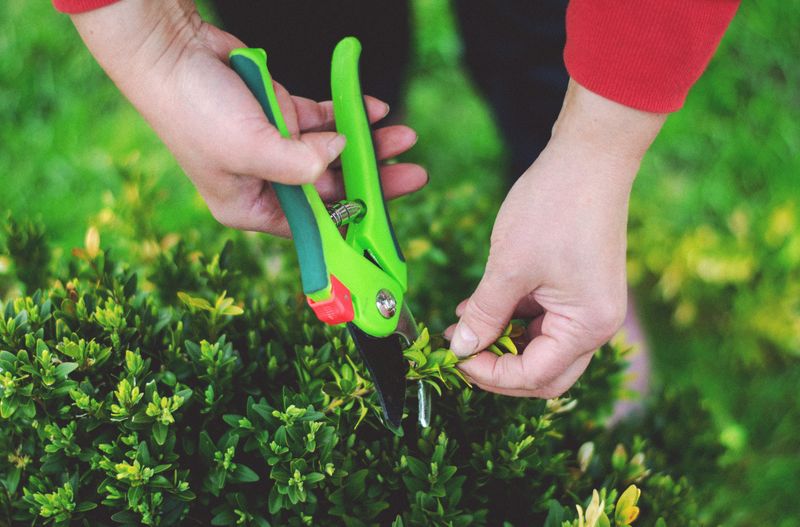
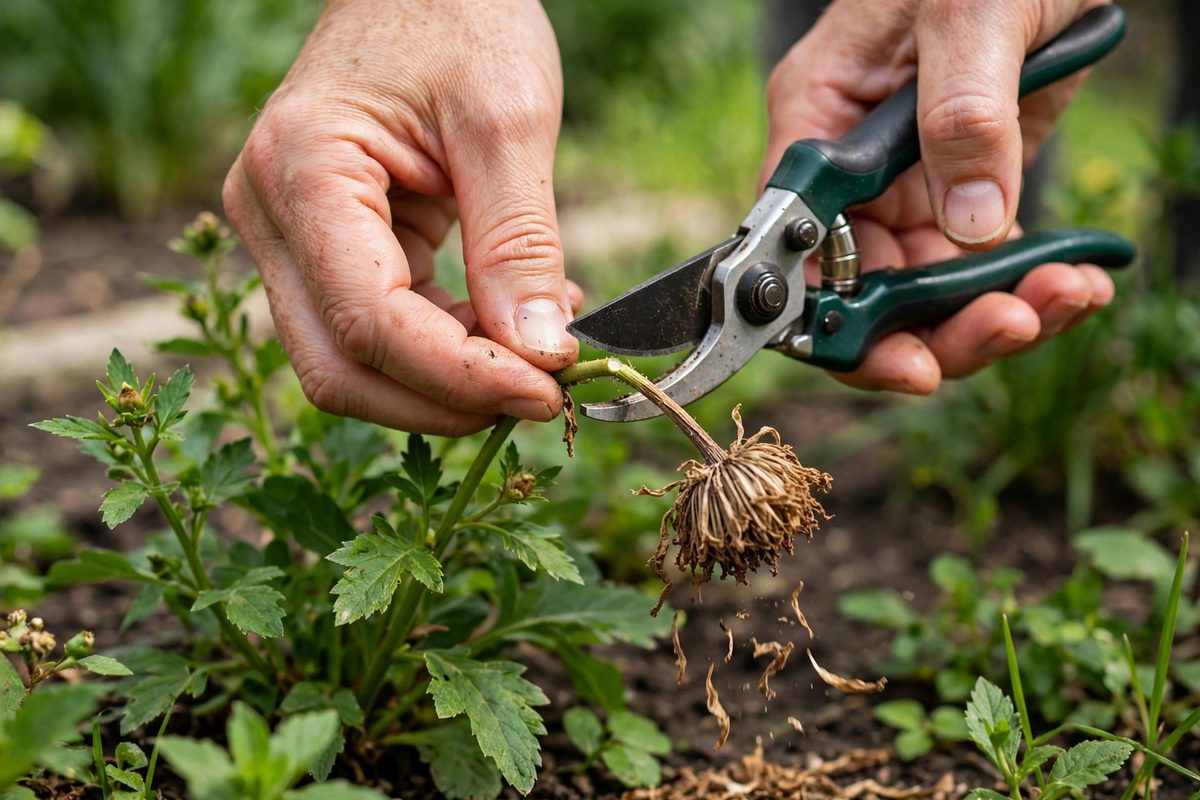
Deadhead each flower as it fades, snapping the spent head off with your fingers or snips — a tulip that sets seed spends the energy its bulb needs for next year’s bloom, so removing the head is what makes it perennial in practice.
Step 4
Leave the foliage alone until it turns yellow and pulls away freely — the leaves feed the bulb for next spring, and cutting, braiding or tying them starves the bulb and ends the perennial habit in a single season.
Step 5
Feed the bed lightly after flowering with a balanced fertilizer and mark the spot — then judge by year two: bulbs that return with full-sized blooms are your perennials, and any that dwindle can be lifted and replaced each fall.
Expert tip
Write down the date you do this. Gardening advice is full of ‘weeks later’ — and the gardeners who improve fastest are the ones who can check what ‘later’ actually was.
Common mistakes
Watch out for
- Cutting the foliage after flowering — the leaves are the bulb’s food factory for next year.
- Planting in soil that stays wet — wet bulbs rot over winter, and no variety is perennial in a puddle.
- Expecting every tulip to return — most modern hybrids are bred for one spectacular season, not for longevity.
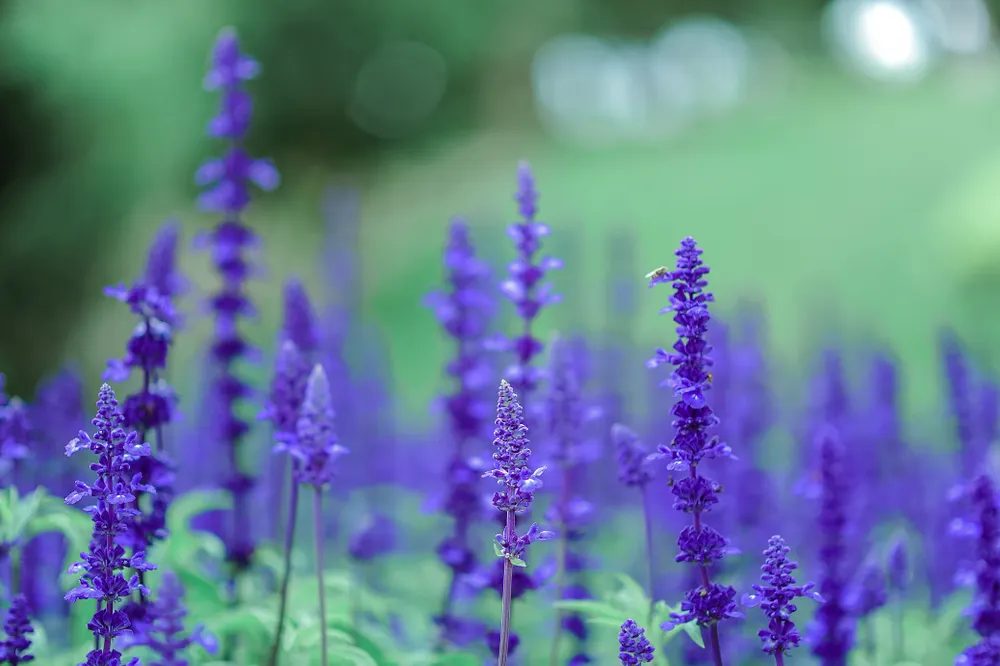
Keep exploring this topic with Purple Flower Perennial Plants, or browse the full Flower Gardening section.
Frequently asked questions
Which tulips come back every year?
Darwin hybrids and species tulips (such as Tulipa clusiana and Tulipa tarda) return most reliably. Single early, double and parrot types usually fade after one or two seasons.
Should I lift tulip bulbs every year?
In cold winters with sharp drainage, leave perennial types in place — lifting disturbs them. In warm or wet climates, lifting and chilling the bulbs each fall gives a better display.