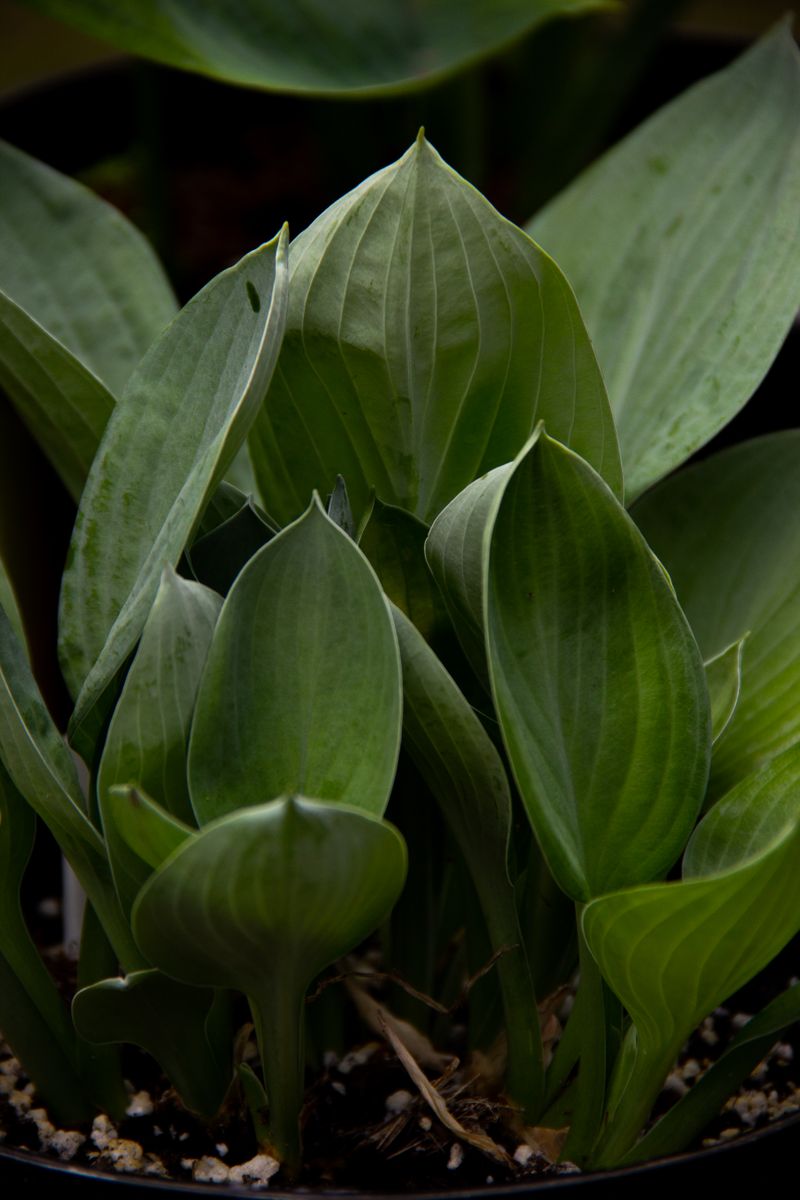
Blue hostas bring cool color to shady corners, if you keep their leaves shaded and their roots moist. Which blue varieties hold their color, and how to grow them. It sounds specialist, but like most gardening it comes down to a few fundamentals done in the right order — this guide walks through them one at a time, with the timings and quantities that actually matter.
What you will need
- A shady spot out of midday sun
- Rich, moisture-holding soil
- Compost or leaf mold for the planting hole
- Mulch to keep roots cool and damp
- Slug patrol supplies: beer traps or copper tape
- A watering can for dry spells
Step by step
Step 1
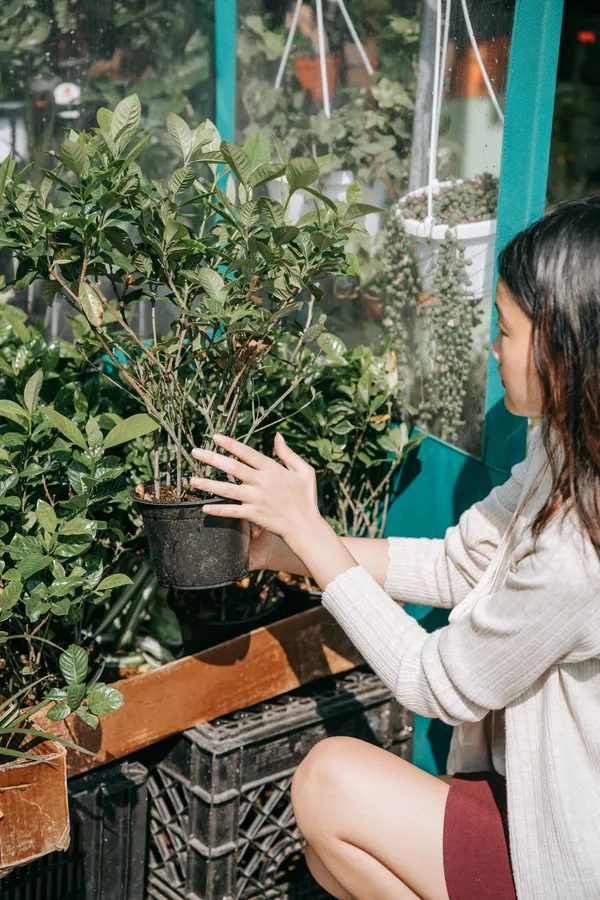
Choose a plant with firm, unmarked leaves and check the label for the mature size — blue hostas color best in shade, so pick a variety rated for the depth of shade you actually have, and inspect the pot for slug damage before you buy.
Step 2
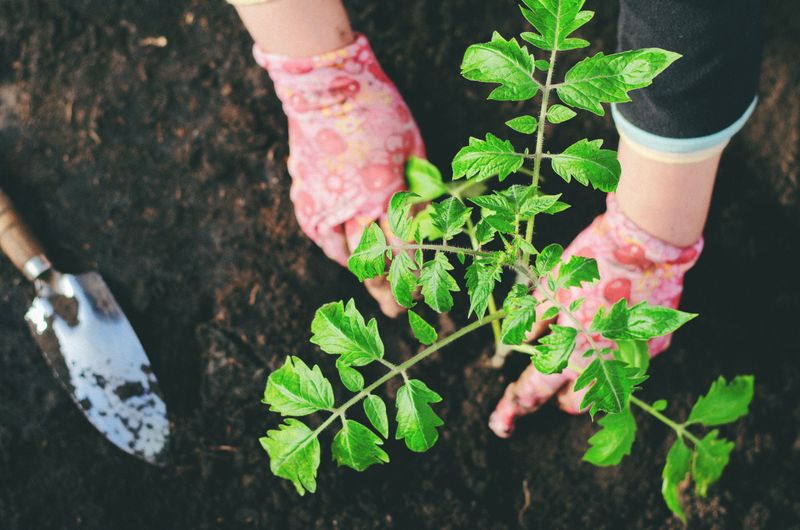
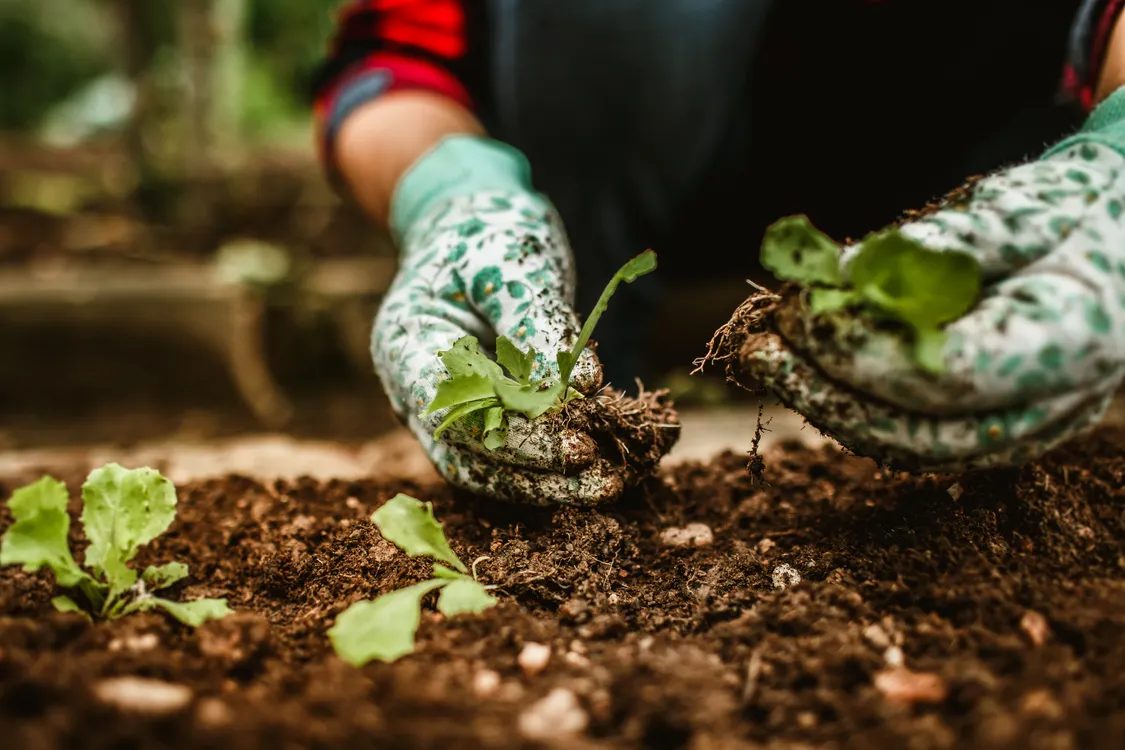
Plant in spring or early fall, setting the crown level with the soil surface in ground enriched with compost — firm the soil around the roots and water in well, because hostas establish fastest when they never dry out in their first season.
Step 3
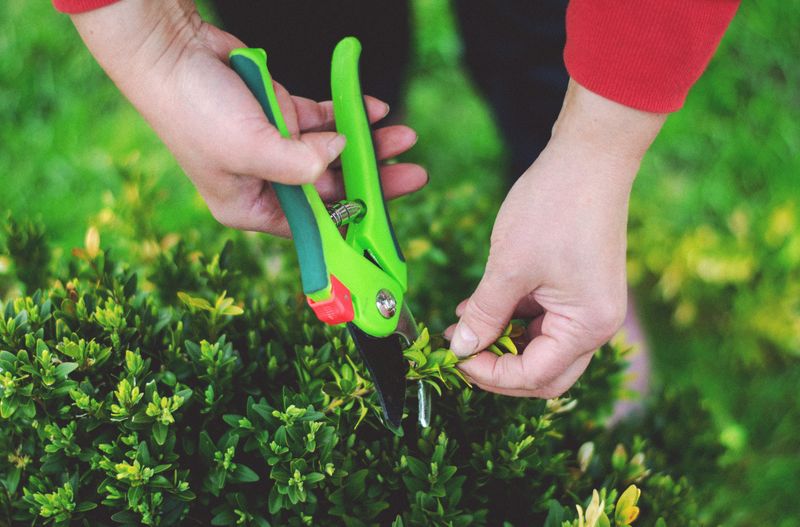
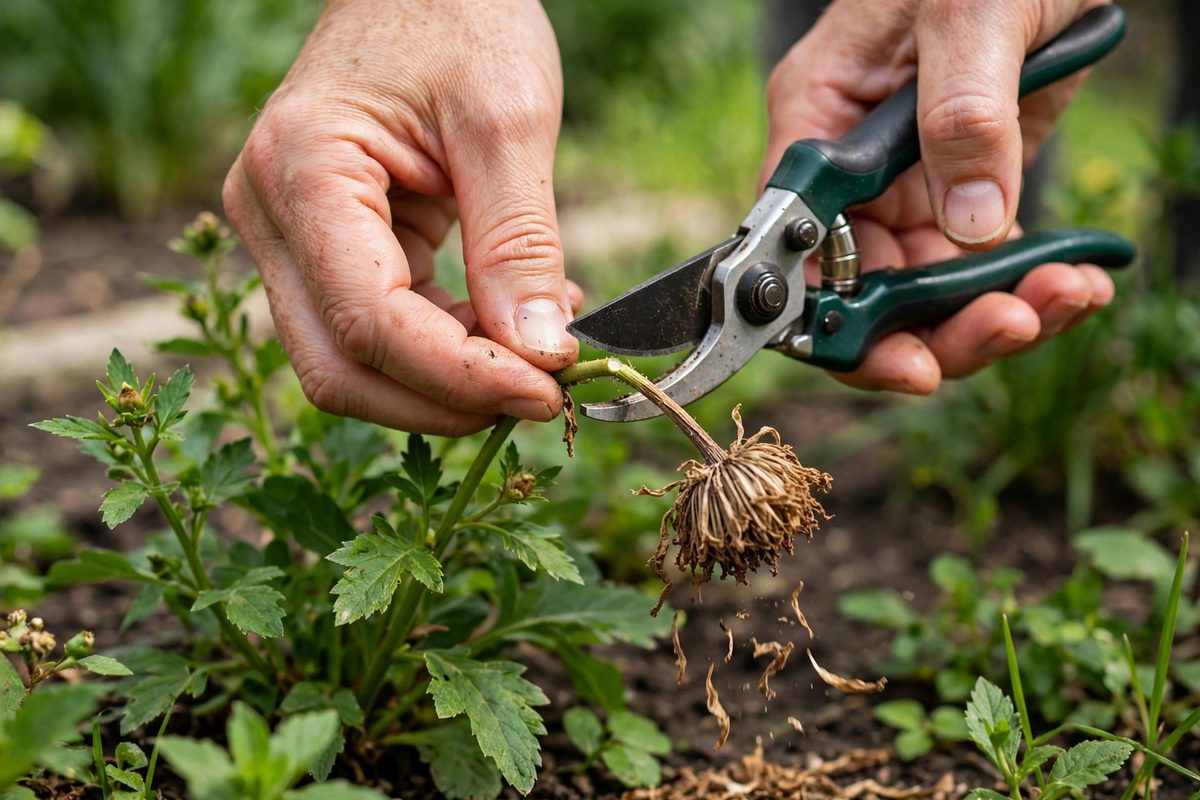
Snip off the flower stalks as the blooms fade — blue hostas are grown for their leaves, and removing the spent stalks keeps the mound tidy and stops the plant spending energy on seed.
Step 4
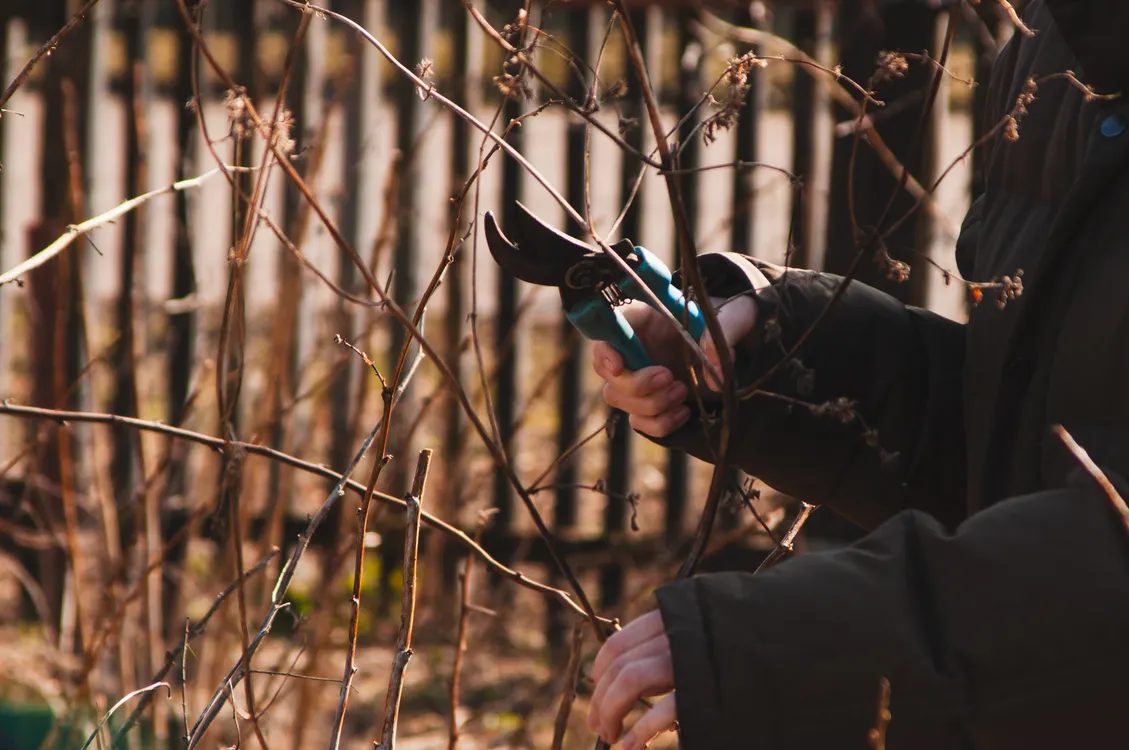
Cut the dead foliage down in late winter, before the new shoots spear up — use pruners, clear every scrap of old leaf, and you remove the damp hiding places slugs love.
Step 5
Mulch each spring with an inch of compost or leaf mold, kept off the crown — it holds the moisture blue hostas need and feeds the soil without the harsh sun that bleaches the blue coating from the leaves.
Expert tip
Write down the date you do this. Gardening advice is full of ‘weeks later’ — and the gardeners who improve fastest are the ones who can check what ‘later’ actually was.
Common mistakes
Watch out for
- Planting in full sun — the blue wax coating melts away and leaves turn plain green.
- Letting the soil dry out — hostas wilt fast and leaf edges scorch.
- Leaving dead foliage over winter — it shelters slugs that shred the spring shoots.
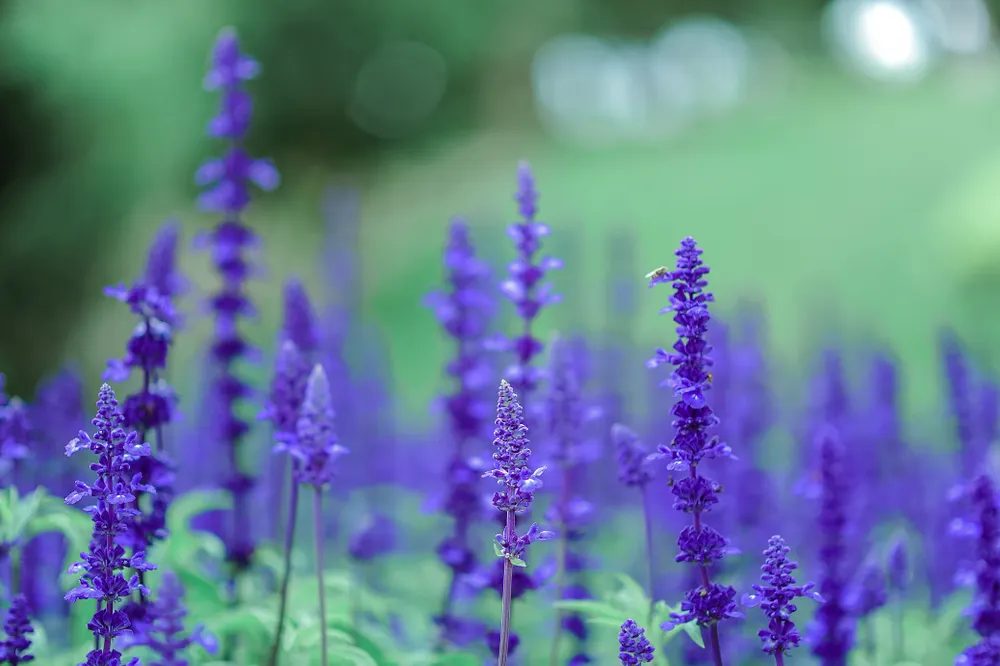
Keep exploring this topic with Purple Flower Perennial Plants, or browse the full Flower Gardening section.
Frequently asked questions
Why did my blue hosta turn green?
The blue look is a waxy coating that sun, heat and heavy rain wear away. Give the plant shade, especially from midday sun, and the new leaves each spring emerge blue again.
Do blue hostas need a lot of water?
They need steady moisture, not flooding. Water deeply in dry spells, mulch to hold it, and never let the root zone bake dry — drought shows first as brown leaf edges.