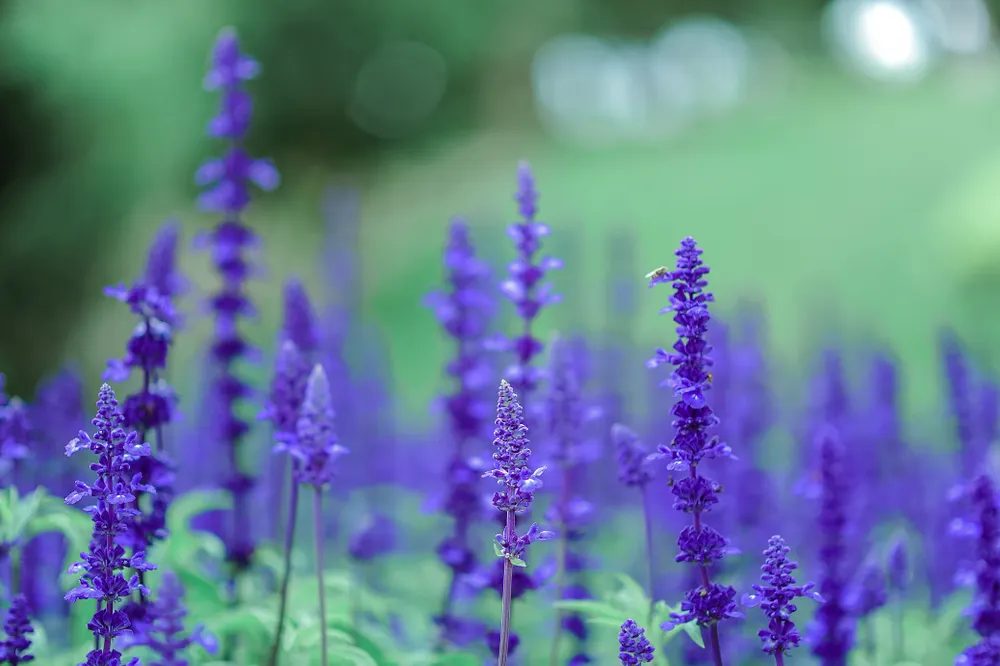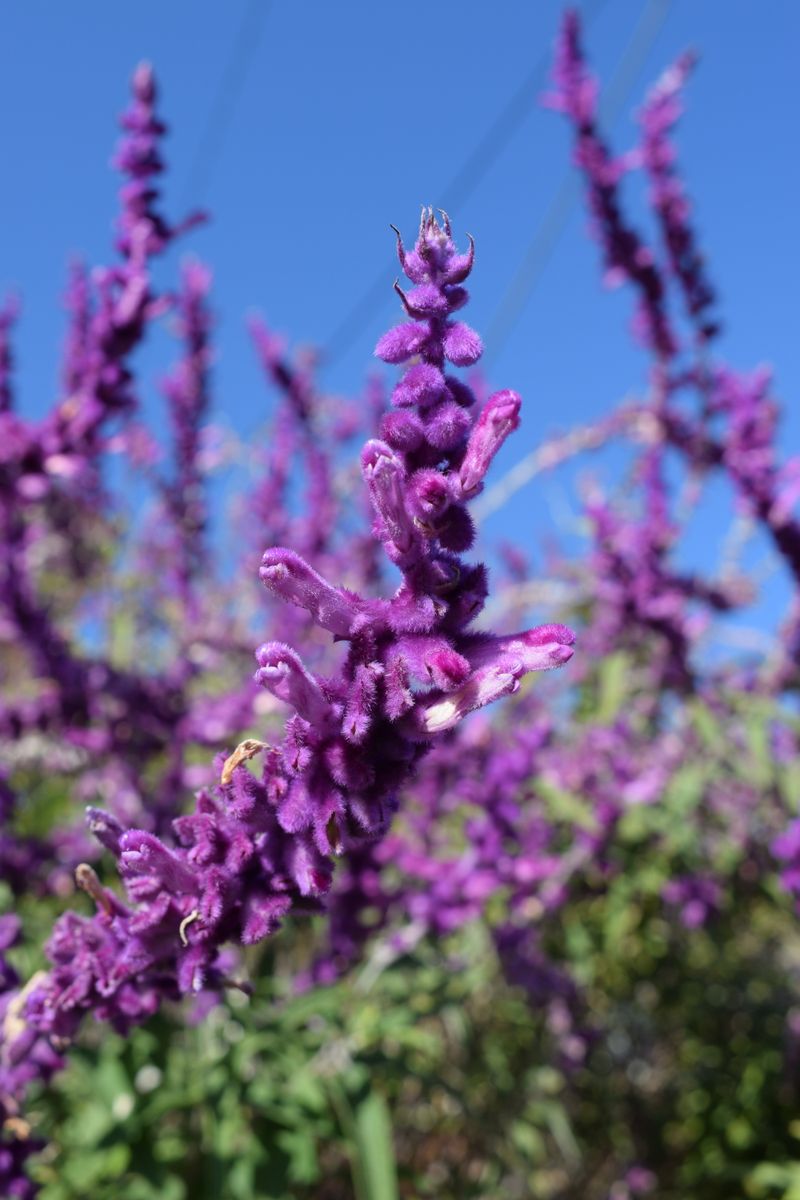
Mexican sage flowers when most of the garden is fading, with velvety purple spikes bees and hummingbirds love. How to plant, prune and overwinter it. It sounds specialist, but like most gardening it comes down to a few fundamentals done in the right order — this guide walks through them one at a time, with the timings and quantities that actually matter.
What you will need
- A sunny, sheltered spot
- Free-draining soil — sage hates wet feet
- Compost for the planting hole
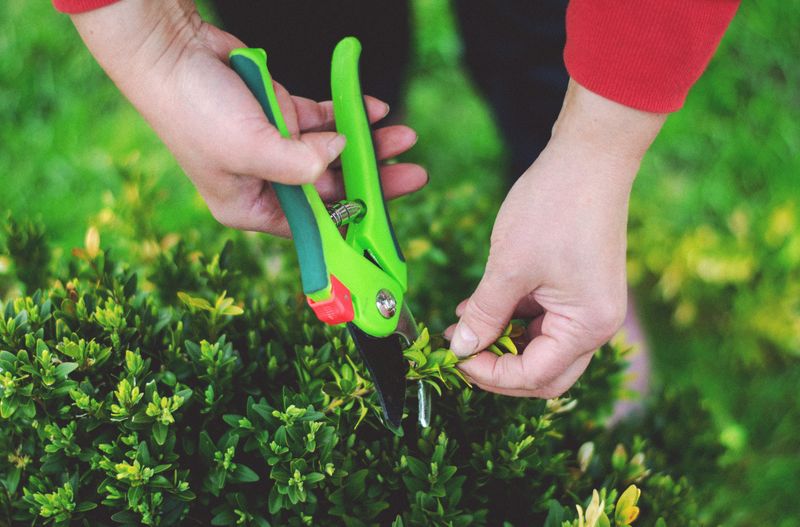
- Pruners for deadheading and the spring cut-back
- Mulch for winter protection
- A watering can for the first season
Step by step
Step 1
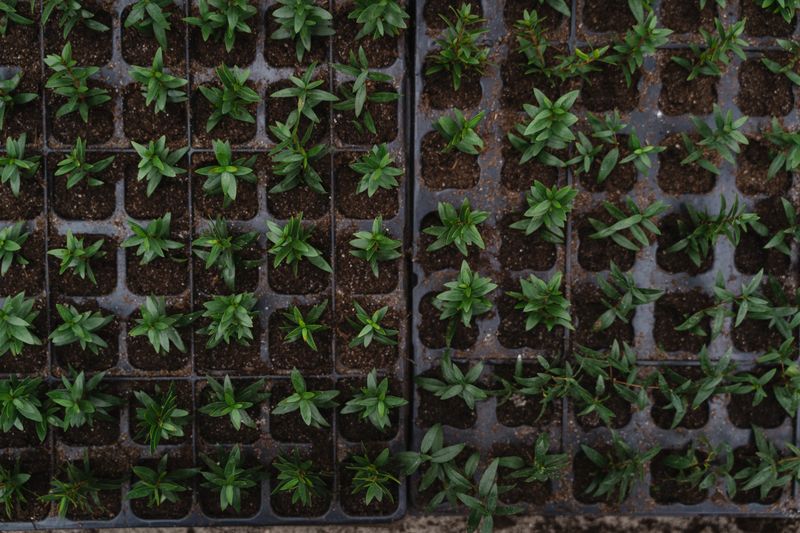
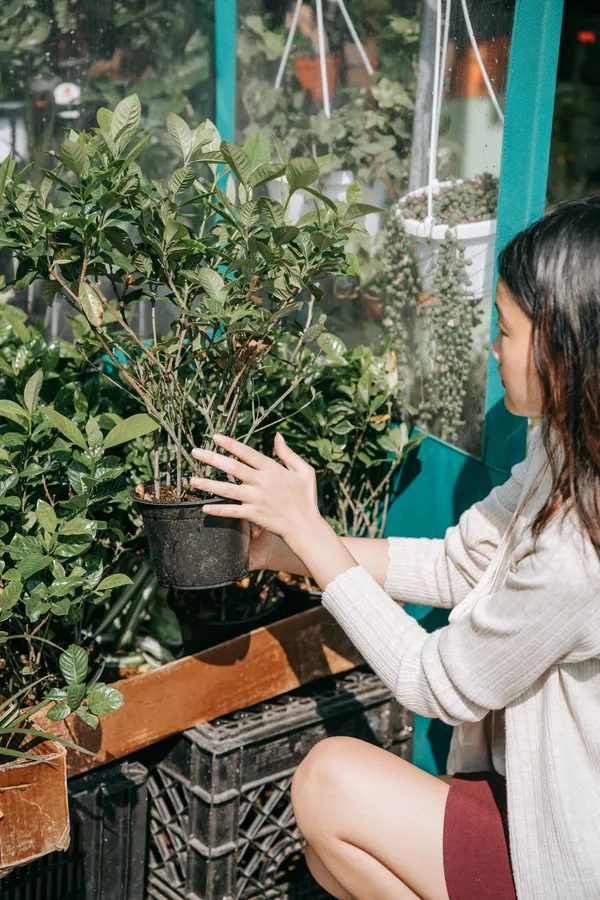
Choose a healthy potted plant with sturdy green stems and fresh growth at the tips — inspect the leaves for pests before you buy, and pick a spot in full sun, because shade makes the stems flop and the flower spikes sparse.
Step 2
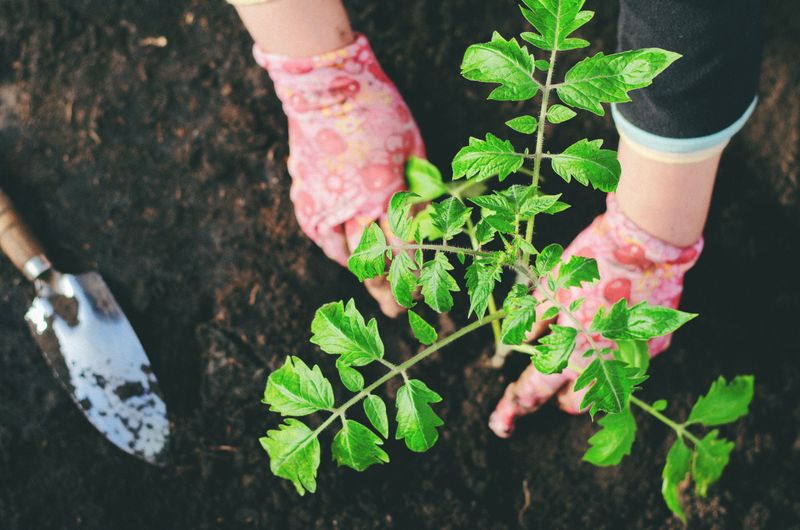
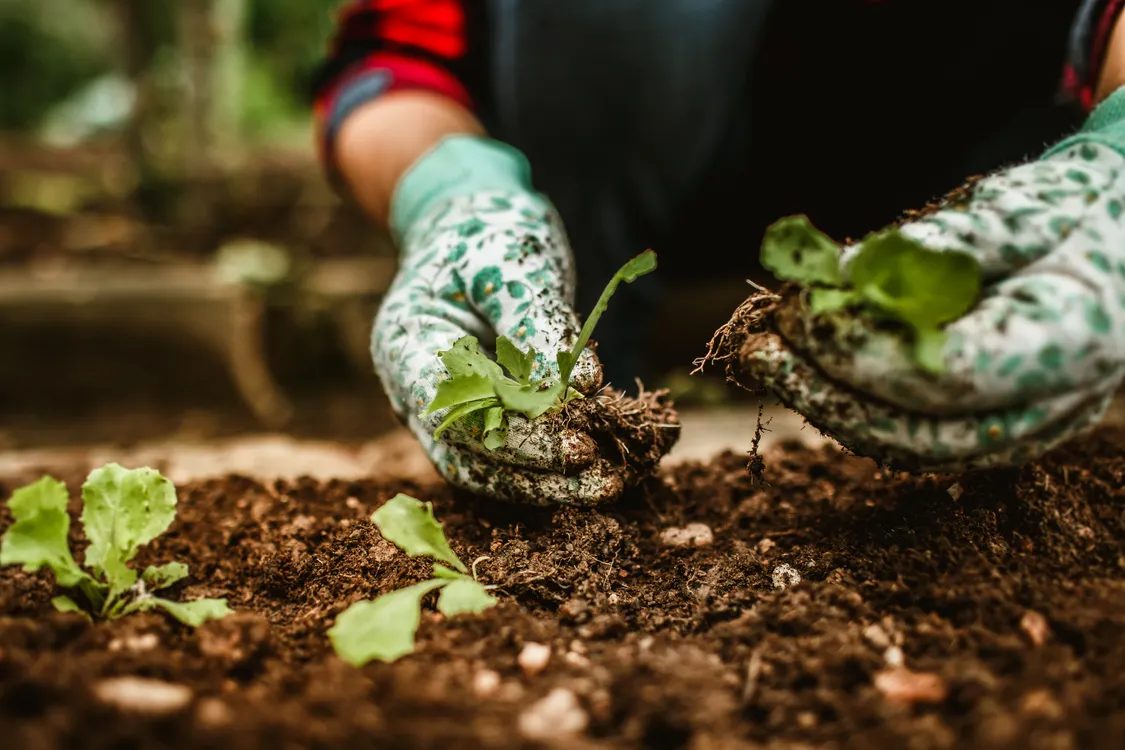
Plant out after the last frost, setting the plant at the same depth it stood in the pot and firming the soil around the roots — space plants generously, since a settled clump reaches 3 to 4 feet across by its second year.
Step 3
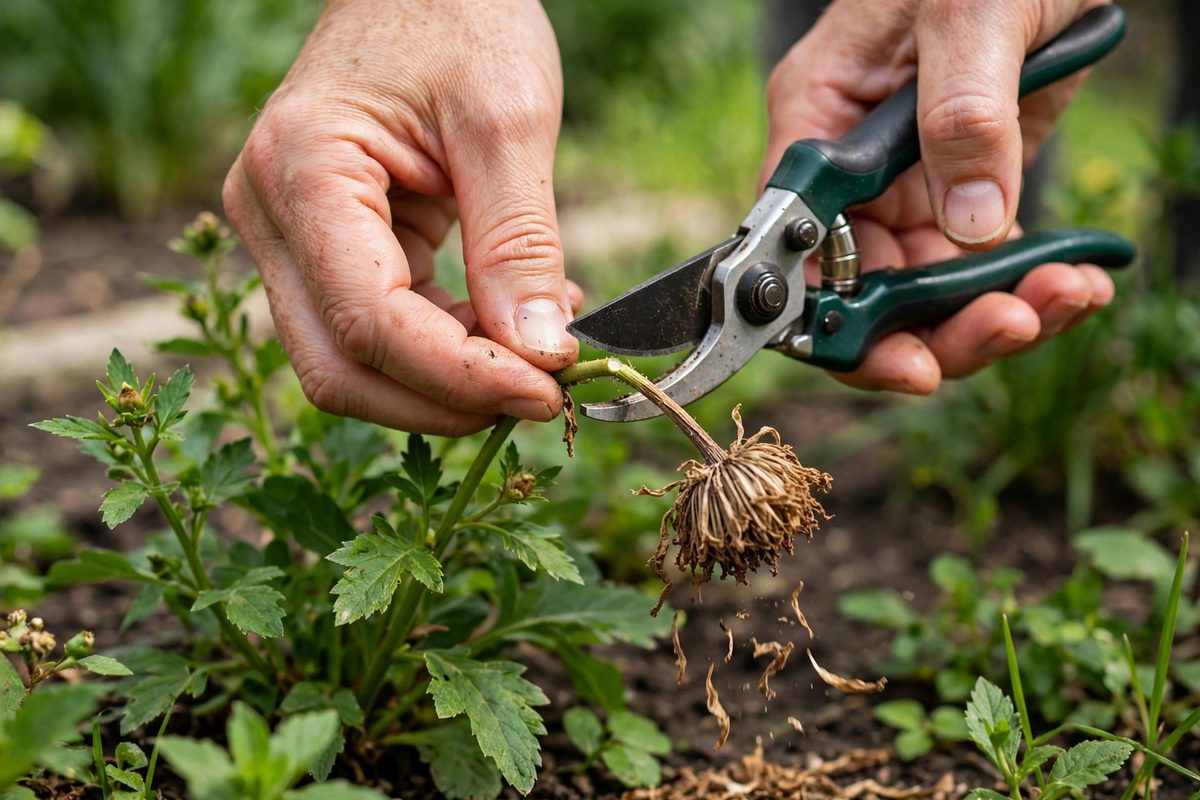
Deadhead the spent flower spikes through late summer and fall, snipping each faded spike back to a leaf joint — the plant keeps pushing new velvety spikes until the first frost, and the bees work every one.
Step 4
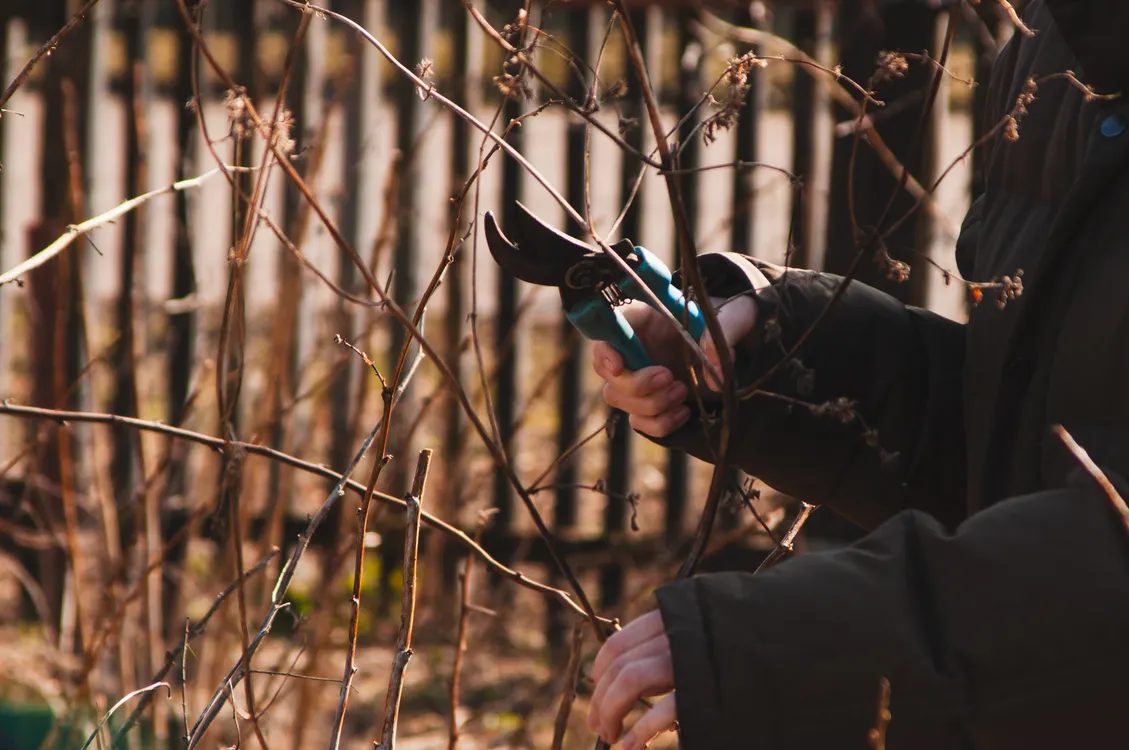
Cut the woody stems back hard in late winter, before new growth starts — use pruners to take the dead stems down to a few inches, and the plant regrows fresh and bushy from the base each spring.
Step 5
Mulch the crown in late fall with a few inches of bark or straw if your winters run cold — Mexican sage is hardy only to about 20°F, so in colder zones grow it in a pot and move it under cover before the first hard frost.
Expert tip
Write down the date you do this. Gardening advice is full of ‘weeks later’ — and the gardeners who improve fastest are the ones who can check what ‘later’ actually was.
Common mistakes
Watch out for
- Planting in heavy, wet soil — Mexican sage rots in winter wet faster than in winter cold.
- Cutting back in fall — the dead stems protect the crown; wait until late winter.
- Skipping deadheading — the plant still flowers, but the display ends weeks earlier.
Keep exploring this topic with Purple Flower Perennial Plants, or browse the full Flower Gardening section.
Frequently asked questions
Is Mexican sage a perennial?
In warm zones (8 and up) it is a woody perennial that returns yearly. In colder zones it is grown as an annual or overwintered in a pot under cover.
Why is my Mexican sage flopping over?
Usually too much shade or rich soil. Full sun and lean, free-draining ground keep the stems sturdy — stake tall stems if a storm flattens them.