What carrot sprouts look like at day 7, 14 and 21 — and the moisture trick that gets them up at all. It sounds specialist, but like most gardening it comes down to a few fundamentals done in the right order — this guide walks through them one at a time, with the timings and quantities that actually matter.
What you will need
- Carrot seed, sown fresh each spring
- A fine, stone-free seedbed
- A watering can with a fine rose
- A board or damp burlap to cover the row
- Labels and string to mark the row
- Small scissors for thinning
Step by step
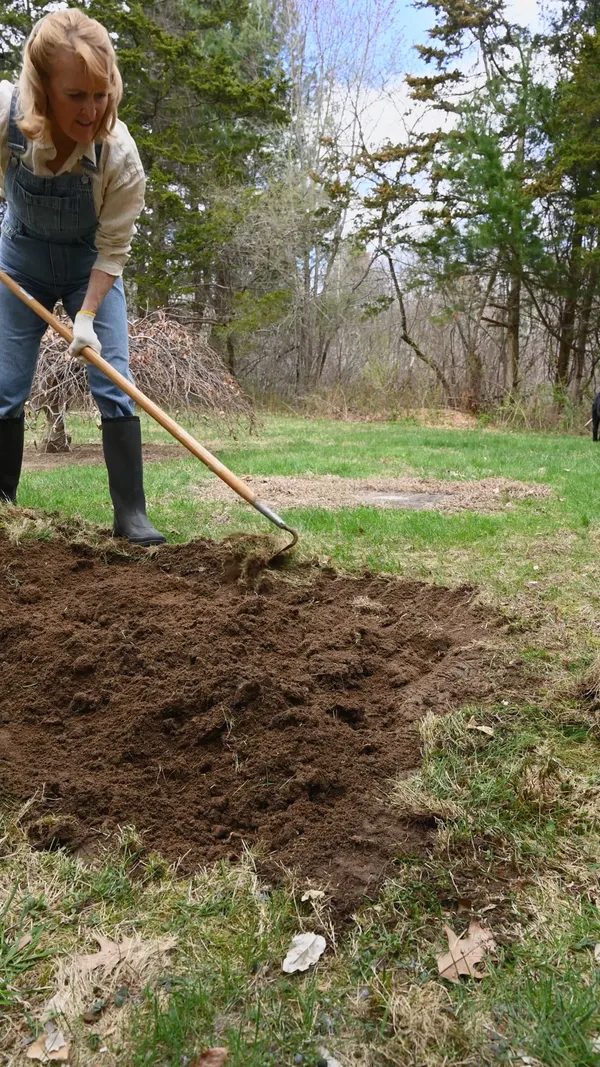
Step 1
Rake the seedbed fine and level, clearing every stone and clod — carrot seed is tiny and needs smooth, close contact with the soil to germinate at all.
Step 2
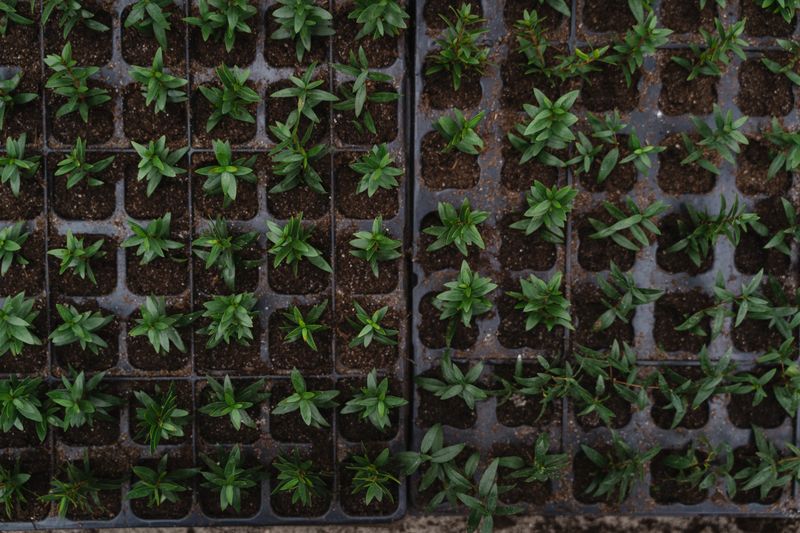
Sow shallow, barely covering the seed, then keep the surface damp every single day — lay a board or damp burlap over the row to hold the moisture, lifting it daily to check; the first thread-thin sprouts usually appear around day 7.

Step 3
By day 14 the sprouts show their first feathery true leaves — thin the row now, snipping the weakest at soil level and leaving the strongest an inch apart, handling survivors by their leaves.

Step 4
Keep watering gently through day 21, with a fine rose at the base and never a hard jet — the seedbed must stay damp until the sprouts are established, because one dry day can stop germination cold.
Step 5
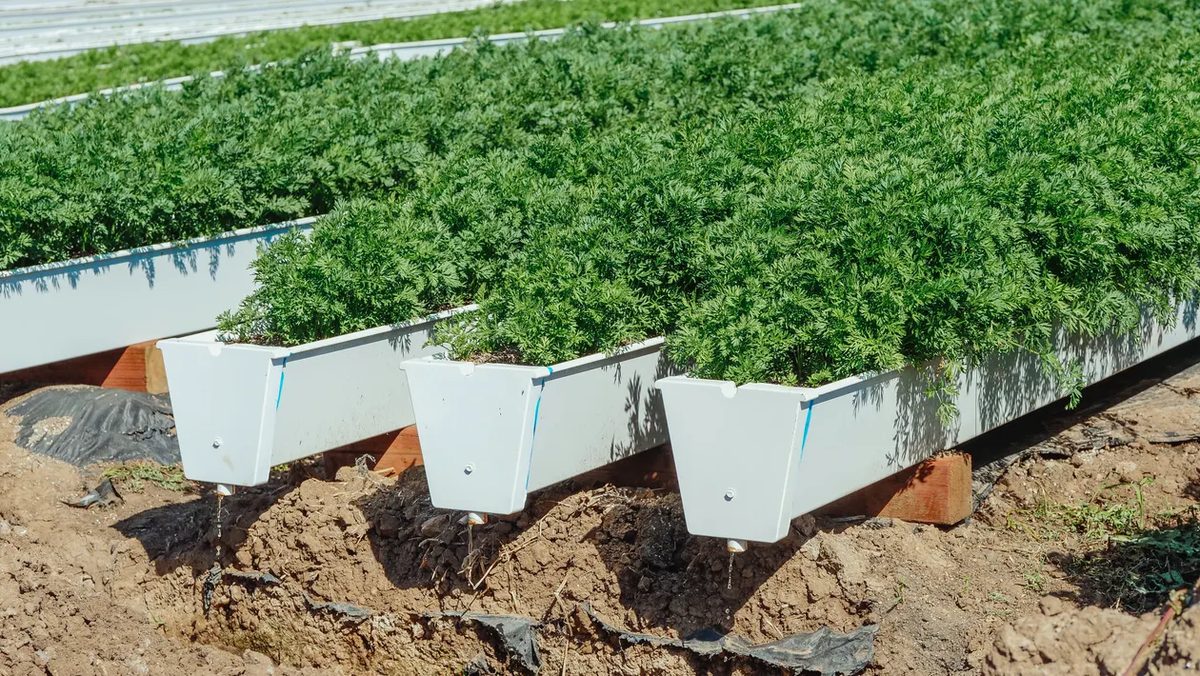
By day 21 the row should show even, feathery tops: thin to the final 2-inch spacing, mulch lightly between the rows, and the crop is established — from here the roots do their work underground.
Expert tip
Write down the date you do this. Gardening advice is full of ‘weeks later’ — and the gardeners who improve fastest are the ones who can check what ‘later’ actually was.
Common mistakes
Watch out for
- Letting the seedbed dry out — carrot seed that starts to germinate and then dries will die, and the row comes up patchy.
- Sowing too deep — tiny seed buried deep never reaches the light and rots instead of sprouting.
- Thinning by pulling — it disturbs the roots of the seedlings left behind; snip the extras at soil level instead.
Keep exploring this topic with How to Start a Vegetable Garden, or browse the full Vegetable Gardening section.
Frequently asked questions
How long do carrot seeds take to sprout?
Usually 14 to 21 days, sometimes longer in cool soil. Keep the seedbed damp the whole time — most failures are a dry spell in week two, not bad seed.
Why did nothing come up?
Most often the seedbed dried out, the seed went in too deep, or a crust formed on the surface. Sow shallow, keep it moist, and sow again — carrot seed is cheap and the season is long.