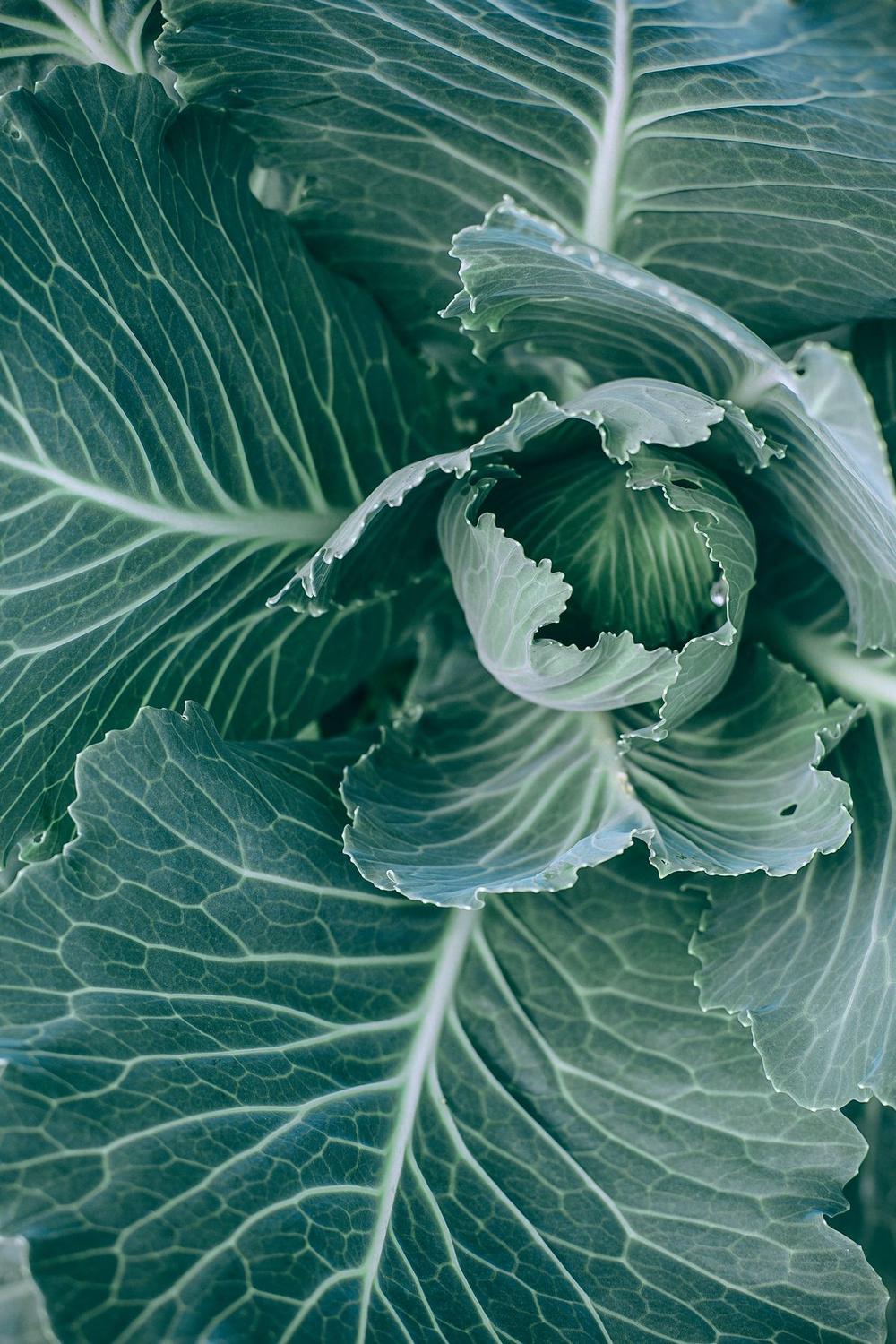
Firm soil, steady water and room to heart up. Growing cabbage heads that are dense, sweet and free of caterpillar holes. It sounds specialist, but like most gardening it comes down to a few fundamentals done in the right order — this guide walks through them one at a time, with the timings and quantities that actually matter.
What you will need
- Cabbage seed or young plants
- A sunny bed with rich, firm soil
- Compost and a balanced feed
- A watering can or hose
- Mulch for the soil surface
- Fine netting against cabbage white butterflies
Step by step
Step 1
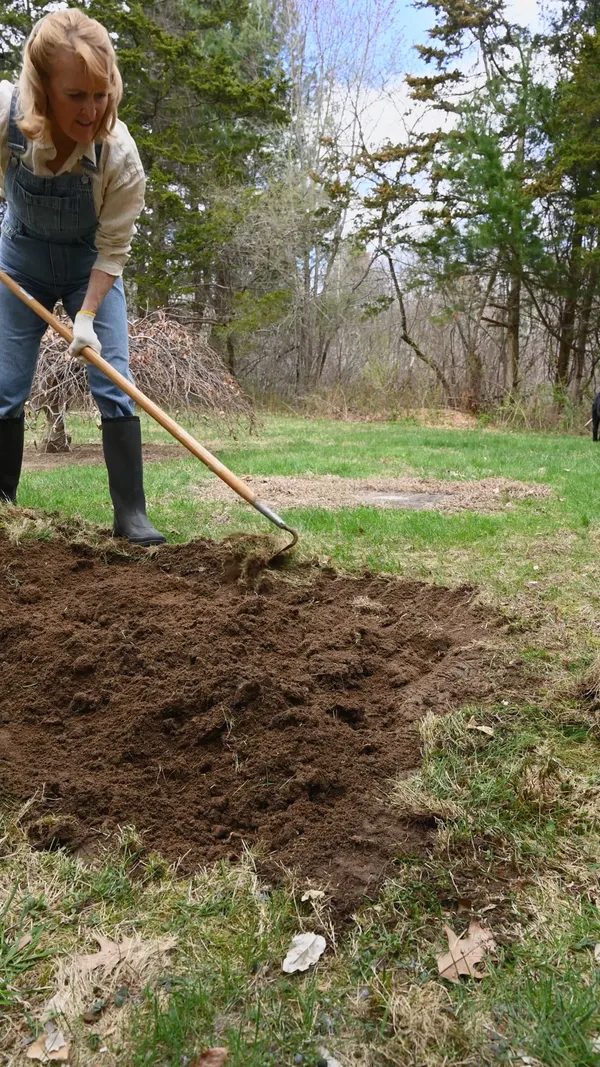
Prepare the bed in a sunny spot: fork in plenty of compost and firm the soil well — cabbages are hungry plants that want rich, solid ground, so tread the bed down before you plant.
Step 2
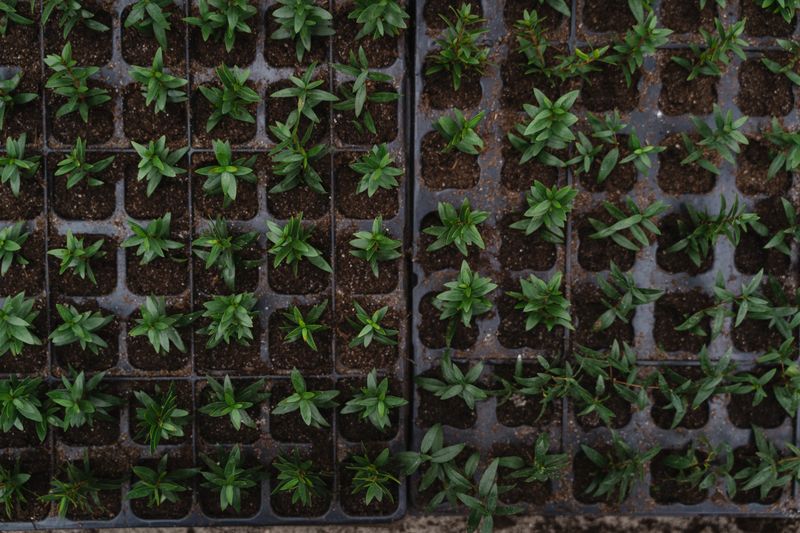
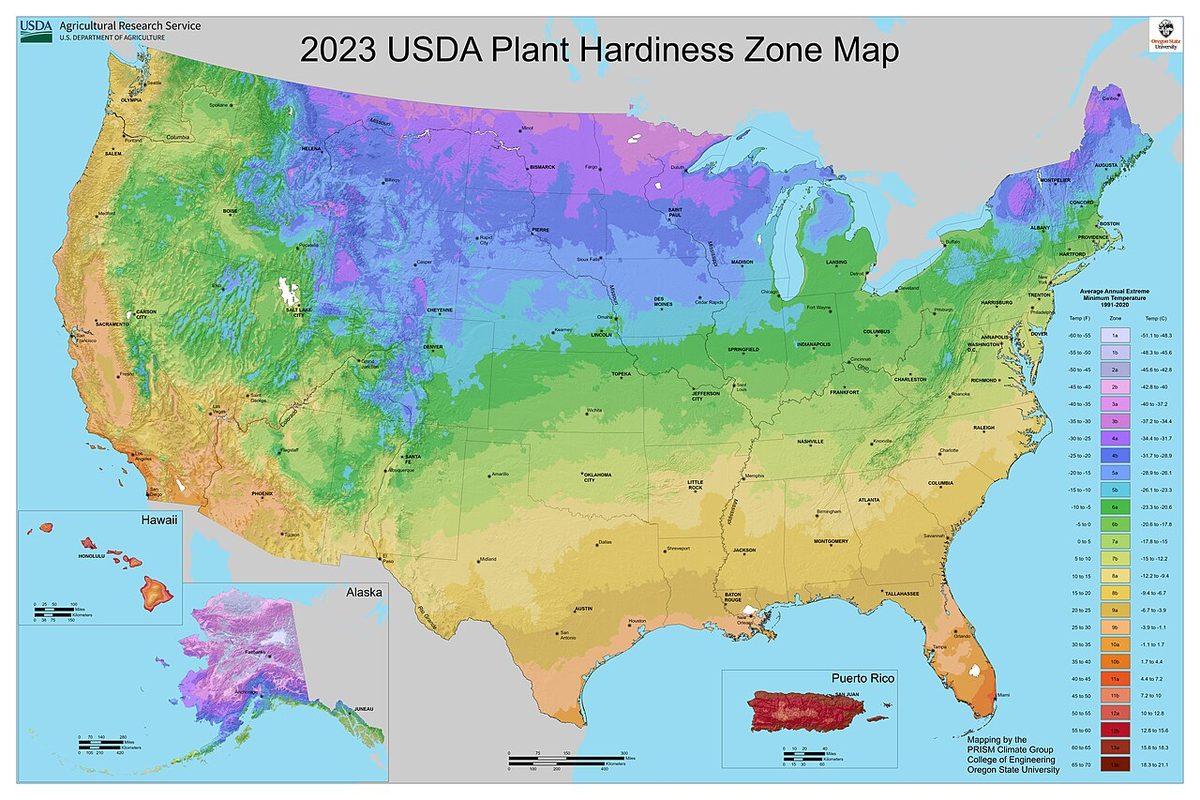
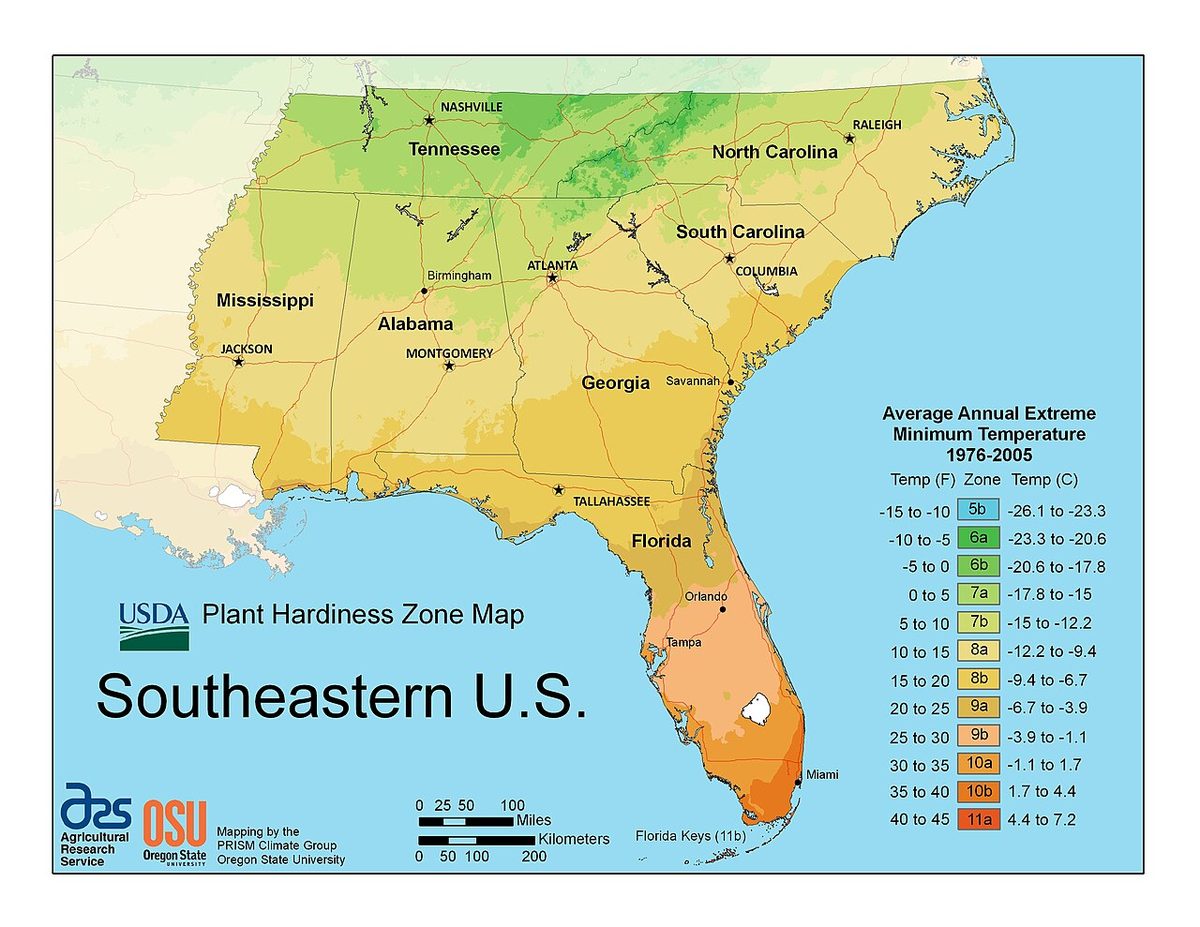
Sow or plant to your zone's calendar — spring cabbage goes in early, summer and autumn types follow in late spring, and winter cabbage is planted out by midsummer so it hearts up before the cold.
Step 3
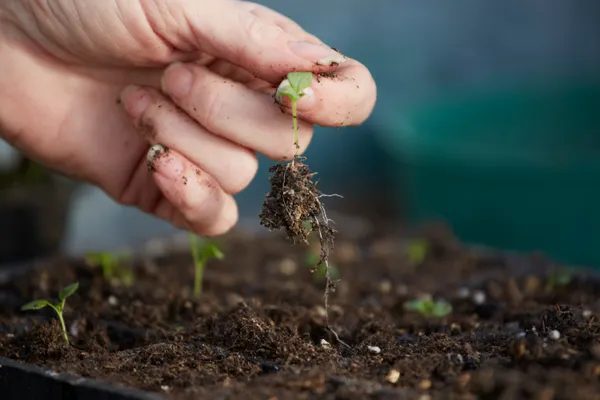
Set plants out at 18 inches apart and thin seedlings to one strong plant per station — crowded cabbages never heart up, and a cabbage given room grows a head twice the size of a cramped one.
Step 4
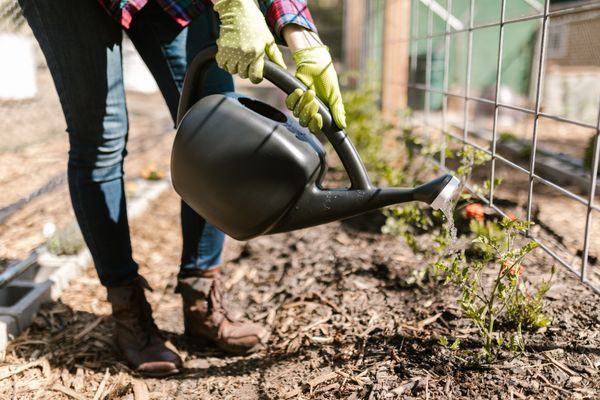
Water deeply at the base and mulch around the plants, keeping the soil evenly moist — a cabbage that dries out bolts or splits, and steady water is what makes the head dense and sweet.
Step 5
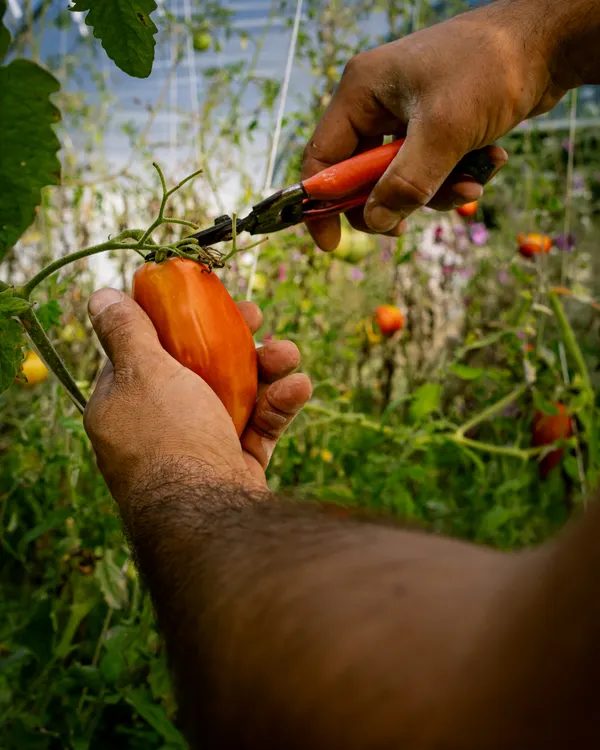
Feed and inspect twice a week: give a balanced liquid feed every fortnight, check the leaves for caterpillars, and cut each head at the base with a sharp knife when it feels firm and solid.
Expert tip
Write down the date you do this. Gardening advice is full of ‘weeks later’ — and the gardeners who improve fastest are the ones who can check what ‘later’ actually was.
Common mistakes
Watch out for
- Planting in loose, fluffy soil — cabbages need firm ground to heart up; tread the bed before planting.
- Letting the plants dry out — drought makes heads split and bolt.
- Ignoring the first caterpillars — one clutch of eggs becomes a stripped plant in a week; check the leaf undersides.
Keep exploring this topic with How to Start a Vegetable Garden, or browse the full Vegetable Gardening section.
Frequently asked questions
When is cabbage ready to harvest?
When the head feels firm and solid when you squeeze it gently. Cut it at the base with a sharp knife and leave the stump — many varieties sprout a second crop of small heads.
Why did my cabbage split?
Uneven watering — a dry spell followed by heavy rain swells the head faster than the leaves can stretch. Water deeply and evenly, and mulch to hold the moisture steady.