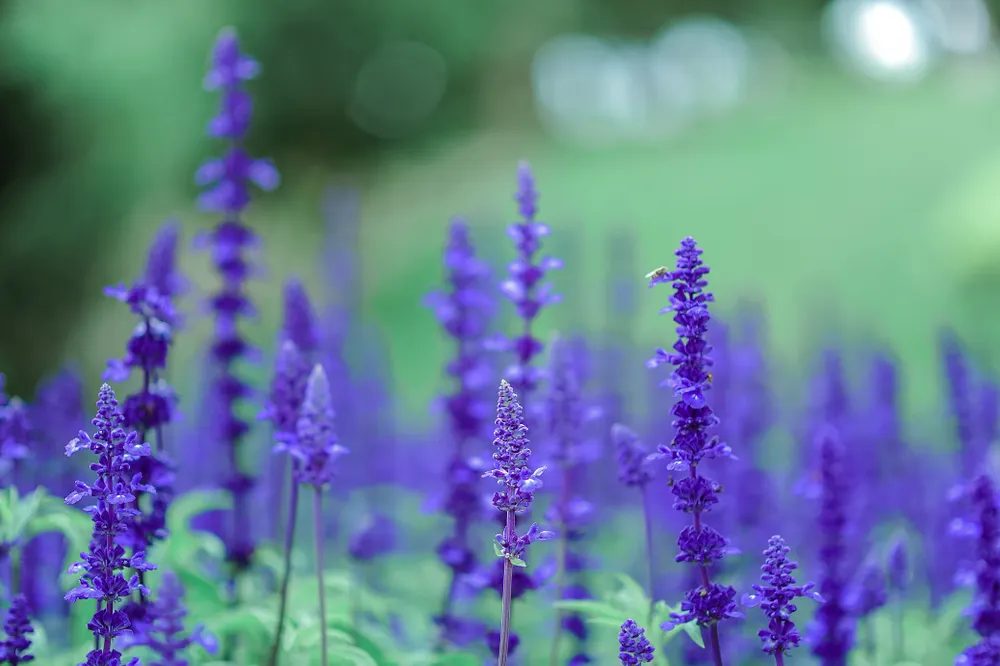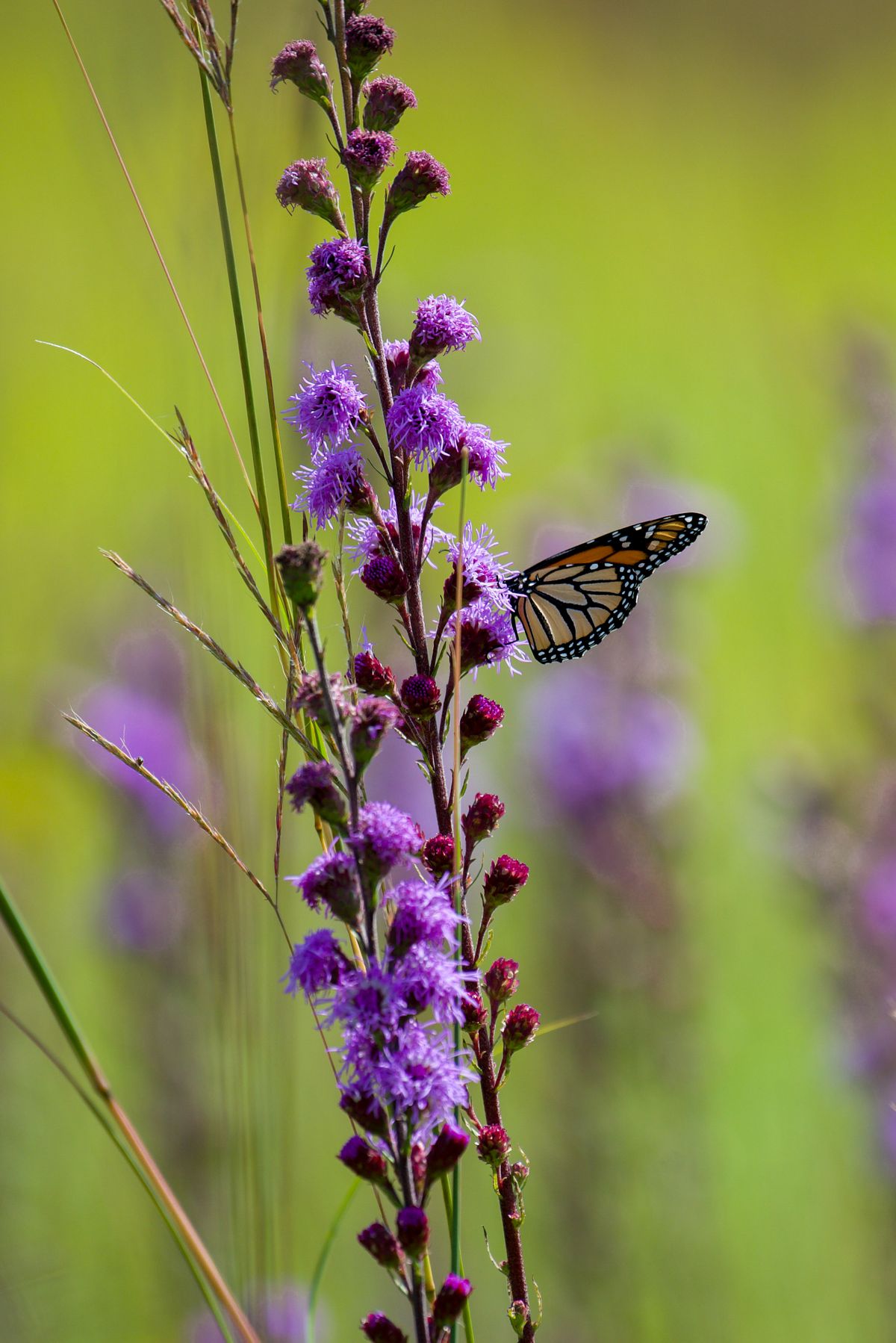
Tall purple spikes that butterflies cannot resist. Liatris is a prairie native that wants sun, sharp drainage and almost no fuss. It sounds specialist, but like most gardening it comes down to a few fundamentals done in the right order — this guide walks through them one at a time, with the timings and quantities that actually matter.
What you will need
- Liatris corms or young plants
- The sunniest bed you have
- Free-draining soil — liatris hates wet feet
- Compost for the planting hole
- Stakes for the tallest spikes
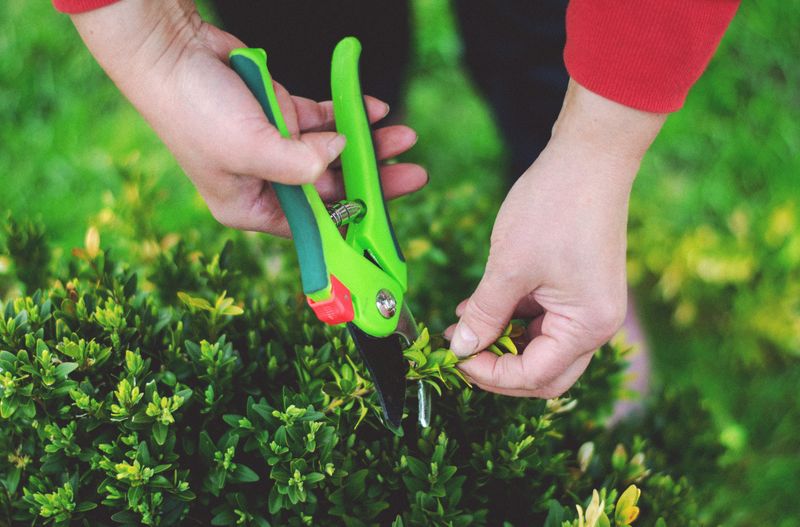
- Secateurs for deadheading and the cut-back
Step by step

Step 1
Choose a spot in full sun with soil that drains sharply — liatris comes from open prairie, so check the label for mature height and plant it where the tall purple spikes will not shade shorter neighbors.

Step 2
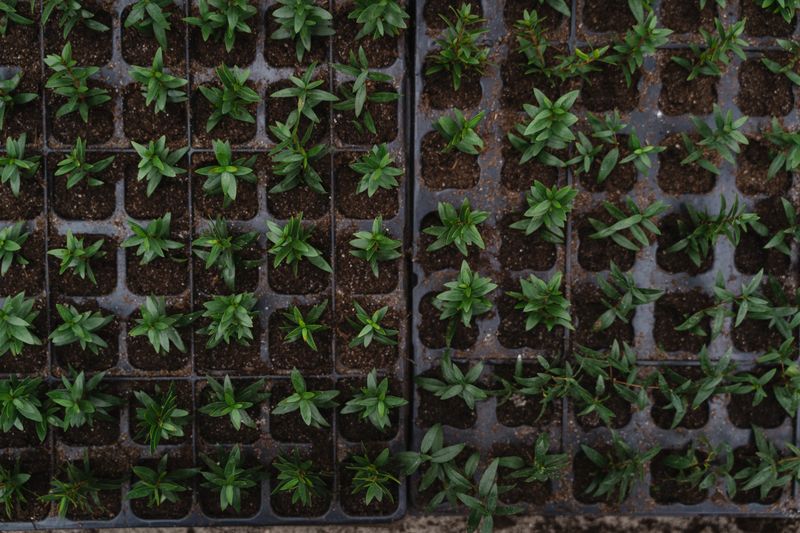
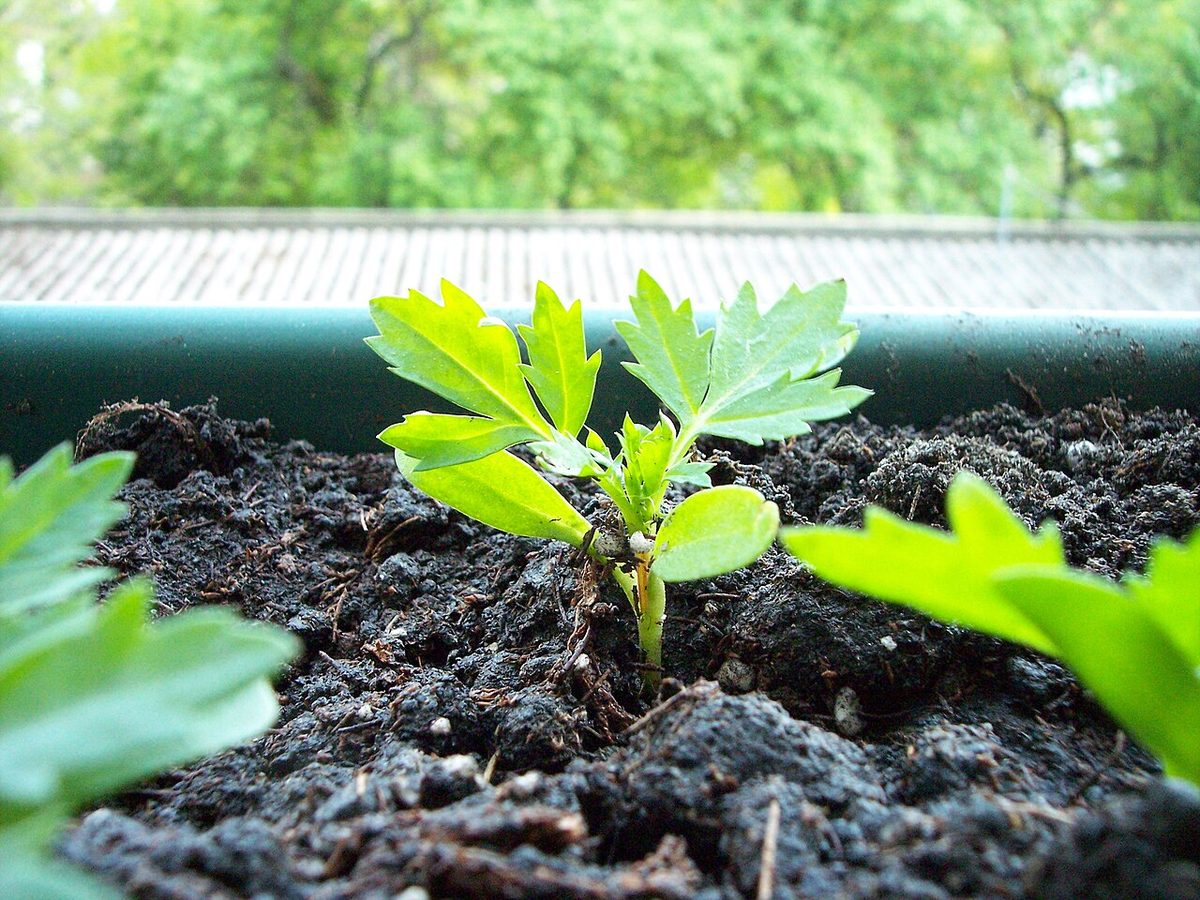
Plant the corms in spring, 3 to 4 inches deep and 12 inches apart, or set out young plants at the same spacing — firm the soil around them and water in well, because liatris establishes fastest when it never dries out in its first season.
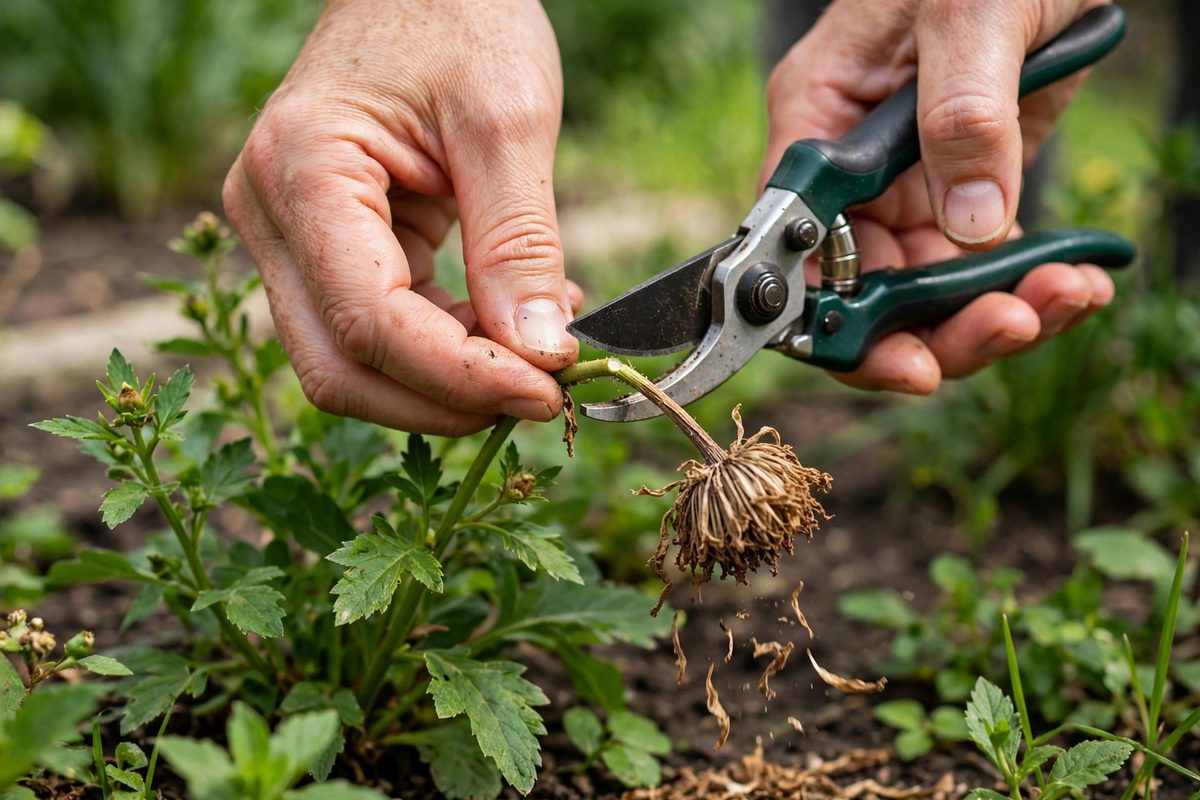
Step 3
Deadhead the spent spikes as the flowers fade, cutting each stem back to a leaf joint — the plant keeps pushing new spikes until late summer, and the butterflies work every one.
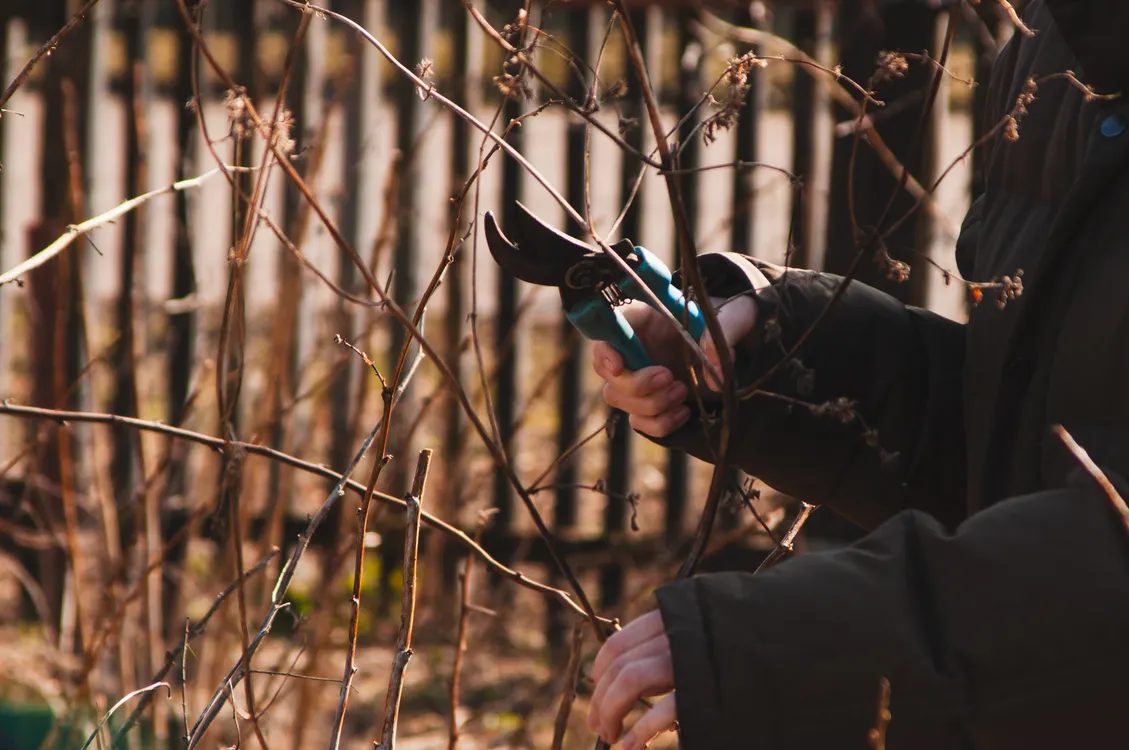
Step 4
Cut the dead stems down in late winter, before the new shoots spear up — use pruners, clear every scrap of old stem, and you remove the damp hiding places slugs love.
Step 5
Mulch each spring with an inch of compost, kept off the crown — it holds the moisture liatris needs in dry spells and feeds the soil without the rich ground that makes the spikes flop.
Expert tip
Write down the date you do this. Gardening advice is full of ‘weeks later’ — and the gardeners who improve fastest are the ones who can check what ‘later’ actually was.
Common mistakes
Watch out for
- Planting in heavy, wet soil — liatris rots in winter wet faster than in winter cold.
- Letting the spikes flop — stake tall varieties early, before the flower heads get heavy.
- Cutting back in autumn — the dead stems protect the crown; wait until late winter.
Keep exploring this topic with Purple Flower Perennial Plants, or browse the full Flower Gardening section.
Frequently asked questions
Do liatris flowers attract butterflies?
Yes — liatris is one of the best butterfly plants. Monarchs and swallowtails work the purple spikes all summer, and the flowers open from the top down, so the nectar lasts for weeks.
Why is my liatris flopping over?
Usually too much shade or rich soil. Full sun and lean, free-draining ground keep the spikes upright — stake tall stems if a storm flattens them.