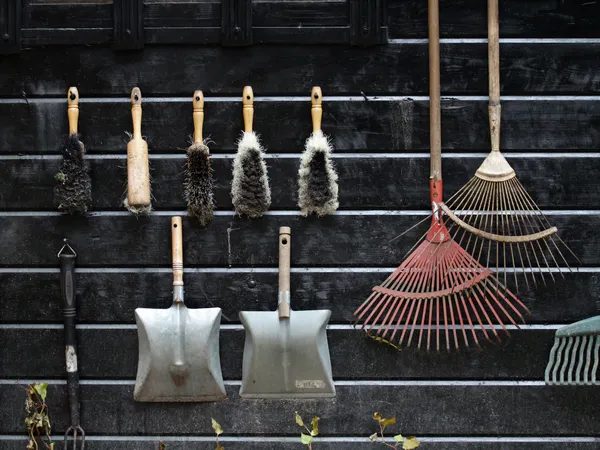
Clean, dry, sharp: ten minutes after each job doubles a tool's life. Cleaning, oiling and storing spades, shears and saws. It sounds specialist, but like most gardening it comes down to a few fundamentals done in the right order — this guide walks through them one at a time, with the timings and quantities that actually matter.
What you will need
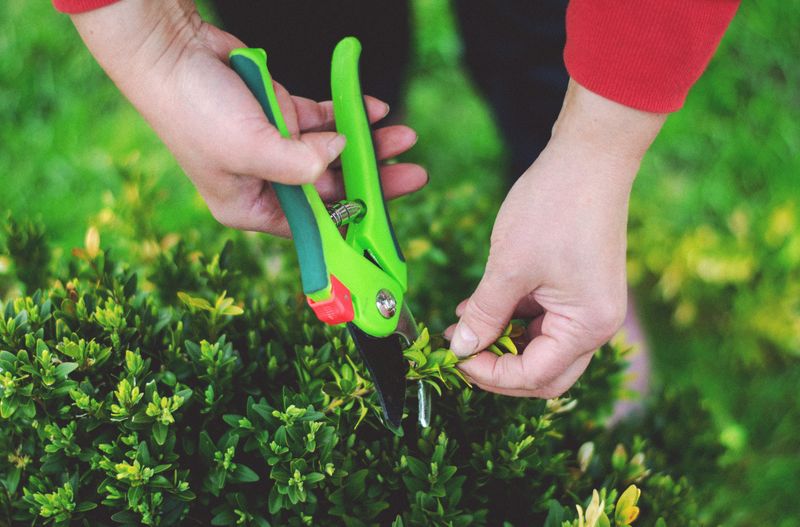
- Bypass secateurs
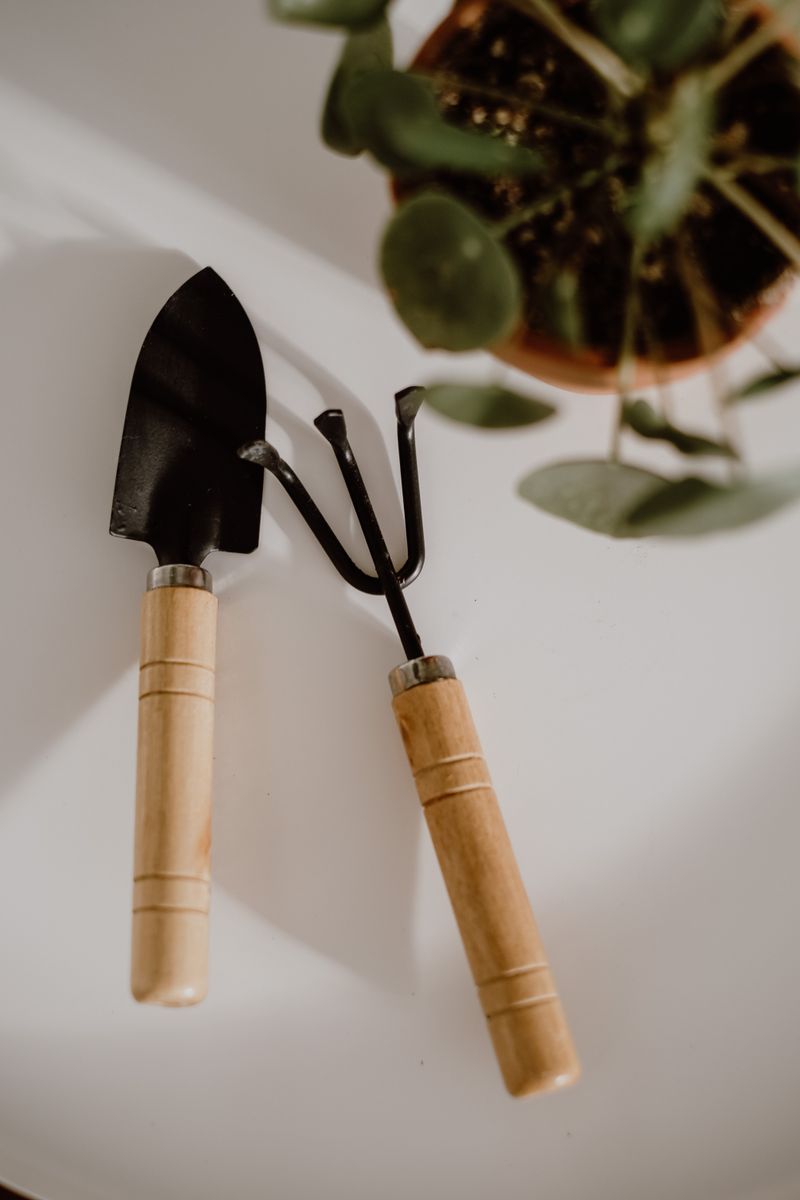
- A stainless hand trowel
- A border fork and spade
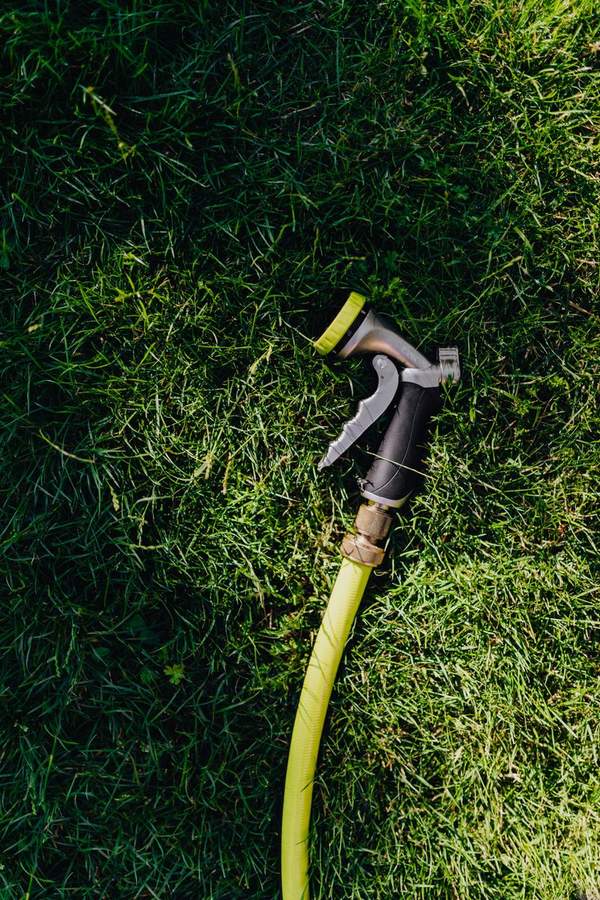
- A watering can with a removable rose
- A sharpening stone and light oil
Step by step
Step 1
Buy hand tools in person; weight and grip matter more than brand.
Step 2
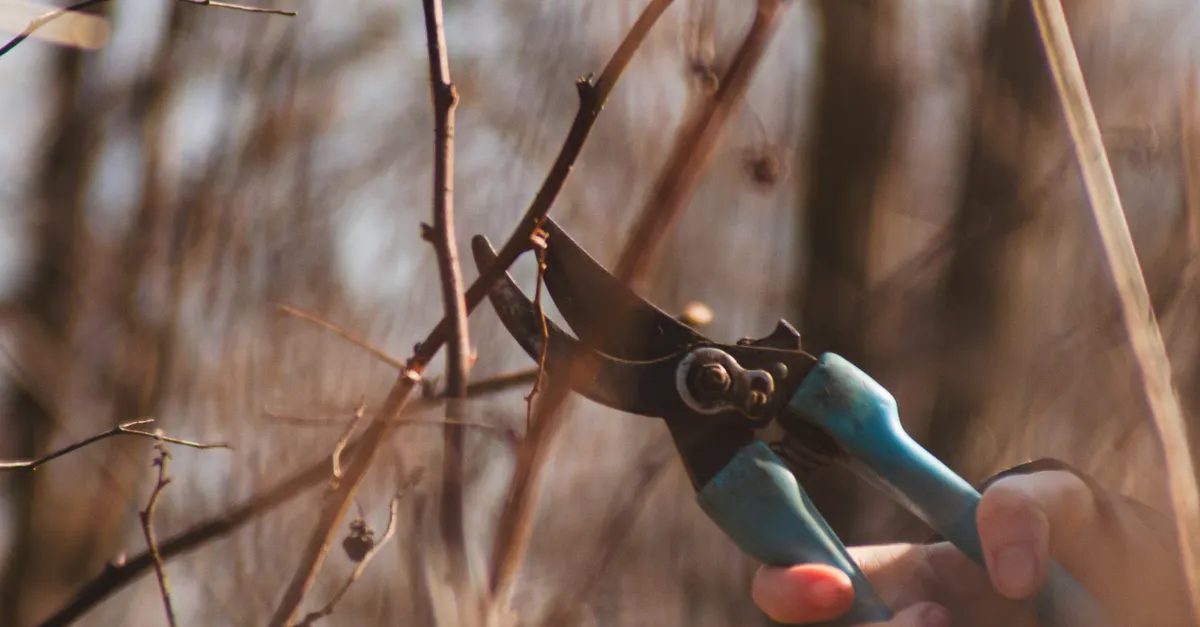
Choose bypass (not anvil) secateurs for live wood.
Step 3
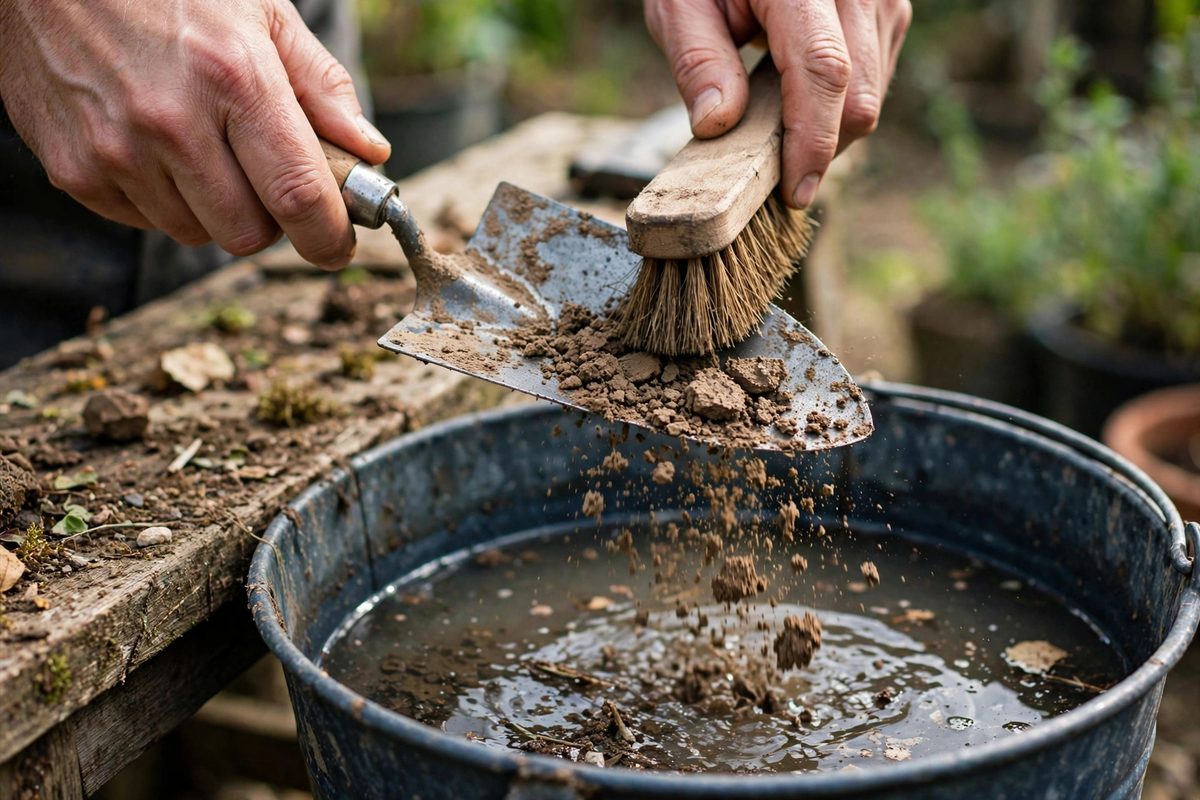
Clean soil off after every session; dry before storing.
Step 4
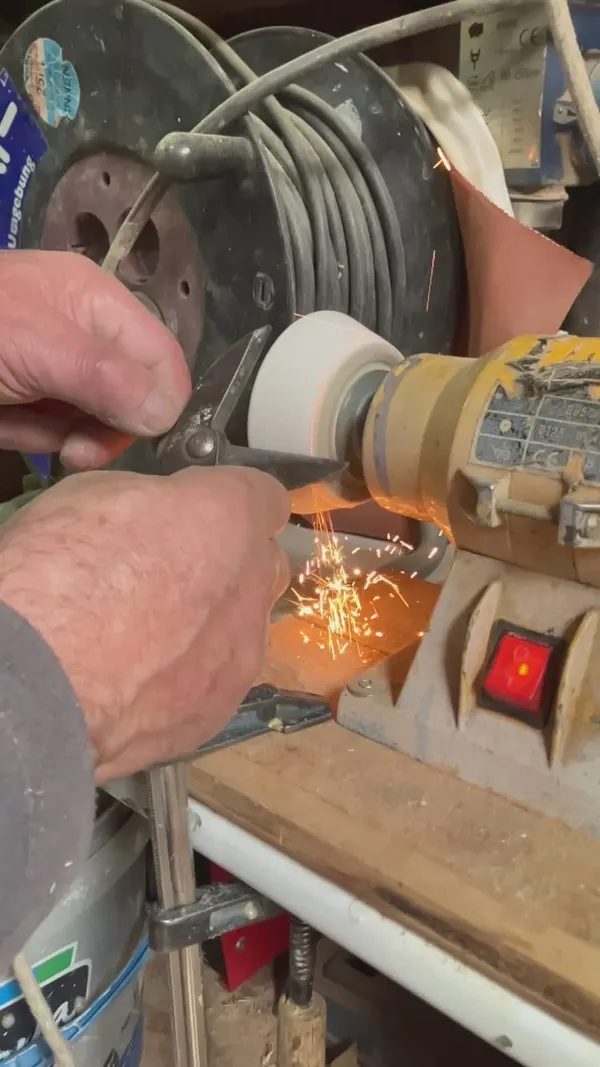
Sharpen little and often — a sharp edge is safer than a dull one.
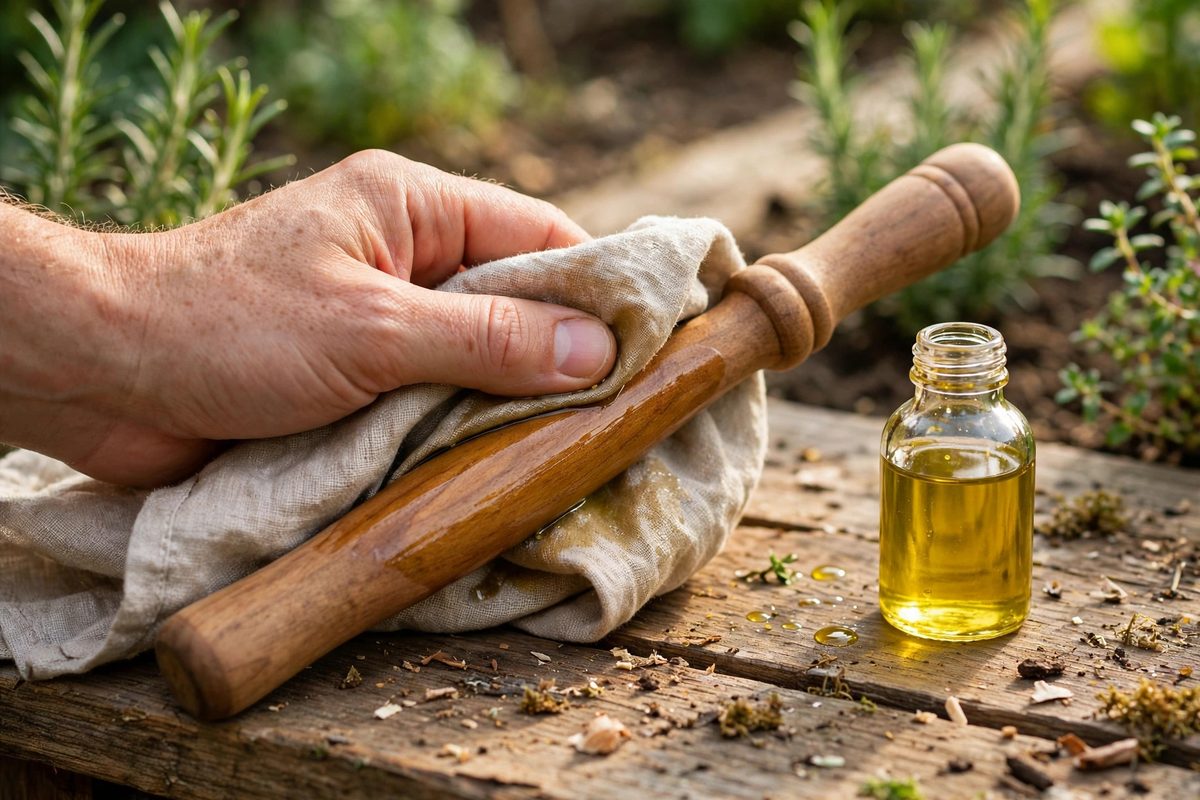
Step 5
Oil wooden handles yearly with linseed oil.
Expert tip
Write down the date you do this. Gardening advice is full of ‘weeks later’ — and the gardeners who improve fastest are the ones who can check what ‘later’ actually was.
Common mistakes
Watch out for
- Buying a 40-piece set of tools you will never use.
- Leaving tools out in the rain ‘just for tonight’, all season.
- Using the trowel as a lever — that is what the fork is for.
Frequently asked questions
What are the only three tools a beginner needs?
A trowel, bypass secateurs and a fork handle 90% of backyard jobs. Add a spade and watering can and you are fully equipped.
Stainless or carbon steel?
Carbon steel holds a keener edge but rusts; stainless is forgiving. Beginners usually thrive with stainless.