Greens, browns, air and moisture in the right balance. A working heap in weeks, and what never to add. It sounds specialist, but like most gardening it comes down to a few fundamentals done in the right order — this guide walks through them one at a time, with the timings and quantities that actually matter.
What you will need
- A bin or a 1 m square corner for a pile
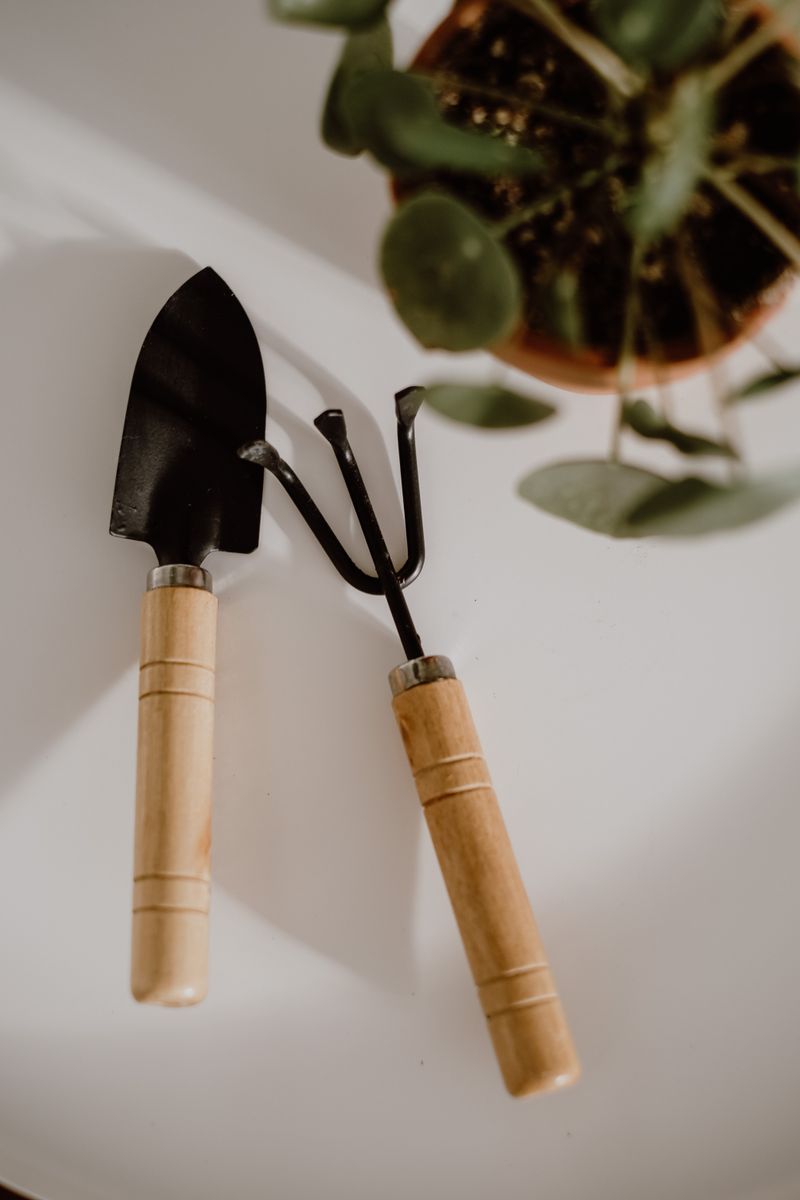
- A fork for turning
- A balance of greens (nitrogen) and browns (carbon)
- Water in dry spells
- A lid or cover to keep heavy rain off
Step by step
Step 1
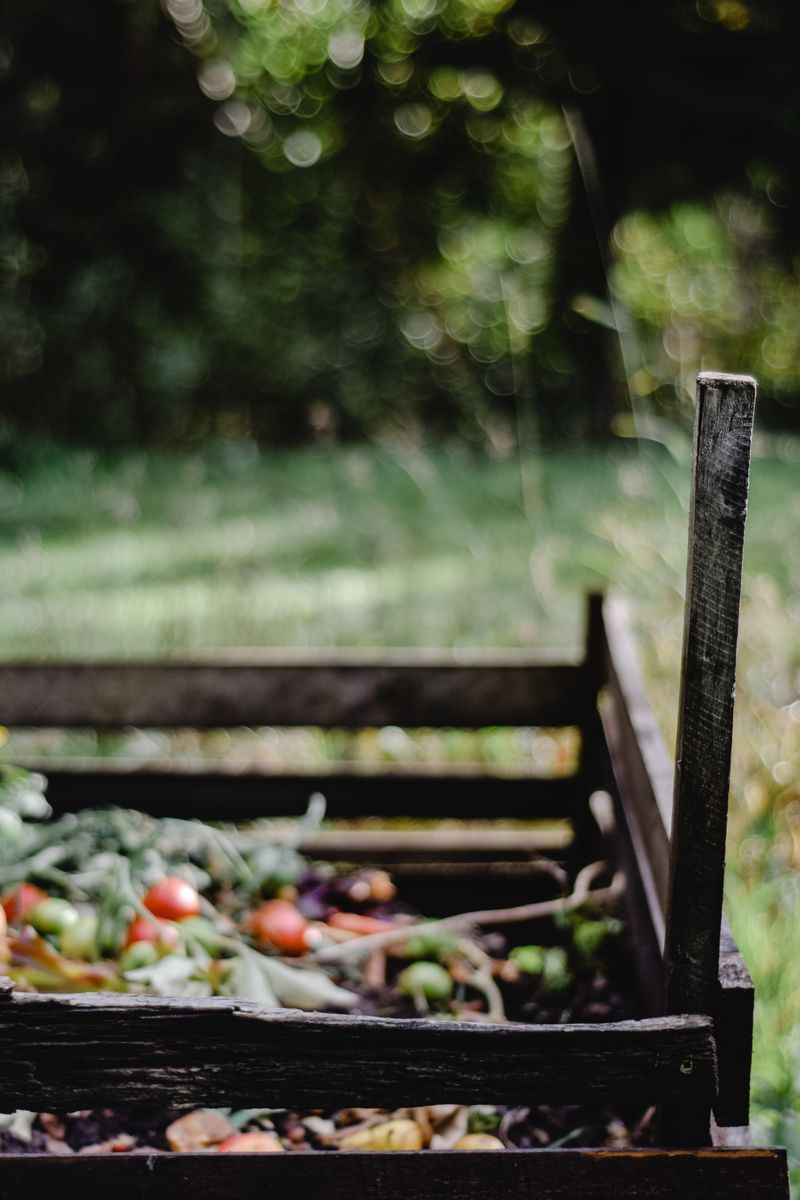
Start the pile on bare soil so worms and microbes can move in.
Step 2
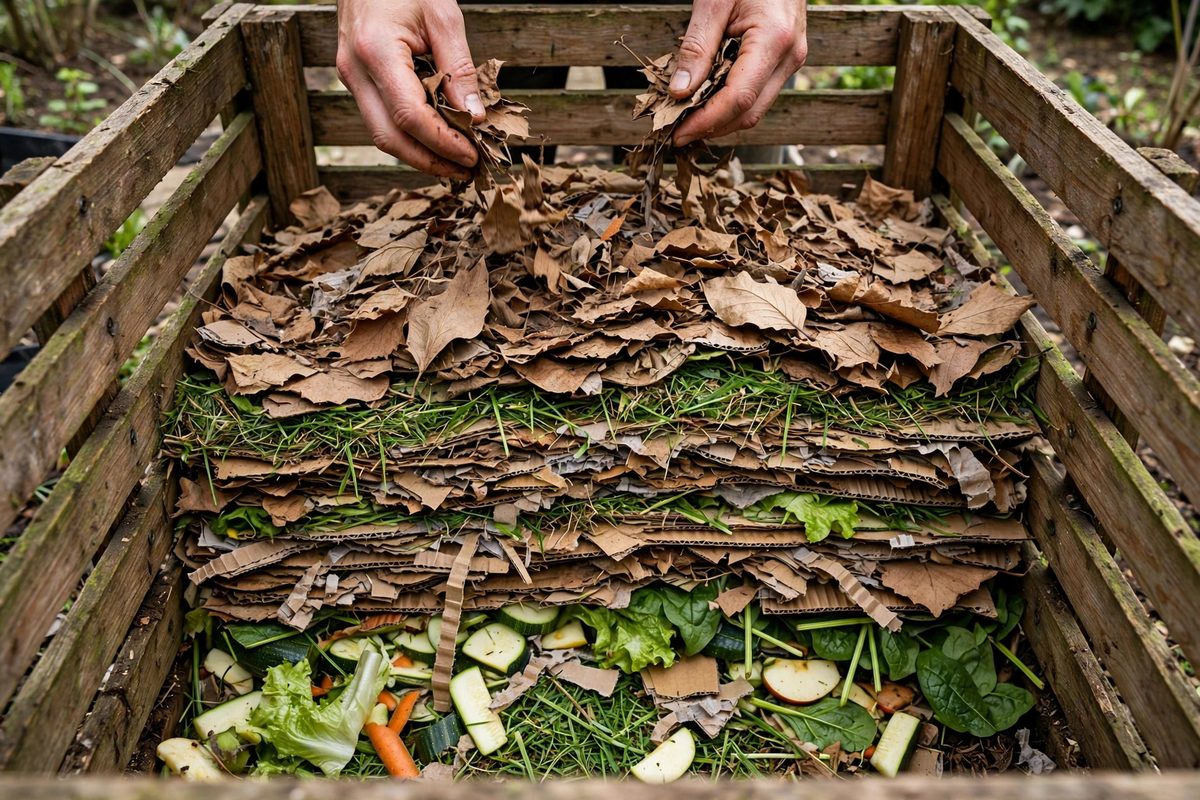
Layer greens and browns roughly 1:3, keeping layers thin.
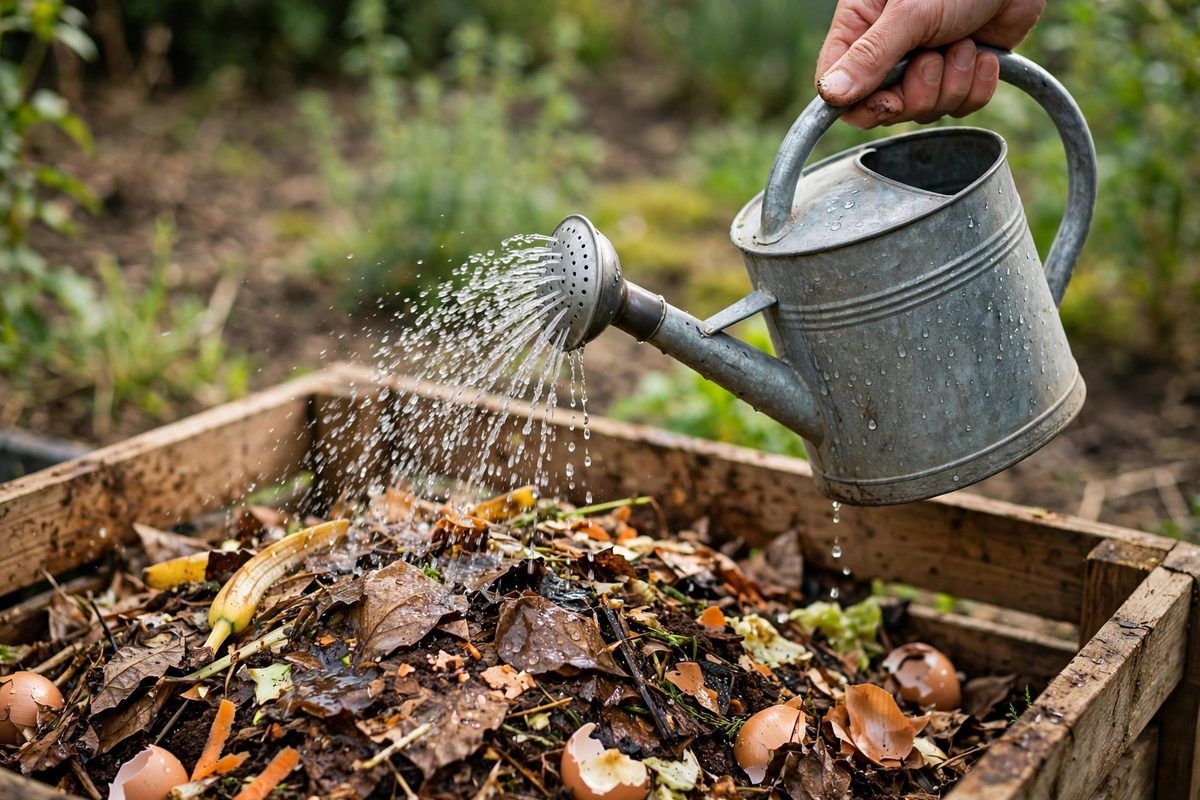
Step 3
Keep the pile as moist as a wrung-out sponge; add water or browns as needed.
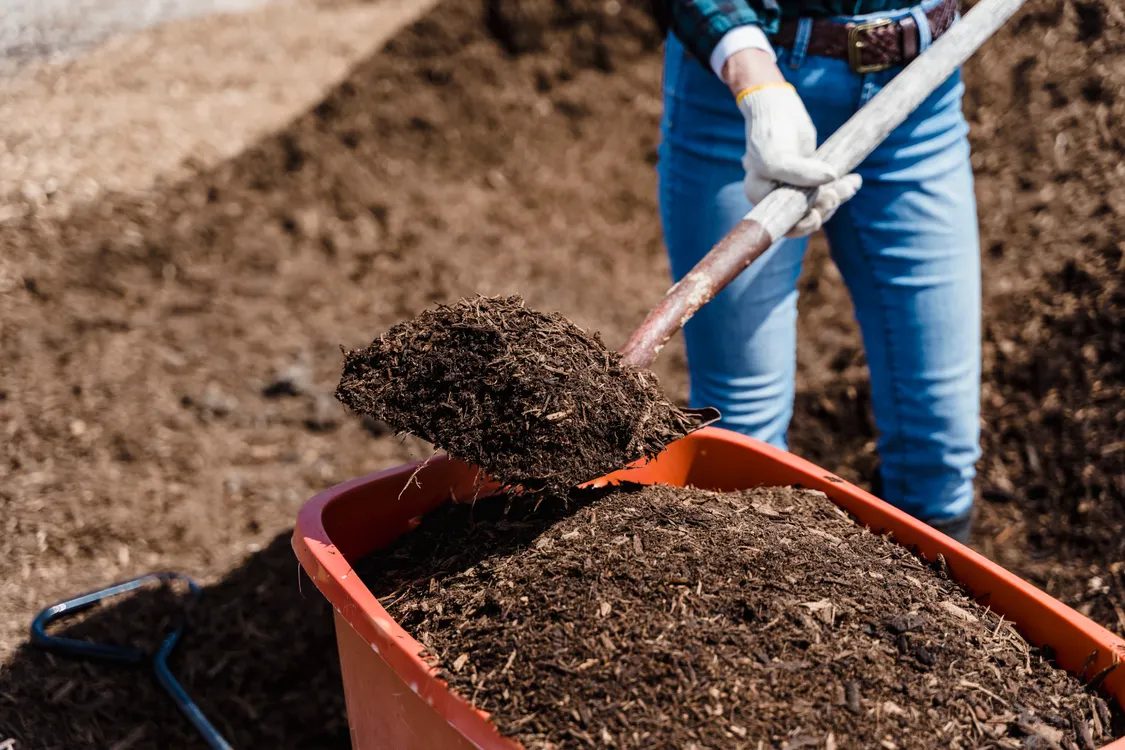
Step 4
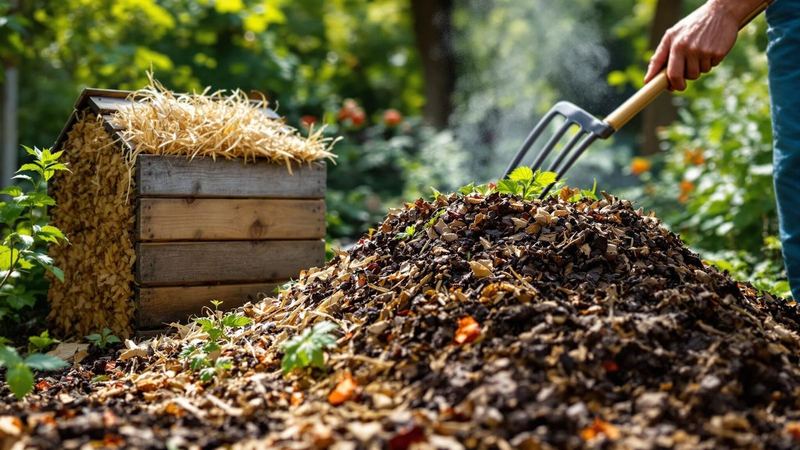
Turn every few weeks to add air and speed the process.
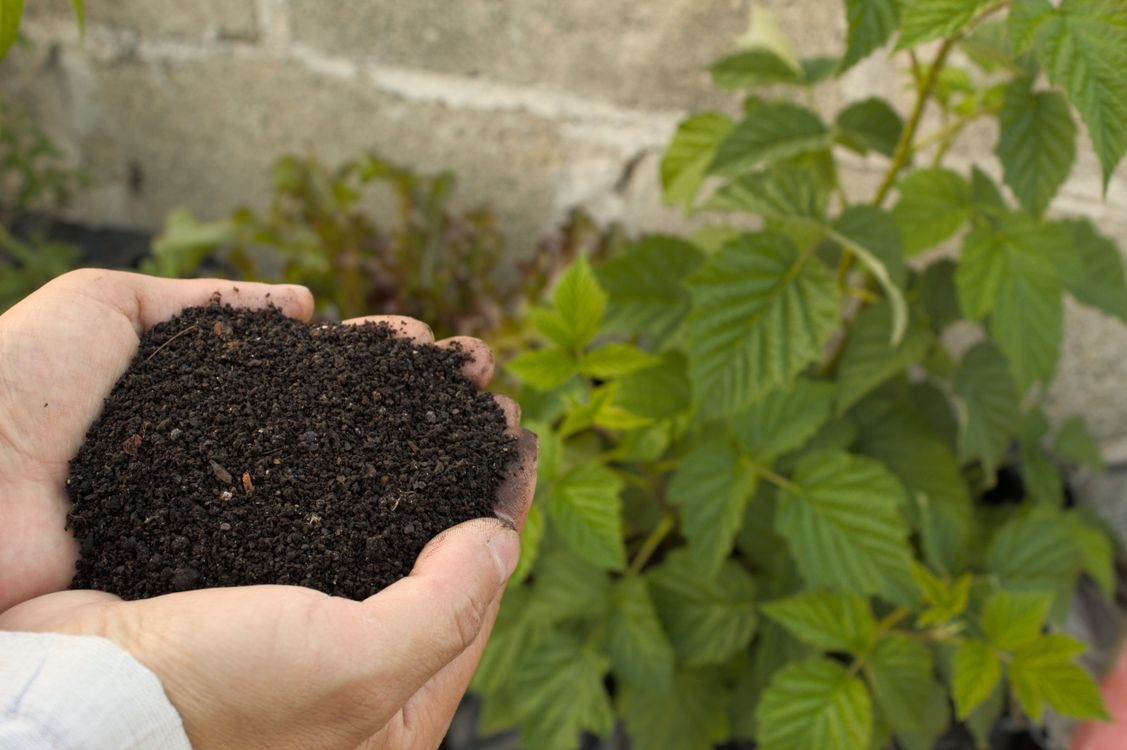
Step 5
Use the compost when it is dark, crumbly and smells of woodland — usually 6–12 months.
Expert tip
Write down the date you do this. Gardening advice is full of ‘weeks later’ — and the gardeners who improve fastest are the ones who can check what ‘later’ actually was.
Common mistakes
Watch out for
- All grass clippings at once — they mat into a slimy, airless layer.
- Adding meat, dairy or cooked food to an open pile.
- Letting the pile dry out completely; microbes stop work without moisture.
Keep exploring this topic with What Is Crop Rotation?, or browse the full Composting section.
Frequently asked questions
Does a good pile smell?
It should smell earthy. Ammonia means too many greens; a sour smell means too wet and airless. Browns and a good turn fix both.
What must never go in?
Glossy paper, coal ash, pet waste from meat-eating animals, and diseased plant material in a cold pile.