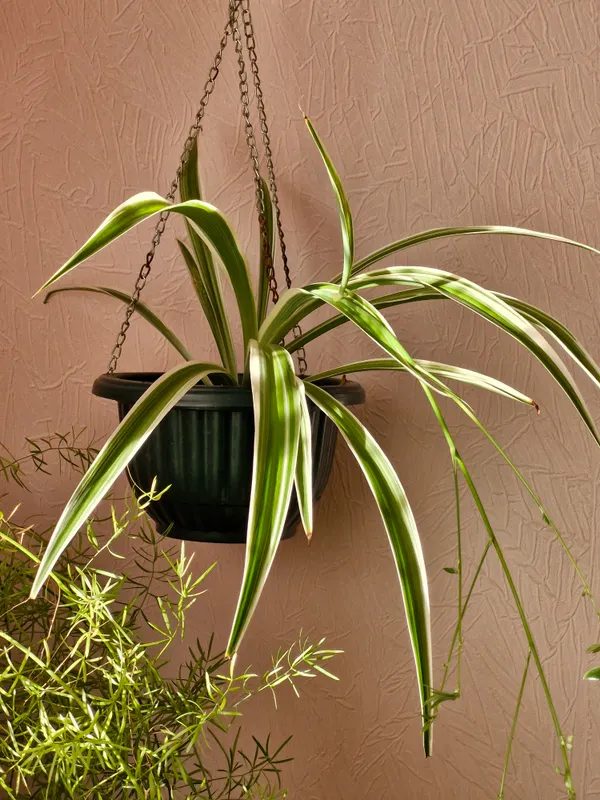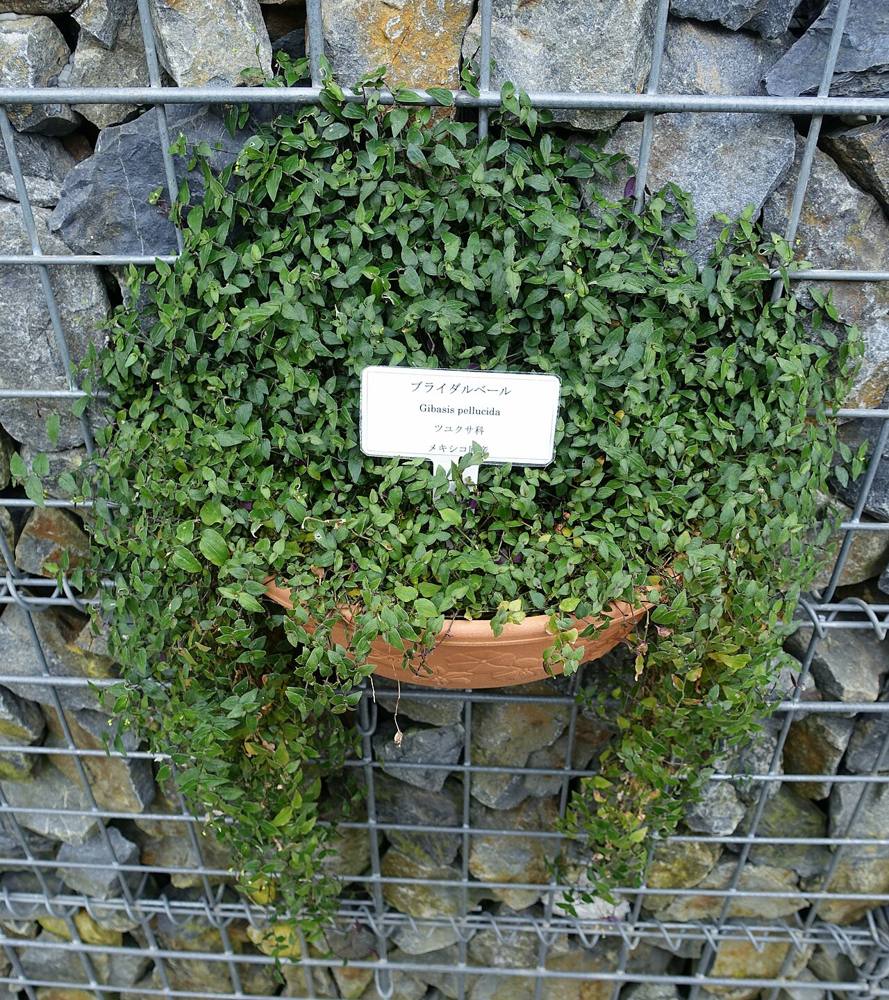
A curtain of fine green foliage studded with tiny white flowers. Bright indirect light, steady moisture and a pinch back now and then keep the veil full. It sounds specialist, but like most gardening it comes down to a few fundamentals done in the right order — this guide walks through them one at a time, with the timings and quantities that actually matter.
What you will need
- A hanging basket or a high shelf
- Light, free-draining houseplant compost
- A pot with drainage holes
- A narrow-spout watering can
- A bright spot out of direct sun
- A soft brush for the tiny flowers
Step by step
Step 1
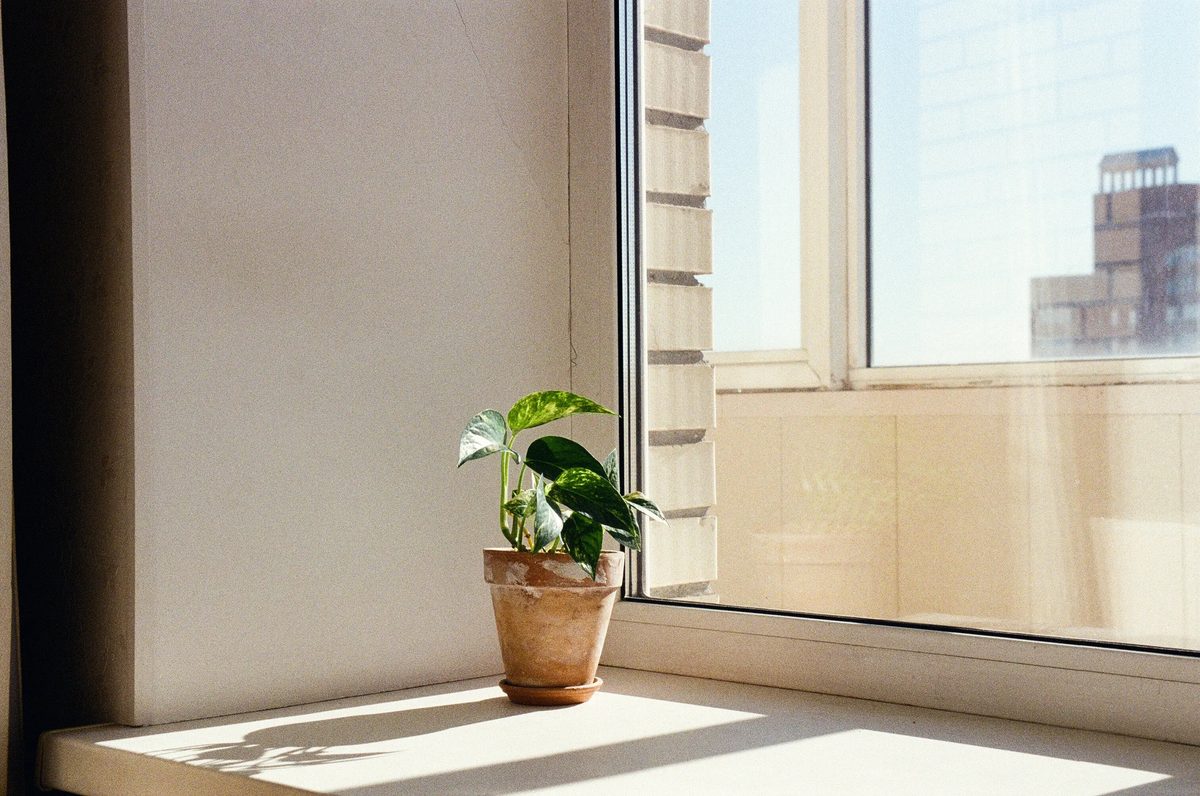
Hang it in bright, indirect light — a few feet from a sunny window suits it best, because direct sun scorches the fine leaves while a dark corner stops the tiny white flowers opening.
Step 2
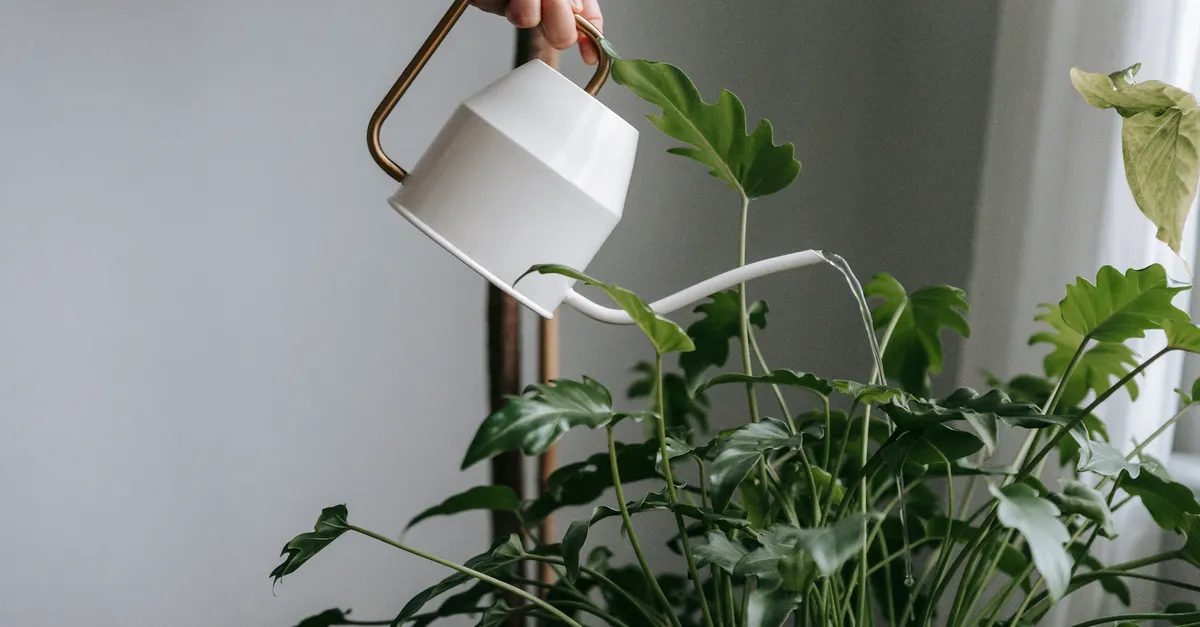
Water when the top inch of compost feels dry, soaking until water runs from the base and emptying the saucer — bridal veil likes steady moisture but rots in standing water.

Step 3
Feed monthly from spring to early autumn with liquid houseplant feed at half strength — the plant grows fast in summer and flowers best on light, steady feeding, not heavy doses.
Step 4
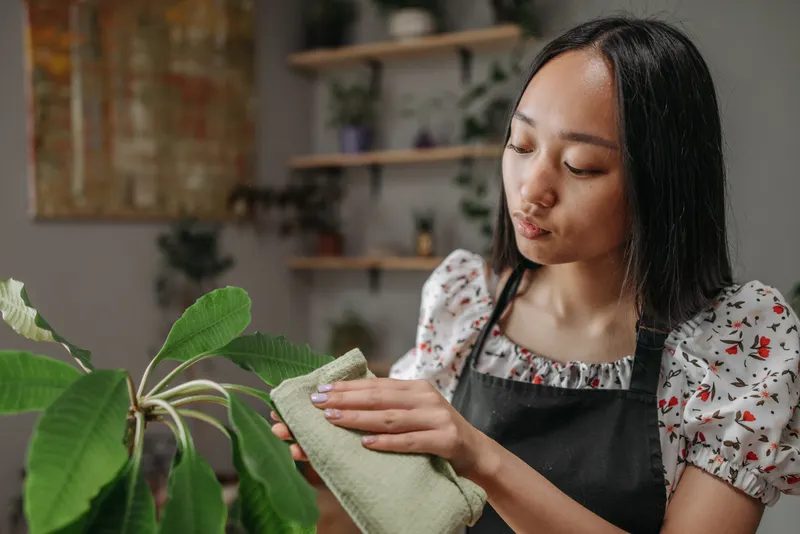
Wipe the leaves gently with a soft, dry brush when they look dusty — the foliage is fine and tangled, so a wet cloth snags and tears it; a soft brush does the job without damage.
Step 5
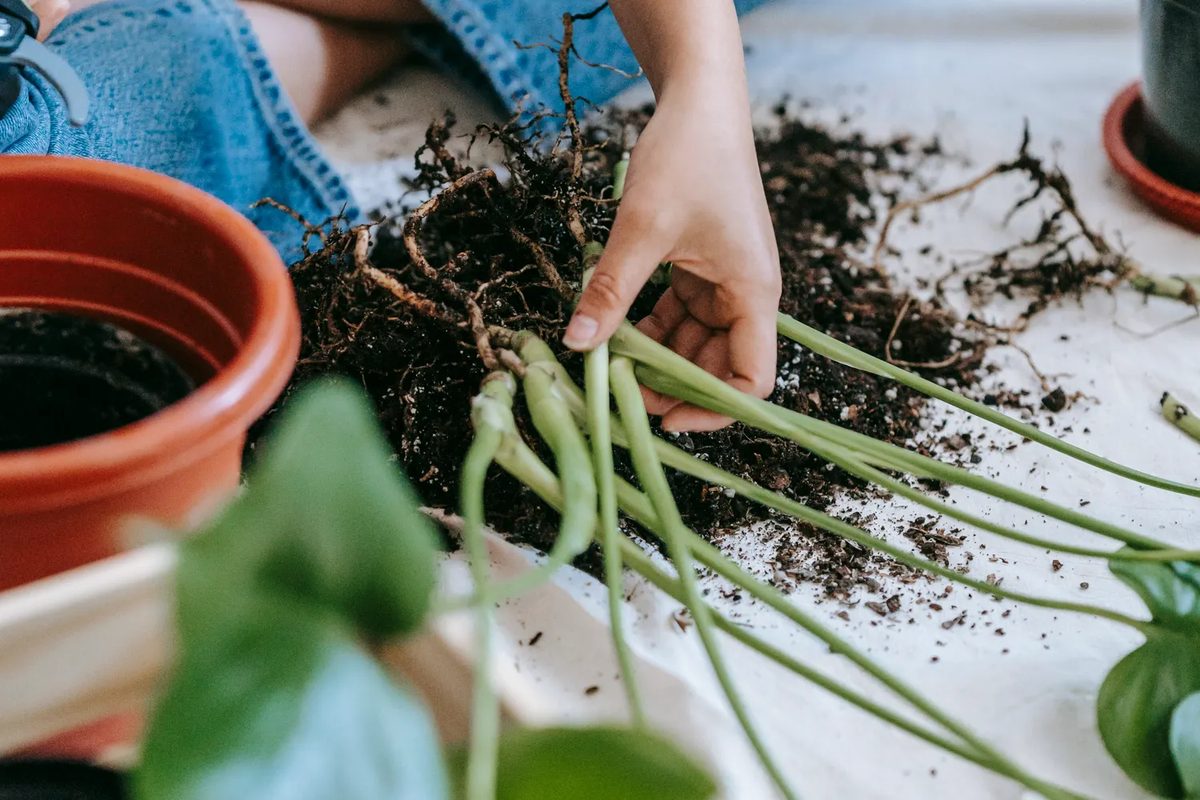
Repot in spring when roots show at the drainage holes, moving one size up into fresh compost — lift the plant by the root ball, never by the trailing stems, and water in well after.
Expert tip
Write down the date you do this. Gardening advice is full of ‘weeks later’ — and the gardeners who improve fastest are the ones who can check what ‘later’ actually was.
Common mistakes
Watch out for
- Letting it dry out completely — bridal veil wilts fast and the fine stems crisp up within days of drought.
- Growing it in deep shade — it survives but never flowers, and the veil of white blooms is the whole point.
- Misting the flowers — wet blooms spot and drop; water the compost, not the plant.
Keep exploring this topic with How to Grow Flowers Indoors, or browse the full Houseplants & Indoor Care section.
Frequently asked questions
Why is my bridal veil plant not flowering?
Usually too little light. It needs bright, indirect light for most of the day to open its tiny white flowers — move it closer to a window, out of direct sun, and feed monthly in spring and summer.
How do I keep it bushy instead of straggly?
Pinch the stem tips every few weeks in spring — each pinch makes the plant branch, and a pinched plant stays a full, veiled curtain instead of a few long strings.