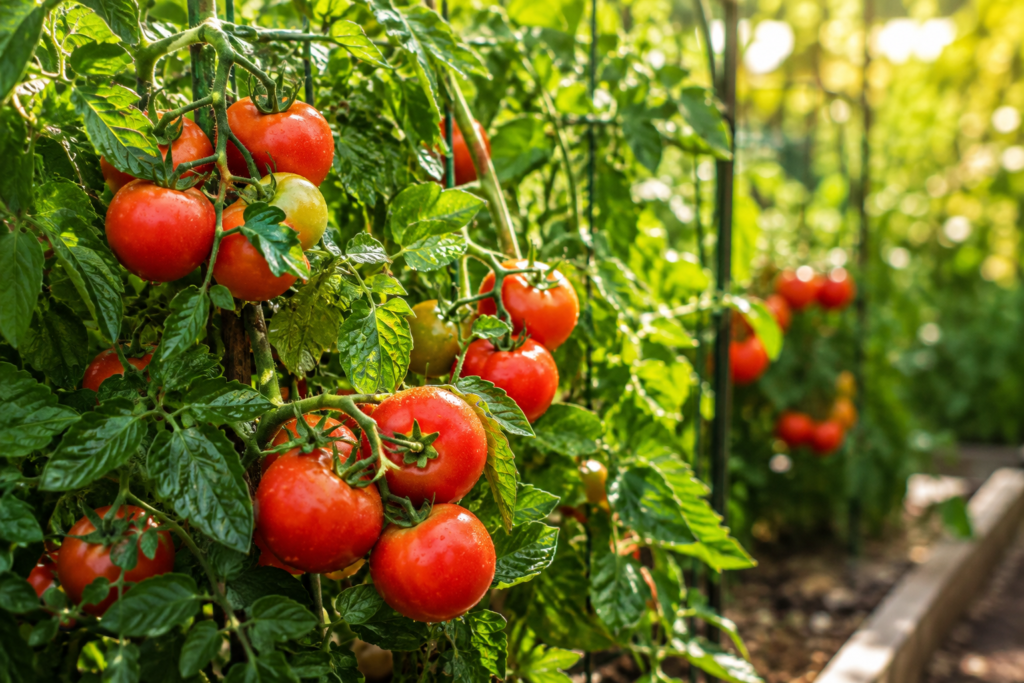
Sun, steady water and regular feeding: the three things tomatoes actually need, from first truss to final ripening. It sounds specialist, but like most gardening it comes down to a few fundamentals done in the right order — this guide walks through them one at a time, with the timings and quantities that actually matter.
What you will need
- The sunniest spot you have
- Stakes or cages for support
- Compost and a balanced feed
- A watering can or hose
- Mulch for the soil surface
- Soft ties or twine
Step by step
Step 1
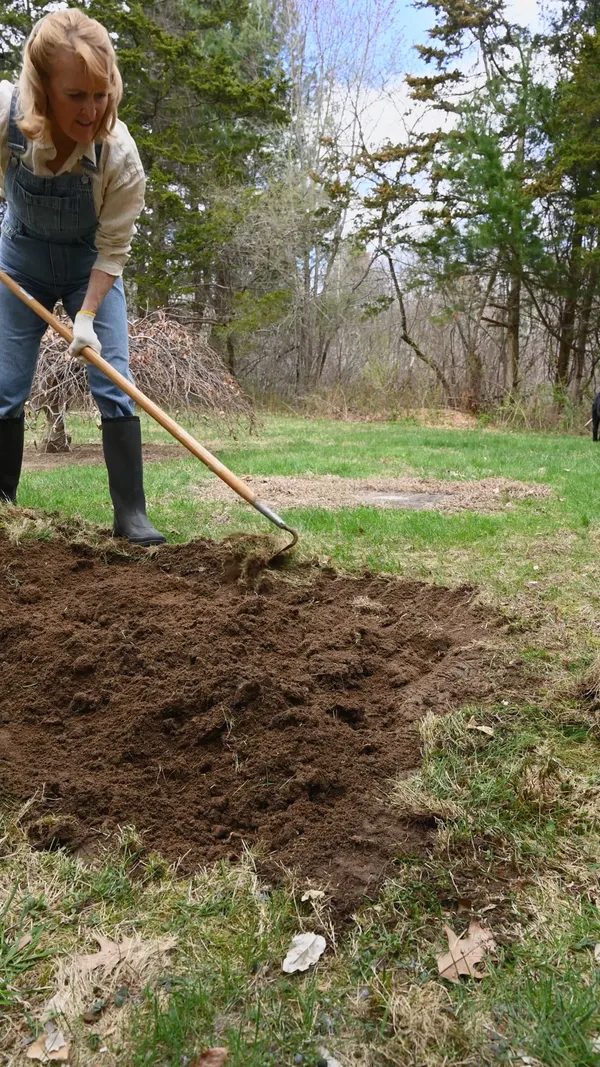
Fork the bed over in a sunny spot, clearing weeds and working in 2 inches of compost — tomatoes are hungry plants that root deeply in loose, rich soil.
Step 2
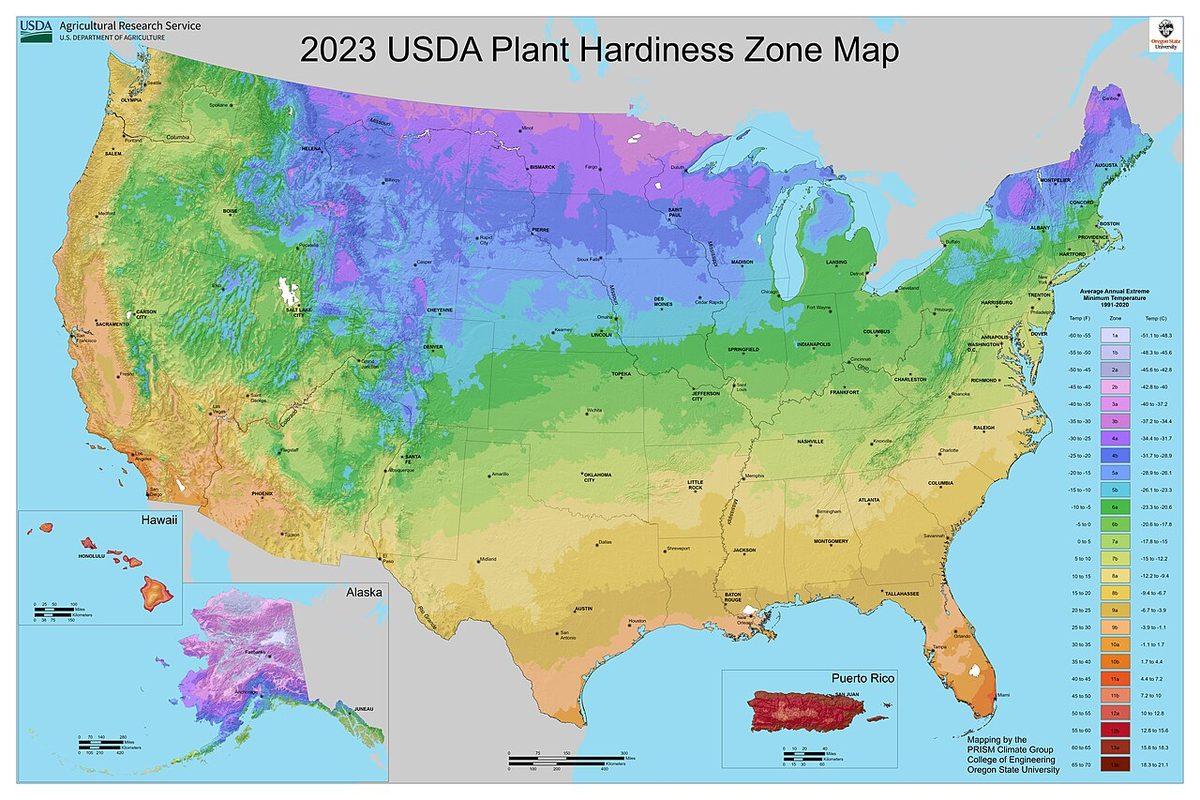
Time planting to warm soil and frost-free nights — tomatoes sulk in cold ground, so wait until nights stay reliably mild before they go out.
Step 3
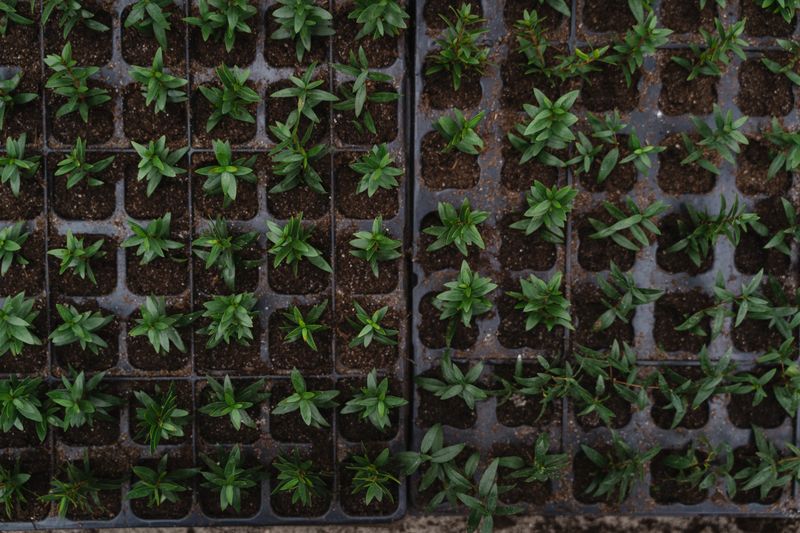
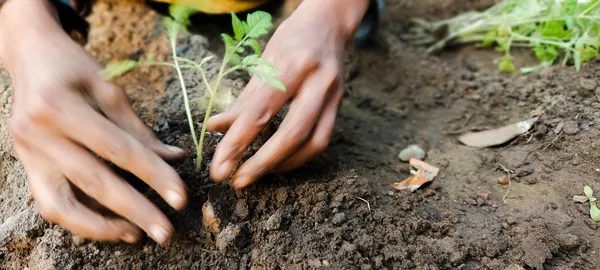
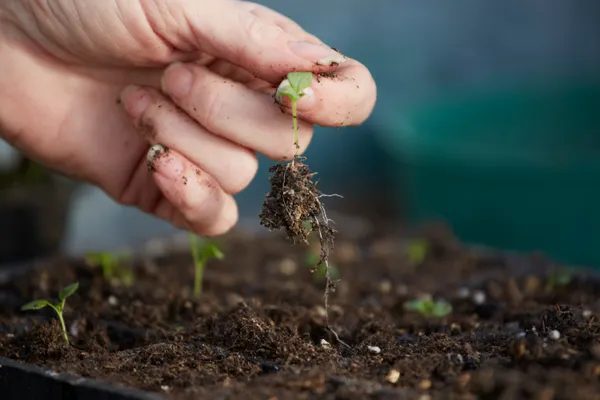
Set seedlings out at their final spacing, handling them by the leaves rather than the stem, and bury the stem a little deeper than it stood in the pot.
Step 4
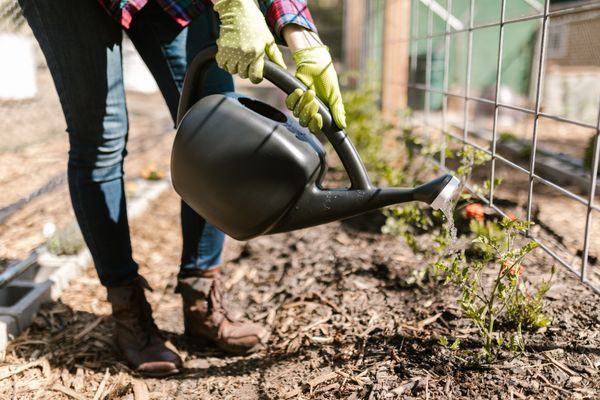
Water in well at the base and mulch around the plants, leaving the stems clear — steady moisture at the roots is what prevents split fruit.
Step 5
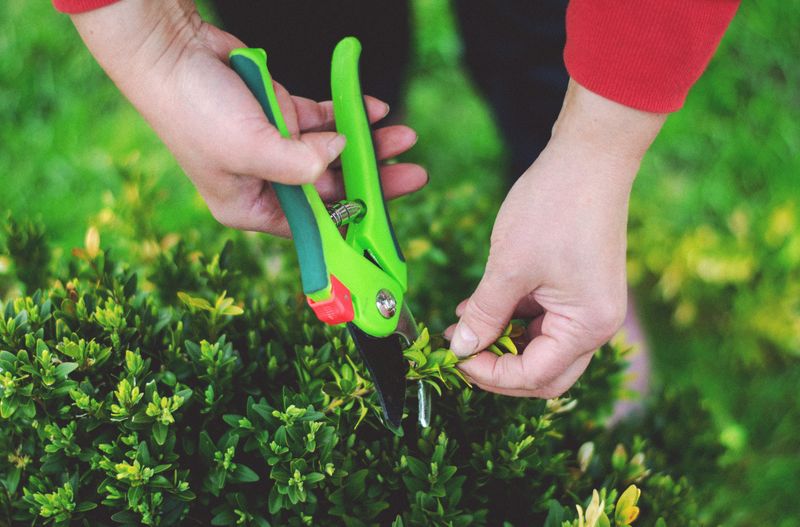
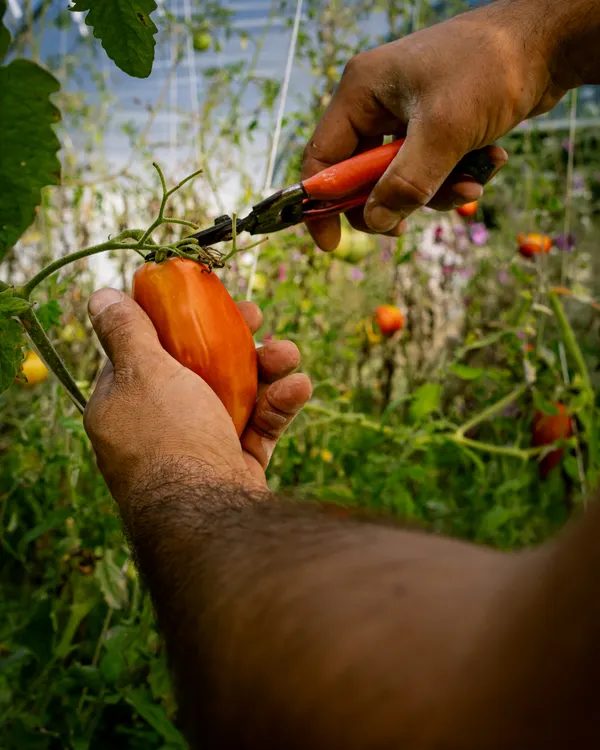
Keep feeding and checking the plants twice a week, and snip ripe fruit from the truss as it colors fully — regular picking keeps new trusses coming into autumn.
Expert tip
Write down the date you do this. Gardening advice is full of ‘weeks later’ — and the gardeners who improve fastest are the ones who can check what ‘later’ actually was.
Common mistakes
Watch out for
- Planting out before nights are reliably warm — cold soil stalls tomatoes for weeks.
- Watering the leaves in the evening, which invites blight and other fungal disease.
- Feeding heavily before the first truss sets, which grows leaves at the expense of fruit.
Keep exploring this topic with How to Start a Vegetable Garden, or browse the full Vegetable Gardening section.
Frequently asked questions
Why do my tomatoes split?
Uneven watering. A dry spell followed by a heavy soaking swells the fruit faster than the skin can stretch. Water deeply and evenly, and mulch to hold the moisture steady.
Should I remove side shoots?
On tall, indeterminate varieties, yes — pinch out the shoots that appear in the leaf joints so energy goes to the fruiting trusses. Bush varieties are left to grow naturally.