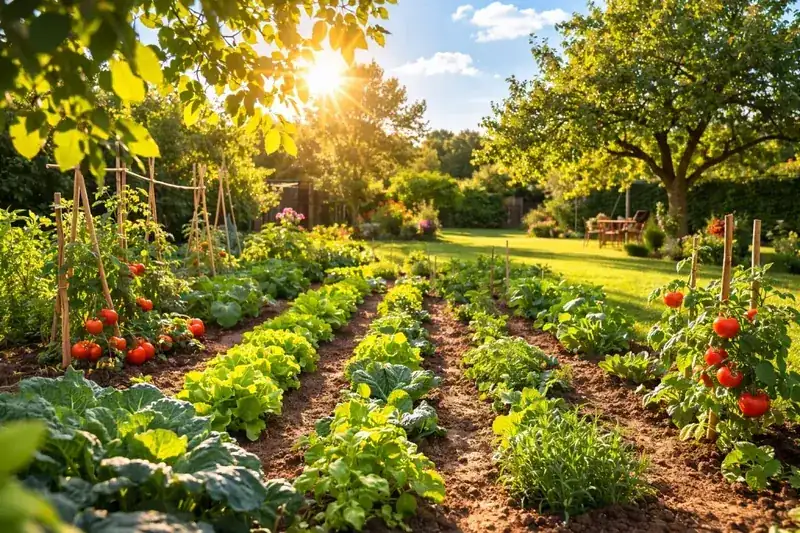
Zone 6b in detail: frost dates, the crops that love its long season, and the marginal plants worth protecting. It sounds specialist, but like most gardening it comes down to a few fundamentals done in the right order — this guide walks through them one at a time, with the timings and quantities that actually matter.
What you will need
- Your ZIP or postcode
- Your coldest typical winter night
- Last and first frost dates for your town
- A notebook for your personal planting calendar
Step by step
Step 1
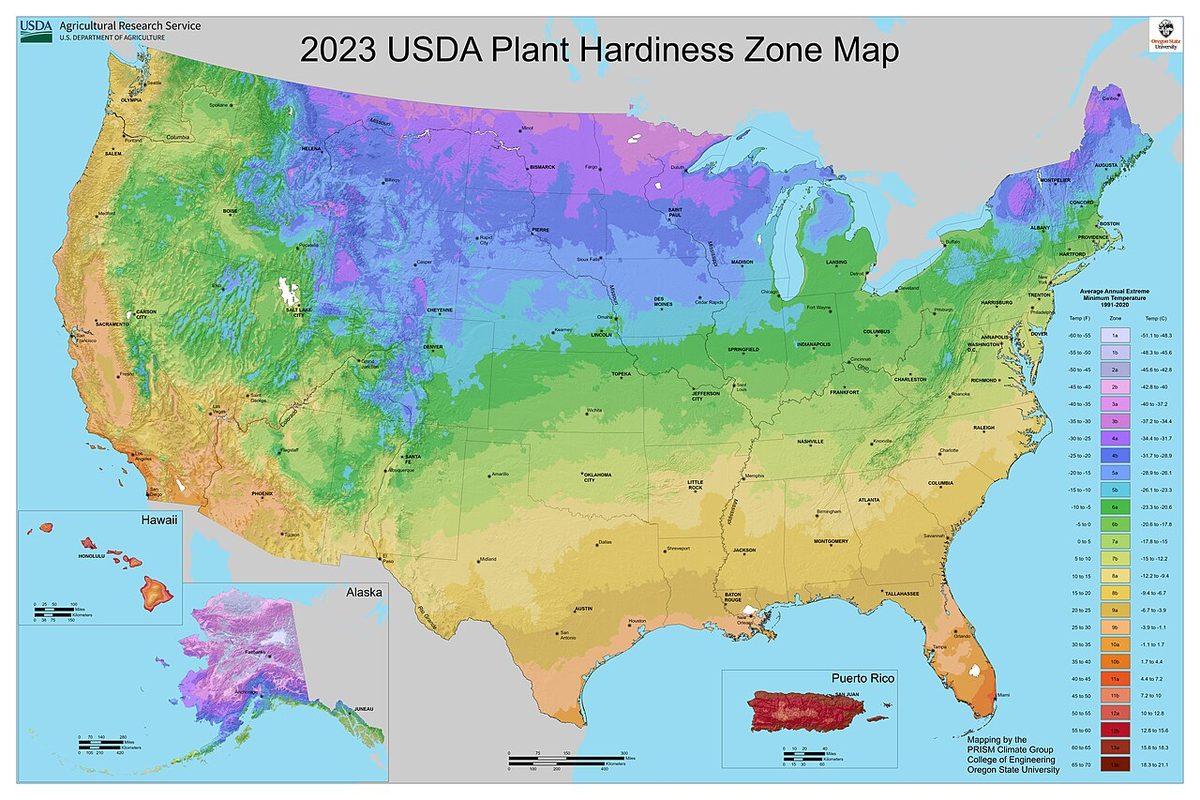
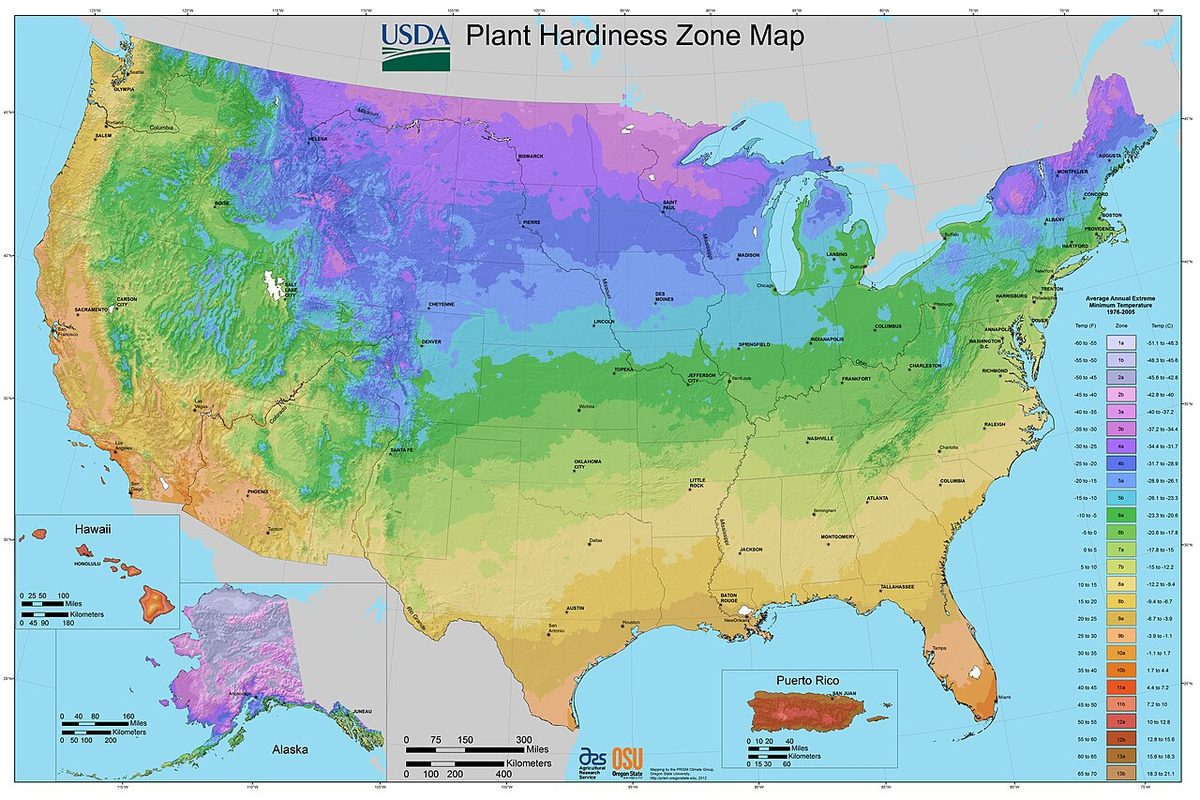
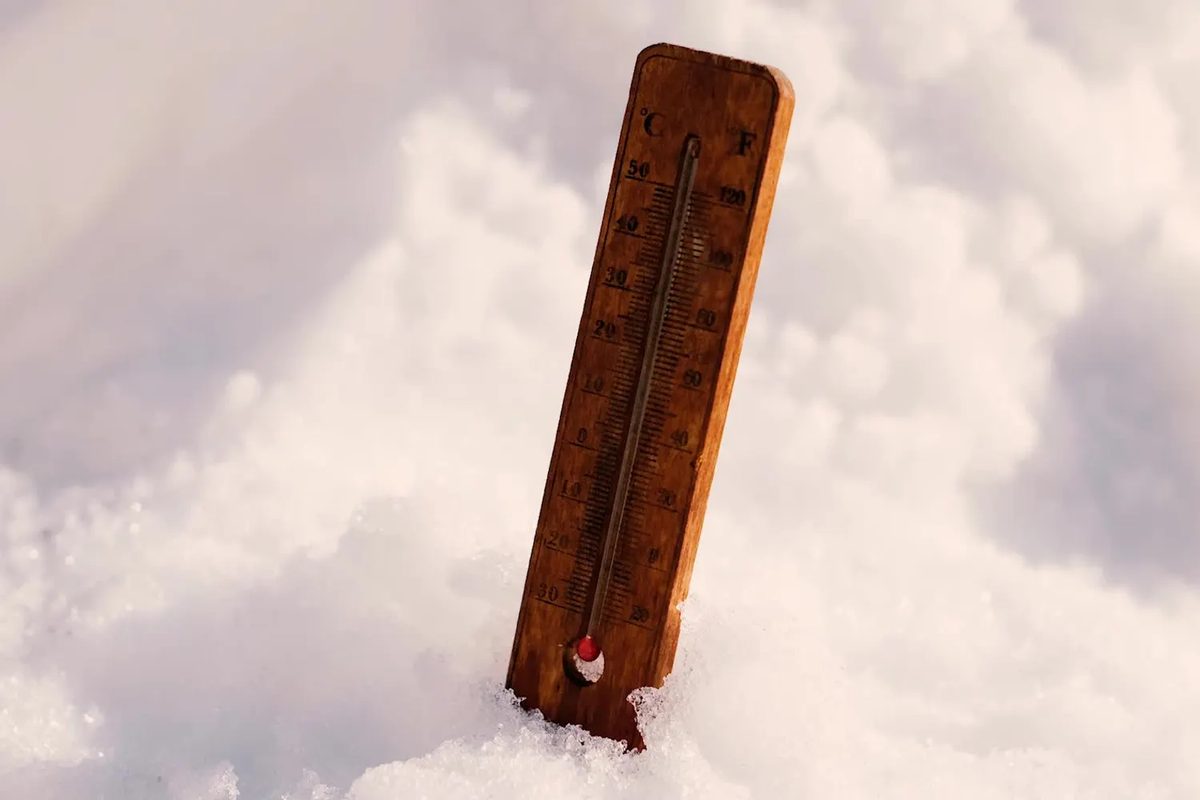
Find your zone from your ZIP code, then sanity-check it against the coldest night you remember.
Step 2
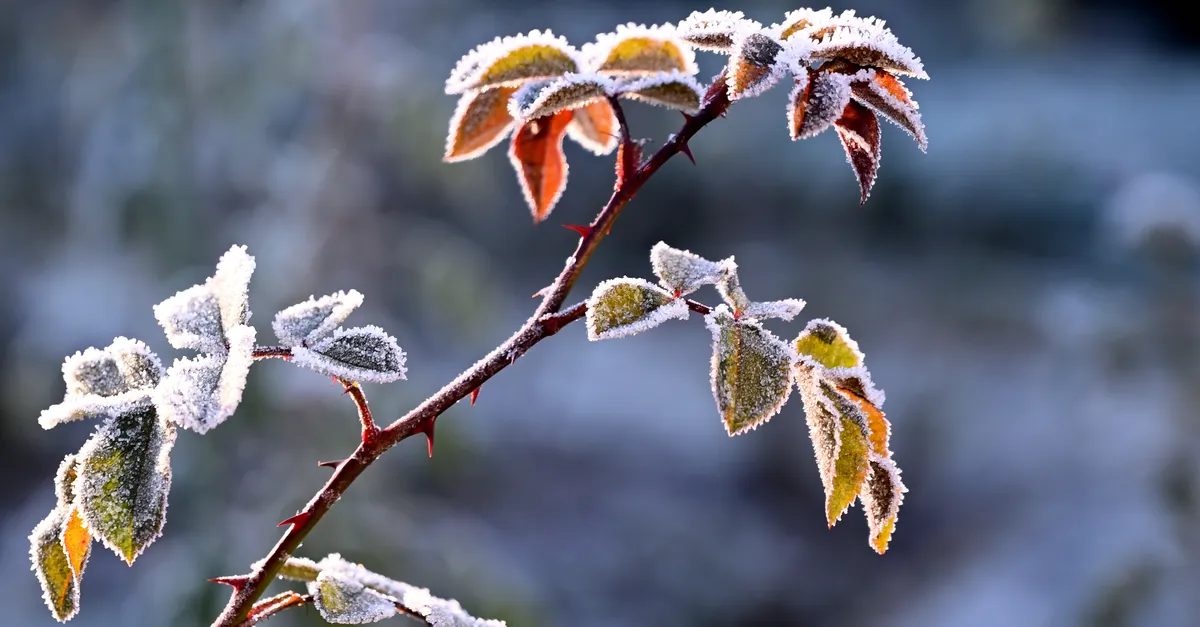
Note your average last spring frost and first autumn frost — these two dates rule tender planting.
Step 3
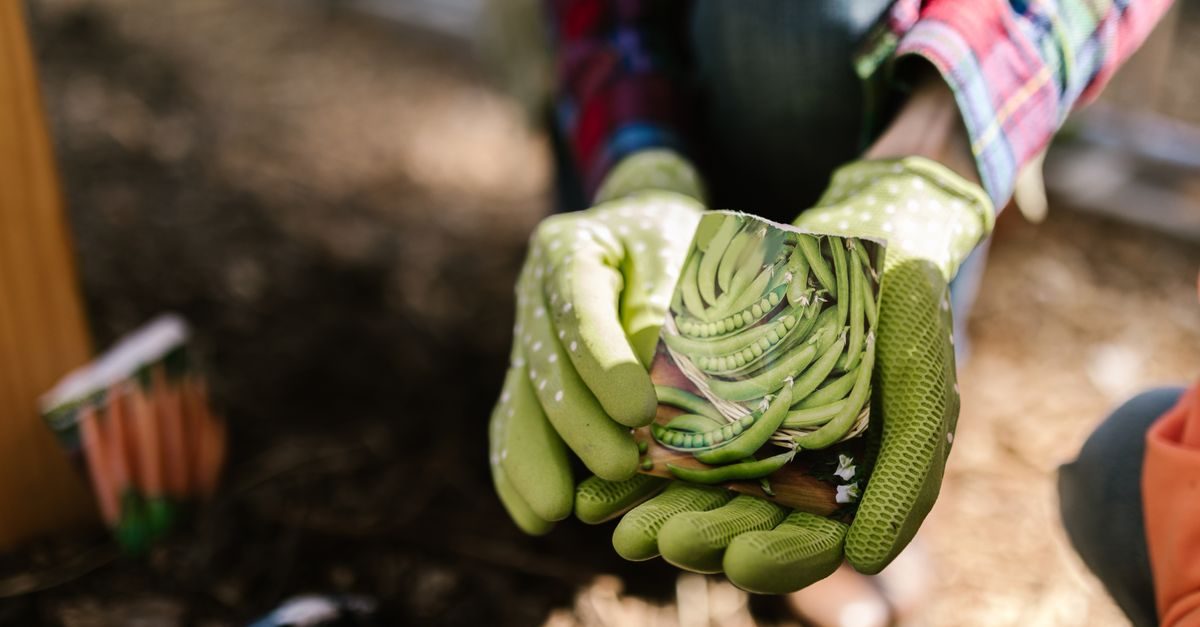
Build your calendar backwards from frost dates using the ‘weeks before/after’ figures on seed packets.
Step 4
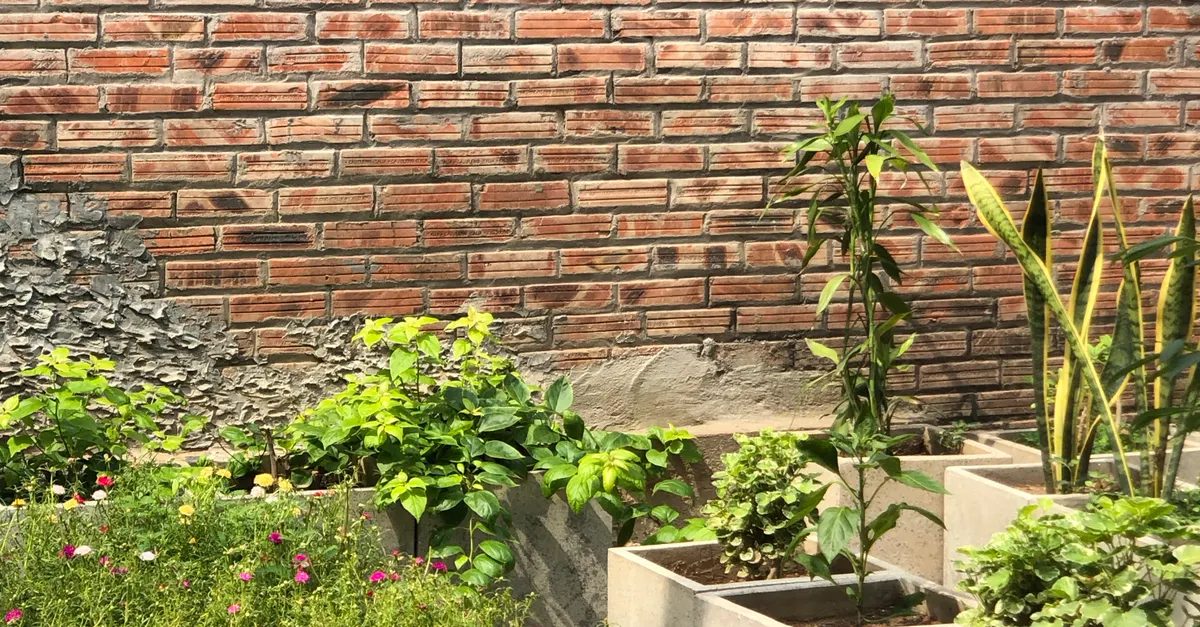
Adjust for microclimate: south-facing walls run a half-zone warmer; frost pockets run colder.
Step 5
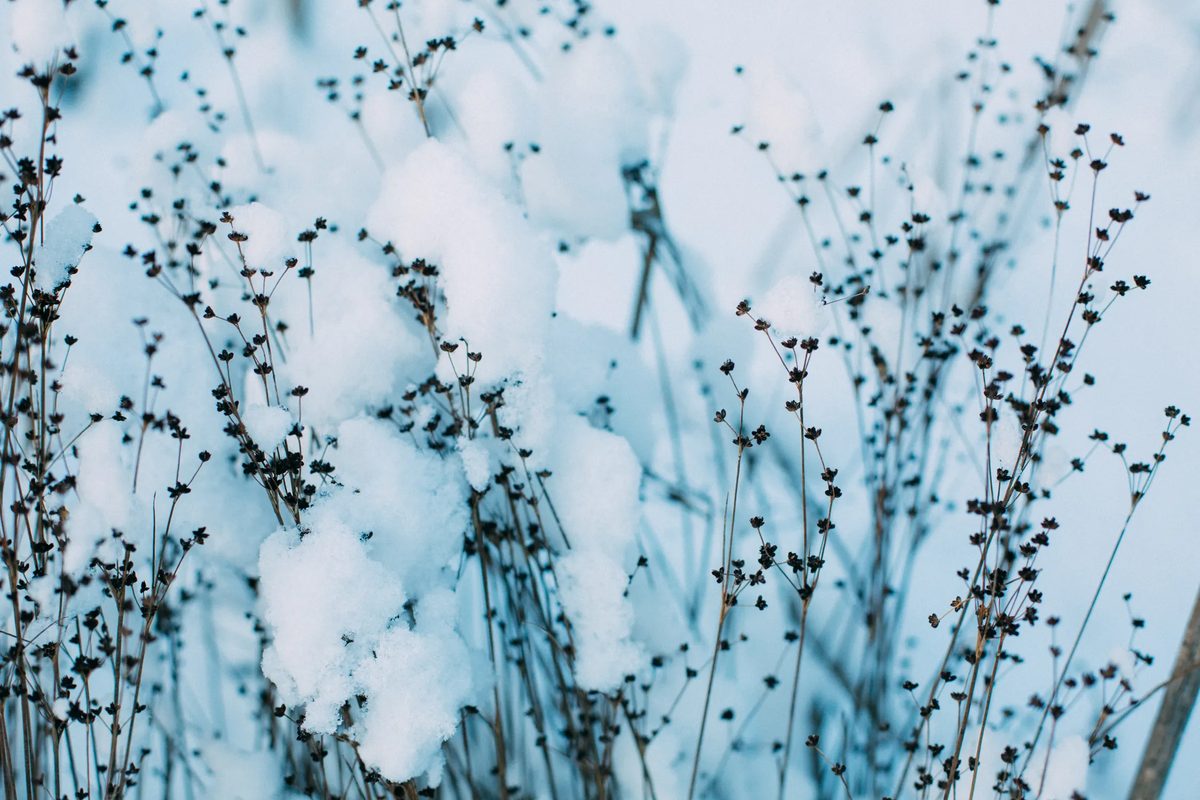
Re-check after extreme winters and move tender perennials up a zone if they struggled.
Expert tip
Write down the date you do this. Gardening advice is full of ‘weeks later’ — and the gardeners who improve fastest are the ones who can check what ‘later’ actually was.
Common mistakes
Watch out for
- Treating the zone as a planting date — zones describe winter cold, not spring timing.
- Ignoring microclimates that shift your real zone by a full step.
- Buying plants rated two zones tenderer than yours without winter protection.
Keep exploring this topic with Planting Zones by Zip Code: Find Your Growing Zone, or browse the full Planting Zones & Seasonal Planting section.
Frequently asked questions
What does the ‘a’ and ‘b’ mean in 6b?
Each zone is split into two halves of 5°F. Zone 6b is the warmer half of zone 6, with average winter lows of −5 to 0°F (−20.6 to −17.8°C).
Can I grow plants from a warmer zone?
Often yes, with a sheltered wall, mulch and luck — but treat them as experiments, not foundations of the planting plan.