Direct sowing skips pots, windowsills and transplant shock. The soil temperature, depth and spacing rules that get seeds up. It sounds specialist, but like most gardening it comes down to a few fundamentals done in the right order — this guide walks through them one at a time, with the timings and quantities that actually matter.
What you will need
- Seed packets matched to your zone
- A rake and a hand fork
- A watering can with a fine rose
- Labels and string for rows
- Fine netting or cloches for protection
- Compost for the seedbed
Step by step
Step 1
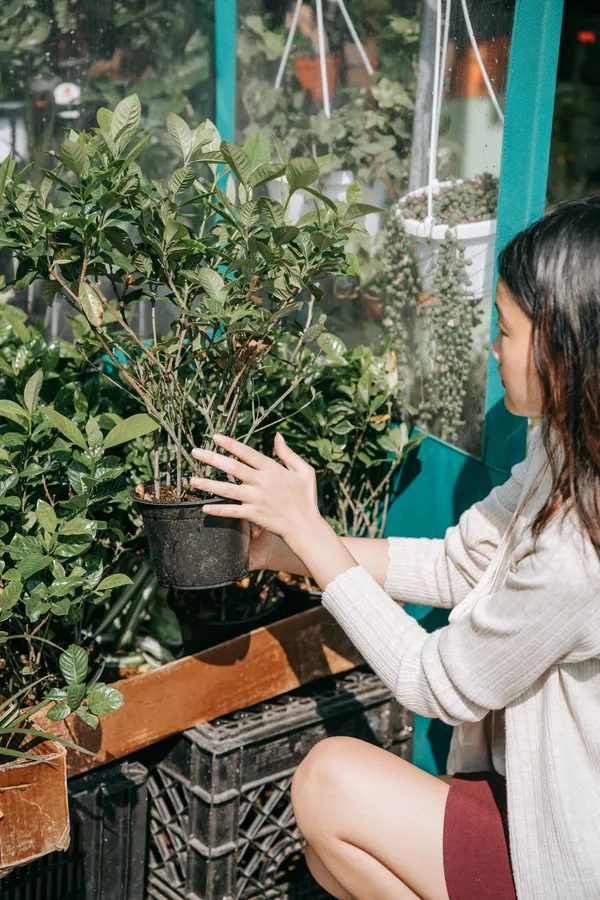
Choose varieties that suit your soil and light — direct-sown flowers fail most often from the wrong spot, not the wrong seed, so pick sun-lovers for open beds and shade-tolerant kinds for north walls.
Step 2
Sow in spring once the soil feels warm to your hand, or in autumn for hardy annuals that need winter cold to germinate — a packet sown into cold soil rots before it sprouts.
Step 3
Sow at the depth on the packet — usually twice the seed's own width — and space the seed thinly along the row, because crowded seedlings never size up.
Step 4
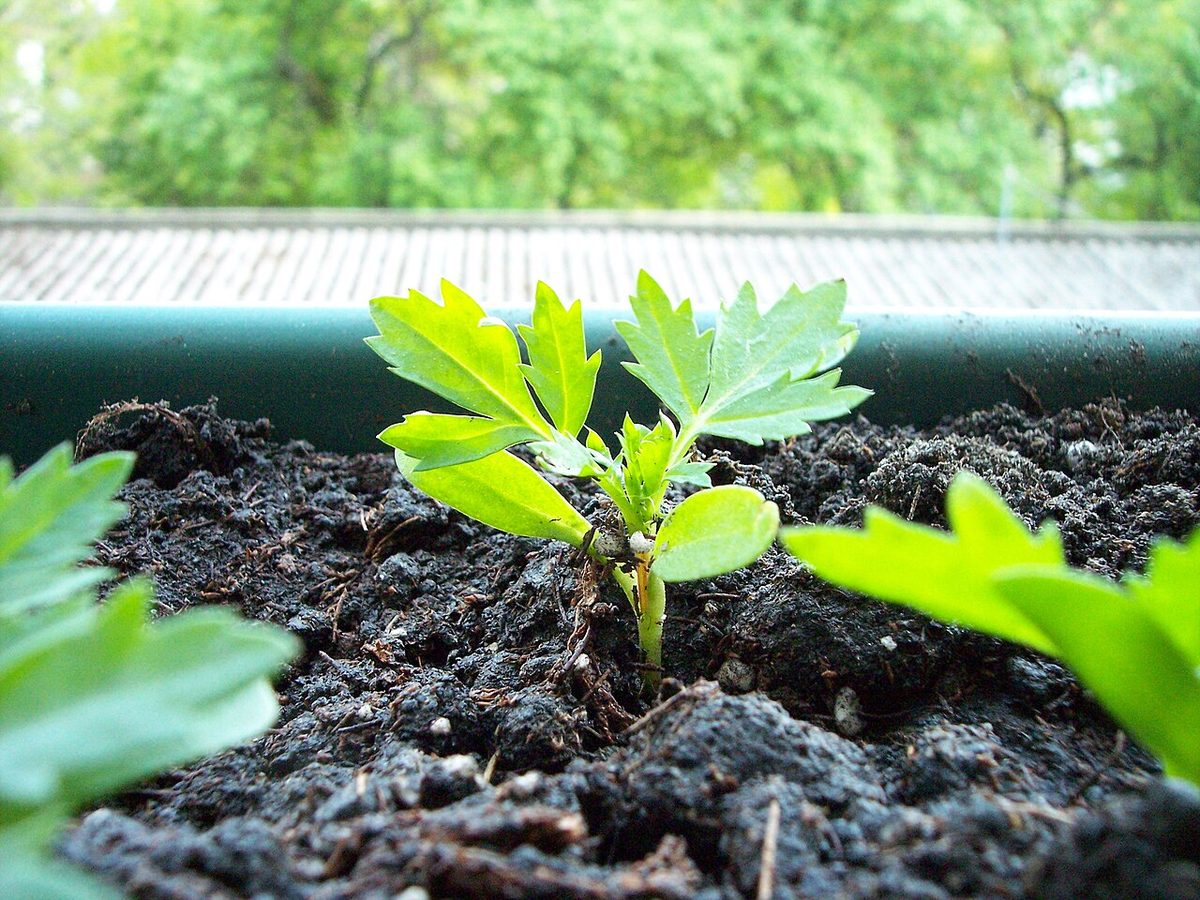
Water gently with a fine rose so the seed stays put, and keep the seedbed damp until seedlings appear — a dry crust in the first week kills more seed than frost does.
Step 5
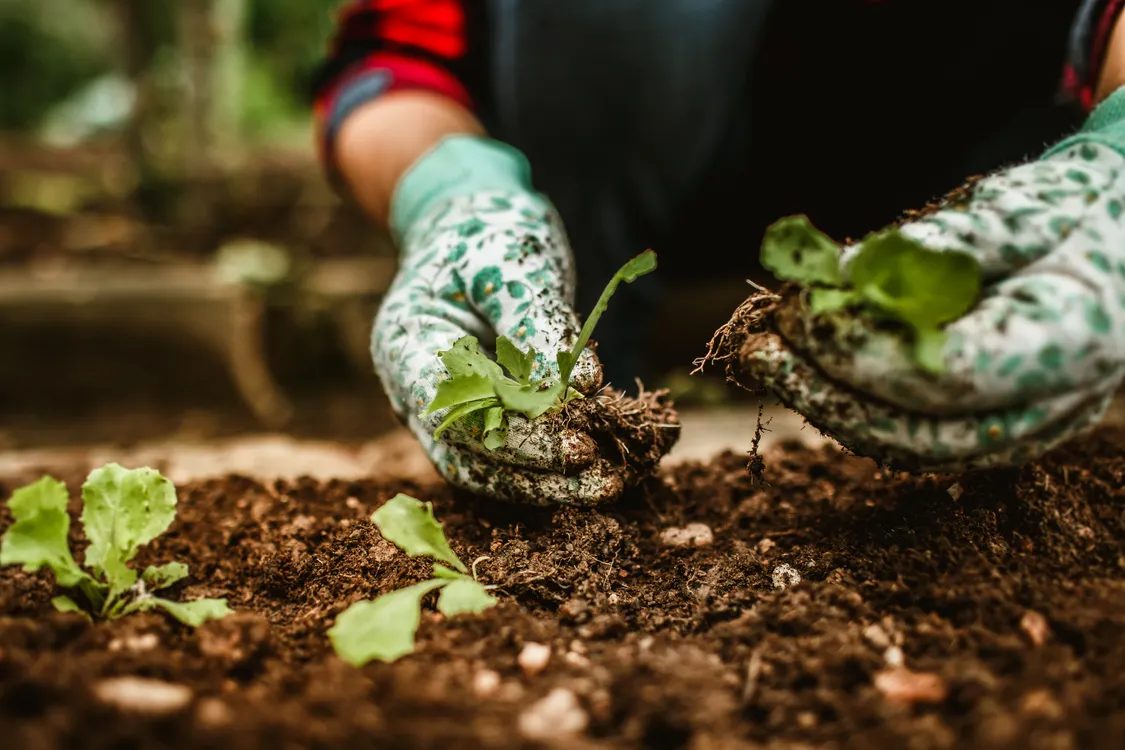
Thin seedlings to their final spacing once they have true leaves, keeping the strongest plant in each spot and composting the rest.
Expert tip
Write down the date you do this. Gardening advice is full of ‘weeks later’ — and the gardeners who improve fastest are the ones who can check what ‘later’ actually was.
Common mistakes
Watch out for
- Sowing everything at once and drowning in a single glut — stagger sowings two weeks apart for flowers all season.
- Burying tiny seed deep — seed finer than sand needs light to germinate, so press it onto the surface instead.
- Letting the seedbed dry out between waterings — germination stalls the moment the top crust dries.
Keep exploring this topic with Purple Flower Perennial Plants, or browse the full Flower Gardening section.
Frequently asked questions
Can I sow flower seed straight into the garden?
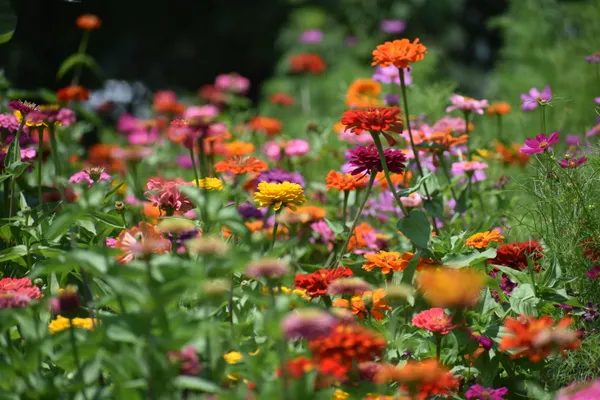
Yes, for hardy annuals like calendula, cornflowers and nasturtiums. Tender kinds like zinnias and cosmos need warm soil, so wait until frosts have passed and the soil feels warm.
How do I know if the soil is warm enough?
Push a finger 5 cm in — if it feels warm, not cold, it is ready. A soil thermometer reading above 10°C (50°F) is ideal for most flower seed.