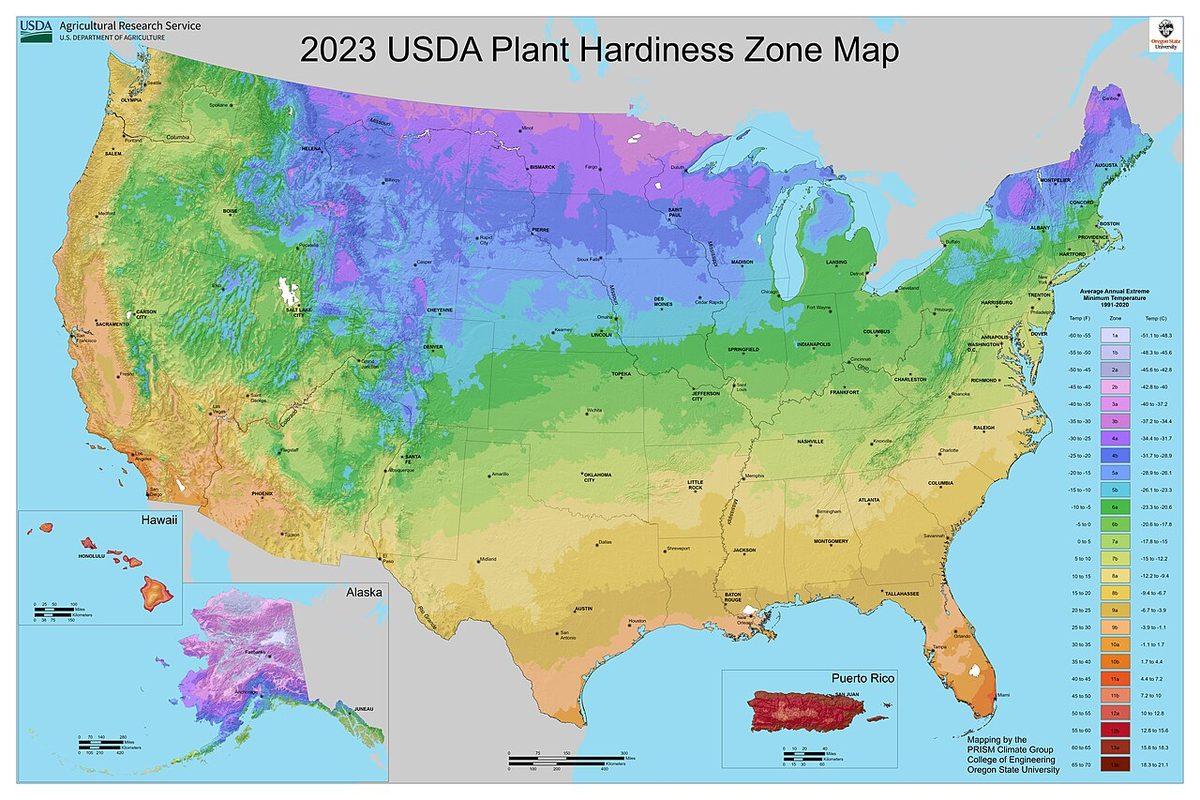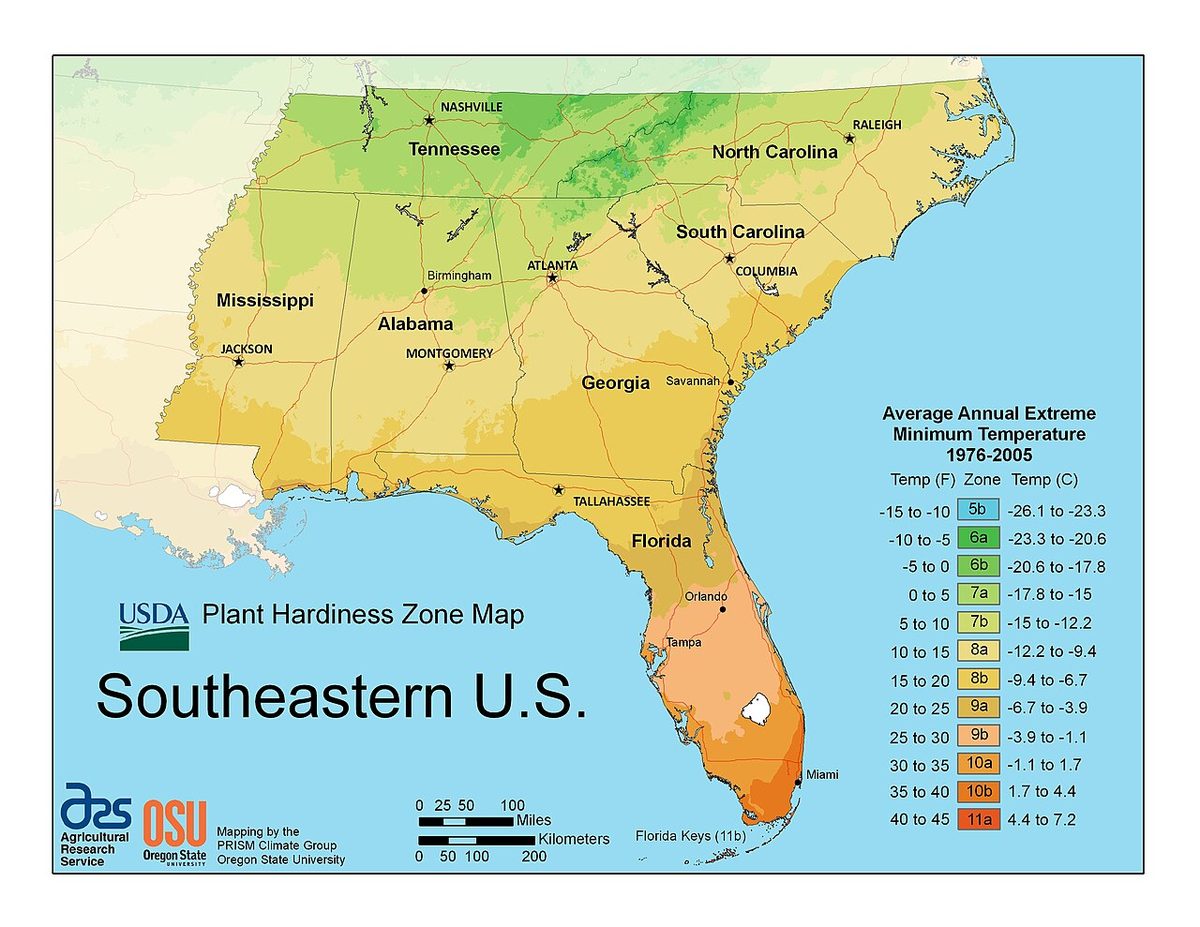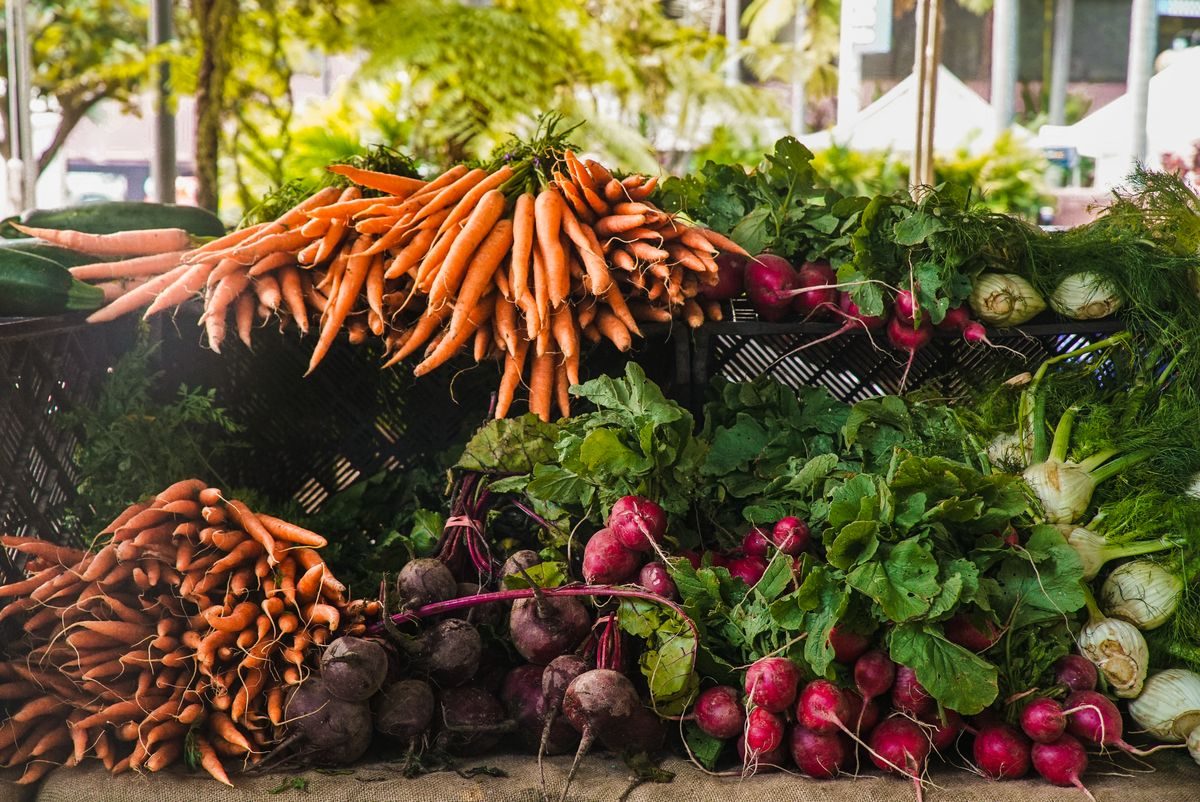
Carrots, beets, radishes and parsnips all grow underground, so loose soil matters more than anything. The root vegetables worth growing, and how to grow each one. It sounds specialist, but like most gardening it comes down to a few fundamentals done in the right order — this guide walks through them one at a time, with the timings and quantities that actually matter.
What you will need
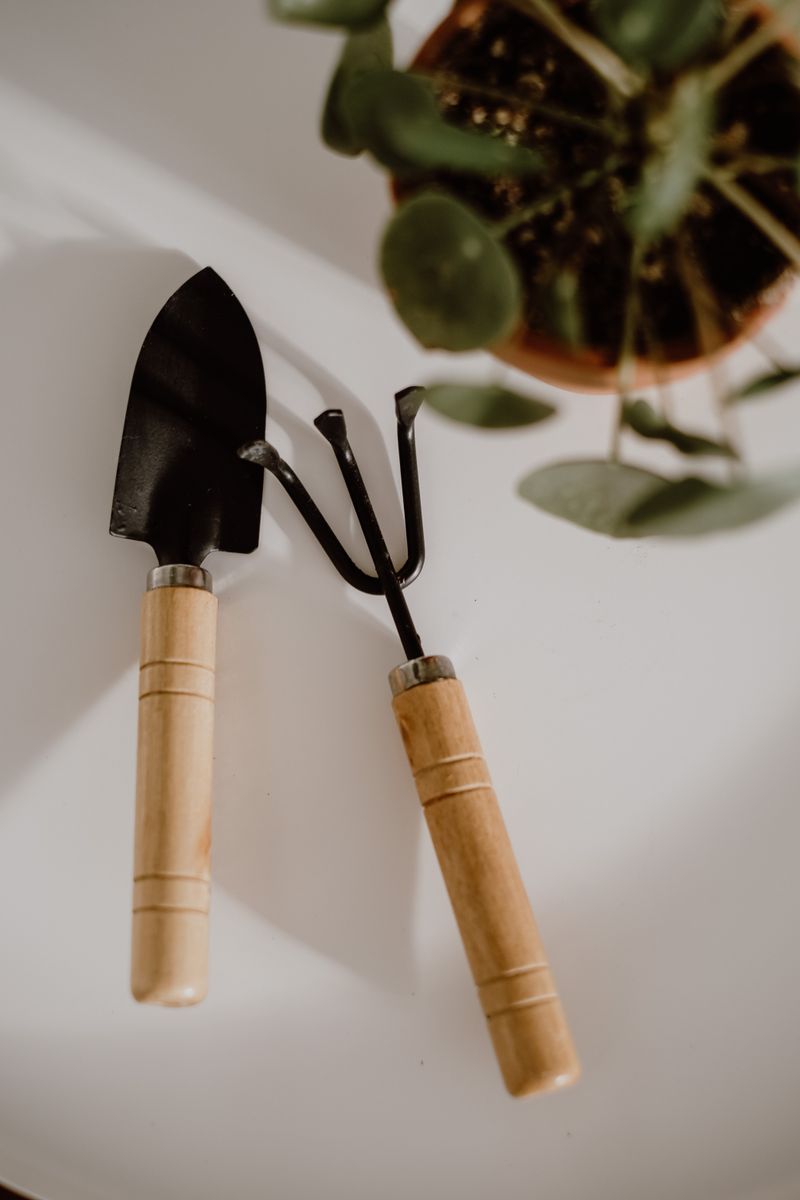
- A fork for deep, stone-free soil
- Fine, crumbly seedbed soil
- Seed of carrots, beets, radishes or parsnips
- A watering can with a fine rose
- Mulch for the surface
- Labels — seedlings all look alike
Step by step
Step 1
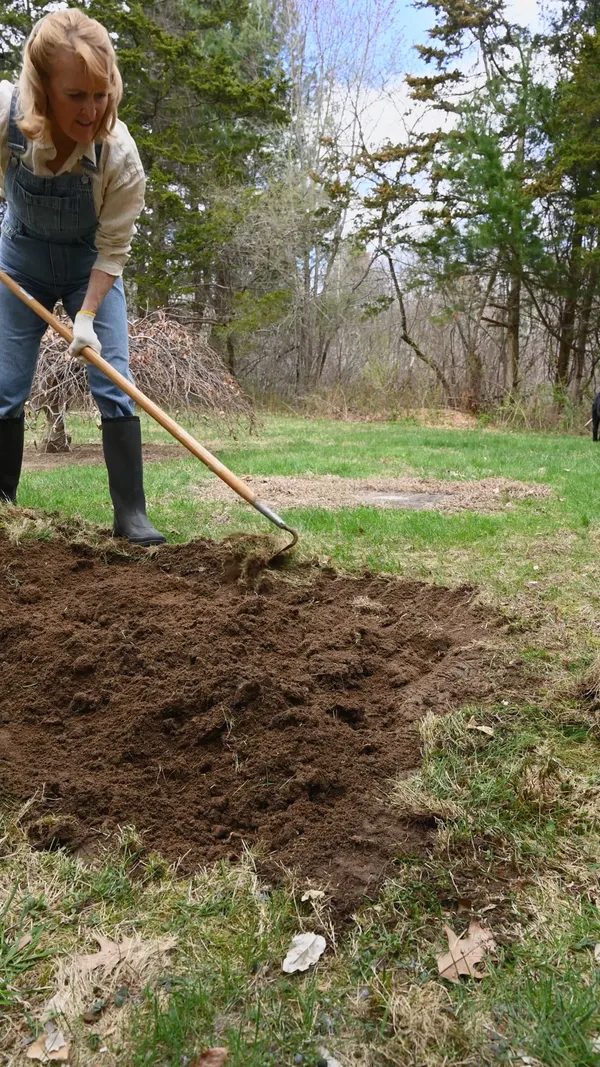
Prepare the bed by forking deeply and removing every stone and clod — roots fork and stunt in compacted or stony soil, so loose ground matters more than feeding.
Step 2
Sow to the season, not the packet’s optimism: hardy roots go in as soon as the soil can be worked, and tender roots wait for reliably warm nights.
Step 3
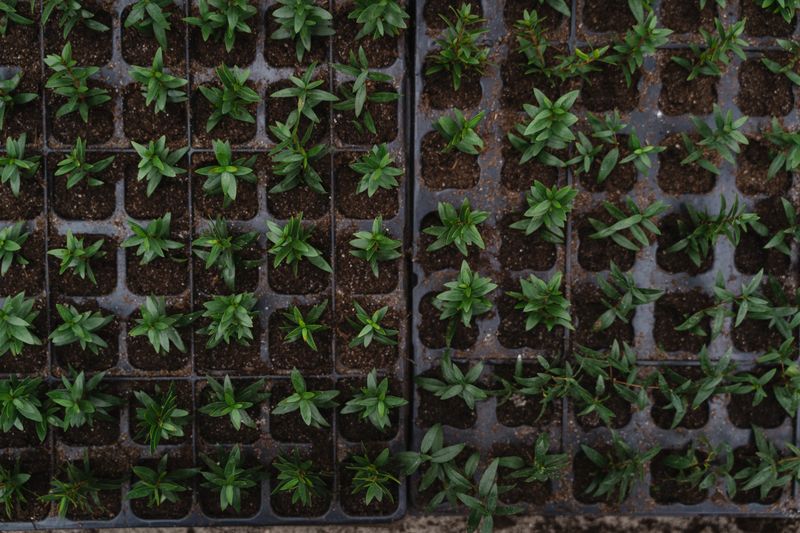
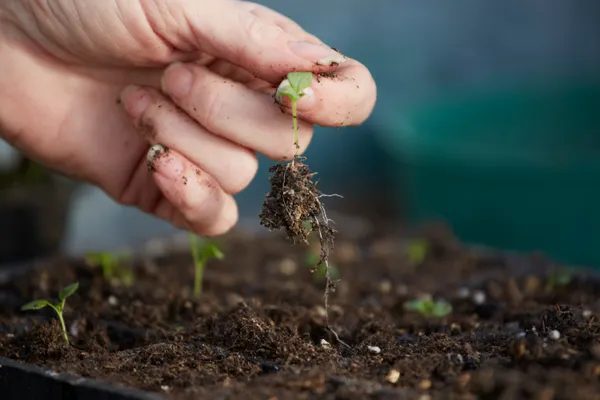
Thin seedlings bravely to the final spacing, pinching out the weakest and leaving one strong seedling — crowded roots never size up.
Step 4
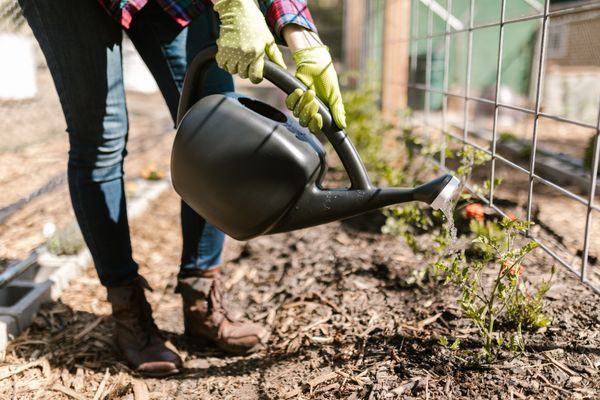
Water in well and mulch the surface, keeping mulch off the crowns — even moisture stops roots splitting and keeps the shoulders from greening.
Step 5
Work through the rows twice a week, checking the foliage and pulling roots as they reach a usable size — steady harvesting leaves room for the rest to keep swelling.
Expert tip
Write down the date you do this. Gardening advice is full of ‘weeks later’ — and the gardeners who improve fastest are the ones who can check what ‘later’ actually was.
Common mistakes
Watch out for
- Sowing into stony or freshly manured soil — roots fork and split.
- Skipping thinning — crowded roots stay thin no matter how long you wait.
- Letting the seedbed dry out — germination fails and roots split after the next soaking.
Keep exploring this topic with How to Start a Vegetable Garden, or browse the full Vegetable Gardening section.
Frequently asked questions
Why are my carrots forked?
Usually stones, clods or fresh manure in the soil. Fork the bed deep, remove debris, and use compost that is fully rotted — never fresh manure for roots.
When do I harvest root vegetables?
Pull a few as soon as they reach a usable size and let the rest keep swelling. Most roots sweeten after light frost, but lift before the ground freezes hard.