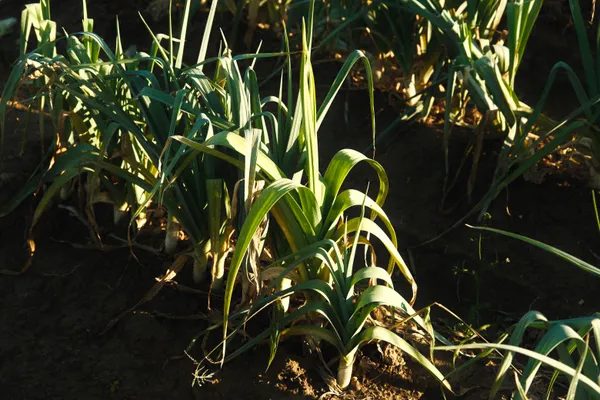
Leeks, kale, winter roots and salads that shrug off frost — sown in summer, eaten in the dark months. It sounds specialist, but like most gardening it comes down to a few fundamentals done in the right order — this guide walks through them one at a time, with the timings and quantities that actually matter.
What you will need
- A wall calendar or notes app
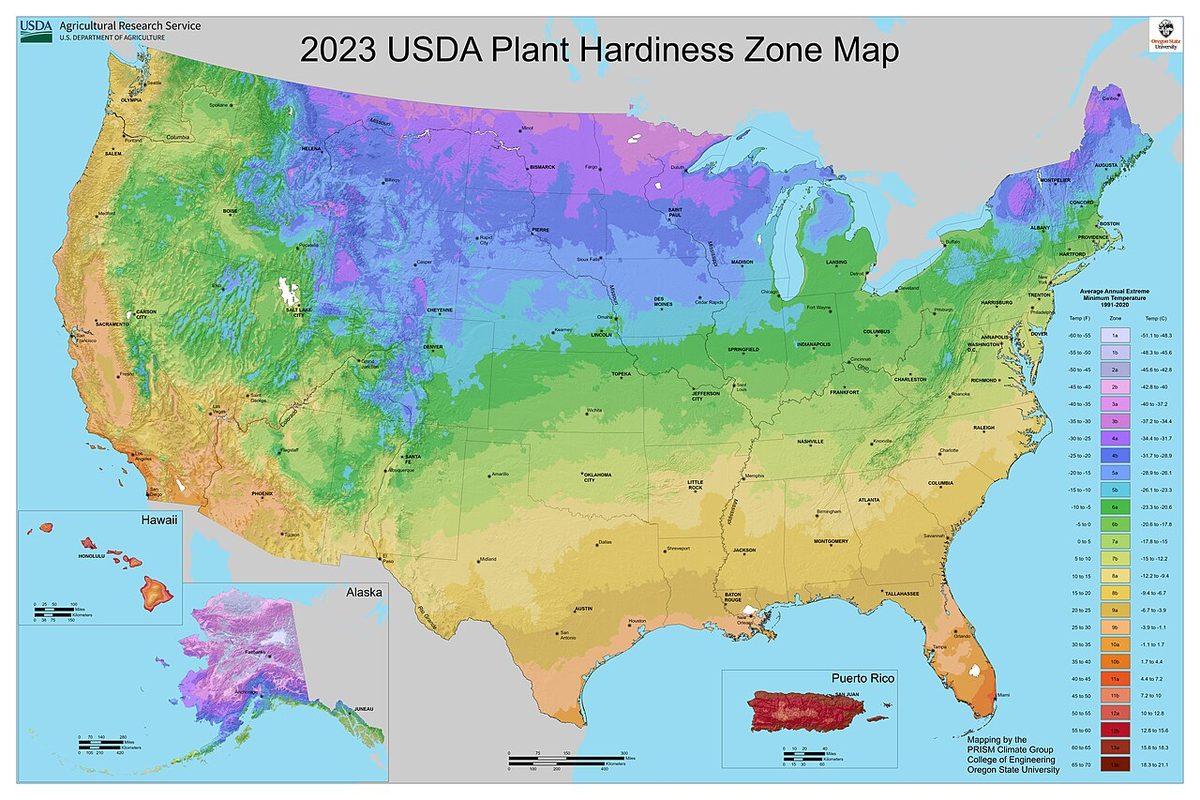
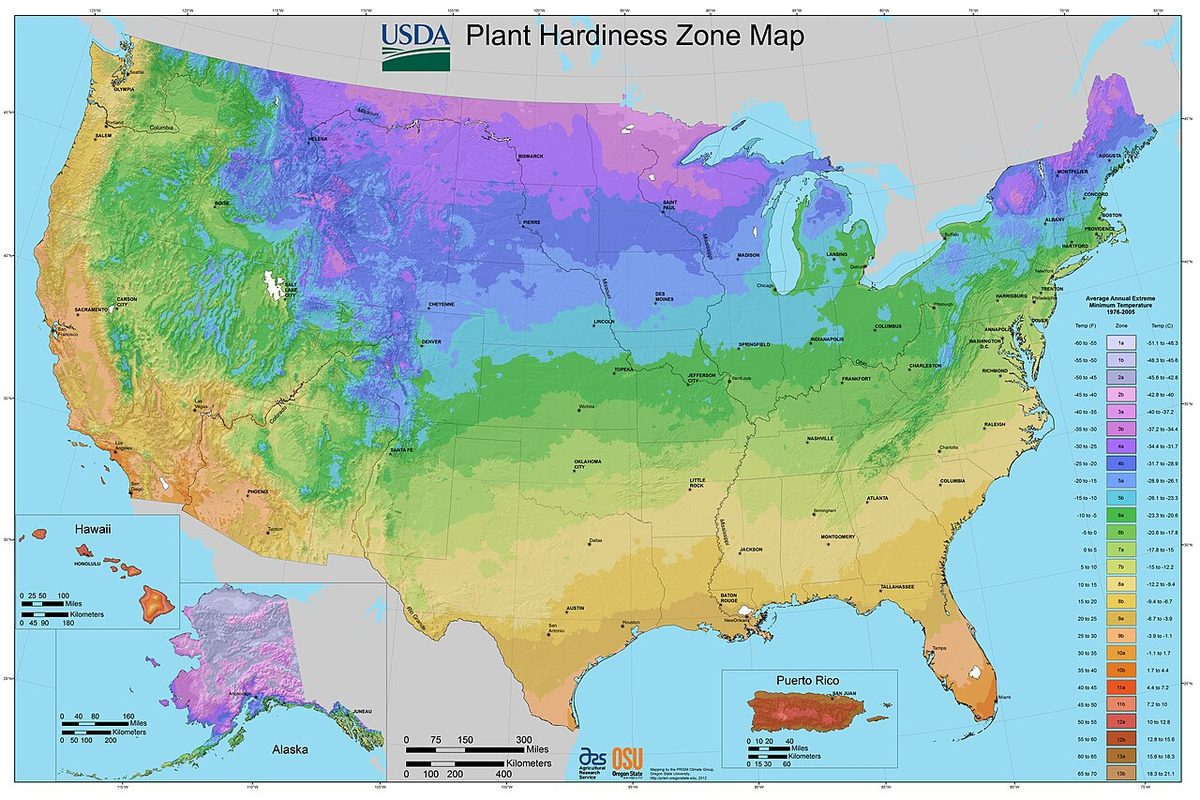
- Your zone’s frost dates
- Seed packets sorted by sowing month
- A running list of garden jobs
Step by step
Step 1
At the season’s start, list the five jobs that cannot slip — sowing windows and harvest deadlines first.
Step 2
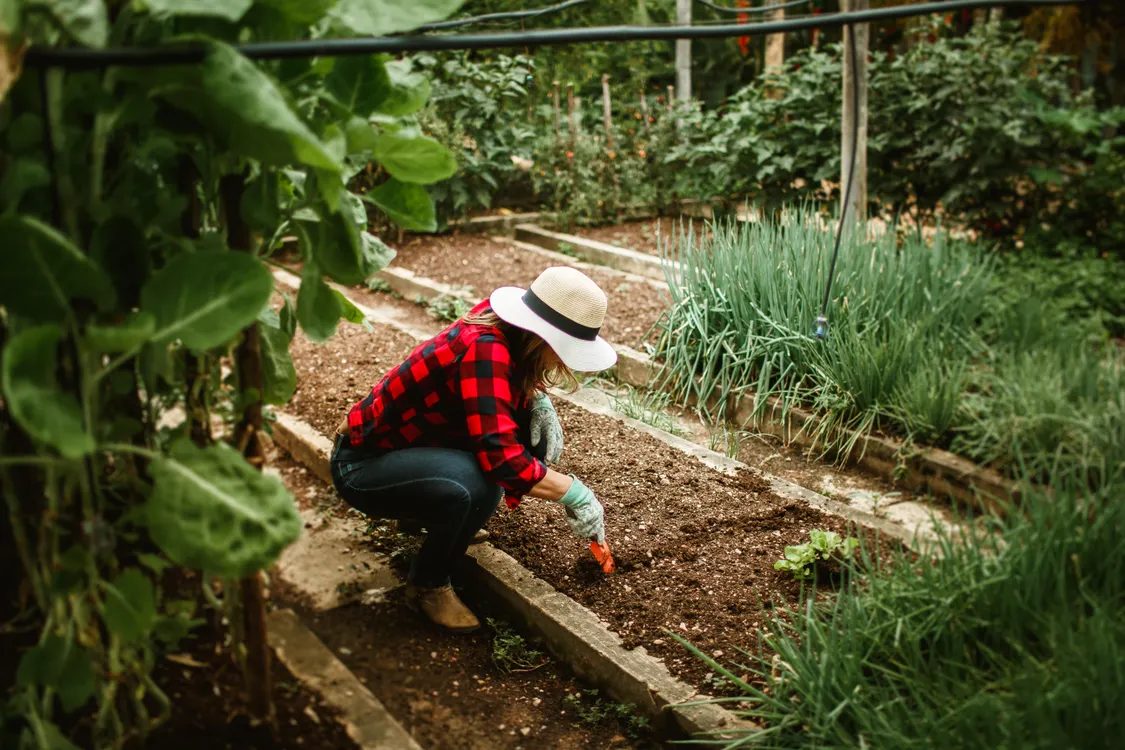
Work in weekly rounds: sow, plant, feed, prune, harvest.
Step 3
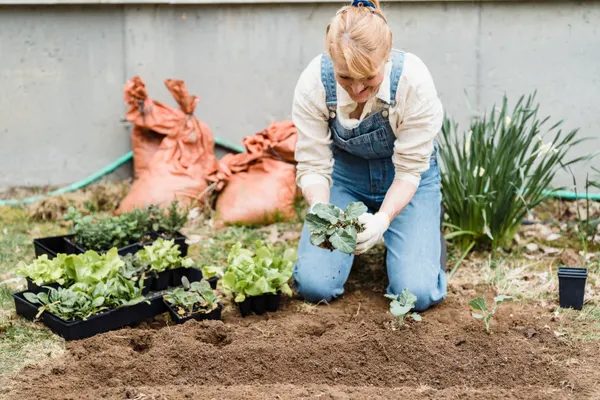
Use gaps as they appear; a harvested bed is next season’s opportunity.

Step 4
Record what worked with dates — your own calendar beats any book.
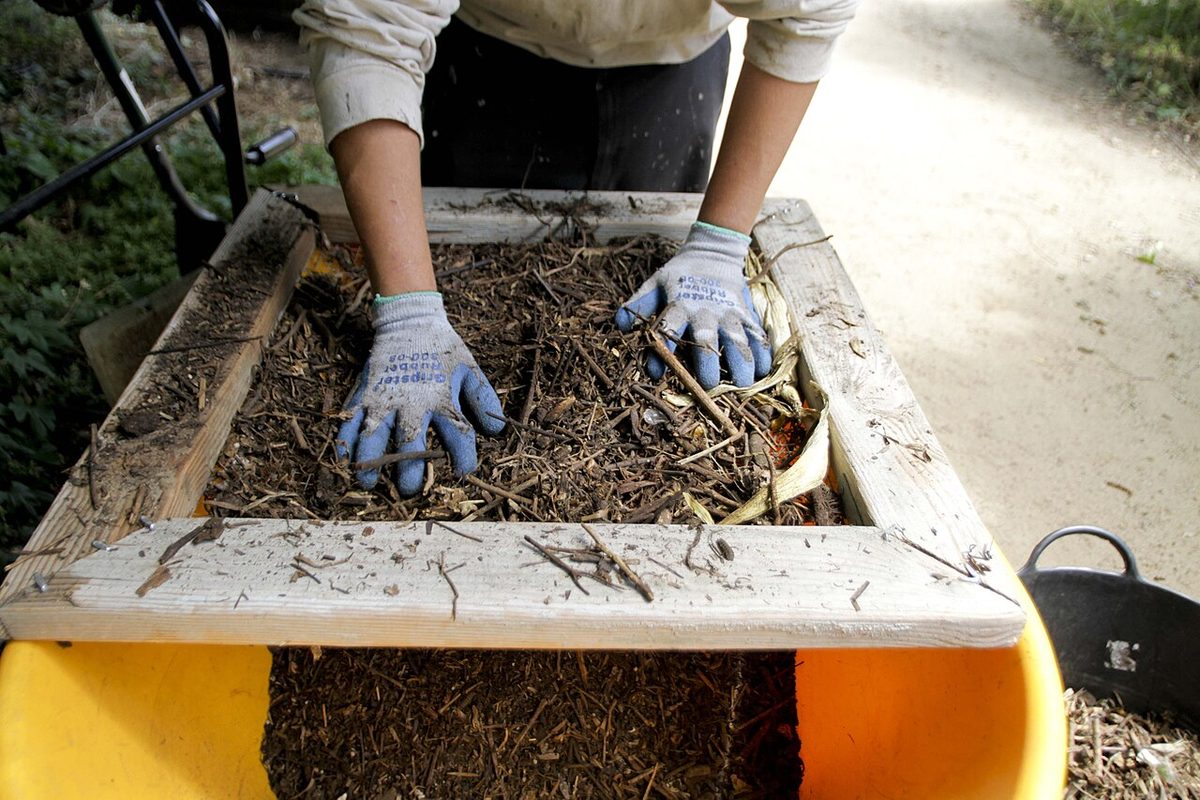
Step 5
Finish the season by feeding the soil, not just clearing it.
Expert tip
Write down the date you do this. Gardening advice is full of ‘weeks later’ — and the gardeners who improve fastest are the ones who can check what ‘later’ actually was.
Common mistakes
Watch out for
- Following generic month-by-month lists written for another climate.
- Letting one glut crop take the whole bed for the whole season.
- Stopping in August — autumn and winter crops are sown then.
Keep exploring this topic with Month-by-Month Planting Calendar: What to Plant and When, or browse the full Seasonal Gardening section.
Frequently asked questions
What can I sow right now?
Check the seasonal lists: spring for hardy crops, August for fast roots and greens, autumn for garlic and broad beans in mild zones.
How do I keep the garden going in winter?
Structure and stored crops: winter vegetables, indoor flowers and a tidy, compost-fed soil ready for spring.