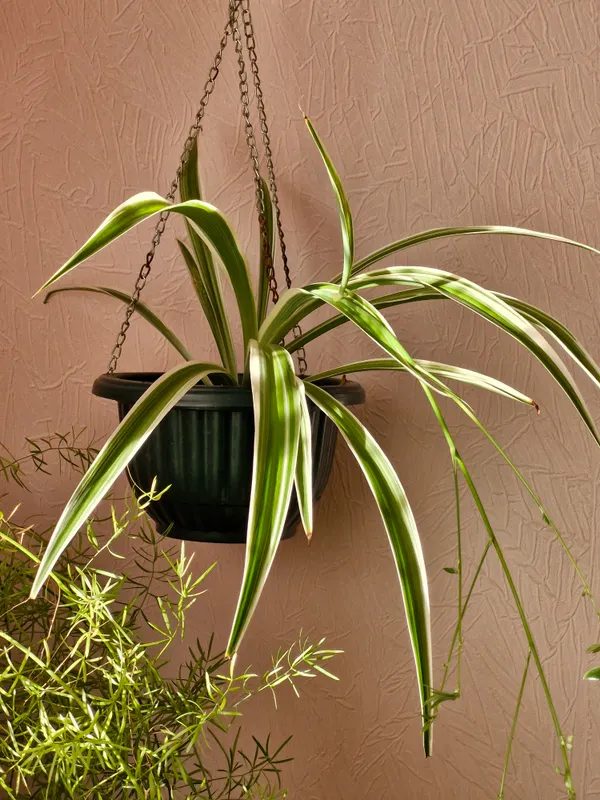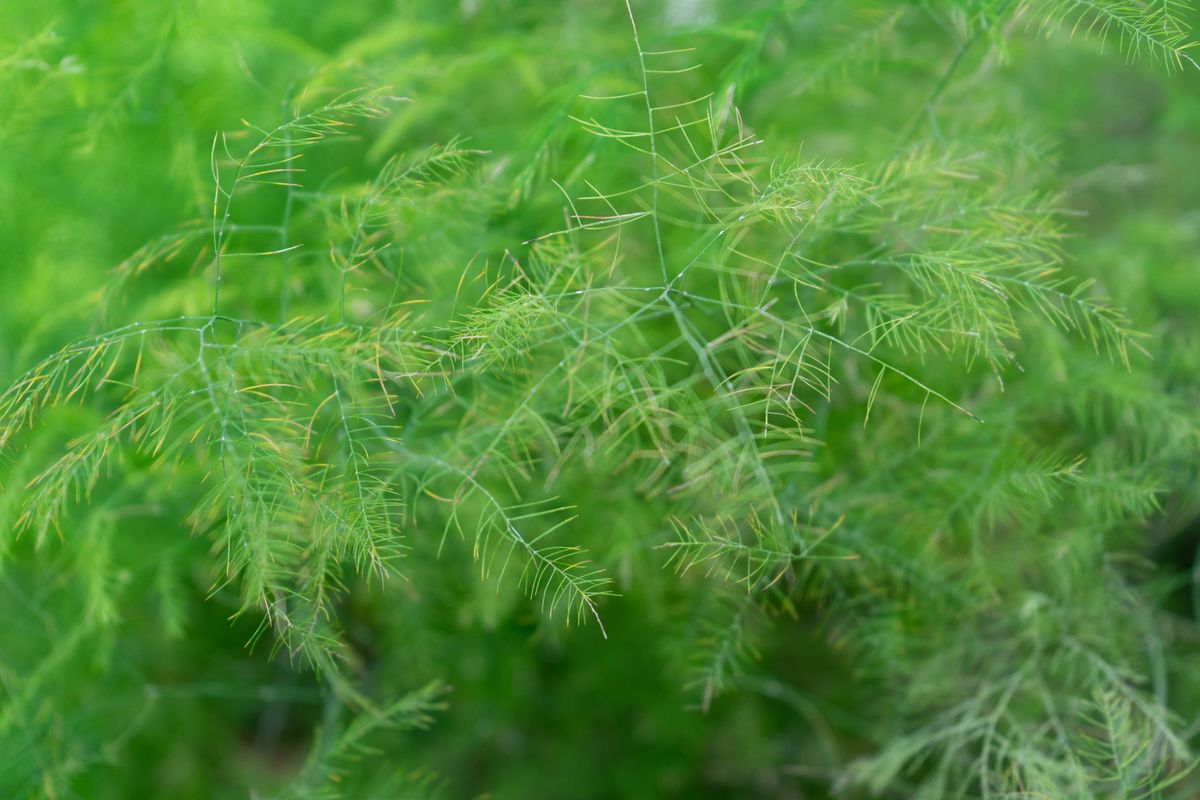
Asparagus ferns are not ferns at all, and they forgive a lot — but yellow fronds mean something is off. The light, water and trim routine that keeps one full. It sounds specialist, but like most gardening it comes down to a few fundamentals done in the right order — this guide walks through them one at a time, with the timings and quantities that actually matter.
What you will need
- An asparagus fern in a pot with drainage holes
- Free-draining houseplant compost
- A watering can with a narrow spout
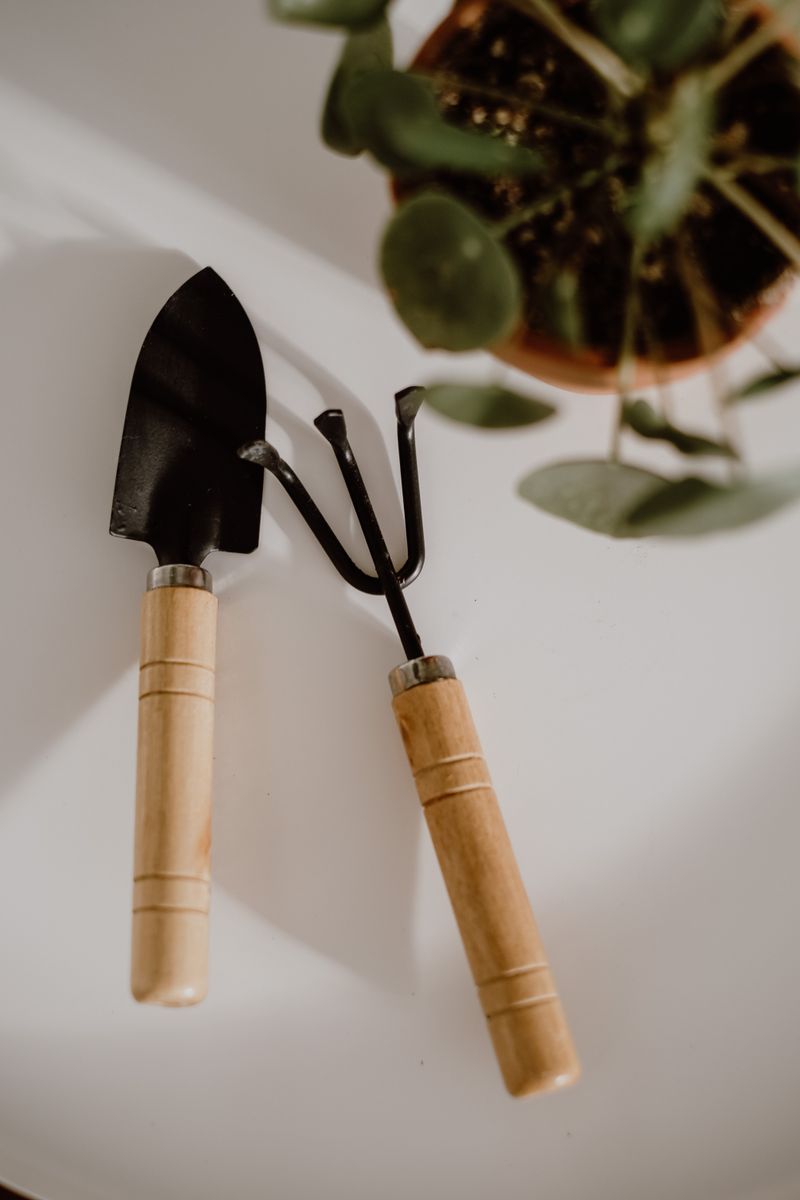
- Sharp scissors or snips for trimming
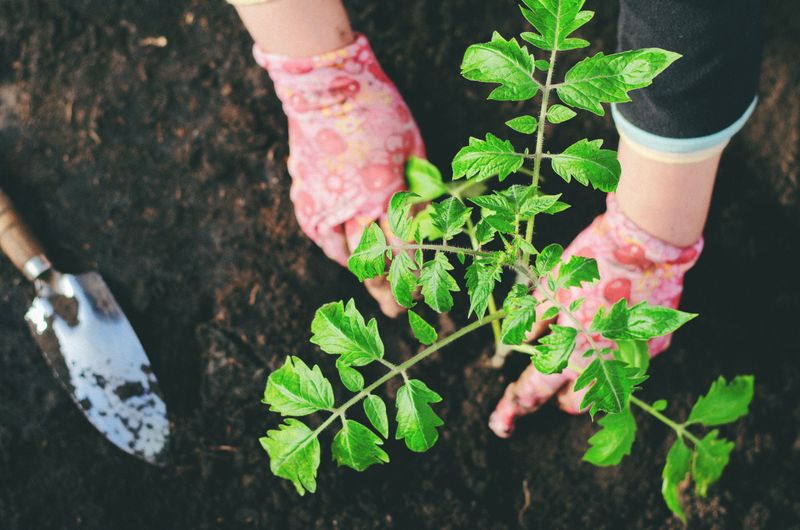
- Gloves — the stems carry small thorns
- Liquid feed for the growing season
Step by step
Step 1
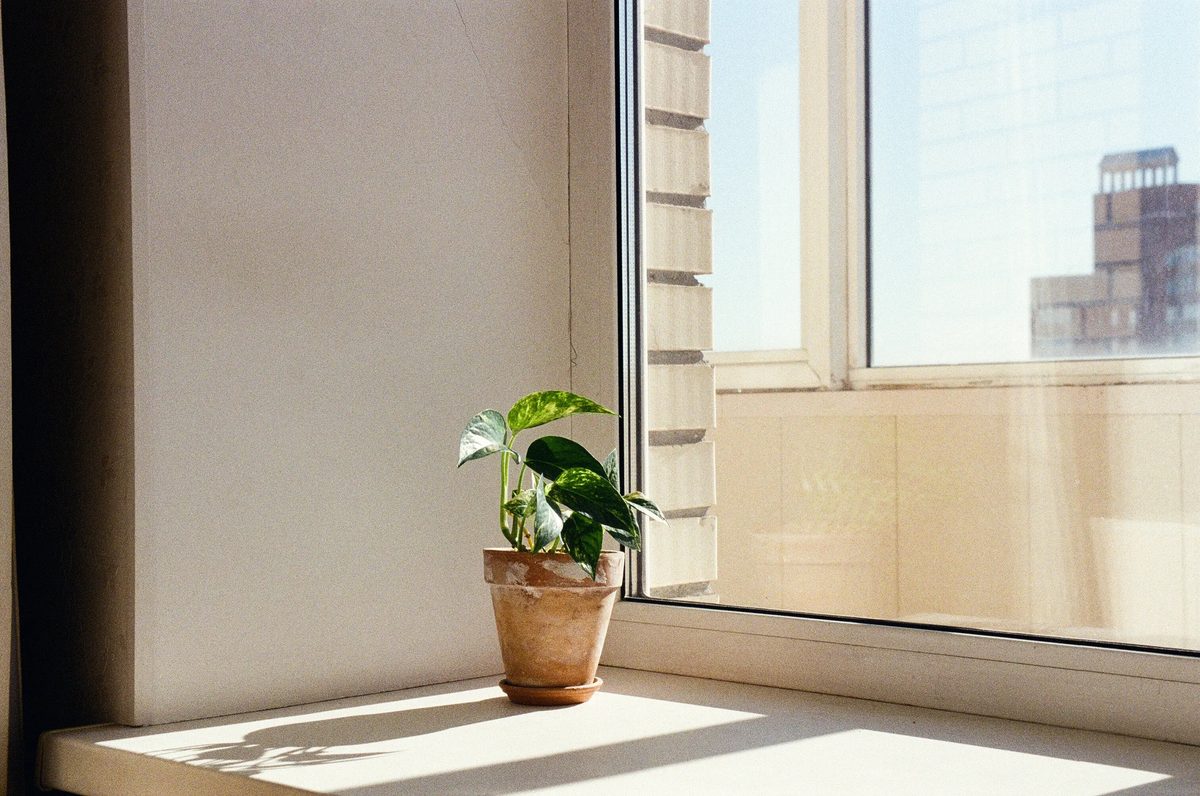
Match the plant to your light first — asparagus ferns want bright indirect light, and most failures are light failures: too dark and the fronds yellow and drop, too much direct sun and they scorch.
Step 2
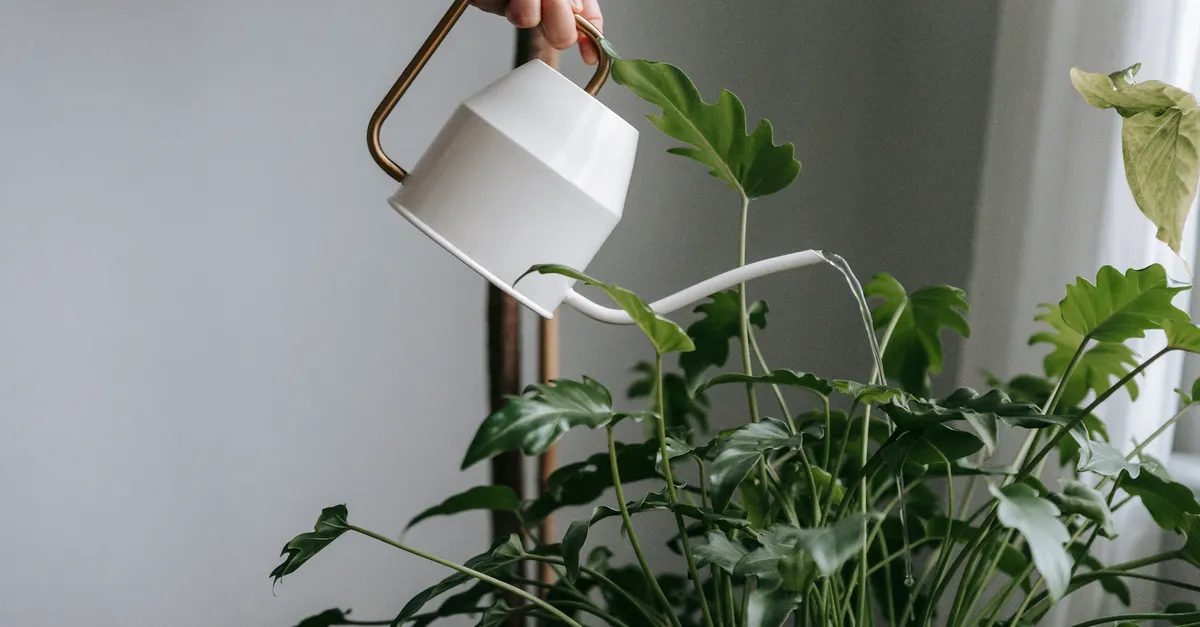
Water by the soak-and-dry method: drench, drain fully, and never leave the pot standing in water — asparagus ferns store water in tuberous roots, so soggy soil rots them faster than drought.
Step 3
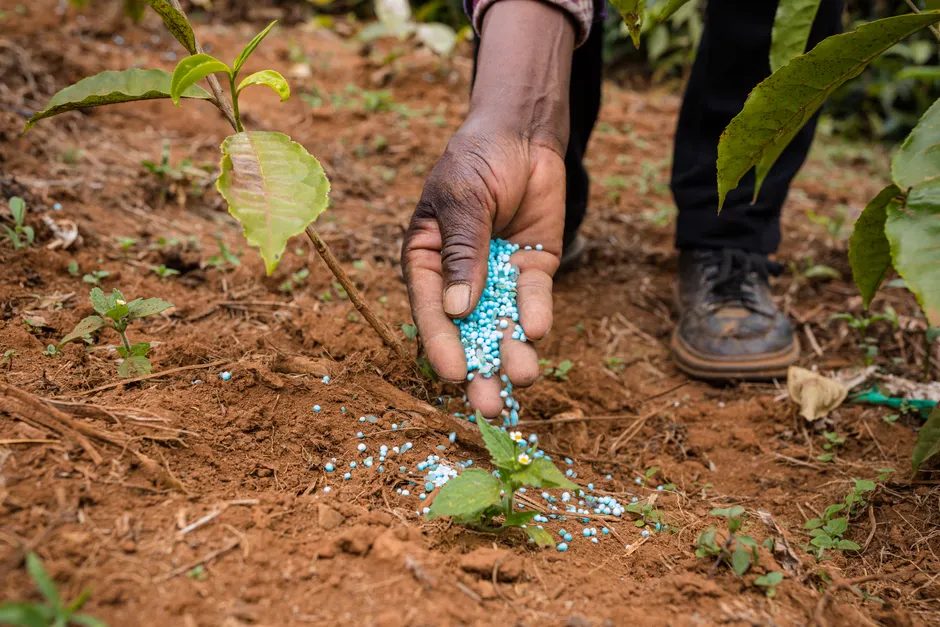
Feed monthly from spring to early autumn; stop in winter when growth pauses — a little balanced liquid feed keeps the fronds green, but overfeeding burns the fine foliage.
Step 4
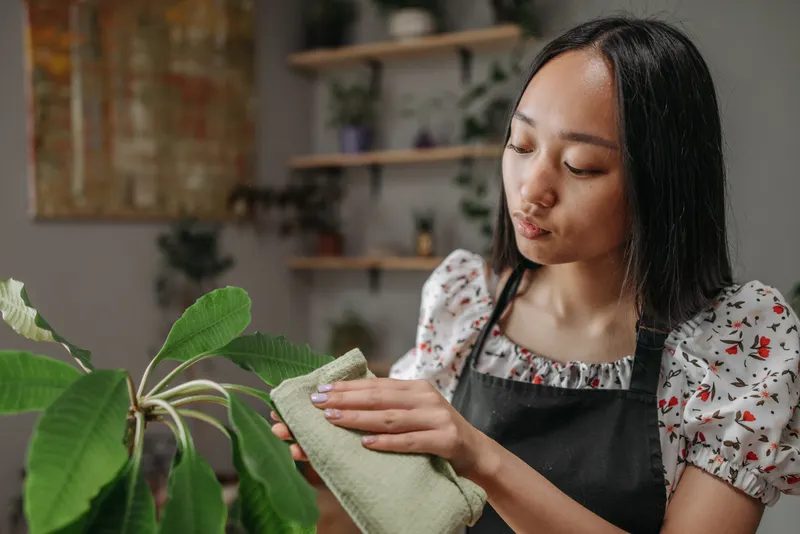
Wipe the fronds gently or rinse them monthly so dust does not dim the light the plant lives on — dusty cladodes photosynthesize poorly, and a clean plant stays fuller.
Step 5
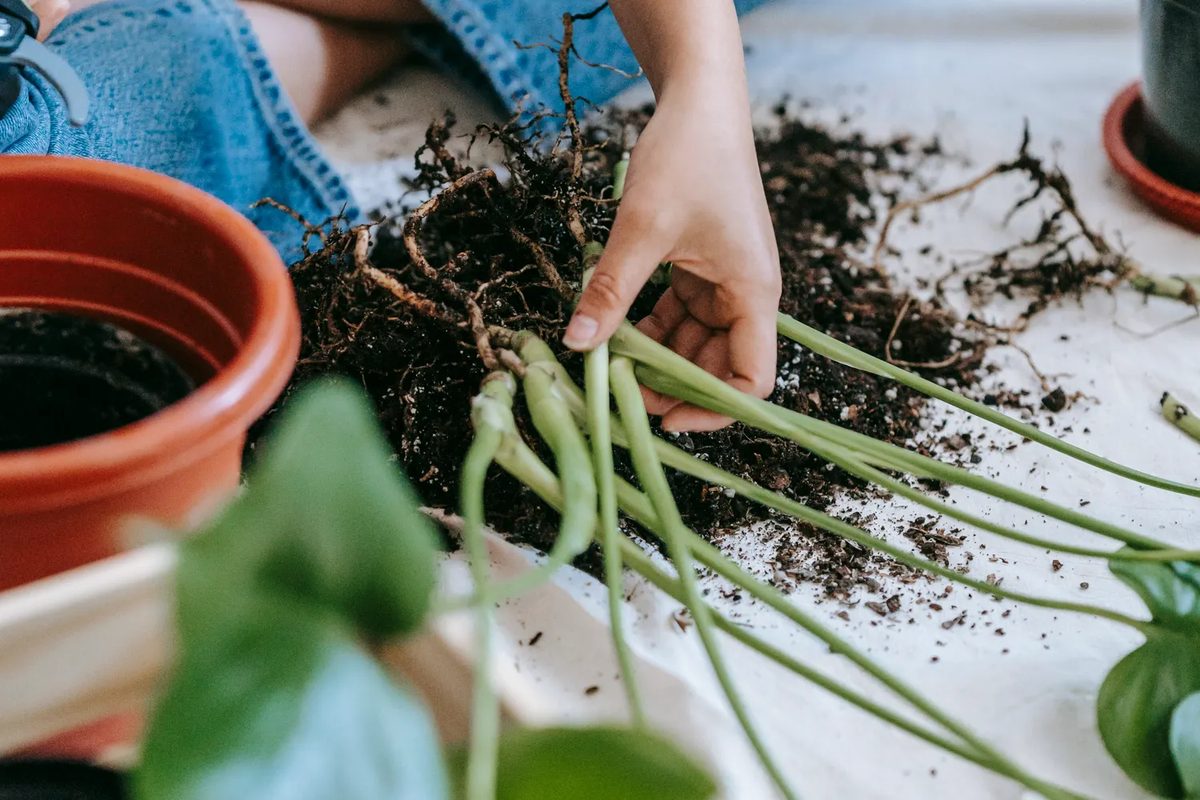
Repot one size up when roots circle the drainage hole or push the plant out of its pot, ideally in spring — asparagus ferns are vigorous rooters and a pot-bound plant yellows no matter how well you water it.
Expert tip
Write down the date you do this. Gardening advice is full of ‘weeks later’ — and the gardeners who improve fastest are the ones who can check what ‘later’ actually was.
Common mistakes
Watch out for
- Watering on a fixed schedule instead of checking the soil — the tuberous roots want a dry-out between waterings.
- Misting instead of raising real humidity — misting wets the fine foliage and invites rot; a pebble tray or grouping plants works better.
- Cutting back yellow fronds at the base before checking the cause — yellowing is usually light or water, and trimming hides the warning instead of fixing it.
Keep exploring this topic with How to Grow Flowers Indoors, or browse the full Houseplants & Indoor Care section.
Frequently asked questions
Why is my asparagus fern turning yellow?
Usually too little light, or soil that stays wet. Move it to brighter indirect light, let the top inch of mix dry between waterings, and snip off only the fully yellow fronds.
Is asparagus fern safe around pets?
No — the red berries are toxic if eaten, and the stems have small thorns. Keep it out of reach of cats, dogs and small children, and pick the berries off while they are green.