Lima beans — butter beans — are the warm-weather bean that keeps producing all summer once it climbs. Give it a trellis, warm soil and patience, and it rewards you with pods for months. It sounds specialist, but like most gardening it comes down to a few fundamentals done in the right order — this guide walks through them one at a time, with the timings and quantities that actually matter.
What you will need
- Lima bean seed, pole or bush type to suit your space
- A sunny bed with rich, free-draining soil
- A trellis, poles or fence for pole types to climb
- Compost for the planting hole
- Mulch to hold summer moisture
- A watering can or hose for dry spells
Step by step
Step 1
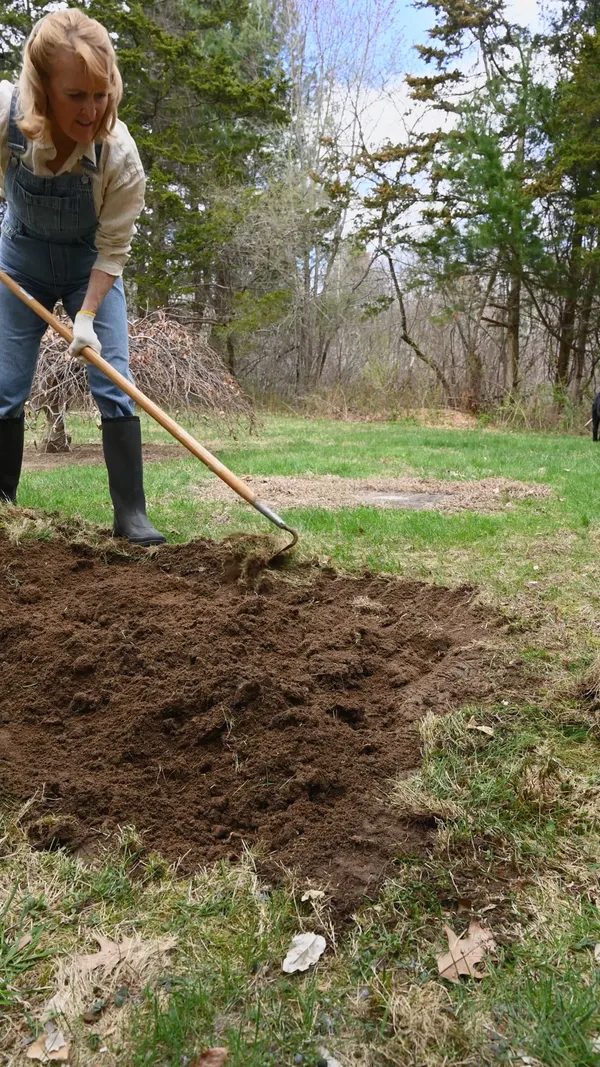
Prepare the bed first: clear the weeds and fork in 2 inches of compost — lima beans are hungry climbers, and a rich, loose bed is what keeps them cropping for months instead of stalling after the first pods.
Step 2
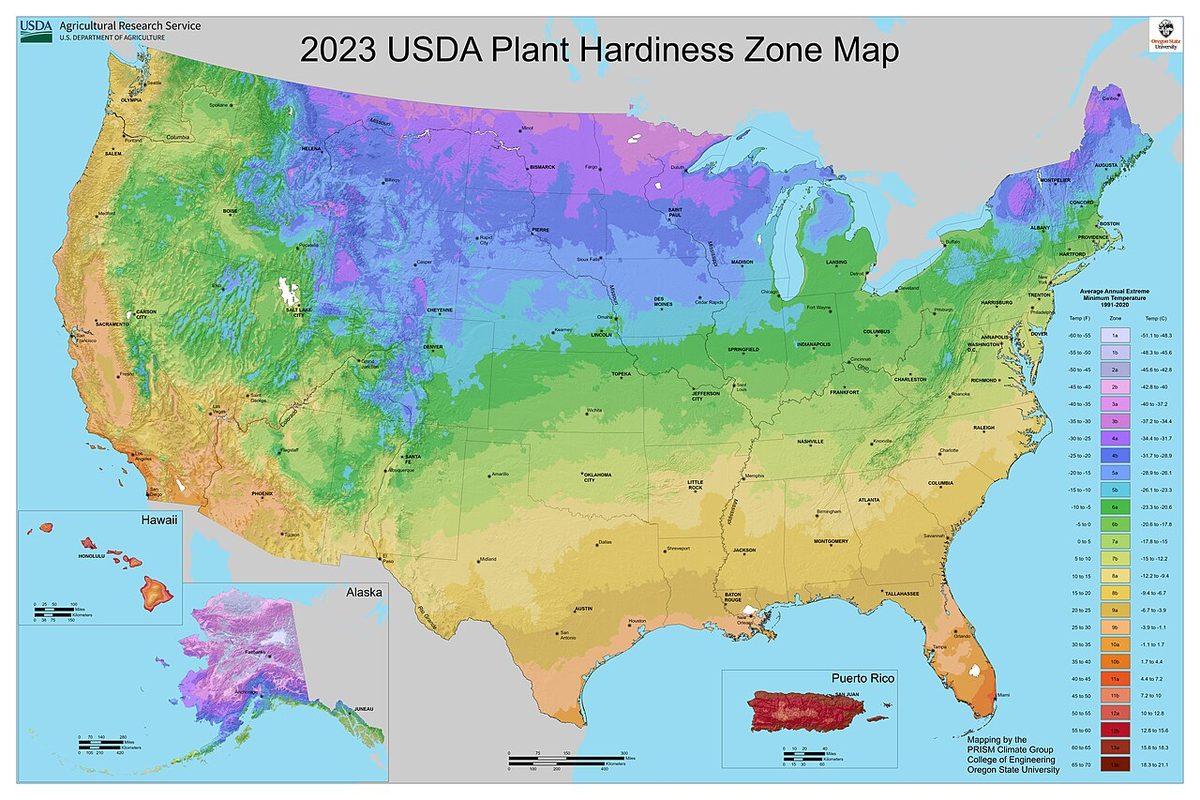
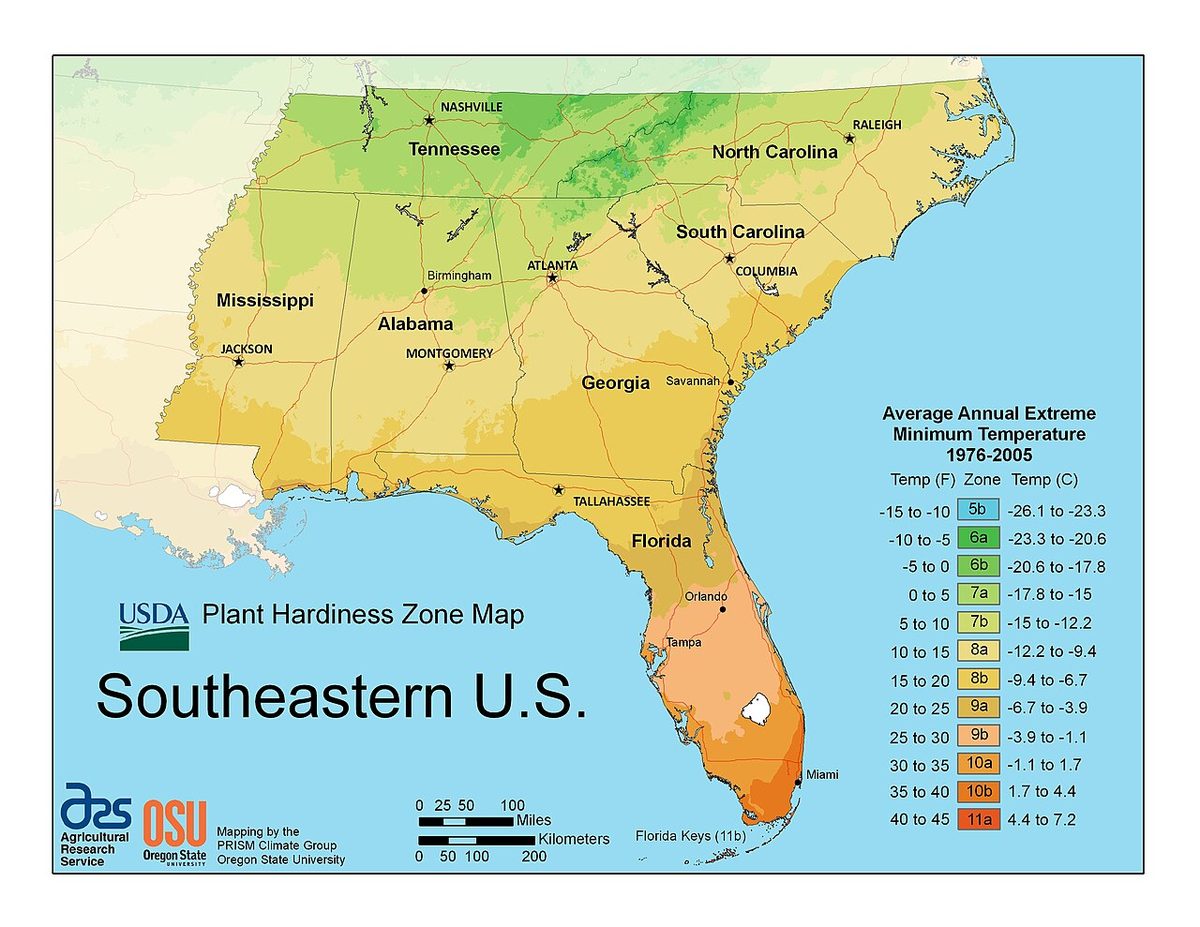
Wait for warm soil — lima beans rot in cold, wet ground, so sow only once the soil is reliably above 65°F and all frost is past; in most zones that means two to three weeks after the last frost date.
Step 3
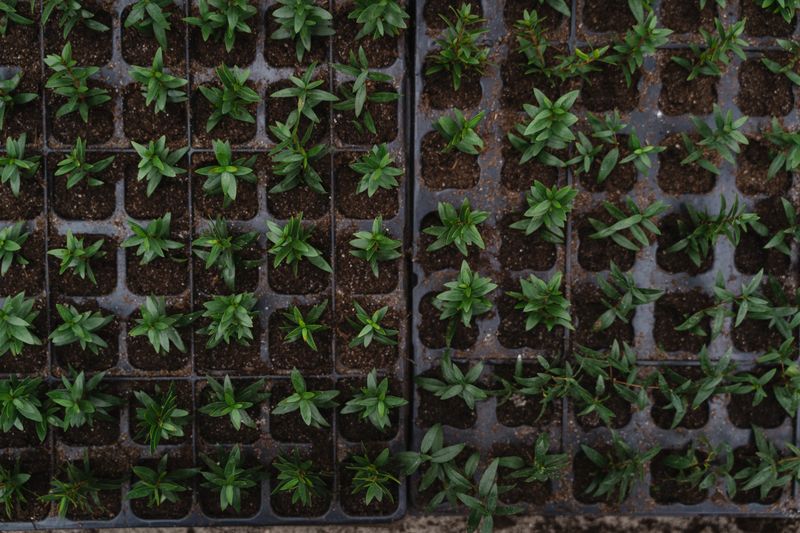
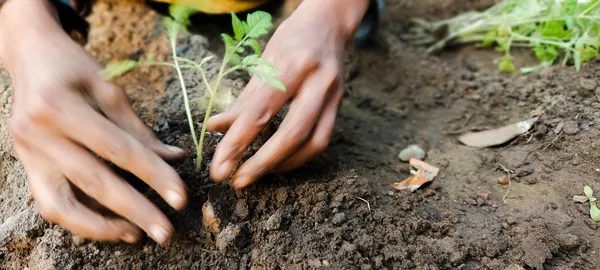
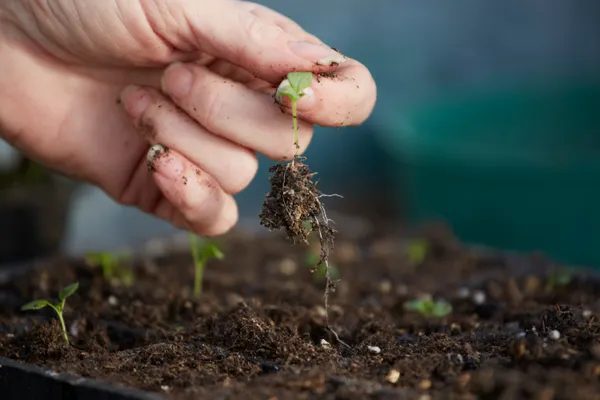
Sow pole types 6 inches apart at the foot of the trellis and bush types 4 inches apart in rows 2 feet apart, planting each seed an inch deep — then thin to the strongest seedling per spot so the roots have room to feed a big plant.
Step 4
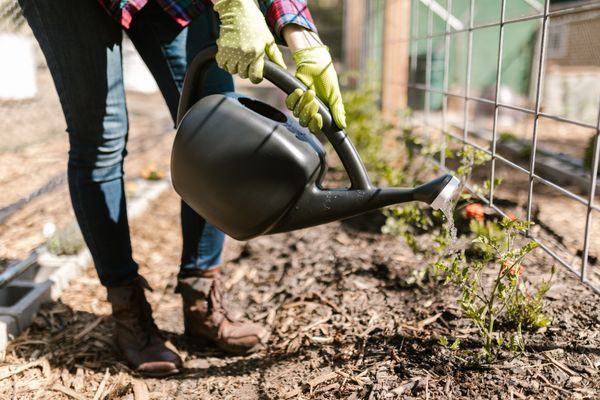
Water in well after sowing and mulch the surface, keeping mulch off the stems — lima beans need steady moisture while the pods fill, and a dry spell at flowering is what makes pods drop empty.
Step 5
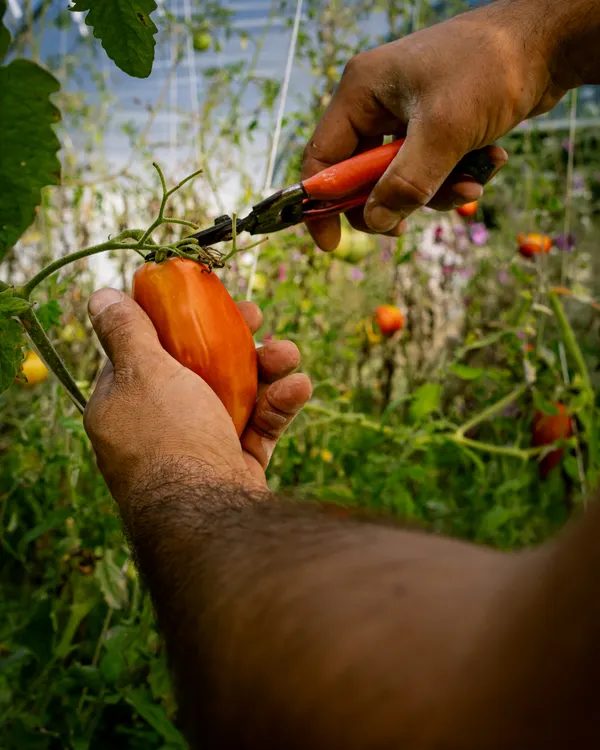
Feed lightly and inspect twice a week through summer; pick the pods little and often while they are plump and the beans inside are full — regular picking keeps the vine flowering and the pods coming.
Expert tip
Write down the date you do this. Gardening advice is full of ‘weeks later’ — and the gardeners who improve fastest are the ones who can check what ‘later’ actually was.
Common mistakes
Watch out for
- Sowing into cold soil — the seed rots before it sprouts; wait for warm soil, even if that means sowing later than your other beans.
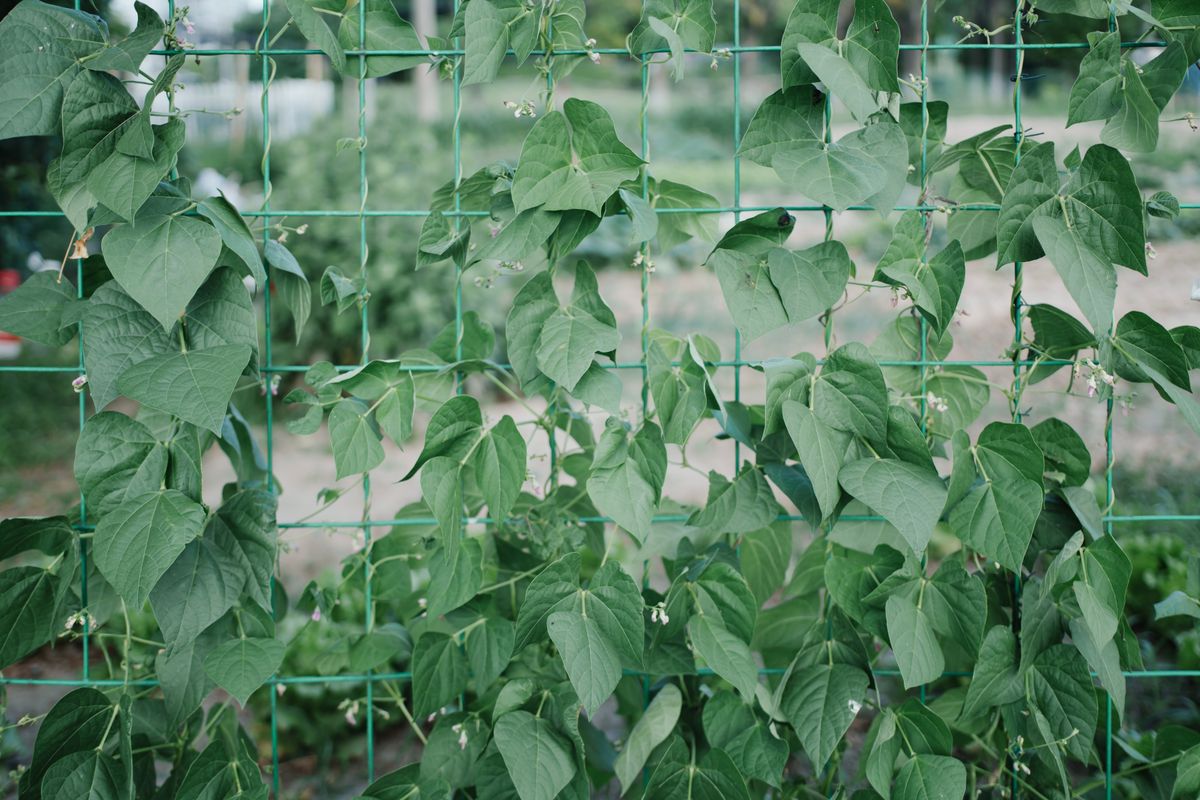
- Growing pole types without a trellis — the vines sprawl, tangle and mildew; a 6-foot trellis is part of the planting, not an extra.
- Letting pods dry on the vine while expecting fresh beans — pods left to harden tell the plant to stop flowering; pick young for fresh beans, leave a few to dry only if you want shelling beans.
Keep exploring this topic with How to Start a Vegetable Garden, or browse the full Vegetable Gardening section.
Frequently asked questions
Are lima beans and butter beans the same thing?
Yes — butter bean is the common name for the same plant, Phaseolus lunatus. Large-seeded types are usually sold as butter beans, small-seeded ones as lima beans, but they grow the same way.
How long do lima beans take to grow?
Bush types give pods in about 65 to 75 days from sowing; pole types take 75 to 90 days but keep producing for much longer. Pick pods when they feel full and the beans inside are plump.