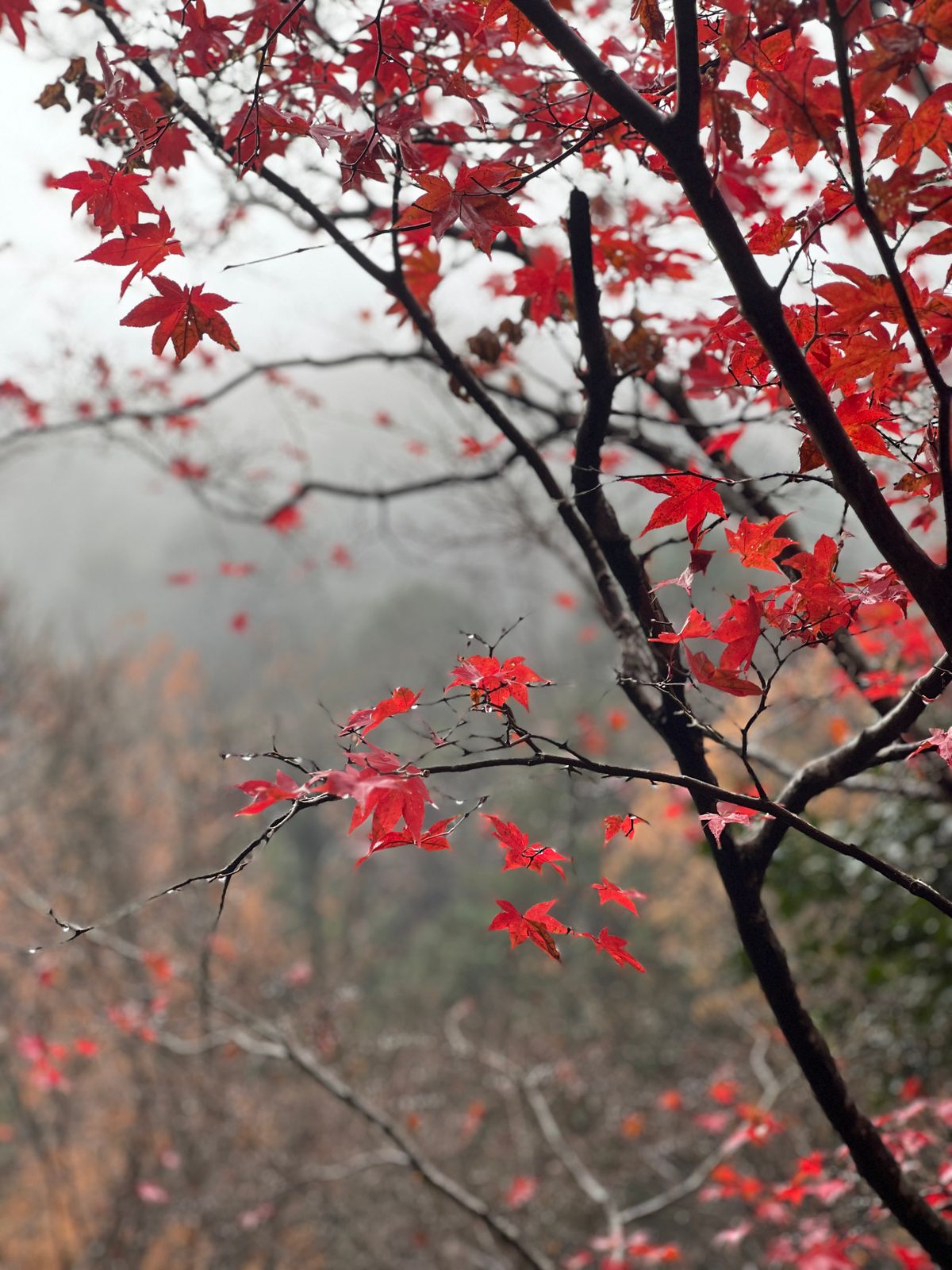
Japanese maples need very little food, and the wrong feed at the wrong time scorches their leaves. The slow-release routine that feeds the tree for months without burning it. It sounds specialist, but like most gardening it comes down to a few fundamentals done in the right order — this guide walks through them one at a time, with the timings and quantities that actually matter.
What you will need
- Slow-release granular fertilizer for trees or shrubs
- A watering can or hose for the root zone
- Mulch of bark or leaf mold
- Hand pruners for dead wood
- A tape measure or stick to find the drip line
- Gloves for handling the granules
Step by step
Step 1
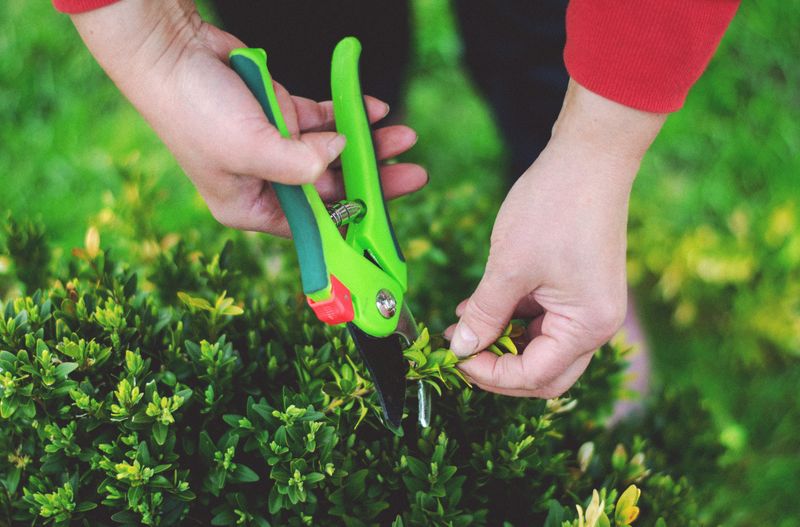
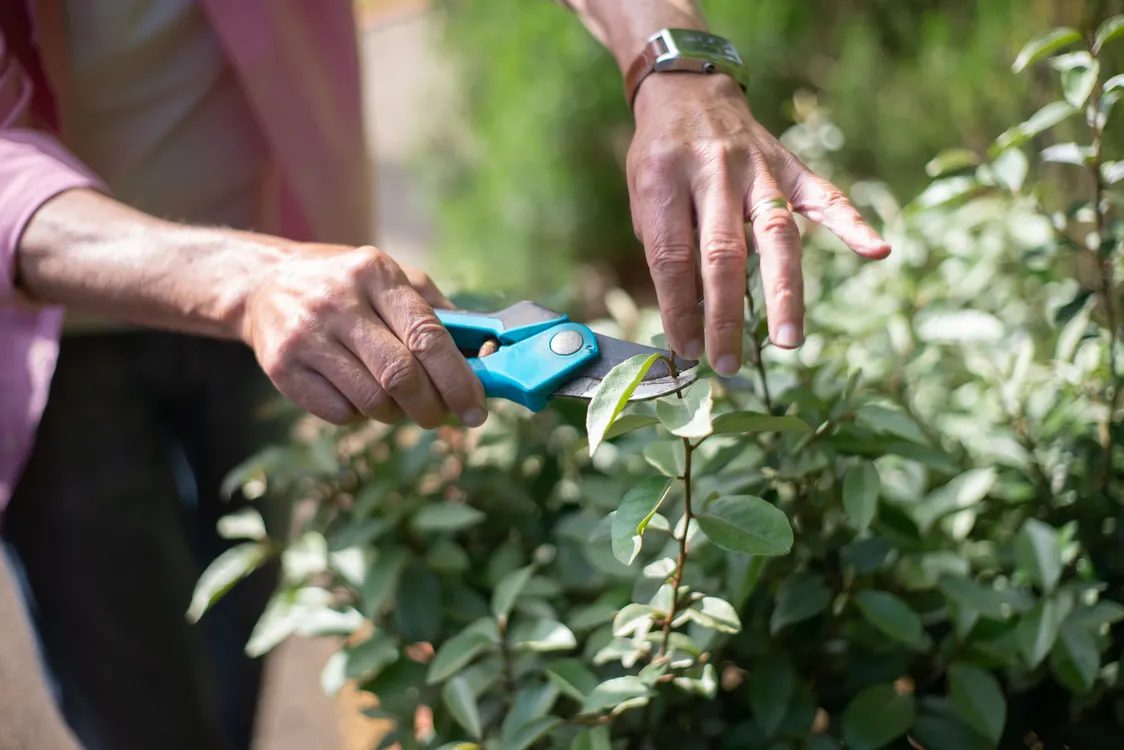
Prune out dead and crossing branches in late winter, before the feeding season starts — the tree puts the slow-release food into healthy wood, not into branches you will cut off anyway.
Step 2
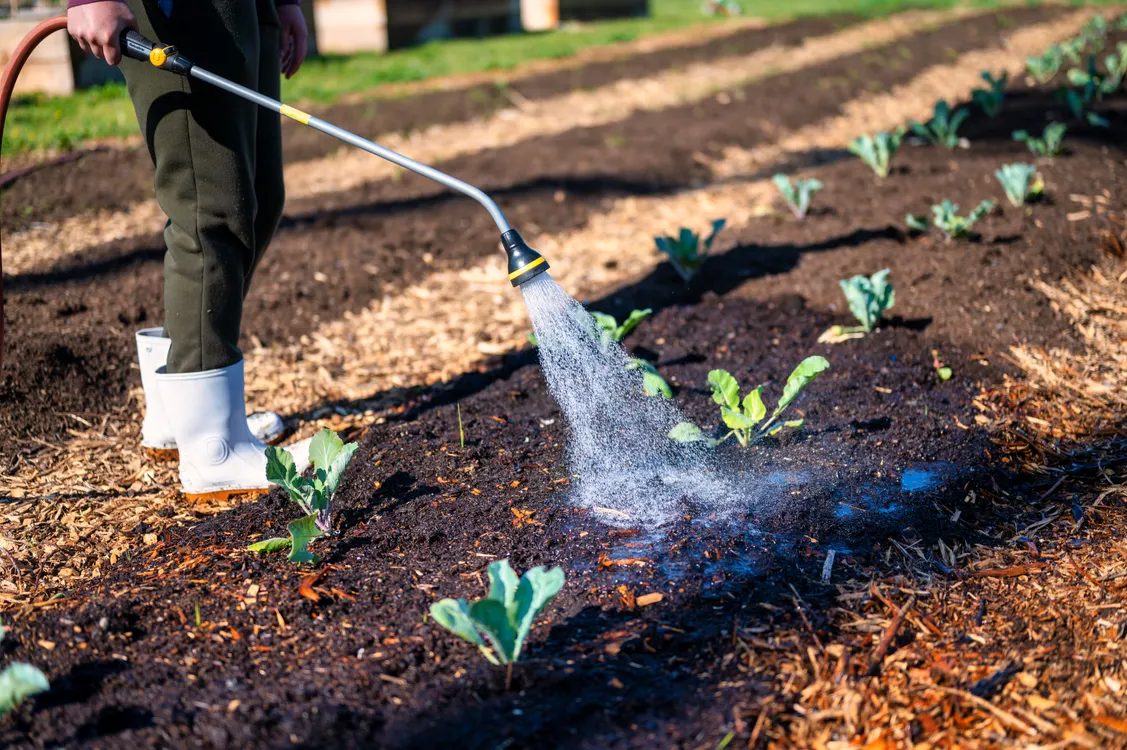
Water the root zone deeply the day before you feed, aiming at the roots — slow-release granules need damp soil to start working, and feeding a dry tree scorches the fine roots.
Step 3
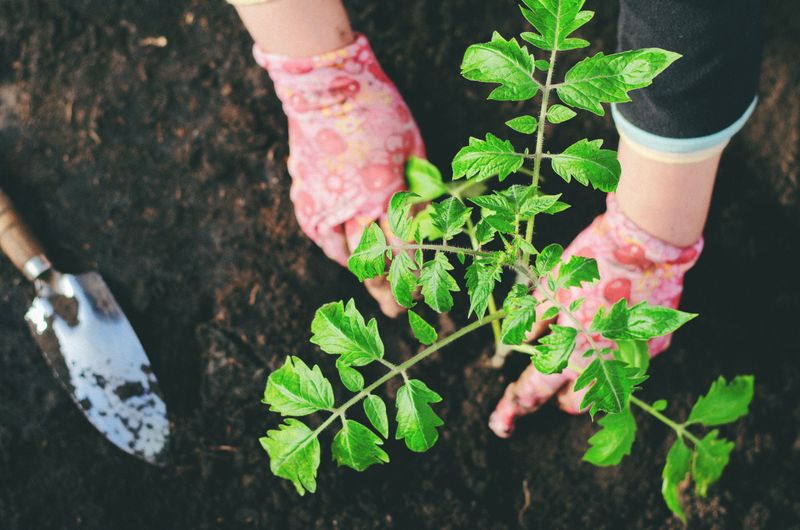
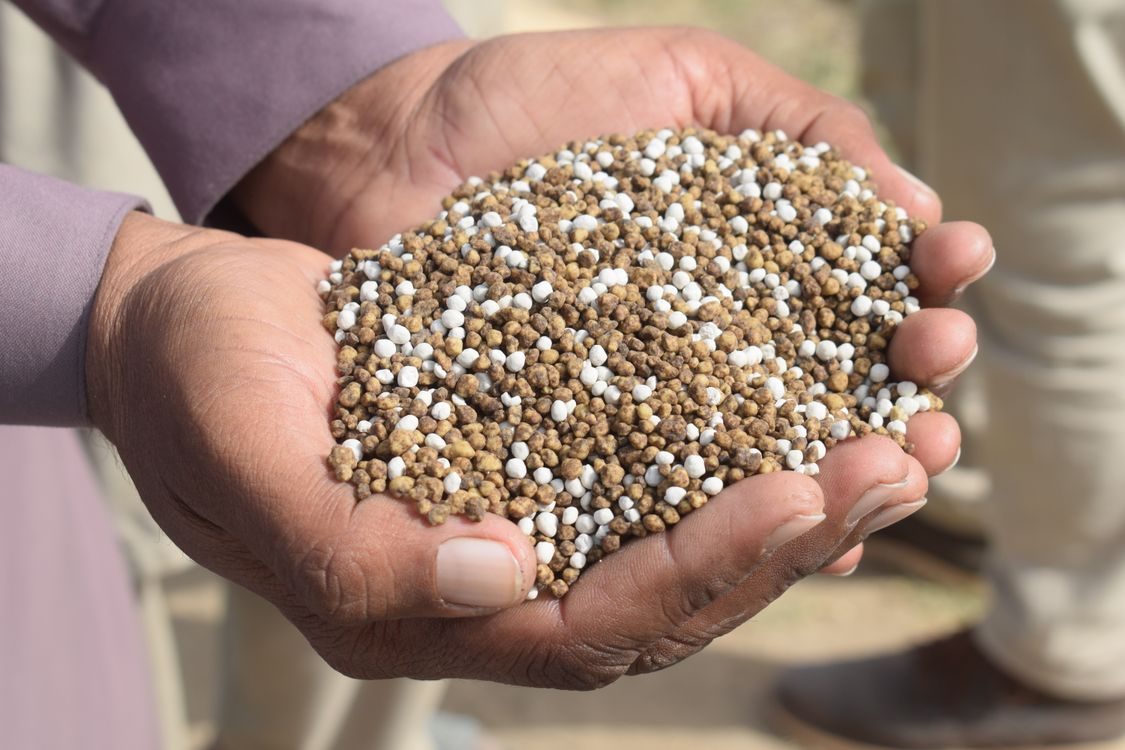
Feed in the growing season with a balanced slow-release fertilizer, scattering the granules around the drip line in early spring at the label rate — never pile them against the trunk, where they burn the bark.

Step 4
Inspect the leaves weekly through the season — scorched or curling leaf edges after feeding mean the dose was too strong, so flush the soil with plain water and hold the next feed.
Step 5
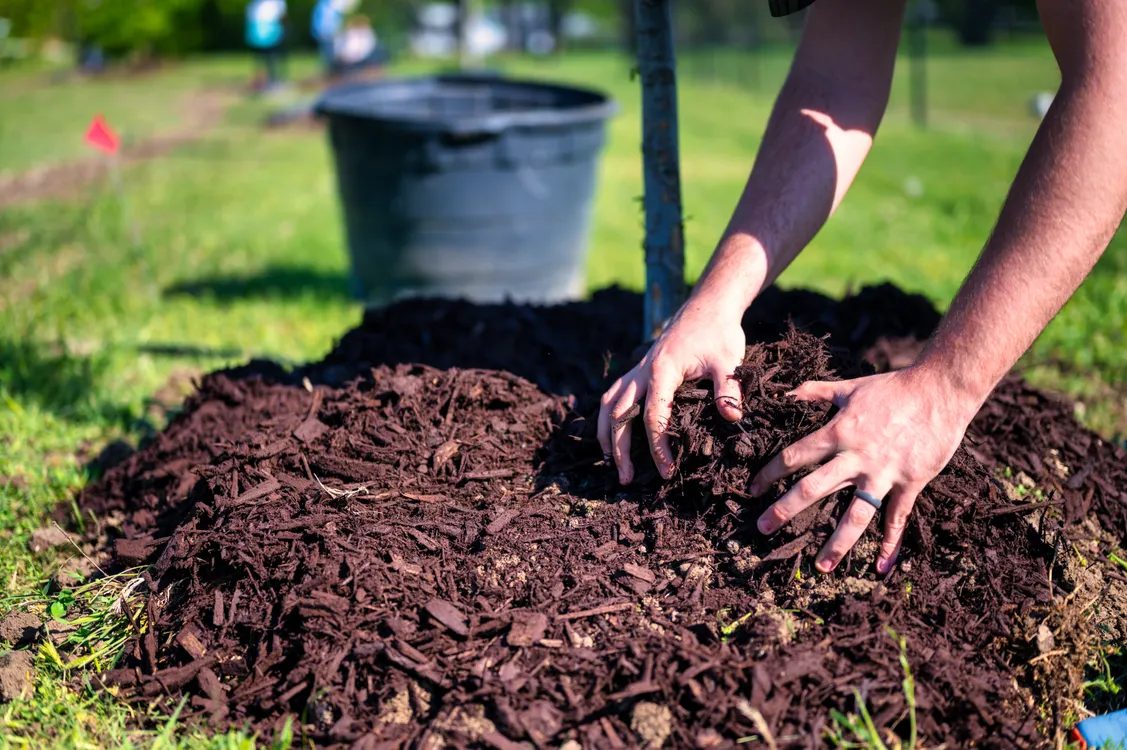
Mulch over the fed root zone each spring to hold moisture, feed soil life and keep roots cool — bark or leaf mold over the granules also stops them washing away in heavy rain.
Expert tip
Write down the date you do this. Gardening advice is full of ‘weeks later’ — and the gardeners who improve fastest are the ones who can check what ‘later’ actually was.
Common mistakes
Watch out for
- Feeding a newly planted maple in its first year — the roots are settling in, and fertilizer burns them; wait a full season.
- Using fast-acting lawn fertilizer — it is far too strong and salty for a maple, and leaf scorch follows within days.
- Feeding in late summer or autumn — soft new growth does not harden before frost and dies back in winter.
Keep exploring this topic with How to Get Rid of Squash Bugs, or browse the full Plant Care section.
Frequently asked questions
When should I feed my Japanese maple?
Once, in early spring, with slow-release granules at the label rate. One spring feed is enough for the whole season — maples are light feeders.
Can I use slow-release fertilizer on a potted Japanese maple?
Yes, at half the label rate — pots hold less soil, so salts build up faster. Water the pot well before and after feeding, and skip a year if the tree is growing strongly.